

A bait dog is an animal used in illegal dogfighting operations to train and test fighting dogs before they enter the ring. These innocent victims are often smaller, gentler dogs that have little to no ability to defend themselves, making them easy targets for aggressive fighting breeds. The term alone should make your stomach turn—and rightfully so.
Table of Contents
- The Dark Reality: Understanding Bait Dogs in Dogfighting
- Where Do Bait Dogs Come From? Heartbreaking Origins
- How to Recognize Signs of a Bait Dog: Physical and Behavioral Red Flags
- The Psychological Impact: More Than Just Physical Scars
- Legal Consequences and Why Dogfighting Is a Felony
- Rescue and Rehabilitation: Hope for Bait Dogs
- How You Can Help: Taking Action Against Dogfighting
- The Connection Between Dogfighting and Other Animal Cruelty
- Real Stories: Bait Dogs Who Found Their Way Home
- Veterinary Care for Rescued Bait Dogs: What’s Involved
- Prevention: Stopping Dogfighting Before It Starts
- Frequently Asked Questions
- Conclusion: Making a Difference in the Fight Against Dogfighting
Bait dogs endure horrific abuse in the name of illegal gambling and entertainment. Understanding what they are, recognizing the signs of a bait dog, and knowing how to help are crucial steps in combating this form of animal cruelty that still thrives in many communities today.
The Dark Reality: Understanding Bait Dogs in Dogfighting
Dogfighting is one of the most severe forms of animal abuse, and bait dogs are at the absolute bottom of this cruel hierarchy. These dogs serve a grim purpose: they’re used as practice targets for fighting dogs to hone their attacking and killing skills. Imagine being a sweet, unsuspecting pet and suddenly being thrown into a situation where you’re fighting for your life against a trained killer. That’s the nightmare bait dogs face.
The dogfighting industry is heavily connected to other criminal activities, including drug trafficking, illegal gambling, and weapons trafficking. It’s not some isolated problem—it’s a multi-million dollar underground operation that destroys countless innocent animals every year.

Where Do Bait Dogs Come From? Heartbreaking Origins
The sources of bait dogs are devastatingly varied. Some are stolen pets snatched from backyards or streets. Others are purchased cheaply from irresponsible breeders or found in shelters by people with malicious intent. Some are surrendered by owners who can no longer care for them, only to fall into the wrong hands. Smaller breeds like Chihuahuas, toy breeds, and gentle mixed-breed dogs are particularly vulnerable because they’re less likely to fight back.
What makes this even more tragic is that many bait dogs are perfectly healthy, friendly animals with no history of aggression. They’re chosen specifically because they won’t pose a threat—they’re the underdogs in the worst possible way.
How to Recognize Signs of a Bait Dog: Physical and Behavioral Red Flags
If you encounter a dog that’s been used as a bait dog, there are telltale signs you should recognize. Physical injuries are the most obvious indicators. Look for:
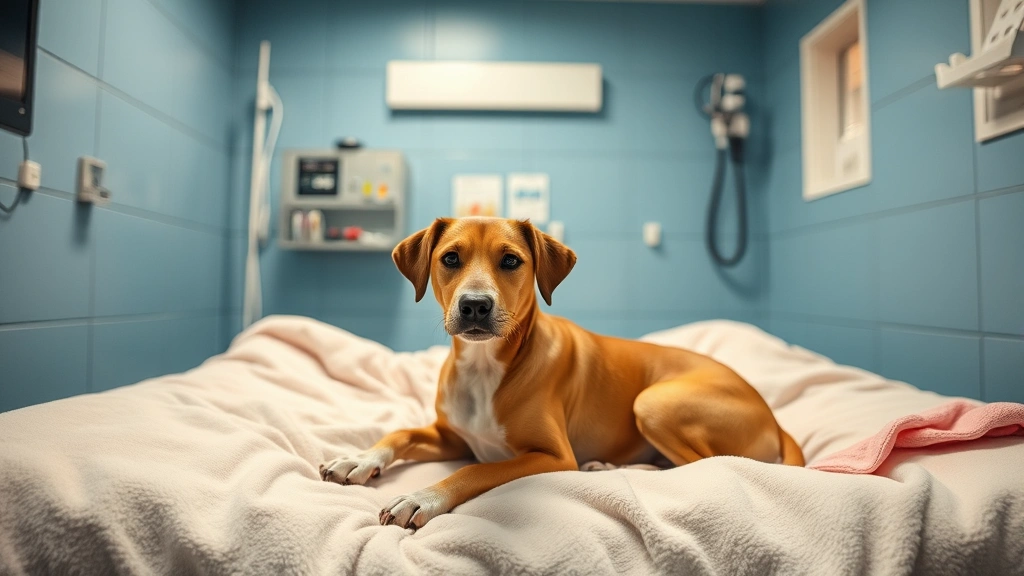
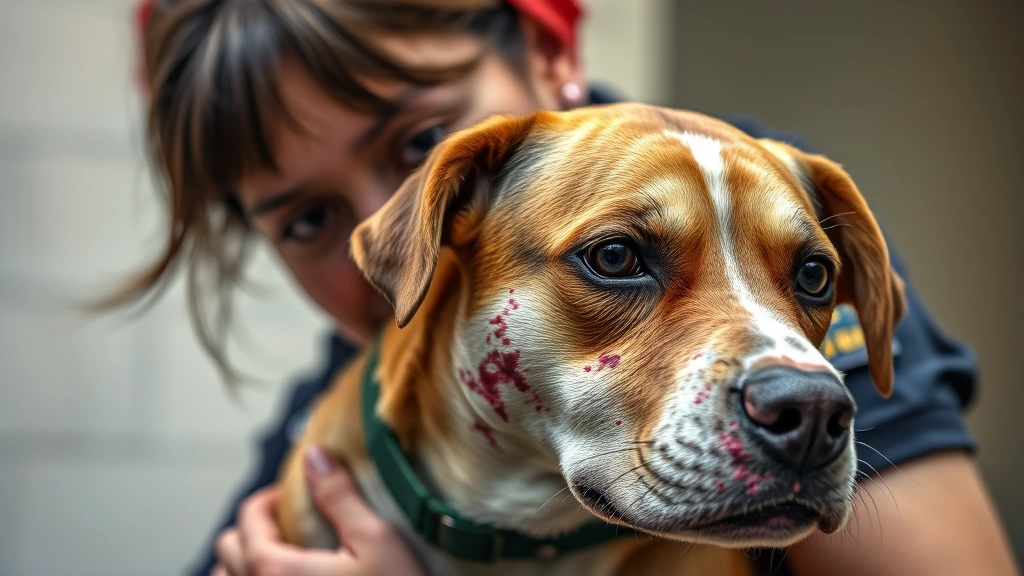
- Multiple bite wounds, often on the face, neck, legs, and underside of the body
- Scarring and lacerations in various stages of healing
- Missing fur patches or chunks of skin
- Puncture wounds that show signs of infection
- Broken teeth or jaw injuries
- Torn ears or mutilated ear tissue
- Rope burns or marks around the neck and legs
Beyond physical trauma, behavioral signs are equally important. Bait dogs often exhibit severe anxiety, fear-based aggression, or learned helplessness. They may flinch at sudden movements, cower when approached, or display signs of extreme stress. Some have been so traumatized that they struggle to trust humans, even kind ones trying to help them.
If you suspect a dog has been used in dogfighting operations, document everything with photos and contact local animal control or law enforcement immediately. Your observations could be crucial evidence.
The Psychological Impact: More Than Just Physical Scars
While physical injuries are visible and treatable, the psychological damage to bait dogs runs incredibly deep. These animals have experienced terror and pain at levels most of us can barely comprehend. Many develop post-traumatic stress disorder (PTSD) and require extensive rehabilitation.

Rescued bait dogs often struggle with trust issues, fear of other dogs, and sometimes even fear of humans. Some have learned that other animals are threats and respond with defensive aggression—not because they’re “bad dogs,” but because their survival depended on it. Rehabilitation requires patience, specialized training, and often the help of experienced rescue organizations.
Legal Consequences and Why Dogfighting Is a Felony
Dogfighting is illegal in all 50 U.S. states and many countries worldwide. It’s classified as a felony in most jurisdictions, with penalties ranging from significant fines to substantial prison time. Federal law also makes it illegal to attend a dogfighting event or possess dogs for fighting purposes.
However, enforcement remains inconsistent, and many operations continue underground. This is why community awareness and reporting are essential. If you have information about dogfighting activities, contact the USDA Animal and Plant Health Inspection Service or your local law enforcement agency.
Rescue and Rehabilitation: Hope for Bait Dogs
The good news? Many bait dogs can recover and go on to live happy, healthy lives with loving families. Organizations specializing in dogfighting rescue have incredible success rates rehabilitating these animals. It takes time, professional care, and dedication, but transformation is possible.
Rescued bait dogs often need:
- Immediate veterinary care for wounds and infections
- Behavioral assessment and specialized training
- Socialization with other dogs and humans in controlled environments
- Long-term foster care or adoption with experienced owners
- Ongoing medical treatment for chronic injuries
Some of the most heartwarming rescue stories come from dogs that were used in fighting rings. These resilient animals teach us about forgiveness and the power of second chances. Organizations like the ASPCA have successfully rehabilitated hundreds of dogs from dogfighting cases.

How You Can Help: Taking Action Against Dogfighting
You don’t need to be a law enforcement officer to make a difference. Here’s what you can do:
- Report suspicious activity: If you suspect dogfighting in your area, report it to local police, animal control, or the Humane Society.
- Support rescue organizations: Donate to or volunteer with groups that specialize in rescuing and rehabilitating fighting dogs.
- Educate others: Spread awareness about the realities of dogfighting and its connection to other crimes.
- Adopt responsibly: Consider adopting a rescued fighting dog if you have the experience and patience to help them heal.
- Secure your pets: Keep your dogs safely contained to prevent them from being stolen and used as bait dogs.
- Support legislation: Advocate for stricter penalties and better enforcement of dogfighting laws.
The Connection Between Dogfighting and Other Animal Cruelty
Dogfighting doesn’t exist in isolation. It’s often linked to broader patterns of animal abuse and neglect. If you’re concerned about animal welfare issues, you might also want to understand other forms of cruelty. For instance, learning about whether it’s cruel to keep a blind dog helps you recognize the difference between genuine care challenges and intentional neglect.
The mentality that drives dogfighting—viewing animals as disposable objects for profit—often correlates with other forms of animal abuse. Understanding these connections helps communities identify and address systemic cruelty more effectively.

Real Stories: Bait Dogs Who Found Their Way Home
Countless bait dogs have been rescued and rehabilitated into beloved family pets. These stories remind us why this fight against dogfighting matters. One famous case involved a dog named Vick’s Victory, rescued from Michael Vick’s dogfighting operation. Despite his horrific past, he became an ambassador for animal welfare and helped educate millions about the realities of dogfighting.
These success stories don’t erase the trauma these dogs endured, but they demonstrate that healing is possible and that there’s always hope for recovery.
Veterinary Care for Rescued Bait Dogs: What’s Involved
Rescued bait dogs require comprehensive veterinary care that goes far beyond treating visible wounds. Veterinarians must address infections, parasites, malnutrition, and chronic pain. Many bait dogs have serious health issues from living in unsanitary conditions, including diseases like heartworm and skin infections.

The American Veterinary Medical Association has resources for vets treating animals from fighting situations. Recovery can take months or even years, but with proper medical care and rehabilitation, many dogs make remarkable progress.
Prevention: Stopping Dogfighting Before It Starts
The best approach to bait dog rescue is prevention. Communities can reduce dogfighting by:
- Implementing strong animal welfare laws and enforcement
- Educating youth about animal cruelty and its consequences
- Creating community reporting systems for suspicious activity
- Supporting organizations that work with at-risk youth to prevent involvement in dogfighting
- Addressing the socioeconomic factors that make dogfighting attractive to some communities
Prevention requires a multi-faceted approach involving law enforcement, animal welfare organizations, community leaders, and engaged citizens.

Frequently Asked Questions
What exactly is a bait dog?
A bait dog is an animal used in illegal dogfighting operations to train fighting dogs. These are typically smaller, gentler dogs that are used as practice targets because they can’t effectively fight back. Bait dogs endure severe physical and psychological trauma.
Can bait dogs be rehabilitated and adopted?
Yes, absolutely. Many bait dogs are successfully rehabilitated and adopted into loving homes. However, they require specialized care, behavioral training, and patience from experienced adopters. The rehabilitation process can take months to years, but many dogs make remarkable recoveries.
How can I report suspected dogfighting?
Contact your local animal control, police department, or the Humane Society. You can also report to the USDA Animal and Plant Health Inspection Service. Provide as much detail as possible about the location and activity you’ve observed.

What are the legal penalties for dogfighting?
Dogfighting is a felony in all 50 states. Penalties typically include substantial fines (often $5,000 or more) and prison time (ranging from months to several years). Attending a dogfighting event or possessing dogs for fighting purposes is also illegal.
Where can I help rescue bait dogs?
Contact local animal shelters, rescue organizations, or national groups like the ASPCA and Humane Society. You can volunteer, donate, or foster rescued dogs. Some organizations specifically focus on rehabilitating fighting dogs and always need support.
How do I know if a dog I encounter is a bait dog?
Look for multiple bite wounds, scarring, rope burns, broken teeth, and behavioral signs like extreme fear or anxiety. However, not all rescued fighting dogs show obvious physical signs. If you suspect a dog has been abused, contact animal control for professional assessment.
Conclusion: Making a Difference in the Fight Against Dogfighting
Understanding what a bait dog is and recognizing the signs of abuse is the first step toward combating this cruel underground industry. These innocent animals deserve our protection, advocacy, and compassion. While the reality of dogfighting is dark and disturbing, the resilience of rescued dogs and the dedication of rescue organizations offer genuine hope.
Whether you report suspicious activity, support rescue organizations, adopt a rehabilitated fighting dog, or simply educate others about this issue, you’re making a real difference. Every action counts in the fight against animal cruelty. Bait dogs may have experienced unimaginable suffering, but with our help, they can heal and discover what it means to be truly loved.





