

So, what is a belly band for dogs? Think of it as a stylish, functional wrap that goes around your pup’s midsection—kind of like a canine tummy tuck, but way less dramatic and infinitely more helpful. Belly bands are stretchy fabric wraps designed to fit snugly around a dog’s torso, and they’re absolute game-changers for pet parents dealing with incontinence, marking behavior, or anxiety-related accidents.
Table of Contents
- The Basics: What Exactly Is a Belly Band?
- Why Would Your Dog Need a Belly Band?
- How Do Belly Bands Actually Work?
- Types of Belly Bands for Dogs
- Sizing and Fit: Getting It Right
- Training Your Dog to Wear a Belly Band
- Maintenance and Care Tips
- Belly Bands vs. Other Solutions
- Common Concerns and Misconceptions
- When to Talk to Your Vet
- Cost Considerations
- Real-World Success Stories
- Alternatives and Complementary Solutions
- Frequently Asked Questions
- Frequently Asked Questions
- Conclusion: Is a Belly Band Right for Your Dog?
If you’ve ever wondered whether your dog needs one of these mysterious contraptions, or if you’re just curious about the latest in dog fashion-meets-function, you’re in the right place. We’re diving deep into everything you need to know about belly bands—from how they work to whether they’re right for your furry best friend.
The Basics: What Exactly Is a Belly Band?
A belly band is essentially a washable, reusable wrap made from soft fabric materials like fleece, cotton, or specialized absorbent materials. It wraps around your dog’s belly and is secured with velcro or snap closures. The band typically extends from just behind the front legs to just before the back legs, creating a comfortable barrier that catches accidents before they hit your hardwood floors.
These aren’t just fashion statements (though some are pretty adorable). They’re legitimate tools designed with purpose. The band sits against your dog’s underside and, depending on the type, either absorbs moisture or simply provides a physical barrier that many dogs find uncomfortable enough to discourage marking behavior.
The genius part? They’re machine washable, reusable, and way more eco-friendly than constantly buying disposable dog diapers. Plus, your dog can still move around freely, play, and do their thing without feeling like they’re wearing a full hazmat suit.
Why Would Your Dog Need a Belly Band?
There are several legitimate reasons why a dog owner might reach for a belly band. The most common reasons include:
Incontinence Issues: Senior dogs, spayed females, and dogs with certain medical conditions often struggle with involuntary urine leakage. A belly band catches these accidents without restricting your dog’s movement or dignity.
Male Marking Behavior: Intact males (and sometimes neutered ones) mark territory indoors. If your dog thinks your living room is his personal real estate, a belly band can be a lifesaver—literally preventing those territorial pee spots on furniture and carpets.
Anxiety-Related Accidents: Some anxious pups have accidents when they’re stressed, scared, or dealing with separation anxiety. A belly band provides a safety net while you work on the underlying behavioral issues.
Post-Surgery Recovery: After certain surgical procedures, vets sometimes recommend belly bands to protect incision sites and keep things clean during the healing process.
How Do Belly Bands Actually Work?
The mechanics are straightforward. When you wrap a belly band around your dog’s midsection, it sits against their underside. For absorbent versions, they work similarly to human incontinence products—the fabric absorbs moisture before it can drip onto your floors.
For behavioral purposes (like marking prevention), the band works differently. Many dogs instinctively avoid peeing when something is in contact with their genital area. It’s not painful or uncomfortable—it’s just enough of a deterrent to break the habit. Think of it as a gentle reminder that says, “Hey buddy, not here.”
The key is proper fit. A band that’s too loose won’t work effectively, and one that’s too tight can cause discomfort and skin irritation. You want it snug enough to do its job but loose enough that you can slide a finger underneath comfortably.
Types of Belly Bands for Dogs
Not all belly bands are created equal. Here’s what’s available:
Absorbent Belly Bands: These feature layers of absorbent material (similar to puppy pads) designed to soak up urine. They’re perfect for incontinent dogs or those with medical issues. These typically need more frequent changes and washing.
Non-Absorbent Behavioral Bands: Made from regular fabric without absorbent layers, these work primarily through the deterrent effect of contact. They’re ideal for marking prevention and are lighter, more breathable, and easier to wash.
Waterproof Belly Bands: These feature waterproof backing to prevent leaks from soaking through to your furniture. They’re great if your dog will be on couches or beds while wearing the band.
Custom-Fitted Bands: Some premium options offer custom sizing for dogs with unique body shapes. These tend to be pricier but offer superior fit and comfort.
Sizing and Fit: Getting It Right
This is crucial. A poorly fitting belly band is basically useless and potentially uncomfortable for your pup. Most belly bands are sized by measuring your dog’s waist—the narrowest part of their abdomen, right behind the ribs.
Measure with a soft measuring tape while your dog is standing. Most manufacturers provide sizing charts, and you want to follow them carefully. Generally, belly bands come in sizes ranging from XS (for tiny breeds like Chihuahuas) to XL (for larger dogs).
The band should sit comfortably around the torso without bunching, sliding, or causing any skin irritation. Check the fit regularly, especially as your dog ages or their weight fluctuates. A band that fit perfectly last month might be too loose or tight now.
Training Your Dog to Wear a Belly Band
Most dogs adapt to belly bands pretty quickly, but some need a little encouragement. Here’s how to make the transition smooth:
Start Slow: Let your dog sniff and investigate the band before putting it on. Make it a positive experience by offering treats and praise.
Short Sessions: Put the band on for just a few minutes initially, then gradually increase the duration as your dog gets comfortable.
Positive Reinforcement: Reward your dog heavily when they’re wearing the band. Treats, praise, playtime—make them associate the band with good things.
Never Force It: If your dog is genuinely distressed, take a step back and try again later. Some dogs need more time than others.

Consistency: Keep the band on during predictable times (like when you’re away or at night) so your dog learns what to expect.
Maintenance and Care Tips
Keeping your belly band clean is essential for your dog’s skin health. Here’s what you need to know:
Wash Frequently: If your dog is having accidents in the band, wash it daily. For behavioral bands without heavy soiling, 2-3 times per week is usually sufficient.
Machine Wash: Most belly bands are machine washable. Use warm water and mild detergent. Avoid fabric softeners, which can reduce absorbency.
Air Dry: Skip the dryer and air dry instead. Heat can damage elastic and absorbent materials.
Inspect Regularly: Check for signs of wear, elastic degradation, or velcro that’s losing its grip. Replace when necessary.
Have Backups: Invest in at least 2-3 bands so one is always clean and ready while others are being laundered.
Belly Bands vs. Other Solutions
Belly bands aren’t the only option for managing incontinence or marking behavior. Let’s compare them to alternatives:
Disposable Dog Diapers: More absorbent but wasteful, expensive long-term, and many dogs find them uncomfortable. However, they’re great for short-term use or travel.
Puppy Pads: Useful for training puppies or managing accidents in specific areas, but they don’t prevent marking behavior and don’t help with mobility issues.
Medications: For medical incontinence, your vet might recommend medications that can help. These often work best combined with belly bands.
Behavioral Training: For marking issues, training and environmental management are essential. Belly bands work best as a tool alongside training, not a replacement for it.
If you’re looking for other comfort solutions for your dog, consider pairing a belly band with a memory foam dog bed to provide additional support and comfort, especially for senior dogs.
Common Concerns and Misconceptions
“Will a belly band hurt my dog?” No, when properly fitted and used correctly. It should be snug but not restrictive. If your dog shows signs of discomfort, pain, or skin irritation, remove it immediately and consult your vet.
“Can my dog pee normally while wearing one?” Yes, absolutely. The band doesn’t prevent urination—it catches or deters it, depending on the type.
“Will my dog overheat?” Not typically. Most belly bands are made from breathable materials. However, avoid prolonged wear in extremely hot weather, and always ensure your dog has access to water and shade.
“Is this just a band-aid solution?” For behavioral issues, yes—it’s best used alongside training and addressing root causes. For medical incontinence, it’s a legitimate management tool, not a cure.
When to Talk to Your Vet
Before investing in a belly band, especially if your dog has recently developed incontinence or marking issues, consult your veterinarian. Sudden incontinence can indicate urinary tract infections, hormonal imbalances, or other medical conditions that need treatment.
Your vet can:
• Rule out underlying medical issues
• Recommend the best type of belly band for your dog’s specific situation
• Suggest medications that might help
• Provide guidance on proper fit and care
According to the American Kennel Club’s expert advice, any sudden changes in your dog’s bathroom habits warrant professional evaluation.
Cost Considerations
Belly bands are surprisingly affordable. Here’s what to expect:
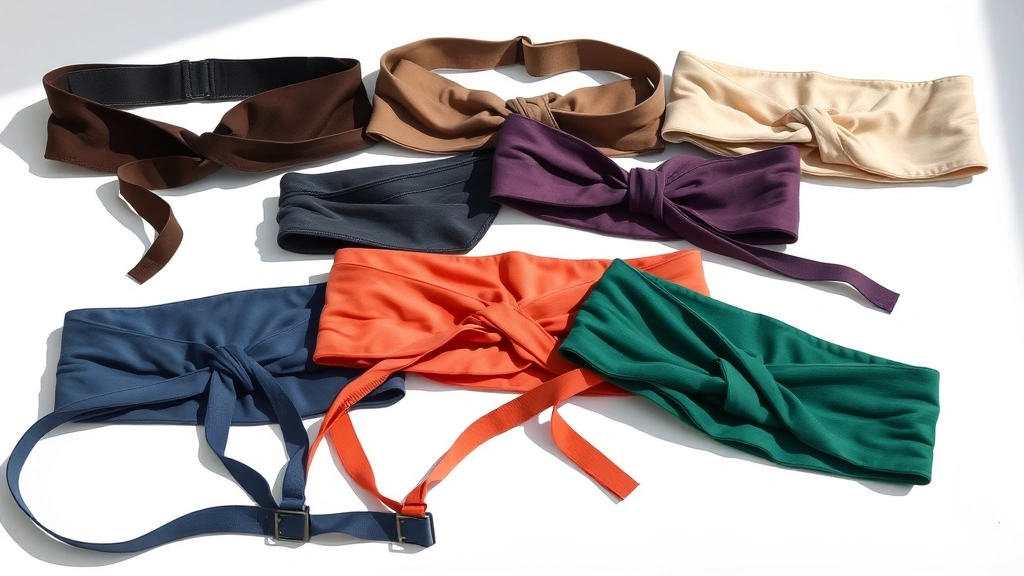
Budget Options: $10-20 per band. Basic designs, often less durable, but good for testing if your dog will tolerate wearing one.
Mid-Range: $20-40 per band. Better quality materials, improved durability, and often better fit options.
Premium Options: $40-70+ per band. Custom fits, superior absorbency, waterproofing, and longer lifespan.
Since you’ll want multiple bands for rotation and washing, budget $50-150 for a complete starter set. This is far more economical than disposable diapers over the long term.
Real-World Success Stories
Plenty of dog owners swear by belly bands. Senior dog parents report that bands have extended their ability to keep aging pups in the home during the incontinent years. Owners of marking-prone intact males have successfully used bands as part of comprehensive behavioral management plans.
The common thread? When used appropriately for the right reasons, belly bands genuinely improve quality of life for both dogs and their humans. They’re not a magic fix, but they’re a practical tool that works.
Alternatives and Complementary Solutions
While belly bands are great, they work best as part of a comprehensive approach:
Environmental Management: Use washable rugs, enzymatic cleaners to remove odor markers, and baby gates to restrict access to problem areas.
Behavioral Training: Work with a trainer on marking behavior. Belly bands shouldn’t replace training—they should support it.
Medication: For medical incontinence, ask your vet about options. Some medications significantly improve continence.
Protective Gear: Combine belly bands with a quality martingale collar for dogs if you’re working on overall behavior management, and consider military dog tags for identification purposes.
For anxious dogs, pairing belly band use with anxiety-reducing tools like puzzle toys (such as Kong Extreme Dog Toy Fetch) can provide comprehensive support.
Frequently Asked Questions
Frequently Asked Questions
Can I leave a belly band on all day?
While belly bands are designed for extended wear, it’s best to give your dog breaks. Remove it for at least a few hours daily to allow skin to breathe and prevent irritation. For incontinent dogs, wearing one 12-16 hours per day is reasonable. For behavioral management, you can be more flexible—use it during times when marking is most likely.
Will a belly band work for female dogs?
Absolutely. While belly bands are often associated with male marking behavior, they’re equally effective for female dogs with incontinence issues. The fit is the same, and absorbent versions work just as well regardless of sex.
How often should I wash the belly band?
If your dog is having frequent accidents in the band, wash it daily. For behavioral bands used primarily for marking prevention without heavy soiling, 2-3 times per week is usually sufficient. Always wash immediately if there’s visible soiling or odor.
Can my dog sleep in a belly band?
Yes, many owners use belly bands during sleep to manage nighttime incontinence. Make sure the fit is comfortable and check for any signs of irritation in the morning. Some dogs sleep better with the security of a belly band, while others prefer sleeping without one.
What if my dog refuses to wear a belly band?
Some dogs need more time to adjust. Start with very short wearing periods and heavily reward positive behavior. If your dog shows genuine distress after several weeks of gradual introduction, consult your vet about alternatives. Forcing it can create negative associations.
Are there any health risks associated with belly bands?
When properly fitted and maintained, belly bands are safe. Risks include skin irritation if the band is too tight or not washed frequently enough, and overheating if used in extreme heat. Always monitor your dog for signs of discomfort and maintain proper hygiene.
Do belly bands work for all types of incontinence?
Belly bands work best for urinary incontinence. They’re less effective for fecal incontinence, which requires different management strategies. If your dog has fecal incontinence, consult your veterinarian for specialized solutions.
Conclusion: Is a Belly Band Right for Your Dog?
So, what is a belly band for dogs, and should you get one? At its core, a belly band is a practical, humane tool designed to manage incontinence and marking behavior while allowing your dog to maintain dignity and mobility. It’s not a cure-all, but for the right dog in the right situation, it’s genuinely life-changing.
Whether you’re dealing with a senior dog’s age-related incontinence, a young male’s territorial marking, or post-surgical recovery needs, a belly band offers an affordable, reusable, and effective solution. The key is choosing the right type, ensuring proper fit, maintaining cleanliness, and using it as part of a comprehensive approach to your dog’s health and behavior.
Start by consulting your veterinarian, invest in quality bands, and give your dog time to adjust. Most importantly, remember that using a belly band isn’t giving up—it’s giving your dog the best possible life at every stage.
Your pup deserves comfort, dignity, and a clean home. A belly band helps deliver all three.





