
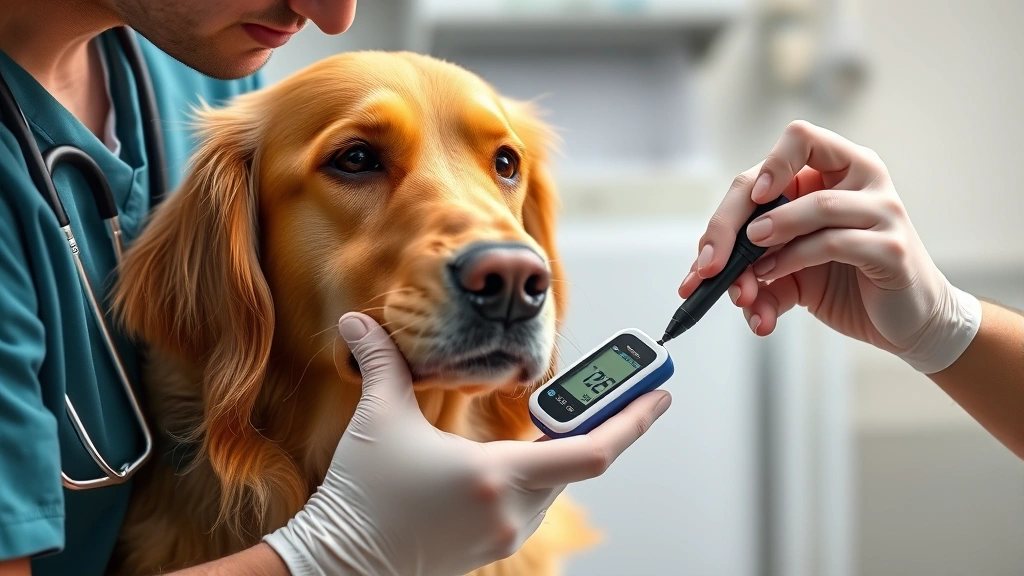
If you’re wondering what is a dangerous blood sugar level for a dog, you’re asking the right question—because catching blood sugar problems early can literally save your pup’s life. Whether your furry friend has been diagnosed with diabetes or you’re just concerned about their health, understanding normal versus dangerous glucose levels is crucial for any responsible dog owner.
Table of Contents
- Understanding Normal Blood Sugar Levels in Dogs
- What Blood Sugar Levels Are Actually Dangerous?
- The Danger Zone: Hyperglycemia Explained
- Recognizing Dangerous Blood Sugar Symptoms
- Low Blood Sugar: The Other Danger
- Factors That Make Blood Sugar More Dangerous
- Managing Blood Sugar to Avoid Danger
- When to Seek Emergency Care
- Testing and Diagnosis: What Your Vet Will Do
- Living With a Diabetic Dog: The Reality
- Prevention: The Best Medicine
- Frequently Asked Questions
- Summary: Keeping Your Dog Safe
Understanding Normal Blood Sugar Levels in Dogs
Before we talk about what’s dangerous, let’s establish what’s normal. A healthy dog’s fasting blood glucose typically ranges between 70-100 mg/dL (milligrams per deciliter). After eating, it might climb to 140-180 mg/dL, which is totally fine. The key is that their body should regulate these levels naturally without much drama.
Think of it like a thermostat in your home—it goes up and down, but stays within a comfortable range. Your dog’s pancreas acts like that thermostat, releasing insulin to keep everything balanced. When that system breaks down, that’s when we get into dangerous territory.
What Blood Sugar Levels Are Actually Dangerous?
Here’s where things get serious: blood glucose levels above 400 mg/dL are generally considered dangerous, and anything above 600 mg/dL is a medical emergency. But here’s the kicker—some vets get concerned even at 300+ mg/dL, especially if the levels stay elevated for extended periods.
The danger isn’t just about one number, though. It’s about trends, symptoms, and how long your dog’s been running high. A dog with a reading of 350 mg/dL who’s acting normal might be less immediately concerning than a dog at 280 mg/dL who’s vomiting and lethargic. Context matters.
If you notice your pup experiencing lethargy in dogs alongside high blood sugar readings, that’s a red flag worth investigating immediately.
The Danger Zone: Hyperglycemia Explained
Hyperglycemia is the fancy term for high blood sugar, and it’s where most of the danger lives. When glucose levels stay elevated for too long, several nasty things can happen:
Diabetic Ketoacidosis (DKA): This is the big scary one. When the body can’t use glucose properly, it starts breaking down fat for energy, creating ketones that make the blood dangerously acidic. A lethargic dog with DKA might have fruity-smelling breath, vomiting, and rapid breathing. This requires immediate veterinary intervention.
Organ Damage: Chronically high blood sugar damages blood vessels and organs, particularly the kidneys, eyes, and nerves. This is why consistent management matters even when your dog seems fine.
Dehydration: High glucose pulls water from cells, making your dog thirsty and causing excessive urination. This becomes a vicious cycle that worsens dehydration.
Recognizing Dangerous Blood Sugar Symptoms
Sometimes the number on the glucose meter isn’t as important as what you’re seeing in your dog. Watch for these warning signs:
- Excessive thirst and urination (polyuria and polydipsia)
- Rapid, labored breathing
- Fruity-smelling breath
- Vomiting or refusal to eat
- Weakness or collapse
- Confusion or disorientation
- Cataracts developing rapidly (in dogs)
- Recurrent infections
If your dog is showing multiple symptoms combined with high blood sugar readings, don’t wait for the perfect number—get to your vet. Period.
Low Blood Sugar: The Other Danger
Here’s something people don’t talk about enough: low blood sugar is actually MORE immediately dangerous than high blood sugar. Hypoglycemia (below 70 mg/dL) can cause seizures, loss of consciousness, and even death within minutes.
This is particularly risky in diabetic dogs on insulin. Too much insulin, missed meals, or unexpected exercise can send blood sugar plummeting. If your dog seems confused, stumbling, or has a seizure, check their blood sugar immediately if possible, then get emergency care.
The good news? Low blood sugar is usually reversible with fast-acting carbs (corn syrup, honey, or glucose tablets). But you need to catch it quickly.
Factors That Make Blood Sugar More Dangerous
Not all elevated blood sugars are created equal. These factors increase the risk:
Duration: A spike that lasts hours is worse than one that spikes and resolves. Chronic elevation causes cumulative damage.
Age: Senior dogs with diabetes face higher complications risk. Their bodies are less resilient.
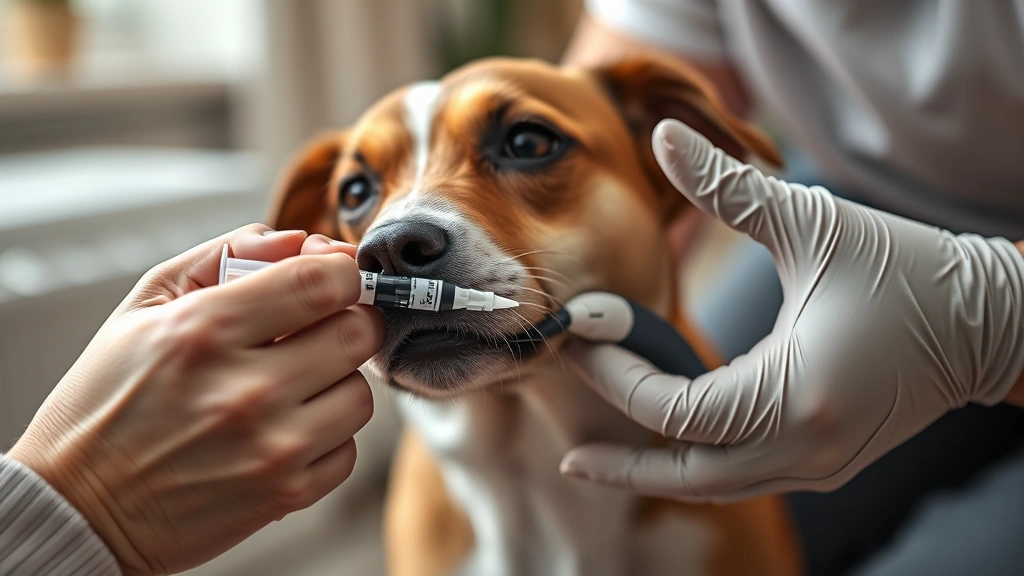
Concurrent Illness: Infections, kidney disease, or other conditions amplify the danger. This is why maintaining a proper kidney diet for dogs matters if your pup has multiple health issues.
Medication Compliance: Missing insulin doses or using expired insulin dramatically increases dangerous episodes.
Diet Quality: Poor nutrition exacerbates blood sugar swings. Your vet might recommend specific therapeutic diets.
Managing Blood Sugar to Avoid Danger
Prevention is your best weapon. Here’s what actually works:
Consistent Insulin Administration: If your dog is on insulin, timing and dosage matter obsessively. Set phone reminders. Don’t skip doses.
Regular Monitoring: Home glucose monitors let you track trends without constant vet visits. Many owners test 2-3 times weekly once stable.
Dietary Management: High-protein, low-carb diets help many diabetic dogs. Some actually go into remission with proper diet and weight management.
Weight Control: Overweight dogs have worse insulin resistance. Even 10% weight loss can make a huge difference.
Consistent Exercise: Regular activity improves insulin sensitivity, but keep it consistent—sudden exercise spikes can cause dangerous lows.
Stress Reduction: Stress hormones raise blood sugar. A calm, predictable routine helps.
When to Seek Emergency Care
Don’t be the person who “waits and sees.” Head to an emergency vet if:
- Blood glucose is above 600 mg/dL
- Your dog is showing signs of DKA (fruity breath, rapid breathing, vomiting)
- Blood sugar drops below 70 mg/dL and your dog is symptomatic
- Your dog has had a seizure
- You notice sudden behavioral changes with high blood sugar readings
- Your dog is in obvious distress or pain
Trust your gut. You know your dog better than anyone. If something feels wrong, it probably is.
Testing and Diagnosis: What Your Vet Will Do
Your veterinarian will likely recommend a combination of tests:
Fasting Blood Glucose: The baseline test, done after 8-12 hours without food.
Random Blood Glucose: A single reading at any time—useful for spotting patterns.
Fructosamine Test: Shows average blood sugar over 2-3 weeks. More reliable than single readings.
Glucose Curve: Multiple readings over several hours to see how your dog’s body handles glucose and insulin.

Urinalysis: Checks for glucose in urine and signs of infection or other problems.
These tests help your vet understand your specific dog’s situation and adjust treatment accordingly. External resources like the American Kennel Club and PetMD offer great general information, but your vet’s personalized assessment trumps everything.
Living With a Diabetic Dog: The Reality
Here’s the truth nobody sugar-coats: managing a diabetic dog is work. But thousands of dogs live happy, long lives with diabetes. Many owners say their dogs actually feel better once properly treated—more energy, better appetite, improved quality of life.
The dangerous blood sugar levels we’ve discussed become much less likely when you’re actively managing the condition. Yes, you’ll give injections. Yes, you’ll monitor glucose. But your dog will get years of additional quality time with you.
If your dog is experiencing gastrointestinal issues alongside diabetes, that compounds the problem. Check out our guide on whether Pepto Bismol is good for dogs before giving any over-the-counter medications, as some can affect blood sugar.
Prevention: The Best Medicine
While not all diabetes is preventable, you can reduce risk:
- Maintain healthy weight (obesity is the #1 risk factor)
- Feed high-quality, appropriate diet
- Provide regular exercise
- Monitor for early signs of diabetes (excessive thirst, urination, weight loss)
- Keep up with annual vet checkups
- Manage stress and anxiety
Catching diabetes early, before dangerous blood sugar episodes occur, makes everything easier.
Frequently Asked Questions
What blood sugar level requires immediate vet attention?
Any reading above 600 mg/dL or below 70 mg/dL with symptoms requires immediate veterinary care. Additionally, readings above 400 mg/dL with clinical signs like vomiting, lethargy, or fruity breath warrant emergency evaluation.
Can a dog recover from dangerously high blood sugar?
Yes, if caught and treated quickly. Many cases of diabetic ketoacidosis are reversible with aggressive IV fluids, insulin, and electrolyte management. However, prevention is always better than recovery.
How often should I check my diabetic dog’s blood sugar?
Initially, weekly or bi-weekly monitoring helps establish patterns. Once stable, many vets recommend checking 2-3 times weekly. Some owners do daily checks. Your vet will recommend the right frequency for your dog.
Will my dog need insulin forever?
Not necessarily. Some dogs, especially those with diet-controlled diabetes or those who achieve good weight loss, enter remission and no longer need insulin. But others require lifelong management.
Is diabetes in dogs the same as in humans?
Similar but not identical. Dogs primarily develop Type 1 diabetes (pancreas failure), while humans often develop Type 2 (insulin resistance). Management principles overlap, but your vet will tailor treatment to your dog’s specific needs.
What if I accidentally give my dog too much insulin?
This is a medical emergency. Get your dog glucose immediately (corn syrup, honey, or glucose tablets) and contact your vet or emergency clinic. Monitor closely for seizures or loss of consciousness. This is why training on proper insulin administration is crucial.
Summary: Keeping Your Dog Safe
So, what is a dangerous blood sugar level for a dog? Generally, anything above 400 mg/dL consistently, or above 600 mg/dL acutely, enters dangerous territory. But the real answer is more nuanced—it depends on your individual dog, their symptoms, and how long levels remain elevated.
The key takeaway? Don’t obsess over single numbers. Instead, focus on trends, symptoms, and consistent management. Work closely with your vet, monitor regularly, and don’t hesitate to seek emergency care when something feels wrong.
Your diabetic dog can live a wonderful, normal life with proper management. Millions do. The dangerous blood sugar levels we’ve discussed become increasingly unlikely when you’re actively involved in your dog’s care. That’s the real power you have as a pet owner—catching problems early and preventing emergencies altogether.
If you suspect your dog has diabetes or notice signs of blood sugar problems, schedule a vet appointment today. Early intervention saves lives.





