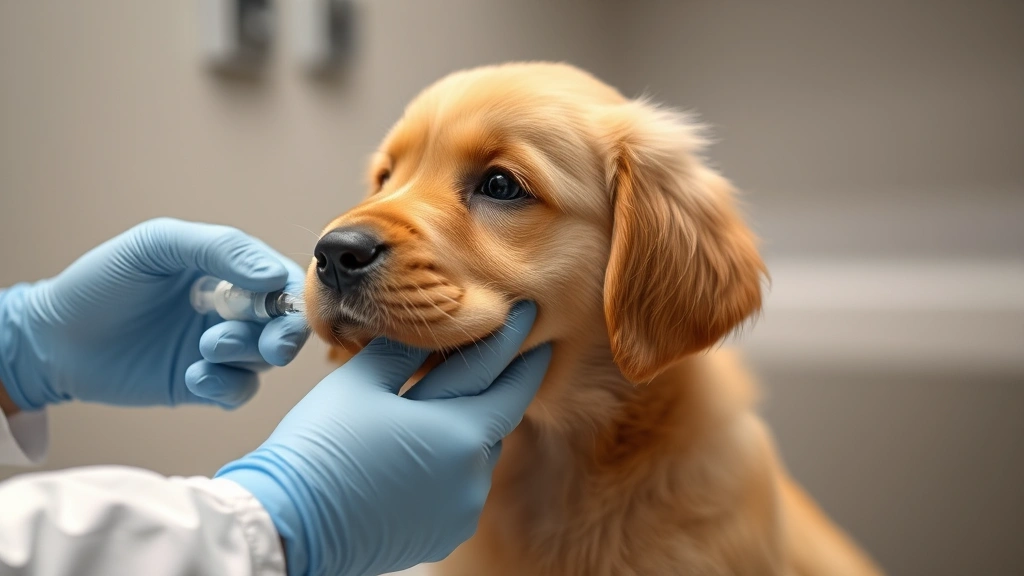
What Is a Distemper Shot for Dogs? Expert Explanation
If you’re a dog parent, you’ve probably heard your veterinarian mention the distemper shot during your pup’s wellness visits. But what exactly is this vaccine, and why is it so important for your furry friend’s health? The distemper shot is one of the most critical vaccinations your dog can receive, protecting them from a serious and potentially fatal viral disease. Understanding what this vaccine does and how it works can help you make informed decisions about your dog’s healthcare.
Canine distemper is a highly contagious viral disease that affects dogs of all ages, though puppies and unvaccinated dogs face the greatest risk. The virus attacks multiple organ systems, causing respiratory, gastrointestinal, and neurological symptoms that can be devastating. Fortunately, the distemper vaccine has saved countless dog lives since its development, making it a cornerstone of responsible pet ownership.
In this comprehensive guide, we’ll explore everything you need to know about the distemper shot, from how it works to vaccination schedules and potential side effects. Whether you’re a first-time dog owner or looking to refresh your knowledge, this article will help you understand why your veterinarian recommends this essential protection for your beloved companion.
What Is Canine Distemper?
Canine distemper is a contagious viral disease caused by the canine morbillivirus, which is closely related to the measles virus in humans. This disease has plagued dog populations for centuries and remains a serious threat to unvaccinated dogs worldwide. The virus spreads through respiratory droplets, direct contact with infected dogs, or contaminated objects, making it incredibly easy to transmit in shelters, dog parks, and multi-dog households.
The symptoms of distemper typically appear 3-6 days after exposure and can vary widely depending on the dog’s immune system and the virus strain. Early signs include fever, lethargy, and loss of appetite, followed by respiratory symptoms like coughing and nasal discharge. As the disease progresses, affected dogs may experience vomiting, diarrhea, and neurological symptoms including seizures, tremors, and behavioral changes. In severe cases, distemper can be fatal, particularly in puppies and senior dogs.
The mortality rate for untreated distemper ranges from 30-80%, making prevention through vaccination absolutely critical. Even dogs that survive the acute infection may suffer long-term neurological damage, including a condition called “hardpad disease,” where the nose and paw pads become thickened and hardened. This is why veterinarians emphasize vaccination so strongly—it’s far easier and more humane to prevent distemper than to treat it.

How the Distemper Vaccine Works
The distemper vaccine works by training your dog’s immune system to recognize and fight the virus before actual exposure occurs. The vaccine contains either weakened live virus or inactivated (killed) virus, depending on the formulation your veterinarian chooses. When administered, these vaccine components trigger an immune response that produces antibodies and activates immune cells specifically designed to combat the distemper virus.
Your dog’s immune system essentially learns to create a “wanted poster” for the distemper virus. If your vaccinated dog ever encounters the real virus in the future, their immune system recognizes it immediately and launches a swift defense. This rapid response typically prevents the virus from establishing a serious infection, protecting your dog from illness or significantly reducing symptom severity if breakthrough infection occurs.
The vaccine provides what immunologists call “active immunity,” meaning your dog’s own immune system is doing the protective work. This is different from passive immunity, which is temporary protection from antibodies provided by another source. Active immunity from vaccination typically lasts for years, which is why booster shots are given periodically rather than annually for most adult dogs.
Modern distemper vaccines are remarkably safe and effective, with efficacy rates exceeding 95% when properly administered according to recommended schedules. The vaccine has been refined and improved over decades, making it one of the most reliable vaccines available in veterinary medicine. Understanding what shots dogs need helps you appreciate the role distemper vaccination plays in your dog’s overall health plan.
The DHPP Vaccine Connection
You’ve likely heard your veterinarian mention the DHPP vaccine, and you might wonder how it relates to the distemper shot. The truth is, the distemper shot is actually part of the DHPP vaccine! DHPP is an acronym that stands for Distemper, Hepatitis, Parvovirus, and Parainfluenza—four separate diseases covered by one combination vaccine. Understanding what DHPP vaccine for dogs includes helps you see the bigger picture of your dog’s immunization needs.
The “D” in DHPP represents canine distemper, the main focus of this article. The “H” stands for canine hepatitis, a viral disease affecting the liver. The first “P” refers to canine parvovirus, a highly contagious gastrointestinal disease particularly dangerous to puppies. The second “P” represents parainfluenza, a respiratory virus that contributes to kennel cough. By combining these four vaccines into one injection, veterinarians can provide comprehensive protection while minimizing the number of shots your dog receives.
The DHPP vaccine is considered a core vaccine, meaning it’s recommended for all dogs regardless of lifestyle or risk factors. This differs from non-core vaccines like the rabies vaccine, which has specific legal requirements depending on your location. If you want to learn more about vaccination requirements, you might also explore how often dogs require rabies shots to understand the complete vaccination picture.
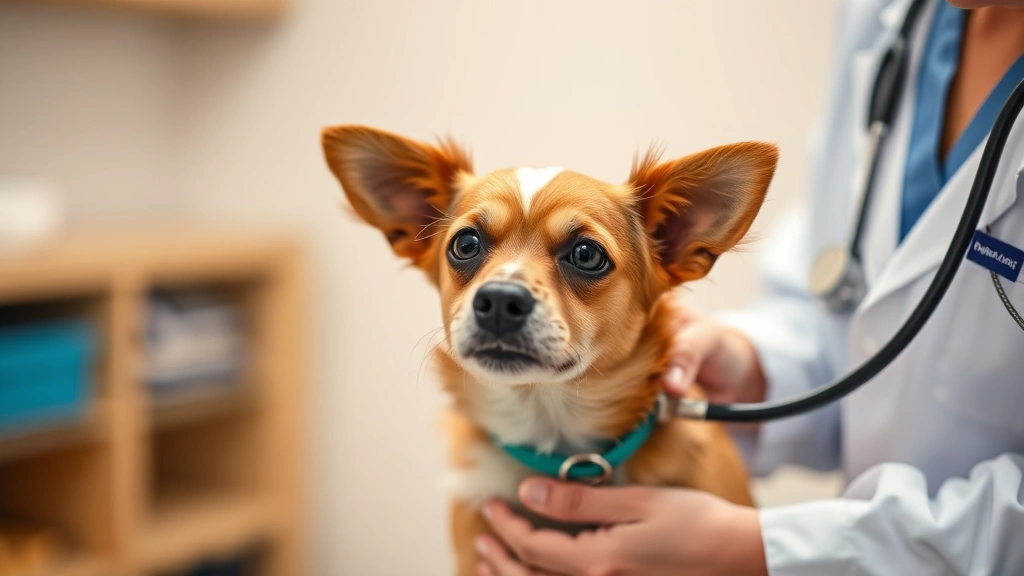
Vaccination Schedule and Timeline
Proper vaccination timing is crucial for ensuring your dog develops robust immunity to distemper. Puppies typically receive their first DHPP vaccination (which includes distemper protection) at 6-8 weeks of age. However, this initial vaccination doesn’t provide complete protection because puppies still have maternal antibodies from their mother’s milk that can interfere with vaccine effectiveness.
For this reason, puppies need a series of DHPP booster shots given every 3-4 weeks until they’re 16 weeks old. A typical puppy vaccination schedule looks like this: first shot at 6-8 weeks, second at 10-12 weeks, and third at 14-16 weeks of age. Some veterinarians recommend a fourth booster at 18-20 weeks for extra protection, particularly in high-risk environments like shelters or areas with known distemper exposure.
After completing the puppy series, your dog receives a booster shot one year later. Following this, the vaccination schedule depends on your veterinarian’s recommendation and your local regulations. Traditionally, annual boosters were standard, but current veterinary guidelines suggest that after the initial booster, many dogs can receive DHPP boosters every three years. Your veterinarian will assess your individual dog’s risk factors and recommend the most appropriate schedule.
Adult dogs adopted from shelters or rescues should receive a DHPP vaccination immediately if their vaccination history is unknown, followed by a booster 3-4 weeks later. Senior dogs (typically 7+ years) should continue receiving booster vaccinations on the recommended schedule, as immunity can wane over time. Discussing your specific dog’s needs with your veterinarian ensures they receive optimal protection throughout their life.
Potential Side Effects
Like all medical interventions, the distemper vaccine can cause side effects, though serious reactions are uncommon. Understanding potential side effects helps you know what to expect and when to contact your veterinarian. Most side effects are mild and resolve within 24-48 hours without treatment.
The most common mild side effects include soreness or swelling at the injection site, mild fever, lethargy, and temporary loss of appetite. Some dogs may experience slight behavioral changes or mild gastrointestinal upset. These reactions indicate that the immune system is responding to the vaccine, which is actually a good sign that immunity is being developed.
More serious but rare side effects include allergic reactions, which can manifest as facial swelling, hives, difficulty breathing, or collapse. Severe allergic reactions require immediate veterinary attention and are treated with emergency medications. Veterinarians typically ask you to wait 15-20 minutes after vaccination so they can observe your dog for any immediate reactions.
A very rare side effect is vaccine-associated adverse events, such as immune-mediated hemolytic anemia or thrombocytopenia. These conditions are so uncommon that the benefits of vaccination far outweigh the minimal risks. The risk of serious complications from distemper disease is exponentially higher than the risk of vaccine side effects. Your veterinarian can discuss your individual dog’s risk factors and help you make the best vaccination decision.
Why the Distemper Shot Matters
The distemper shot is one of the most important health investments you can make for your dog. Distemper remains a significant threat to unvaccinated dogs, and vaccination is the most effective prevention strategy available. By protecting your dog through vaccination, you’re not just protecting your individual pet—you’re contributing to herd immunity in your community.
Herd immunity occurs when a sufficient percentage of a population is vaccinated, making disease transmission difficult even for unvaccinated individuals. This concept is particularly important for vulnerable populations like very young puppies, senior dogs, and immunocompromised dogs that cannot be vaccinated. By keeping your dog current on distemper vaccination, you help protect these vulnerable pets in your community.
Consider the economic and emotional costs of treating a dog with distemper versus preventing it with vaccination. Treatment for distemper is expensive, often involving hospitalization, supportive care, medications, and potentially long-term management of neurological complications. Prevention through vaccination costs a fraction of treatment and provides peace of mind that your beloved companion is protected from this serious disease.
The distemper vaccine has been instrumental in reducing the prevalence of this disease in domestic dog populations. In areas with high vaccination rates, distemper is relatively uncommon, but in communities with lower vaccination coverage, outbreaks still occur. Responsible dog ownership includes keeping your pet current on this essential vaccination.
When you’re thinking about how much it costs to adopt a dog, remember that vaccination is a crucial ongoing expense that protects your investment in your new family member. Additionally, many boarding facilities, dog parks, and training classes require proof of current DHPP vaccination, making it necessary for your dog’s social life and activities.
Understanding that dogs can get the flu and other respiratory diseases reinforces why comprehensive vaccination through the DHPP shot is so valuable. While the flu and distemper are different diseases, both can be serious, and the DHPP vaccine provides protection against multiple respiratory threats.
Frequently Asked Questions
Is the distemper shot the same as the DHPP vaccine?
The distemper shot is a component of the DHPP vaccine, not the same thing. DHPP is a combination vaccine that includes protection against distemper, hepatitis, parvovirus, and parainfluenza. When your veterinarian administers a DHPP vaccine, your dog is receiving distemper protection as part of the package, along with protection against three other diseases.
How long does distemper vaccine immunity last?
After the initial puppy series and first booster, distemper vaccine immunity typically lasts for three years in most dogs. However, individual dogs may have varying levels of immunity, which is why some veterinarians recommend annual titers (blood tests measuring antibody levels) to assess immunity status. Following your veterinarian’s recommended booster schedule ensures consistent protection.
Can an adult dog get distemper if vaccinated?
Breakthrough infections, where a vaccinated dog contracts distemper, are extremely rare but theoretically possible. Vaccine efficacy rates exceed 95%, meaning the vast majority of vaccinated dogs are protected. If a vaccinated dog were to encounter the virus, their immune system would typically prevent serious illness or significantly reduce symptom severity. This is why vaccination is so valuable—it provides excellent protection and prevents severe disease even in the rare event of exposure.
What happens if my dog misses a booster shot?
If your dog misses a booster shot, their immunity may gradually decline over time. However, they’re not instantly unprotected. If you realize your dog’s booster is overdue, contact your veterinarian to schedule a vaccination appointment. They can administer a booster to restore immunity. Try to maintain the recommended vaccination schedule to ensure continuous protection.
Are there any dogs that shouldn’t get the distemper vaccine?
Most dogs should receive the distemper vaccine as part of the DHPP series, but certain situations may warrant discussion with your veterinarian. Dogs with severe previous vaccine reactions, dogs with specific medical conditions, or dogs taking certain medications may need special consideration. Always inform your veterinarian about your dog’s complete health history so they can make the best vaccination recommendations.
Is the distemper vaccine safe for senior dogs?
Yes, the distemper vaccine is generally safe for senior dogs. In fact, senior dogs benefit from continued vaccination because immunity can wane over time, and older dogs may face increased vulnerability to serious disease. Your veterinarian may recommend modifying the vaccination schedule for senior dogs based on their individual health status, but most senior dogs continue receiving recommended booster shots.
How much does the distemper shot cost?
The cost of the DHPP vaccine, which includes distemper protection, typically ranges from $15-$25 per dose at most veterinary clinics, though prices vary by location and veterinary practice. Puppy vaccination series may cost $50-$100 total depending on the number of doses needed. This is a minimal cost compared to treating a dog with distemper, which can cost thousands of dollars in veterinary care.
Can I get the distemper vaccine from a pet store or online?
While some online and pet store options exist for vaccines, it’s highly recommended to have vaccinations administered by a licensed veterinarian. Veterinarians ensure proper vaccine storage and handling, assess your dog’s health before vaccination, monitor for reactions, and maintain proper medical records. Additionally, many facilities and services require documentation from a veterinarian, not just proof of vaccination. Professional administration ensures your dog receives the maximum benefit from vaccination.