

If you’ve ever wondered what is a dog knot, you’re not alone—this is one of those topics that catches many pet owners off guard, especially first-time breeders or curious dog parents. A dog knot is a biological phenomenon that occurs during canine reproduction, and understanding it is crucial for anyone involved in breeding or simply wanting to be an informed pet owner.
Table of Contents
- Understanding the Anatomy: What Exactly Is a Dog Knot?
- The Biology Behind Canine Mating and Tie Duration
- Why Do Dogs Get Tied During Breeding?
- The Role of the Knot in Successful Reproduction
- What Happens If There’s No Tie?
- Health Considerations and Potential Complications
- Behavioral Aspects: Why Male Dogs Seek Out Females in Heat
- Breeding Preparation: Getting Ready for a Successful Tie
- Spaying, Neutering, and Preventing Unwanted Breeding
- Common Misconceptions About Dog Knots
- When to Consult a Veterinarian About Breeding Issues
- The Ethical Responsibility of Dog Breeding
- Frequently Asked Questions
- Summary: Key Takeaways About Dog Knots
Understanding the Anatomy: What Exactly Is a Dog Knot?
A dog knot, also known as a bulbus glandis or the knot, is a swollen area at the base of a male dog’s penis. During mating, this knot enlarges and becomes crucial for reproductive success. The knot’s primary function is to lock the male and female together during copulation—a process called a tie or copulatory tie. This biological mechanism ensures that sperm is properly deposited and increases the likelihood of successful fertilization. Unlike humans, dogs have evolved this unique anatomical feature that plays a vital role in their breeding cycle.
The Biology Behind Canine Mating and Tie Duration
When a male dog becomes sexually aroused, blood rushes to the bulbus glandis, causing it to swell significantly. Once inside the female, the knot expands further, essentially locking the two dogs together. This tie can last anywhere from 5 to 30 minutes, though 15-20 minutes is typical. During this time, the male continues to ejaculate in stages, delivering sperm in waves. It’s completely normal and natural, though it can look uncomfortable to uninformed observers. The tie isn’t painful for either dog when things go smoothly, and attempting to separate them forcefully can actually cause injury.
Why Do Dogs Get Tied During Breeding?
The dog knot serves an evolutionary purpose that has been refined over thousands of years of canine domestication and natural selection. The tie ensures prolonged contact between male and female, maximizing sperm transfer to the uterus. This biological lock mechanism means that even if the female tries to move away, the male remains in position, guaranteeing complete ejaculation. From a reproductive standpoint, this increases conception rates significantly. Many dog breeders understand this is why pure breed standards have remained consistent—successful mating depends on these biological mechanisms working properly.
The Role of the Knot in Successful Reproduction
For breeders, understanding the knot’s role is essential. A successful tie doesn’t always guarantee pregnancy, but it certainly increases the odds. The knot’s ability to keep the male and female locked together allows for complete sperm deposition, which is why breeders often wait for a tie to occur during planned matings. Some breeders use the presence of a tie as an indicator that mating was successful, though this isn’t foolproof. Veterinarians note that artificial insemination has become popular partly because it bypasses the need for a natural tie, allowing for more controlled breeding scenarios.

What Happens If There’s No Tie?
Not every mating session results in a tie, and that’s not necessarily a problem. Some dogs may mate multiple times before achieving a tie, while others might conceive without one. However, breeders generally prefer to see a tie occur because it indicates a higher likelihood of successful fertilization. If you’re breeding dogs and consistently don’t see ties, it’s worth consulting with a veterinarian to rule out any health issues or anatomical problems. Stress, inexperience, or health conditions can all affect whether a tie occurs. This is similar to how understanding your dog’s happiness and stress levels is important for their overall well-being.
Health Considerations and Potential Complications
While the dog knot is a normal biological function, complications can arise. If dogs are forcefully separated during a tie, both can suffer injuries to their reproductive organs. Additionally, if a female isn’t ready to breed or is stressed, she may struggle against the tie, potentially causing trauma. In rare cases, the knot may not deflate properly, leading to what’s called a “locked tie.” This is an emergency requiring veterinary attention. Responsible breeders always supervise mating and ensure both dogs are calm and willing participants. According to PetMD’s breeding guide, proper preparation and veterinary oversight can minimize these risks significantly.
Behavioral Aspects: Why Male Dogs Seek Out Females in Heat
Male dogs are driven by powerful biological instincts when they detect a female in estrus (heat). The female releases pheromones that can attract males from considerable distances. Once a male locates a receptive female, he’ll attempt to mount and achieve a knot. This behavior is entirely natural and instinctive—not something the dog is choosing consciously. Understanding this natural drive is important for pet owners, especially those who aren’t planning to breed. This is why spaying and neutering are recommended for non-breeding dogs, as they reduce these intense urges and associated behaviors. You might also notice that unneutered males can display other behavioral changes, somewhat like how certain physical traits and behaviors vary among dogs.
Breeding Preparation: Getting Ready for a Successful Tie
For those planning to breed dogs, preparation is key. Both the male and female should be health-tested and cleared by a veterinarian before breeding. The female should be bred during her fertile window, typically around days 10-14 of her heat cycle, though this varies by individual. The male should be in good physical condition and have prior mating experience if possible. Creating a calm, neutral environment for mating can increase the likelihood of a successful tie. Many breeders introduce the pair gradually, allowing them to become comfortable before attempting mating. Proper nutrition and exercise leading up to breeding also play important roles in reproductive success.

Spaying, Neutering, and Preventing Unwanted Breeding
For pet owners not involved in responsible breeding programs, spaying and neutering are the standard recommendations. These procedures prevent unwanted pregnancies and eliminate the stress and complications associated with breeding. Spaying removes the female’s ability to go into heat, while neutering removes the male’s ability to produce sperm and reduces his drive to seek out females. These procedures also provide health benefits, including reduced risk of certain cancers and infections. If you’re concerned about your dog’s behavior or health in relation to reproduction, consulting with your veterinarian is always the best course of action. Some owners worry about various health aspects; for instance, understanding which dog breeds require less intensive health management can help inform breeding decisions.
Common Misconceptions About Dog Knots
There are several myths surrounding dog knots that deserve clarification. First, the knot doesn’t hurt dogs when things are proceeding naturally—both dogs are physiologically designed for this. Second, a tie doesn’t always result in pregnancy, despite what many assume. Third, the knot isn’t something that can be “trained away” or prevented through behavior modification; it’s purely biological. Fourth, some people believe that once a female has been tied, she’ll always want to breed—not true. Finally, the myth that dogs need to breed at least once for health reasons is completely false and contradicted by veterinary science. Understanding these facts helps pet owners make informed decisions about their dogs’ reproductive health.
When to Consult a Veterinarian About Breeding Issues
If you’re experiencing breeding difficulties, several situations warrant veterinary consultation. These include: repeated failed mating attempts, inability to achieve a tie after multiple tries, signs of pain or distress during mating, discharge that seems abnormal, or prolonged ties lasting over an hour. Additionally, if a female doesn’t conceive after successful ties, veterinary evaluation can identify underlying issues like hormonal imbalances or uterine problems. Veterinarians can also perform pre-breeding health screenings to ensure both dogs are suitable candidates for reproduction. For those considering breeding specific breeds, like mixed breeds such as Labrador German Shepherd mixes, veterinary guidance ensures healthy outcomes for both parents and puppies.
The Ethical Responsibility of Dog Breeding
Understanding what a dog knot is goes hand-in-hand with understanding the ethical responsibilities of breeding. Responsible breeders prioritize the health and welfare of their dogs above all else. They conduct health screenings, genetic testing, and temperament evaluations before breeding. They also take responsibility for puppies throughout their lives, maintaining relationships with buyers and taking back dogs if needed. Irresponsible breeding, often seen in puppy mills, prioritizes profit over dog welfare and contributes to overpopulation in shelters. If you’re considering breeding your dog, ask yourself whether you’re doing it for the right reasons and whether you can commit to the responsibilities involved.

Frequently Asked Questions
Is it normal for dogs to get tied during mating?
Yes, absolutely. The tie is a normal and expected part of canine reproduction. It’s a biological mechanism that increases the chances of successful fertilization. Most breeders actually expect to see a tie occur during planned matings.
How long does a dog knot last?
A typical tie lasts between 5 to 30 minutes, with 15-20 minutes being most common. The duration varies depending on the individual dogs and circumstances. It’s important never to force dogs apart during a tie, as this can cause serious injury.
Can a dog get pregnant without a tie?
Yes, pregnancy can occur without a tie, though it’s less likely. The tie increases the likelihood of successful fertilization by ensuring complete sperm deposition, but it’s not absolutely necessary for conception to happen.
Should I breed my dog?
This is a personal decision that should be made carefully. Consider whether your dog is health-tested, genetically sound, has a good temperament, and whether you can responsibly care for puppies. If you’re not committed to responsible breeding practices, spaying or neutering is the recommended option.
What should I do if my dogs get stuck during mating?
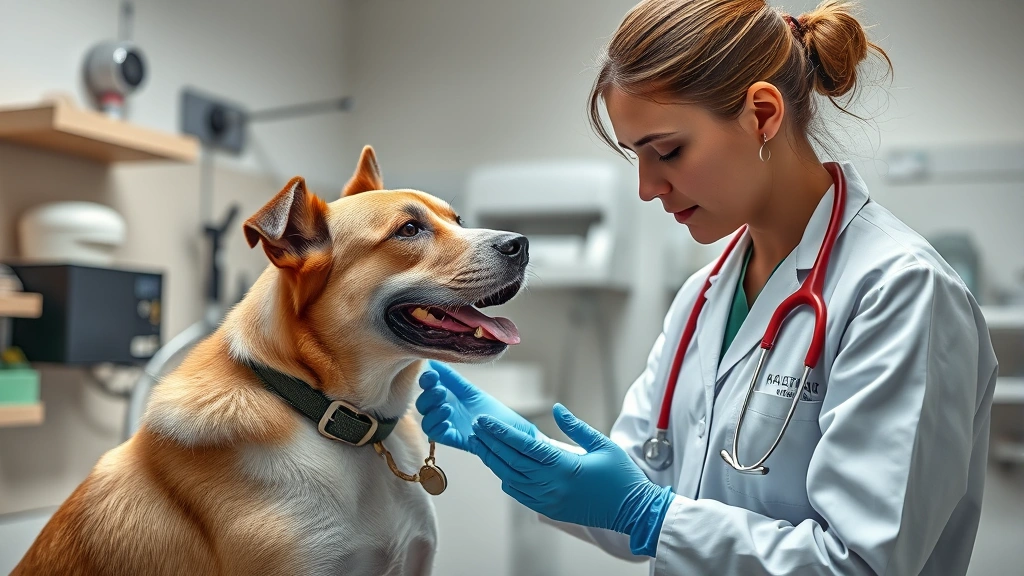
Stay calm. In most cases, they’ll separate naturally within 20-30 minutes. Never try to forcefully pull them apart, as this can cause serious injury. If they remain tied for over an hour or show signs of distress, contact your veterinarian immediately.
Does my female dog need to breed to be healthy?
No, this is a common myth. Dogs don’t need to breed for physical or mental health. In fact, spaying provides health benefits and eliminates risks associated with pregnancy and heat cycles.
Summary: Key Takeaways About Dog Knots
Understanding what a dog knot is essential for any dog owner, whether you’re breeding or simply want to be informed. The knot is a natural biological phenomenon involving the swelling of the bulbus glandis during mating, serving the crucial function of locking male and female together to maximize reproductive success. Ties typically last 15-20 minutes and are completely normal and painless when occurring naturally. For breeders, understanding the knot’s role helps ensure successful matings, while for pet owners, knowing about it informs decisions regarding spaying and neutering. Remember that responsible breeding requires extensive knowledge, health testing, and ethical commitment. If you have specific concerns about your dog’s reproductive health or breeding plans, always consult with a qualified veterinarian who can provide personalized guidance based on your dog’s individual circumstances.





