
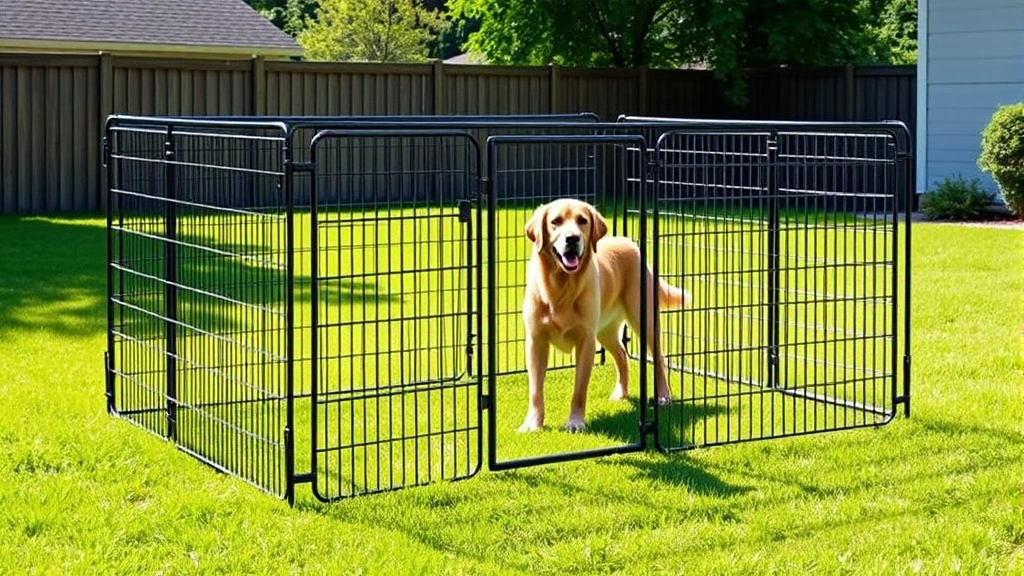
So, what is a dog run? Simply put, it’s a secure outdoor enclosure that gives your furry friend freedom to roam, play, and do their business without you having a heart attack about them bolting into the neighbor’s yard or getting tangled with a coyote. Think of it as a middle ground between a full backyard and a leash – your dog gets independence, you get peace of mind, and everyone’s happy (mostly).
Table of Contents
- Understanding the Basics: What Exactly Is a Dog Run?
- Types of Dog Runs: Finding Your Perfect Match
- Benefits of Using a Dog Run for Your Pup
- Choosing the Right Size for Your Dog
- Setting Up Your Dog Run: Location and Preparation
- Essential Accessories to Enhance Your Dog Run
- Safety Considerations and Best Practices
- Dog Run Maintenance and Longevity
- Alternatives to Traditional Dog Runs
- Training Your Dog to Love Their Run
- Frequently Asked Questions
- Final Thoughts: Making the Right Choice for Your Pet
Whether you’re a busy pet parent, live in an apartment, or just want to give your pup some supervised outdoor time, understanding dog runs is crucial. Let’s dive into everything you need to know about these handy contraptions.
Understanding the Basics: What Exactly Is a Dog Run?
A dog run is essentially a portable or permanent enclosed space designed to safely contain your dog outdoors. It’s different from a traditional fenced yard because it’s typically smaller, movable, and can be set up almost anywhere – your patio, backyard, or even a park. The enclosure usually consists of metal or plastic panels connected together to form a secure perimeter.
The primary purpose is to provide a controlled outdoor environment where your dog can enjoy fresh air, sunlight, and exercise while remaining safe from external dangers. This is especially valuable for owners of low maintenance dogs who still need outdoor stimulation without constant supervision.
Types of Dog Runs: Finding Your Perfect Match
Not all dog runs are created equal. There are several varieties to choose from depending on your needs, space, and budget.
Portable Metal Pens: These are the most common type. They’re lightweight, affordable, and can be assembled in minutes. You can move them around your yard or take them camping. They typically come in various sizes, from small enclosures for toy breeds to large runs for bigger dogs.
Plastic Enclosures: More durable than metal in some cases, plastic runs are weather-resistant and easier to clean. They’re heavier, though, so less portable.
Permanent Structures: Some owners install semi-permanent dog runs made from wood and wire. These are sturdier and look more aesthetically pleasing but require installation and can’t be moved easily.
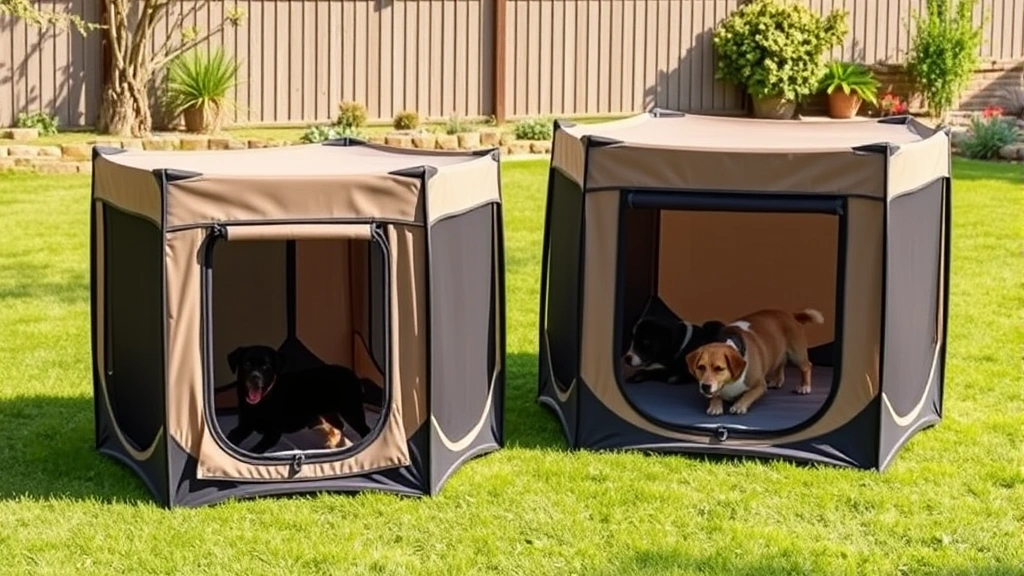
Pop-Up Runs: The newest innovation in dog containment, these collapse and expand like a tent. They’re ultra-portable and perfect for travel.
Benefits of Using a Dog Run for Your Pup
There are numerous advantages to incorporating a dog run into your pet care routine. For owners of lazy dog breeds, a dog run provides the perfect amount of outdoor exposure without requiring extensive exercise sessions.
Safety First: Your dog is protected from traffic, predators, and escape risks. You eliminate the stress of worrying whether your pup will slip through a gate or dig under a fence.
Convenience: You can let your dog outside without constant supervision. Grab your coffee, check emails, or simply relax while your dog enjoys the outdoors.
Training Aid: Dog runs are excellent for potty training puppies or managing dogs with anxiety issues. The confined space helps establish boundaries.
Exercise and Mental Stimulation: Even in a limited space, dogs get fresh air, can chase insects, smell interesting scents, and enjoy sunshine – all crucial for mental health.
Multi-Dog Management: If you have multiple dogs, a run keeps them contained together safely.
Choosing the Right Size for Your Dog
Size matters when selecting a dog run. Too small, and your pup will feel cramped and frustrated. Too large, and it becomes unwieldy and difficult to move.
For small breeds (under 15 lbs), a 4×4 or 4×8 foot enclosure is usually sufficient. Medium breeds (15-50 lbs) typically need 4×8 or 6×8 feet. Large breeds (50+ lbs) should have at least 6×8 or 8×10 feet to move around comfortably.
The general rule is: your dog should be able to stand, turn around, lie down, and take a few steps in any direction without feeling cramped. If they’re going to spend extended periods in the run, err on the side of larger.
Setting Up Your Dog Run: Location and Preparation
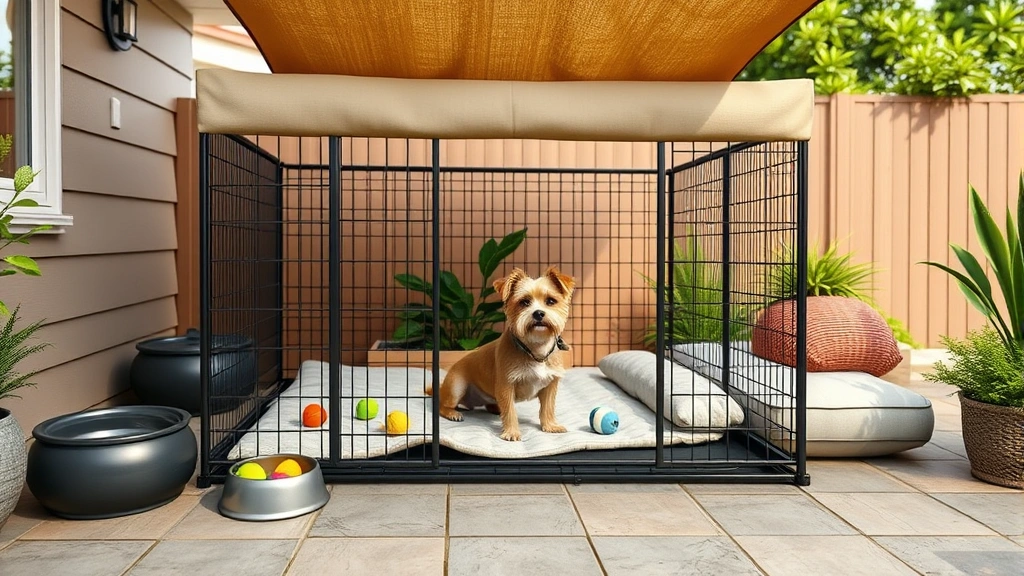
Where you place your dog run significantly impacts its effectiveness and your dog’s comfort. Choose a spot with partial shade – dogs can overheat quickly in direct sunlight, even in temperate climates. If shade isn’t naturally available, consider adding a canopy or tarp.
Ensure the ground is relatively level to prevent the panels from shifting or creating gaps. Remove any sharp objects, rocks, or debris that could injure your dog’s paws. Many owners add a layer of sand, mulch, or artificial turf inside the run for comfort and drainage.
Position the run away from your fence line if possible, as this prevents dogs from jumping between enclosures. Also, keep it visible from a window so you can monitor your pup.
Essential Accessories to Enhance Your Dog Run
To make your dog run more comfortable and functional, consider these additions:
Water and Food Bowls: Always provide fresh water. A spill-proof bowl prevents mess and keeps water clean longer.
Dog Bed: A comfortable Kuranda dog bed or memory foam dog bed gives your dog a cozy spot to rest, especially important for older dogs or those with joint issues.
Shade Solutions: A canopy, umbrella, or shade cloth is essential for sunny climates. Some runs come with built-in covers.
Toys and Enrichment: Add puzzle toys, balls, or chew toys to keep your dog mentally stimulated and prevent boredom.
Safety Considerations and Best Practices
While dog runs are generally safe, following best practices ensures optimal security and comfort for your pet.
Regular Inspections: Check panels regularly for rust, damage, or sharp edges. Metal runs can develop rust spots that need attention.
Secure Latches: Ensure all doors and gates lock securely. Some determined escape artists can figure out simple latches.
Never Leave Unsupervised for Extended Periods: While dog runs provide safety, dogs shouldn’t spend entire days confined. Aim for 2-4 hours maximum, depending on age and temperament.
Weather Monitoring: Don’t leave your dog in a run during extreme heat, cold, or storms. Bring them inside when temperatures exceed safe ranges.
Check for Escape Routes: Regularly inspect for gaps where a determined dog might squeeze through or dig under.
Dog Run Maintenance and Longevity
Proper maintenance extends your dog run’s lifespan and keeps it safe for your pet.
Cleaning: Rinse the run weekly with a hose to remove dirt, urine, and debris. For plastic runs, use mild soap and water. Metal runs benefit from occasional rust treatment.
Rust Prevention: If you have a metal run, apply rust-preventative spray annually. Store covers or tarps to protect from harsh weather when not in use.
Structural Checks: Periodically examine welds, joints, and connections for damage. Tighten any loose bolts or fasteners.
Ground Care: Rake out bedding regularly and replace it when it becomes soiled or compressed. This prevents bacterial growth and keeps the space hygienic.
Alternatives to Traditional Dog Runs
If a dog run doesn’t fit your lifestyle, several alternatives exist. A fully fenced yard is ideal but expensive. Tie-out cables and chains provide freedom but lack the security of an enclosure. Doggy daycares offer socialization and exercise. Dog walkers can provide midday outdoor time. Some pet parents use a combination of these solutions.
However, for most pet owners, especially those in apartments or with limited yard space, a dog run offers the best balance of safety, convenience, and affordability.
Training Your Dog to Love Their Run
Some dogs take to runs immediately; others need encouragement. Make the space positive by introducing it gradually. Start with short periods and reward your dog with treats and praise while they’re inside. Never use the run as punishment, or your dog will develop negative associations.
Place their favorite toys inside and spend time with them in the run initially. Most dogs quickly realize it’s a place of freedom and fun, not confinement.
Frequently Asked Questions
How long can a dog stay in a dog run?
Most experts recommend limiting time in a dog run to 2-4 hours for adult dogs, depending on age, breed, and temperament. Puppies and senior dogs may need shorter periods. Dogs shouldn’t spend entire days confined, as they need regular interaction and exercise.
Are dog runs suitable for all dog breeds?
Dog runs work for most breeds, but some considerations apply. Small breeds adapt easily, while large, high-energy dogs may feel constrained. Escape artists might challenge the enclosure’s security. Always choose an appropriately sized run for your dog’s breed and size.
Can I leave my dog in a run overnight?
No, overnight confinement in a dog run isn’t recommended. Dogs need access to shelter, climate control, and bathroom breaks. Use a dog run for daytime outdoor time only. For overnight containment, use a crate indoors or a secure room.
What’s the difference between a dog run and a dog pen?
Terms are often used interchangeably, but technically, a dog run is typically larger and designed for outdoor use, while a pen might refer to smaller indoor enclosures. Both serve containment purposes, but runs emphasize outdoor freedom.
How do I prevent my dog from jumping out of a run?
Choose a run with appropriate height for your dog’s jumping ability. For high jumpers, select runs at least 4-5 feet tall. Additionally, a secure top or roof prevents escape for determined climbers. Training and providing adequate stimulation also reduce escape attempts.
Are dog runs weatherproof?
Most metal and plastic runs are weather-resistant but not completely weatherproof. Adding a canopy or tarp provides better protection from rain and excessive sun. Always monitor weather conditions and bring your dog inside during severe weather.
Final Thoughts: Making the Right Choice for Your Pet
A dog run is a practical, affordable solution for pet owners seeking a safe outdoor space for their dogs. Whether you live in an apartment, have a small yard, or simply want a convenient way to give your pup outdoor time, a dog run delivers on its promise of safety and freedom.
By understanding the different types available, choosing the right size, and following best practices for setup and maintenance, you’ll provide your dog with a space they’ll love. Remember that while dog runs offer security and convenience, they’re meant to supplement, not replace, regular exercise, training, and quality time with your furry friend.
The investment in a quality dog run pays dividends in peace of mind and your dog’s happiness. Your pup gets the outdoor stimulation they crave, and you get the reassurance that they’re safe while doing it. That’s a win-win in any pet parent’s book.





