
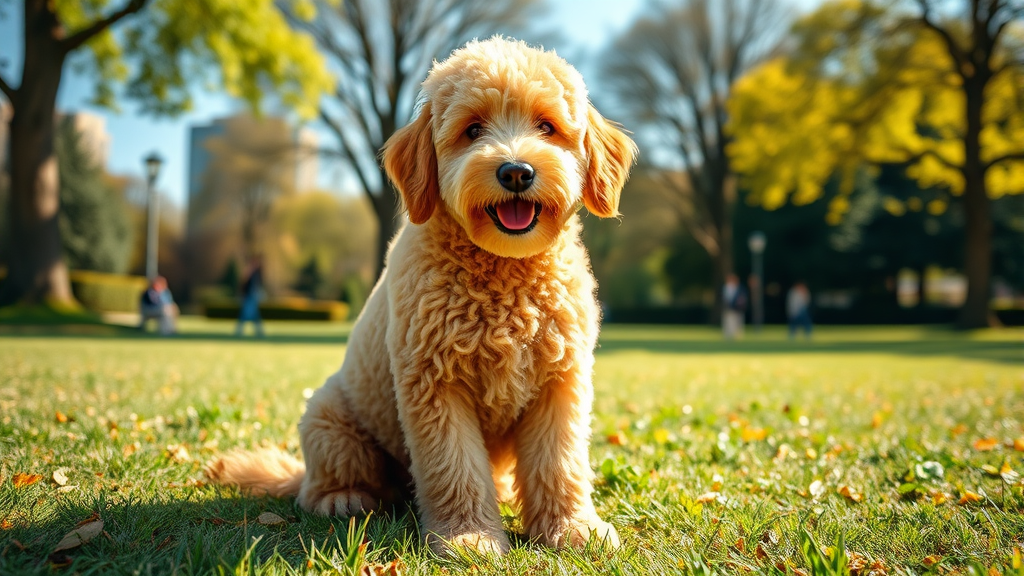
Doodle dogs have taken the canine world by storm, capturing hearts with their adorable appearance and winning personalities. But what exactly is a doodle dog? Simply put, a doodle is a crossbreed between a Poodle and another purebred dog, creating unique hybrid companions that combine the best traits of both parent breeds. These designer dogs have become increasingly popular due to their intelligence, hypoallergenic coats, and adaptable nature.
The appeal of doodle dogs extends far beyond their cute, teddy bear-like appearance. These crossbreeds often inherit the Poodle’s intelligence and low-shedding coat, while gaining the temperament and characteristics of their other parent breed. From the energetic Goldendoodle to the compact Yorkipoo, there’s a doodle variety to suit almost every lifestyle and living situation. Understanding what makes these dogs special can help you determine if a doodle might be the perfect addition to your family.
What Is a Doodle Dog?
A doodle dog is a deliberate crossbreed between a Poodle (Standard, Miniature, or Toy) and another purebred dog. This breeding practice began in the 1980s when Australian breeder Wally Conron crossed a Labrador Retriever with a Standard Poodle to create the first Labradoodle. The goal was to produce a guide dog with the Poodle’s hypoallergenic coat and the Labrador’s gentle temperament and trainability.
The term “doodle” comes from the Poodle portion of these crosses, and it has become a catch-all name for any Poodle hybrid. These dogs are also known as “Poo” crosses (like Shih-Poo or Saint Berdoodle) or designer dogs. The American Kennel Club doesn’t recognize doodles as official breeds since they’re crossbreeds, but many organizations dedicated to specific doodle types have emerged.
What makes doodle dogs particularly appealing is the concept of “hybrid vigor” – the idea that crossbreeds may be healthier than their purebred parents due to increased genetic diversity. While this isn’t guaranteed, many doodle owners report fewer breed-specific health issues compared to purebred dogs. The unpredictable nature of genetics means that doodle puppies can inherit any combination of traits from both parents, making each dog unique.

Popular Types of Doodle Dogs
The world of doodle dogs is incredibly diverse, with new crosses being developed regularly. Here are some of the most popular doodle varieties:
Large Doodles
- Goldendoodle: Golden Retriever + Poodle cross, known for their friendly nature and beautiful coats
- Labradoodle: Labrador Retriever + Poodle, the original doodle breed
- Bernedoodle: Bernese Mountain Dog + Poodle, gentle giants with striking tri-colored coats
- Saint Berdoodle: Saint Bernard + Poodle, massive but gentle companions
- Newfypoo: Newfoundland + Poodle, excellent swimmers with calm temperaments
Medium Doodles
- Aussiedoodle: Australian Shepherd + Poodle, energetic and intelligent
- Schnoodle: Schnauzer + Poodle, alert and loyal companions
- Shepadoodle: German Shepherd + Poodle, protective and trainable
- Bordoodle: Border Collie + Poodle, highly intelligent and active
Small Doodles
- Yorkipoo: Yorkshire Terrier + Poodle, tiny but spirited
- Shih-Poo: Shih Tzu + Poodle, affectionate lap dogs
- Maltipoo: Maltese + Poodle, gentle and hypoallergenic
- Cockapoo: Cocker Spaniel + Poodle, one of the earliest doodle crosses
Each type brings unique characteristics from both parent breeds, creating dogs with varied sizes, temperaments, and care requirements. The American Veterinary Medical Association recommends researching both parent breeds thoroughly before choosing a doodle to understand potential traits and needs.
Key Characteristics of Doodles
While doodle dogs vary significantly depending on their parentage, they share several common characteristics that make them appealing family pets. Understanding these traits can help you determine if a doodle aligns with your lifestyle and expectations.
Coat Types and Grooming
Most doodles inherit some version of the Poodle’s distinctive coat, which comes in three main types: straight, wavy, or curly. The curlier the coat, the more hypoallergenic it tends to be, as it traps dander and reduces shedding. However, this also means more intensive grooming requirements. Professional grooming every 6-8 weeks is typically necessary to prevent matting and maintain coat health. Regular brushing at home is essential, especially for dogs with wavy or curly coats.
Intelligence and Trainability
Poodles are among the most intelligent dog breeds, ranking second in Stanley Coren’s “The Intelligence of Dogs.” This intelligence typically passes to doodle offspring, making them highly trainable and eager to please. Most doodles excel in obedience training, agility, and even therapy work. Their problem-solving abilities can be both a blessing and a challenge – they need mental stimulation to prevent boredom and destructive behaviors. Learning how to stop dogs from digging can be particularly important for intelligent breeds that need mental outlets.
Temperament and Social Nature
Most doodles inherit friendly, social temperaments from both parent breeds. They typically get along well with children, other pets, and strangers, making them excellent family dogs. However, early socialization is crucial to ensure they develop into well-rounded adults. The specific temperament can vary based on the non-Poodle parent breed – for example, Shepadoodles may be more protective, while Goldendoodles tend to be universally friendly.

Care Requirements and Daily Needs
Caring for a doodle dog involves understanding their unique needs, which combine aspects of both parent breeds. Proper nutrition, exercise, and healthcare are essential for maintaining their health and happiness.
Nutritional Needs
Doodles require high-quality dog food appropriate for their size, age, and activity level. The amount varies significantly between a tiny Yorkipoo and a massive Saint Berdoodle. Understanding how much food should i feed my dog is crucial for maintaining proper weight and health. Many doodle owners find success with premium kibble, though some opt for raw or homemade diets. When preparing fresh food, knowing how to boil chicken for dogs can provide a healthy protein source.
Exercise Requirements
Exercise needs vary dramatically among doodle types. High-energy crosses like Aussiedoodles may need 2+ hours of vigorous activity daily, while smaller, calmer varieties like Shih-Poos might be satisfied with shorter walks and indoor play. Most doodles benefit from a combination of physical exercise and mental stimulation. Activities like puzzle toys, training sessions, and interactive games help keep their intelligent minds engaged.
Health Monitoring
Regular veterinary care is essential for all doodles. Staying current with vaccinations is crucial – understanding what shots do dogs need helps ensure your doodle stays protected against common diseases. Regular ear cleaning is particularly important for doodles with floppy ears, as they’re prone to ear infections. Learning how to clean dogs ears properly can prevent many health issues.
Dental Care
Dental health is often overlooked but crucial for doodles, especially smaller varieties prone to dental issues. Regular brushing, dental chews, and professional cleanings help maintain oral health. Many owners wonder are greenies good for dogs – these popular dental treats can be part of a comprehensive dental care routine when used appropriately.
Training and Socialization
Training a doodle dog is generally a rewarding experience due to their intelligence and eagerness to please. However, their smart nature means they need consistent, positive training methods and plenty of mental stimulation.
Early Training Essentials
Start training your doodle as early as possible, ideally during the critical socialization period (3-14 weeks). Basic commands like sit, stay, come, and down form the foundation of good behavior. House training typically progresses quickly with doodles, though consistency is key. Crate training can be particularly helpful, providing a safe space and aiding in house training efforts.
Equipment and Tools
Proper equipment makes training easier and safer. A well-fitted harness is often preferable to a collar, especially for doodles that pull. Understanding how to put a harness on a dog correctly ensures comfort and safety during walks and training sessions. Choose training tools that match your doodle’s size and energy level.
Socialization Strategies
Proper socialization helps doodles develop into confident, well-adjusted adults. Expose your puppy to various people, animals, environments, sounds, and experiences in a positive, controlled manner. Puppy classes, dog parks (after full vaccination), and supervised playdates all contribute to healthy social development. The ASPCA provides excellent resources on proper socialization techniques.
Addressing Common Behavioral Issues
Intelligent dogs like doodles can develop behavioral problems if their mental and physical needs aren’t met. Common issues include excessive barking, jumping on people, and destructive chewing. Positive reinforcement training methods work best with doodles, as they respond well to praise and treats. Consistency among all family members is crucial for success.
Health Considerations
While doodles may benefit from hybrid vigor, they can still inherit health issues from both parent breeds. Understanding potential health concerns helps owners make informed decisions and provide appropriate care.
Common Health Issues
Hip and elbow dysplasia are concerns in larger doodles, inherited from breeds like Golden Retrievers and German Shepherds. Eye problems, including progressive retinal atrophy and cataracts, can affect many doodle varieties. Smaller doodles may face issues like luxating patella (kneecap dislocation) and tracheal collapse. The National Institutes of Health continues researching canine genetics to better understand inherited diseases.
Preventive Care
Regular veterinary check-ups help catch potential issues early. Annual or bi-annual wellness exams should include bloodwork, especially as dogs age. Dental care, parasite prevention, and maintaining appropriate weight all contribute to overall health. Genetic testing of parent dogs can provide insight into potential inherited conditions.
Nutrition and Health
Quality nutrition plays a crucial role in doodle health. Some owners prefer premium commercial foods, while others explore options like raw or homemade diets. Researching whether is purina one a good dog food or exploring other quality options helps ensure proper nutrition. Omega-3 fatty acids can support coat health and reduce inflammation, particularly beneficial for doodles prone to skin allergies.
Choosing the Right Doodle for You
Selecting the perfect doodle involves carefully considering your lifestyle, living situation, and preferences. With so many varieties available, there’s likely a doodle that fits your needs, but thorough research is essential.
Size Considerations
Doodle sizes range from tiny Yorkipoos under 10 pounds to giant Saint Berdoodles over 100 pounds. Consider your living space, activity level, and physical ability to handle your chosen size. Larger doodles need more space and exercise but are often calmer indoors. Smaller doodles can be more portable but may be more energetic and vocal.
Activity Level Matching
Match your doodle’s energy level to your lifestyle. Active individuals might enjoy high-energy varieties like Aussiedoodles or Bordoodles, while those preferring calmer companions might choose Bernedoodles or Saint Berdoodles. Consider not just current activity levels but how they might change over your dog’s 12-15 year lifespan.
Grooming Commitment
All doodles require regular grooming, but the intensity varies. Curlier coats need daily brushing and professional grooming every 6-8 weeks. Straighter coats may need less frequent professional care but still require regular brushing. Factor grooming costs into your budget – professional grooming can cost $50-150+ per session depending on size and coat type.
Finding Reputable Breeders
Choose breeders who health test parent dogs, provide health certificates, and allow you to meet at least one parent. Avoid puppy mills and pet stores. Reputable breeders ask questions about your lifestyle and may have waiting lists. The Humane Society offers guidance on identifying responsible breeders.
Frequently Asked Questions
Are all doodle dogs hypoallergenic?
No, not all doodles are hypoallergenic. While many inherit the Poodle’s low-shedding coat, there’s no guarantee. First-generation crosses (F1) are less predictable, while multi-generational doodles bred back to Poodles (F1B) are more likely to have hypoallergenic coats. No dog is 100% hypoallergenic, as allergies can be triggered by dander, saliva, or urine proteins.
How big will my doodle puppy get?
Adult size depends on the Poodle size used (Toy, Miniature, or Standard) and the other parent breed. First-generation crosses can vary widely within the same litter. Reputable breeders can provide size estimates based on parent weights, but there’s always some uncertainty. Most doodles reach full size by 12-18 months, with larger varieties taking longer to mature.
Do doodles need professional grooming?
Yes, most doodles require professional grooming every 6-8 weeks to prevent matting and maintain coat health. The frequency depends on coat type and length preference. Daily brushing at home is essential between professional appointments. Budget for grooming costs, which can range from $50-150+ per session depending on size and coat complexity.
Are doodles good with children?
Most doodle varieties are excellent with children due to their friendly, gentle nature inherited from both parent breeds. However, proper socialization and training are essential. Larger doodles might accidentally knock over small children during play, while smaller varieties might be overwhelmed by young children. Always supervise interactions between dogs and young children regardless of breed.
How much exercise do doodles need?
Exercise needs vary dramatically among doodle types. High-energy crosses like Aussiedoodles may need 2+ hours daily, while calmer varieties like Shih-Poos might be satisfied with 30-60 minutes. Most doodles benefit from both physical exercise and mental stimulation. Consider the non-Poodle parent breed’s exercise requirements when estimating needs.
Can doodles be left alone during the day?
Most adult doodles can handle 6-8 hours alone with proper preparation, but they’re social dogs that prefer company. Puppies need more frequent attention and bathroom breaks. Provide mental stimulation through puzzle toys, treat-dispensing toys, and interactive games. Some doodles may develop separation anxiety if left alone too frequently or for extended periods.
What health problems are common in doodles?
Doodles can inherit health issues from both parent breeds, including hip dysplasia, eye problems, and various genetic conditions. However, crossbreeds may benefit from hybrid vigor and have fewer breed-specific issues than purebreds. Choose breeders who health test parent dogs and provide health certificates. Regular veterinary care and genetic testing can help identify and manage potential health concerns early.





