
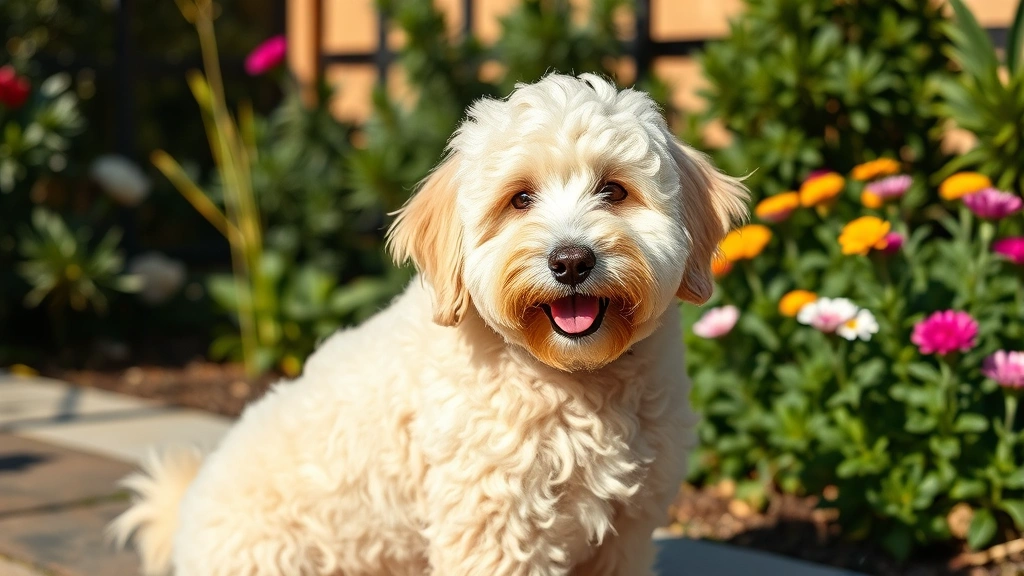
So you’ve heard the term “what is a double doodle dog” thrown around at the dog park, and you’re wondering if it’s some kind of fancy sketch or an actual breed? Well, buckle up, because we’re about to dive into one of the most adorable and confusing designer dog trends that’s taken the canine world by storm. A Double Doodle is essentially a Doodle of a Doodle—think of it as the remix of a remix, but way fluffier and significantly more prone to stealing your socks.
Table of Contents
- Understanding the Double Doodle Basics
- The Poodle Connection: Why Doodles Love Poodles
- Appearance: What Does a Double Doodle Actually Look Like?
- Temperament and Personality Traits
- Health Considerations for Double Doodle Owners
- Grooming Requirements: Prepare Your Schedule
- Training and Socialization Needs
- Exercise and Activity Requirements
- Cost and Where to Find a Reputable Breeder
- Double Doodles vs. Other Doodle Breeds
- Is a Double Doodle Right for You?
- Frequently Asked Questions
- Summary: The Double Doodle Verdict
Understanding the Double Doodle Basics
A Double Doodle dog is a crossbreed that combines two already-mixed breeds, typically involving Poodle genetics on both sides of the family tree. The most common Double Doodle is a cross between a Goldendoodle (Golden Retriever + Poodle) and a Labradoodle (Labrador + Poodle). This creates a delightful genetic cocktail that’s part retriever, part Poodle, and 100% adorable chaos. Some breeders also create Double Doodles by crossing two different Doodle breeds, like a Goldendoodle with a Cockapoo, which opens up even more possibilities for temperament and appearance.
The Poodle Connection: Why Doodles Love Poodles
The Poodle is basically the celebrity parent in the Doodle world. Poodles are intelligent, hypoallergenic (or at least, low-shedding), and trainable—basically the perfect genetic contribution to any designer breed. When you have a Double Doodle, you’re getting an extra dose of Poodle genetics, which means you’re more likely to get that coveted low-shedding coat and sharp intelligence. However, this also means Double Doodles can inherit the Poodle’s need for mental stimulation and regular grooming. We’re talking serious coat maintenance here—these dogs aren’t going to maintain themselves.
Appearance: What Does a Double Doodle Actually Look Like?
Here’s where things get interesting (and unpredictable). Double Doodles can look wildly different from one another, even within the same litter. You might get a teddy bear-faced pup with a wavy coat, or a longer-snouted dog with curly hair that makes them look like they just walked out of a 1970s disco. Most Double Doodles weigh between 30 to 70 pounds, though this varies depending on which parent breeds were involved. Their coats typically range from wavy to curly and come in colors like cream, chocolate, apricot, red, and parti-color (multiple colors mixed together). The unpredictability is part of the charm—you’re basically getting a genetic lottery ticket with paws.
Temperament and Personality Traits
Double Doodles are known for being friendly, intelligent, and energetic dogs that thrive on human interaction. They inherit the retriever’s love of people and the Poodle’s quick wit, creating a dog that’s both social and clever. These pups are typically excellent family dogs because they’re patient with kids and generally get along well with other pets. However, they can also be stubborn—that Poodle intelligence sometimes comes with a “I know what I want to do, and it’s not what you want me to do” attitude. They’re not the best choice if you’re looking for a couch potato; these dogs need regular exercise and mental enrichment to stay happy and well-behaved.
Health Considerations for Double Doodle Owners
One of the selling points of Double Doodles is “hybrid vigor,” the theory that mixed breeds are healthier than purebreds because they have more genetic diversity. While this can be true, it’s not a guarantee. Double Doodles can still inherit health issues from their parent breeds, including hip dysplasia, elbow dysplasia, progressive retinal atrophy (PRA), and ear infections (thanks to those floppy ears). The best way to minimize health risks is to buy from a reputable breeder who conducts health screenings on parent dogs. According to the American Kennel Club, responsible breeding practices are essential for designer breeds.
Grooming Requirements: Prepare Your Schedule
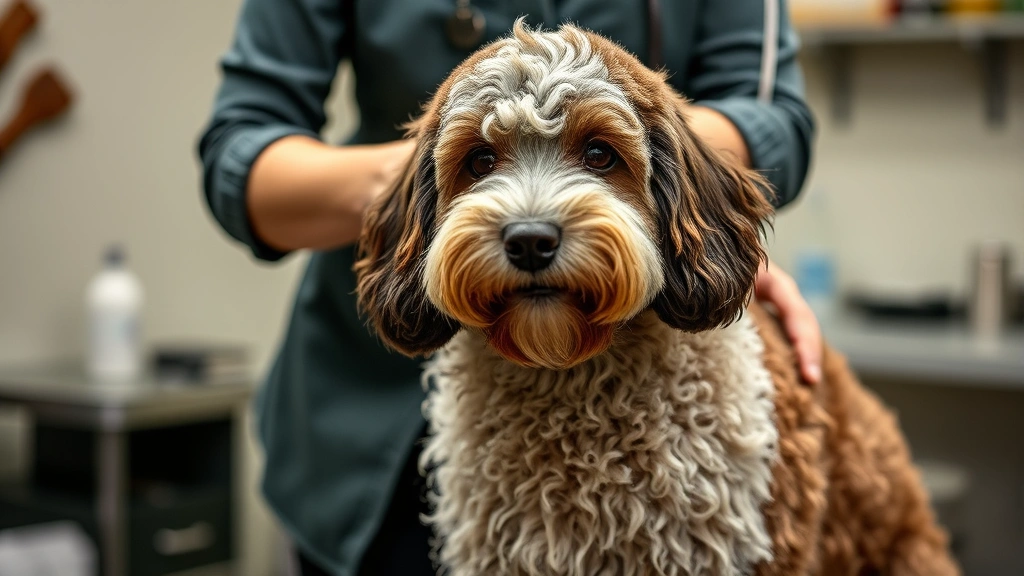
Let’s be real: Double Doodles are high-maintenance when it comes to grooming. Their coats require brushing 3-4 times per week to prevent matting and tangling, plus professional grooming every 6-8 weeks. If you’re not prepared to commit to this level of coat care, a Double Doodle might not be the right dog for you. Some owners opt for a shorter “puppy cut” to make maintenance easier, but even that requires regular upkeep. The grooming commitment is honestly one of the biggest considerations before bringing one of these fluffy friends home. If you’re looking for something with lower maintenance needs, check out our guide on low maintenance dogs.
Training and Socialization Needs
Double Doodles are smart cookies, which is both a blessing and a curse. They’re relatively easy to train because they’re motivated and eager to please, but they also need consistent, positive reinforcement training from day one. Early socialization is crucial to prevent behavioral issues and ensure they grow into well-adjusted adults. These dogs respond better to reward-based training than harsh corrections—they’re sensitive souls underneath all that fluff. Many Double Doodle owners find that enrolling in puppy kindergarten and continuing with obedience classes helps channel their intelligence and energy productively.
Exercise and Activity Requirements
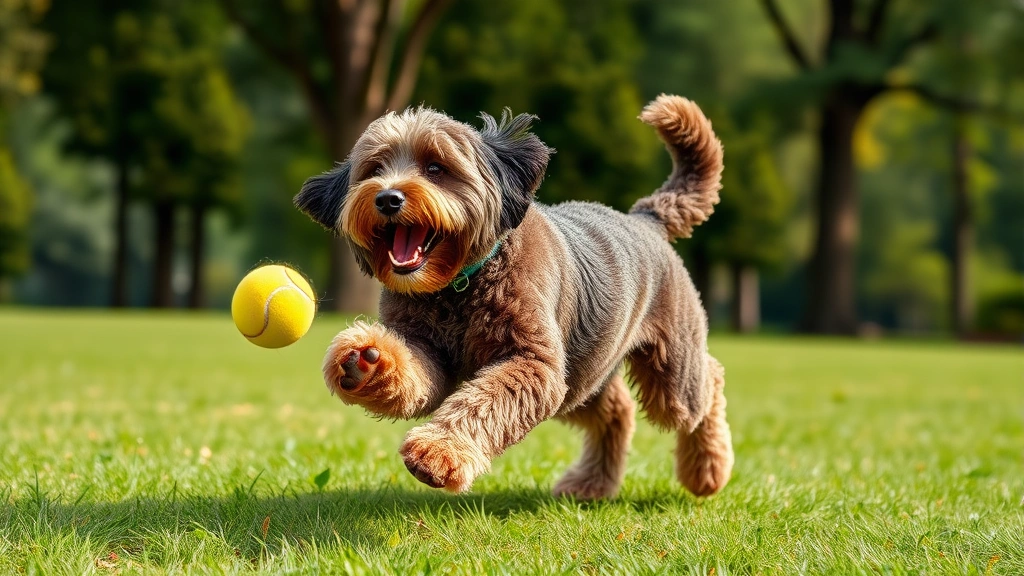
Don’t let their cute appearance fool you—Double Doodles are active dogs that need at least 60 minutes of exercise daily. This can include walks, fetch, swimming, or playing in the yard. They also benefit from puzzle toys, scent work, and other mental enrichment activities. A bored Double Doodle is a destructive Double Doodle, capable of turning your couch into confetti or your shoes into chew toys. If you live in an apartment, you’ll need to be extra committed to daily exercise and mental stimulation. Think of them as the energetic friend who always wants to do something—you need to keep up with their enthusiasm.
Cost and Where to Find a Reputable Breeder
Double Doodles don’t come cheap. Expect to pay anywhere from $2,000 to $4,000 for a puppy from a reputable breeder, and sometimes even more depending on the breeder’s reputation and location. This high price tag is why it’s crucial to find a responsible breeder who conducts health testing, provides health guarantees, and is transparent about their breeding practices. Avoid backyard breeders or puppy mills—the money you save upfront will pale in comparison to potential veterinary bills and behavioral issues down the road. Always ask for references, health clearances for parent dogs, and visit the breeder’s facility if possible. PetMD provides excellent resources for finding reputable breeders.
Double Doodles vs. Other Doodle Breeds
You might be wondering how Double Doodles compare to Goldendoodles, Labradoodles, or other hybrid dogs. The main difference is that Double Doodles have a higher concentration of Poodle genetics, which typically means a lower-shedding coat and potentially higher intelligence (and stubbornness). Goldendoodles tend to be slightly more laid-back, while Labradoodles are often more energetic. If you’re comparing mixed breeds like a Labrador German Shepherd mix, Double Doodles generally have better temperaments for family settings due to their retriever and Poodle heritage. The choice ultimately depends on your lifestyle, living situation, and what traits matter most to you.
Is a Double Doodle Right for You?
Before committing to a Double Doodle, honestly assess whether you can meet their needs. Do you have time for regular grooming? Can you provide 60+ minutes of daily exercise? Are you prepared for a dog that might have a stubborn streak? Can you afford potential veterinary costs and quality food? If you answered yes to these questions, a Double Doodle could be an amazing addition to your family. They’re loving, intelligent, and genuinely funny dogs that bring joy and entertainment to their households. However, if any of these requirements seem overwhelming, it might be worth exploring other breeds that better fit your lifestyle.
Frequently Asked Questions
Are Double Doodles hypoallergenic?
Double Doodles are considered hypoallergenic or low-shedding, but they’re not completely hypoallergenic. Since they have Poodle genetics, they shed minimally compared to many other breeds. However, no dog is truly hypoallergenic, and individual reactions vary. If you have severe allergies, spend time with a Double Doodle before committing to one.
How long do Double Doodles live?
Double Doodles typically live 12-15 years, which is a fairly standard lifespan for medium-to-large dogs. Their longevity depends on genetics, health care, diet, and lifestyle factors.
Do Double Doodles bark a lot?
Double Doodles are moderate barkers. They may bark to alert you or when excited, but they’re not typically excessive barkers. Proper training and socialization can help manage barking behavior.
Can Double Doodles be left alone?
Double Doodles are social dogs that don’t enjoy being left alone for extended periods. They can develop separation anxiety if not properly trained. Ideally, they shouldn’t be left alone for more than 4-6 hours at a time.
What’s the difference between a Double Doodle and a Goldendoodle?
A Goldendoodle is a Golden Retriever and Poodle mix, while a Double Doodle typically combines two Doodle breeds (usually Goldendoodle and Labradoodle). Double Doodles have more Poodle genetics overall, which can affect coat type and temperament.
Summary: The Double Doodle Verdict
A Double Doodle dog is an exciting, loving, and intelligent companion that brings energy and joy to the right household. They’re the result of combining two already-mixed breeds, typically creating a dog with strong Poodle genetics and retriever temperament. While they require significant grooming, exercise, and mental stimulation, they reward dedicated owners with loyalty, affection, and plenty of entertaining moments. If you’re prepared for the commitment and have the lifestyle to support their needs, a Double Doodle could be your perfect furry match. Just remember: these aren’t low-maintenance dogs, but they are absolutely worth the effort for families ready to embrace the Doodle lifestyle.





