

What Is a GSP Dog? Complete Breed Overview & Traits
If you’ve ever wondered “what is a GSP dog?” you’re about to discover one of the most dynamic and athletically gifted canine companions in the sporting world. The German Shorthaired Pointer, affectionately known as a GSP, is a breed that embodies elegance, intelligence, and boundless energy. These magnificent dogs have captured the hearts of hunters, families, and dog enthusiasts worldwide, and for good reason.
Whether you’re considering adding a GSP to your family or simply curious about this remarkable breed, understanding their unique characteristics, temperament, and needs is essential. GSPs aren’t your average lap dogs—they’re purpose-built athletes with brains to match their brawn. Let’s dive deep into what makes these pointers so special and why they’ve remained popular since their development in 19th-century Germany.
In this comprehensive guide, we’ll explore everything from their distinctive physical traits to their training requirements, health considerations, and whether they might be the perfect match for your lifestyle. By the end, you’ll have a thorough understanding of what makes GSPs tick and whether this breed aligns with your expectations of canine companionship.
Breed History & Origins
The German Shorthaired Pointer has a storied past rooted in European hunting tradition. Developed in Germany during the 19th century, breeders sought to create the ultimate hunting companion—a dog that could excel both on land and in water. They achieved this by crossing English Pointers with German hunting dogs, particularly the Spanish Pointer, to develop a breed with superior hunting instincts and remarkable versatility.
The breed was officially recognized in Germany in 1872, and by the early 20th century, GSPs had gained international recognition. Their popularity soared as hunters recognized their exceptional ability to locate, point at, and retrieve game across varied terrain. The breed standard was refined over decades, establishing the balanced, athletic dog we know today. The American Kennel Club officially recognized the GSP in 1930, and they’ve remained consistently ranked among the most popular sporting breeds in America.
What’s fascinating is how German breeders prioritized function over appearance, creating a dog whose physical structure directly supports its hunting capabilities. Every muscle, every instinct, and every behavioral trait was intentionally developed for purpose. This heritage explains why GSPs possess such distinctive characteristics compared to other pointer breeds.
Physical Characteristics & Appearance
At first glance, a German Shorthaired Pointer commands attention with their athletic build and striking appearance. These medium to large-sized dogs typically stand between 22 to 26 inches tall at the shoulder and weigh between 45 to 70 pounds, though individual dogs may vary. Their physique is a perfect blend of power and elegance—muscular yet refined, built for sustained activity rather than explosive bursts.
The breed’s most distinctive feature is their short, dense coat that comes in liver and white or solid liver coloring. Some GSPs display a beautiful ticking pattern (small flecks of color) on their white areas, which adds to their visual appeal. Their coat serves a practical purpose: it’s water-resistant and easy to maintain, perfect for dogs that might spend hours in wetland environments. Their slightly domed skull, long muzzle, and intelligent eyes give them an alert, focused expression that mirrors their keen hunting mind.
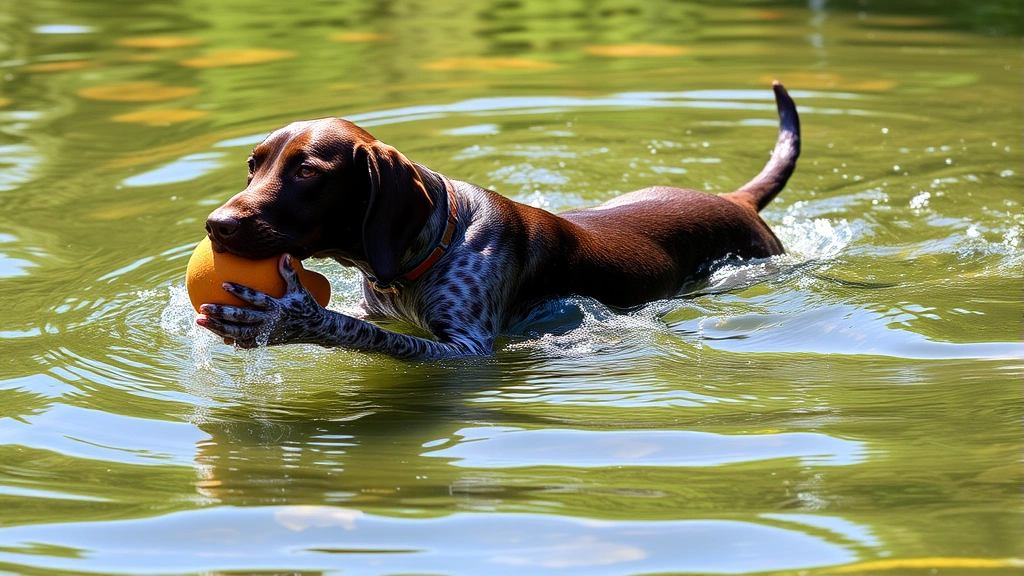
GSPs possess several physical traits that directly reflect their sporting heritage. Their long, floppy ears help trap scent particles, enhancing their already impressive olfactory abilities. Their tail, often docked to half its natural length (though this practice is becoming less common), provides balance during running and serves as an excellent indicator of their emotional state. Their webbed feet, though subtle, assist in water navigation—a reminder that these dogs were designed as versatile hunters capable of working across multiple environments.
One characteristic that distinguishes GSPs from similar breeds like English Pointers is their more substantial bone structure and muscular development. They’re not delicate or refined; they’re built like the working athletes they are. Their chest is deep and well-developed, their legs are straight and powerful, and their overall frame suggests speed, endurance, and agility—all qualities essential for a hunting dog.
Temperament & Personality Traits
If you’re considering whether a GSP might be right for you, understanding their temperament is absolutely crucial. These dogs are renowned for their intelligence, eagerness to please, and seemingly boundless enthusiasm. GSPs are people-oriented dogs that thrive on human interaction and inclusion in family activities. They’re not content to be left alone for extended periods; they want to be part of the action, whether that’s a hunting expedition or a family game night.
The breed’s intelligence is exceptional. GSPs are quick learners who respond enthusiastically to positive reinforcement training. They genuinely seem to enjoy working with their owners and take pride in mastering new commands and skills. However, this intelligence comes with a caveat: a bored GSP is a destructive GSP. Without adequate mental stimulation and physical activity, these dogs may develop behavioral problems including destructive chewing, excessive barking, and even anxiety-related issues.
GSPs are naturally affectionate and form strong bonds with their families. They’re generally friendly toward strangers, though they maintain a healthy watchfulness. This makes them poor guard dogs but excellent companions. They tend to get along well with other dogs and can coexist peacefully with cats if properly socialized from puppyhood. Their prey drive, while strong, can be managed through appropriate training and socialization.

One personality trait that surprises many first-time GSP owners is their sensitivity. These dogs are highly attuned to their owner’s emotions and respond negatively to harsh corrections or tension in the household. They thrive in environments where positive reinforcement is the primary training method. This emotional intelligence makes them wonderful family companions but also means they require patient, consistent handling from people who understand their sensitive nature.
If you’re wondering whether a GSP might be right for your home, consider that they’re similar to how different dog breeds compare in terms of energy and engagement. Unlike smaller breeds that might be content with minimal activity, GSPs demand active participation in their owner’s lives. They’re not aggressive or dangerous; they’re simply high-engagement dogs that need owners willing to match their enthusiasm.
Exercise & Activity Needs
Let’s be absolutely clear: German Shorthaired Pointers are not apartment dogs, nor are they suitable for sedentary owners. These are elite athletes that require substantial daily exercise—typically 60 to 90 minutes of vigorous activity daily. This isn’t a casual walk around the block; this is sustained, meaningful exercise that challenges both their bodies and minds.
The ideal exercise for a GSP includes activities that engage their hunting instincts: running, swimming, retrieving, and exploring varied terrain. Many GSP owners participate in field trials, dock diving competitions, agility courses, or simply take their dogs on extended hiking adventures. These activities satisfy the breed’s physical requirements while providing the mental stimulation they desperately crave. A GSP that receives adequate exercise is typically a well-behaved, content dog. A GSP that doesn’t? Well, expect destructive behavior, excessive barking, and potential aggression born from frustration.
Swimming is particularly beneficial for GSPs, as their water-resistant coat and webbed feet make them natural swimmers. Many GSP owners find that regular swimming sessions provide excellent full-body exercise while being gentler on joints than sustained running on hard surfaces. Retrieving games in water or on land tap directly into the breed’s hardwired hunting behaviors, providing both physical and psychological satisfaction.
It’s important to note that exercise requirements vary with age. Puppies and young dogs (under 18 months) should not engage in excessive jumping or long-distance running, as their growth plates are still developing. High-impact activities during this critical period can lead to joint problems later in life. Conversely, senior GSPs (over 7 years) may require modified exercise routines that maintain their fitness without causing joint stress.
Training & Intelligence
German Shorthaired Pointers consistently rank among the most intelligent dog breeds, and this intelligence directly impacts their trainability. These dogs are eager to learn, responsive to commands, and genuinely seem to enjoy the training process. However, their intelligence is a double-edged sword: they’re also independent thinkers who can become bored with repetitive training and may decide that your commands are merely suggestions rather than requirements.
Successful GSP training relies on several key principles. First, use positive reinforcement exclusively. These sensitive dogs respond poorly to harsh corrections and may become fearful or stubborn if punished. Second, keep training sessions short and varied; GSPs tire quickly of repetition and need novelty to maintain engagement. Third, establish yourself as a confident, consistent leader. GSPs respect authority and respond well to owners who set clear boundaries and follow through consistently.
Early socialization is absolutely essential for GSPs. Exposing puppies to diverse environments, people, and experiences during their critical socialization window (3-16 weeks) helps prevent fear-based behaviors and aggression. A well-socialized GSP is typically friendly and confident in various situations. Without proper socialization, even this naturally friendly breed can develop anxiety or reactivity issues.
Many GSP owners find that engaging in structured activities like obedience classes, agility training, or field work provides excellent training opportunities while strengthening the human-dog bond. These activities channel the breed’s intelligence and drive into productive pursuits. Additionally, professional trainers familiar with sporting breeds can provide valuable guidance for owners new to the breed.
Health Considerations
German Shorthaired Pointers are generally healthy dogs with a life expectancy of 10 to 12 years, though many live longer with proper care. However, like all purebred dogs, they’re predisposed to certain health conditions. Responsible breeding practices and health screening can significantly reduce the incidence of these issues.
Hip dysplasia is one of the most common health concerns in GSPs. This genetic condition affects the hip joint’s structure and can lead to arthritis and mobility issues. Reputable breeders screen their breeding dogs using Orthopedic Foundation for Animals (OFA) evaluations to identify and avoid breeding dogs with dysplasia. Elbow dysplasia, a similar condition affecting the elbow joint, is also screened for in responsible breeding programs.
Progressive Retinal Atrophy (PRA) is an eye condition that can lead to blindness. Responsible breeders have their dogs’ eyes examined by veterinary ophthalmologists and receive OFA certification before breeding. Hemangiosarcoma, a type of cancer affecting blood vessels, occurs at higher rates in GSPs than in some other breeds, though the exact cause remains unclear. While this condition can’t be prevented, awareness allows owners to recognize early symptoms and seek treatment promptly.
Other health considerations include hypothyroidism, ear infections (due to their floppy ears), and bloat (gastric dilatation-volvulus), a life-threatening emergency where the stomach twists. Feeding multiple smaller meals rather than one large meal, avoiding vigorous exercise immediately after eating, and being aware of bloat symptoms can help prevent this condition. Regular veterinary checkups, appropriate vaccinations, and maintaining a healthy weight through proper diet and exercise are fundamental to GSP health management.
Grooming & Maintenance
One advantage of GSP ownership is that their grooming requirements are relatively modest compared to many other sporting breeds. Their short, dense coat requires brushing once or twice weekly with a slicker brush or rubber curry comb to remove loose hair and maintain coat health. During shedding seasons (typically spring and fall), more frequent brushing helps manage the considerable amount of hair they shed.
Bathing should occur only as needed—typically every 6 to 8 weeks or when they’re particularly dirty. Over-bathing can strip natural oils from their coat, leading to dry skin. Using a quality dog shampoo formulated for short coats helps maintain coat health and that distinctive sheen.
Ear care is particularly important for GSPs due to their floppy ears, which create a warm, moist environment ideal for bacterial and yeast infections. Weekly ear cleaning with a veterinary-approved ear cleaner helps prevent infections. Check ears regularly for redness, odor, or excessive wax buildup, and contact your veterinarian if you notice these signs.
Dental care shouldn’t be overlooked. Brush your GSP’s teeth several times weekly (ideally daily) to prevent tartar buildup and periodontal disease. Regular dental checkups with your veterinarian help catch problems early. Nail trimming every 3 to 4 weeks keeps nails at an appropriate length, preventing discomfort and potential injury.
Family Compatibility & Suitability
Are GSPs suitable for families? The answer is: it depends on your family’s lifestyle and commitment level. GSPs can be wonderful family companions for active households willing to meet their substantial exercise and engagement needs. They’re generally patient and gentle with children, though their enthusiasm and size mean supervision with very small children is necessary to prevent accidental knocking over.
GSPs are pack animals that thrive on inclusion in family activities. They’re happiest when they’re part of the action, whether that’s a family hike, a trip to the beach, or simply hanging out in the living room while family members pursue their own activities nearby. They don’t do well as backyard-only dogs or with owners who work long hours without arrangements for midday exercise and interaction.
If you’re considering a GSP and wondering whether this breed compares favorably to others, you might find it helpful to explore breed comparison tools or take a dog breed quiz to ensure you’re selecting the right match for your household. Additionally, considering whether dogs align with your lifestyle compared to other pets is worthwhile.
GSPs typically get along well with other dogs and can coexist peacefully with cats if properly socialized. However, their prey drive means they may chase small animals like rabbits or squirrels. They’re not aggressive by nature, but they are driven hunters, so impulse control training is essential if you have small pets.
For first-time dog owners, GSPs present both opportunities and challenges. Their intelligence and eagerness to please make them responsive to training, but their high energy and independence require experienced, consistent handling. Many first-time owners underestimate the exercise and engagement requirements and end up with frustrated, destructive dogs. If you’re new to dog ownership, working with a trainer experienced in sporting breeds can greatly increase your success with a GSP.
Frequently Asked Questions
How much does a GSP puppy cost?
GSP puppies from reputable breeders typically cost between $500 and $1,500, depending on the breeder’s reputation, the puppy’s pedigree, and whether the puppy shows promise for field trials or show competitions. Puppies from champion lines or with exceptional pedigrees may cost significantly more. Always purchase from responsible breeders who conduct health screening on parent dogs and can provide documentation of testing results. Avoid puppy mills and backyard breeders, which often produce unhealthy dogs and perpetuate poor breeding practices.
What’s the difference between a GSP and an English Pointer?
While both are pointer breeds with similar hunting heritage, GSPs are generally more substantial and muscular than English Pointers. English Pointers are often taller and more elegant, while GSPs are more compact and powerful. GSPs were developed with the intention of being versatile hunters capable of retrieving, while English Pointers are primarily pointing specialists. GSPs also tend to be more affectionate and family-oriented, while English Pointers can be more independent. Temperamentally, GSPs are often considered more trainable and responsive to owners, though both are intelligent breeds.
Are GSPs good for first-time dog owners?
GSPs can work for first-time owners, but only those willing to commit substantial time and energy to exercise and training. These aren’t beginner-friendly dogs in the traditional sense because their high energy and drive require experienced handling. However, their intelligence and eagerness to please make training relatively straightforward for committed owners. First-time owners considering a GSP should invest in professional training guidance and be prepared for the significant time commitment these dogs demand.
How long do GSPs live?
German Shorthaired Pointers typically live 10 to 12 years, with some living into their mid-teens with excellent care. Factors affecting longevity include genetics, diet, exercise, preventive veterinary care, and avoiding obesity. GSPs from responsible breeders who conduct health screening tend to have longer, healthier lives than those from backyard breeders. Maintaining a healthy weight, providing regular exercise, and scheduling annual veterinary checkups significantly contribute to a long, healthy life.
Can GSPs live in apartments?
While technically possible, apartment living is generally not ideal for GSPs. These high-energy dogs need substantial daily exercise that apartment dwellers may struggle to provide consistently. Without access to yards and with limited space for running and playing, GSPs can develop destructive behaviors and anxiety. They’re best suited to homes with access to outdoor space and owners capable of providing 60 to 90 minutes of vigorous daily exercise. If you live in an apartment and want a GSP, you must be committed to extensive daily exercise, ideally including trips to dog parks, running trails, or beach access.
Do GSPs shed a lot?
Yes, GSPs shed considerably, particularly during spring and fall shedding seasons. Their short, dense coat sheds year-round, with increased shedding during seasonal transitions. Regular brushing (2-3 times weekly, more during heavy shedding seasons) significantly reduces the amount of hair around your home. If you have allergies or are sensitive to dog hair, a GSP may not be the best choice. Regular vacuuming and lint-rolling furniture becomes a routine part of GSP ownership.
What activities are GSPs best suited for?
GSPs excel in numerous activities beyond hunting, including field trials, dock diving, agility competitions, obedience trials, and canine sports. Many GSPs participate in therapy dog work, though their high energy makes them better suited to active therapy roles than calm companionship roles. Hiking, swimming, and retrieving games provide excellent outlets for their energy and drive. Some GSPs even participate in search and rescue work. The key is finding activities that engage both their physical abilities and their sharp minds.
Are GSPs aggressive?
GSPs are not inherently aggressive dogs. They’re naturally friendly, people-oriented, and generally get along well with other dogs and animals. However, like any breed, aggression can develop through poor socialization, abuse, or lack of training. A well-socialized, properly trained GSP with adequate exercise is typically a friendly, well-mannered companion. If you’re concerned about aggression in a specific dog, consult with a certified professional dog trainer or animal behaviorist who can assess the individual dog and provide appropriate guidance.





