
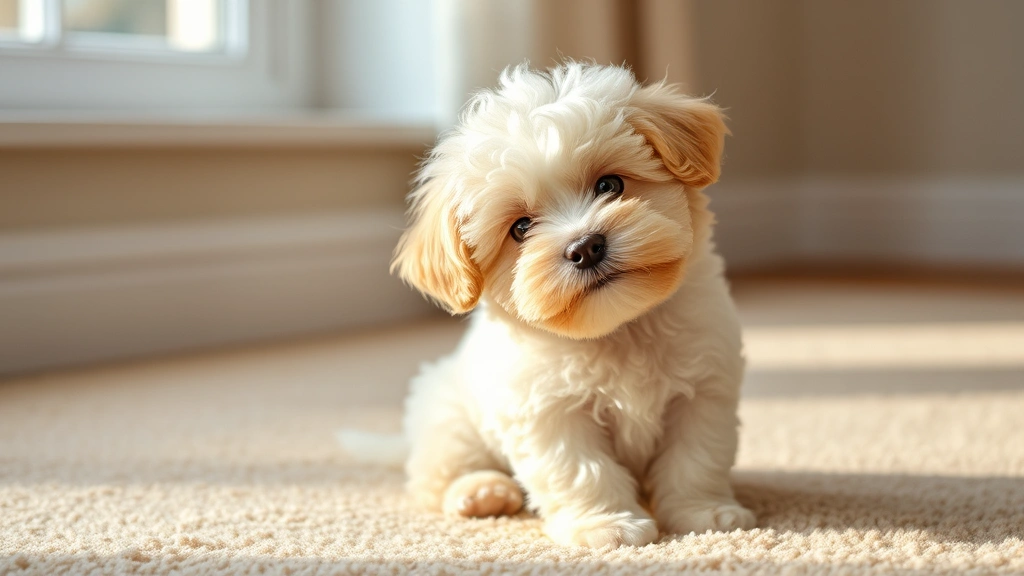
So you’re wondering what is a maltipoo breed of dog? Well, buckle up because you’re about to discover one of the most adorable, fluffy, and hilariously entertaining designer dog breeds out there. The Maltipoo is basically what happens when a Maltese and a Toy Poodle decide to create the perfect lap dog – and honestly, they nailed it.
Table of Contents
- Understanding the Maltipoo: A Designer Breed Explained
- The Parent Breeds: Where Maltipoos Come From
- Physical Characteristics: What Does a Maltipoo Look Like?
- Temperament and Personality Traits
- Health Considerations for Maltipoo Owners
- Grooming and Coat Maintenance Requirements
- Exercise and Activity Needs
- Training and Socialization Tips
- Nutrition and Diet Recommendations
- Maltipoo vs. Other Small Breed Comparisons
- Finding and Choosing a Reputable Maltipoo Breeder
- Common Behavioral Issues and Solutions
- Frequently Asked Questions
- Conclusion: Is a Maltipoo Right for You?
Understanding the Maltipoo: A Designer Breed Explained
A Maltipoo is a hybrid dog breed that combines the best (and sometimes the quirkiest) traits of two parent breeds: the Maltese and the Toy or Miniature Poodle. These pint-sized pups typically weigh between 5 to 20 pounds and stand around 8 to 14 inches tall, making them perfect for apartment living and cuddle sessions on the couch. Unlike purebred dogs recognized by the American Kennel Club (AKC), Maltipoos are considered “designer dogs” – a term that basically means they’re the result of intentional crossbreeding between two established breeds.
The popularity of Maltipoo puppies has skyrocketed over the past two decades, and for good reason. These little furballs combine the intelligence and hypoallergenic coat of the Poodle with the gentle, affectionate nature of the Maltese. It’s like someone looked at both breeds and said, “What if we made them even MORE adorable?”
The Parent Breeds: Where Maltipoos Come From
To truly understand what makes a Maltipoo special, you need to know about their parents. The Maltese is an ancient toy breed originating from Malta, known for their silky white coats and gentle temperament. They’re basically the royalty of lap dogs – dignified, affectionate, and surprisingly entertaining for their size.
The Toy or Miniature Poodle, on the other hand, is incredibly intelligent and athletic despite their small stature. Poodles are known for their curly, low-shedding coats and their ability to excel in obedience training. When you combine these two breeds, you get a dog that’s both a loving companion and surprisingly trainable for a toy breed.
Physical Characteristics: What Does a Maltipoo Look Like?
One of the most charming aspects of Maltipoos is their appearance – they’re basically living teddy bears. Most Maltipoos have soft, curly or wavy coats that come in various colors including white, cream, apricot, and sometimes a mix of these shades. Their eyes are typically large and dark, giving them that irresistible “puppy dog eyes” expression that makes it impossible to say no to them.
The coat of a Maltipoo is one of their standout features. Thanks to the Poodle genetics, many Maltipoos are considered least moulting dogs, making them a better option for people with allergies. However, this doesn’t mean they’re completely hypoallergenic – no dog truly is. Their coats do require regular grooming and maintenance, typically needing professional grooming every 6-8 weeks.
Temperament and Personality Traits
If you’re looking for a dog with personality for days, the Maltipoo delivers in spades. These dogs are affectionate, playful, and often quite silly. They love being the center of attention and will happily entertain you with their antics. Maltipoos are known for their loyalty and tend to form strong bonds with their owners, sometimes to the point of separation anxiety if left alone for extended periods.
Despite their small size, Maltipoos have big personalities. They’re intelligent thanks to their Poodle heritage, which means they’re relatively easy to train – though they can be stubborn at times. They’re generally good with children and other pets, making them excellent family dogs, though supervision with very small children is always recommended due to their delicate size.
Health Considerations for Maltipoo Owners
Like all dog breeds, Maltipoos are prone to certain health issues that potential owners should be aware of. Common concerns include dental problems (due to their small mouths), patellar luxation (knee issues), and ear infections. Their floppy ears and curly coats can trap moisture and debris, so regular ear cleaning is important.
Hip dysplasia and eye problems can also occur, though they’re less common in smaller breeds. The good news is that responsible breeders conduct health screenings on parent dogs to minimize these risks. If you’re considering Maltipoo rescue dogs, make sure to get a health history from the shelter or rescue organization.
Maltipoos typically have a lifespan of 12-15 years, so you’re making a long-term commitment. Regular veterinary check-ups, proper nutrition, and preventative care are essential for keeping your Maltipoo healthy and happy throughout their life.
Grooming and Coat Maintenance Requirements
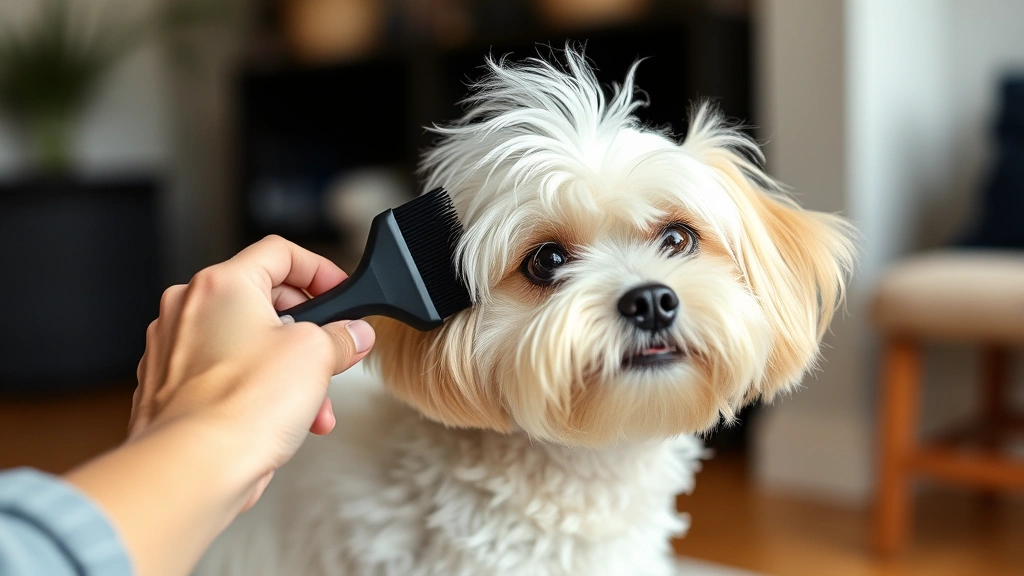
Let’s be real – Maltipoos aren’t low-maintenance when it comes to grooming. Their beautiful coats require consistent care to prevent matting and tangling. Daily brushing is ideal, though you can get away with 3-4 times per week if you’re diligent. When you skip grooming sessions, their coats can quickly become a matted mess, which can be uncomfortable and difficult to fix.
Professional grooming every 6-8 weeks is highly recommended. During these sessions, groomers will bathe, dry, trim, and style your Maltipoo’s coat. You’ll also want to invest in a quality moulting brush for dogs for home maintenance, even though they shed minimally.
Dental care is another important aspect of Maltipoo grooming. Their small mouths are prone to plaque buildup, so regular teeth brushing and professional cleanings are necessary. Nail trimming, ear cleaning, and eye care should also be part of your regular grooming routine.
Exercise and Activity Needs
Don’t let their small size fool you – Maltipoos have decent energy levels and need regular exercise to stay happy and healthy. Daily walks, playtime, and mental stimulation are essential. Most Maltipoos are content with 20-30 minutes of exercise per day, though they’ll happily participate in more activities if you’re willing.
These dogs are intelligent and enjoy interactive play, puzzle toys, and training sessions. Without adequate mental and physical stimulation, they can develop behavioral problems like excessive barking or destructive behavior. They’re also prone to “small dog syndrome” if not properly trained and socialized, so consistent boundaries and positive reinforcement are important.
Training and Socialization Tips
Maltipoos are intelligent and eager to please, making them relatively easy to train. They respond well to positive reinforcement methods like treats, praise, and play. However, they can be stubborn at times, so patience and consistency are key. Start training early and use short, engaging sessions to keep their attention.
Socialization is crucial for Maltipoos. Exposing them to different people, environments, and experiences early in life helps prevent anxiety and aggression issues later. These dogs can be prone to separation anxiety, so gradual desensitization to alone time is important.
Housebreaking can sometimes be challenging with small breeds, but with patience and a consistent routine, most Maltipoos catch on quickly. Crate training is often helpful for this process.
Nutrition and Diet Recommendations
Proper nutrition is vital for your Maltipoo’s health and longevity. Small breeds have faster metabolisms than larger dogs, so they need high-quality, nutrient-dense food. Look for dog foods with high protein content and avoid those with excessive fillers or artificial ingredients.
The amount of food your Maltipoo needs depends on their age, size, and activity level. Generally, adult Maltipoos need about ¼ to ½ cup of food per day, divided into two meals. Puppies require more frequent feeding – typically 3-4 meals per day until they’re around 6 months old.
If your Maltipoo has joint concerns, you might consider joint supplements for dogs to support their mobility as they age. Always consult with your veterinarian about the best diet and supplements for your individual dog. If you’re researching dog food options, check out our guide on Is Purina One a Good Dog Food for detailed information.
Maltipoo vs. Other Small Breed Comparisons
When comparing Maltipoos to other small breeds, several distinctions emerge. Unlike purebred Maltese or Poodles, Maltipoos offer hybrid vigor – a genetic advantage that can result in fewer health problems. Compared to Shih Tzus or Lhasa Apsos, Maltipoos typically have better temperaments for families with children.
Maltipoos are often compared to Cockapoos (Cocker Spaniel and Poodle mix) and Cavapoos (Cavalier King Charles Spaniel and Poodle mix). While all three are designer breeds, Maltipoos are smaller and have different energy levels and care requirements. The choice between these breeds ultimately depends on your lifestyle, living situation, and personal preferences.
Finding and Choosing a Reputable Maltipoo Breeder
If you decide to get a Maltipoo puppy from a breeder, do your homework. Look for breeders who conduct health screenings on parent dogs, provide health guarantees, and allow you to visit their facilities. Reputable breeders should be able to answer all your questions and provide references from previous buyers.
Avoid puppy mills and backyard breeders who prioritize profit over the health and welfare of their dogs. The initial cost of a Maltipoo puppy from a reputable breeder typically ranges from $1,000 to $3,000, depending on location and breeder reputation. This might seem steep, but it often saves you money in veterinary bills down the road.
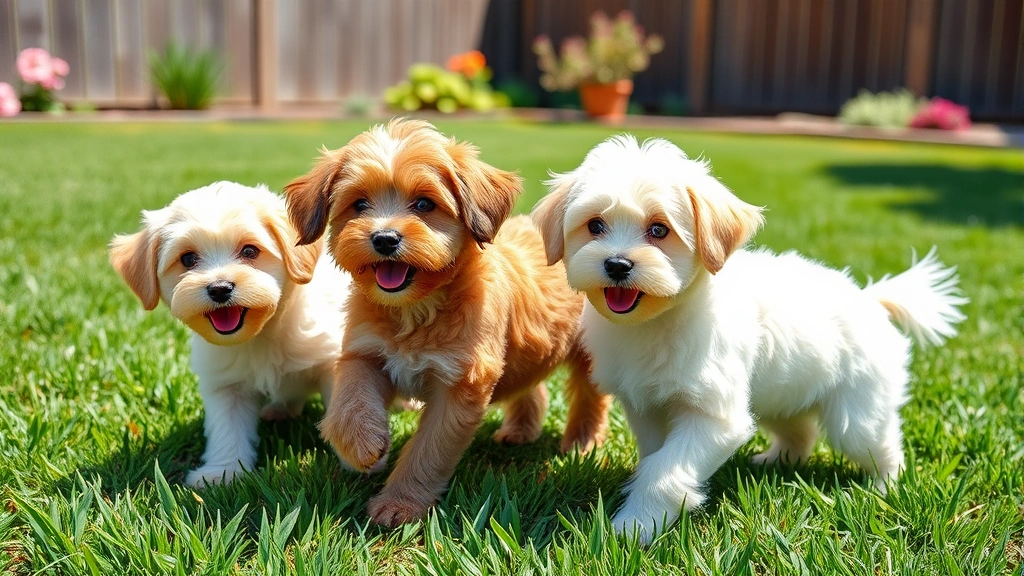
Alternatively, consider adoption. Many Maltipoos end up in rescue organizations, and adopting gives a loving dog a second chance at happiness. Check out our article on Maltipoo rescue dogs for more information about adoption options.
Common Behavioral Issues and Solutions
While Maltipoos are generally well-behaved, they can develop certain behavioral issues if not properly trained and socialized. Excessive barking is common in small breeds and can be addressed through training and addressing underlying anxiety. Separation anxiety is another concern – these dogs bond strongly with their owners and can become distressed when left alone.
Some Maltipoos may exhibit “small dog syndrome” – a tendency to be more aggressive or dominant than their size would suggest. This is typically a training issue rather than a breed characteristic and can be corrected with consistent, positive reinforcement training. Jumping on people, nipping, and resource guarding can all be addressed through proper training methods.
Frequently Asked Questions
Are Maltipoos good for first-time dog owners?
Yes, Maltipoos can be excellent for first-time dog owners. They’re intelligent, eager to please, and relatively easy to train. However, they do require consistent grooming, training, and socialization. Their small size and affectionate nature make them forgiving companions, but they still need proper care and attention.
How much do Maltipoo puppies cost?
Maltipoo puppies from reputable breeders typically cost between $1,000 and $3,000. Adoption from rescue organizations is much more affordable, usually ranging from $50 to $300. The initial cost is just the beginning – factor in grooming, veterinary care, food, and supplies.
Do Maltipoos shed a lot?
No, Maltipoos are considered minimal shedders thanks to their Poodle genetics. However, they’re not completely hypoallergenic. Their coats require regular grooming and maintenance to prevent matting and keep shedding minimal.
Can Maltipoos be left alone during the day?
Maltipoos can be left alone, but they’re prone to separation anxiety. Gradually acclimate them to alone time, and consider using crate training or hiring a dog walker for midday breaks. Most adult Maltipoos can handle 4-6 hours alone, but longer periods may lead to anxiety and destructive behavior.
What’s the difference between a Maltipoo and a Morkie?
A Maltipoo is a Maltese and Poodle mix, while a Morkie is a Maltese and Yorkie (Yorkshire Terrier) mix. Maltipoos tend to be slightly larger and have curlier coats. Morkies are often more energetic and have longer, silkier coats.
Are Maltipoos good with children?
Yes, Maltipoos are generally good with children. However, their small size makes them fragile, so they’re better suited for families with older children who understand how to handle small dogs gently. Supervision is always recommended.
Conclusion: Is a Maltipoo Right for You?
So, what is a maltipoo breed of dog? They’re charming, intelligent, affectionate little companions that combine the best traits of Maltese and Poodle breeds. They’re perfect for people living in apartments, seniors seeking a loyal companion, and families wanting a small dog with a big personality.
However, Maltipoos aren’t right for everyone. They require regular grooming, consistent training, and can’t be left alone for extended periods. They’re not the best choice for people with limited budgets or those seeking a completely low-maintenance pet.
If you’re willing to commit to their care requirements and give them the attention and love they crave, a Maltipoo can be an absolutely wonderful addition to your family. Whether you choose to adopt from a rescue organization or purchase from a reputable breeder, you’ll be getting a loyal, entertaining, and adorable companion that will bring joy to your life for years to come. These little furballs have a way of stealing hearts and creating lasting memories – and once you experience the Maltipoo love, you’ll understand why they’ve become one of the most popular designer breeds today.





