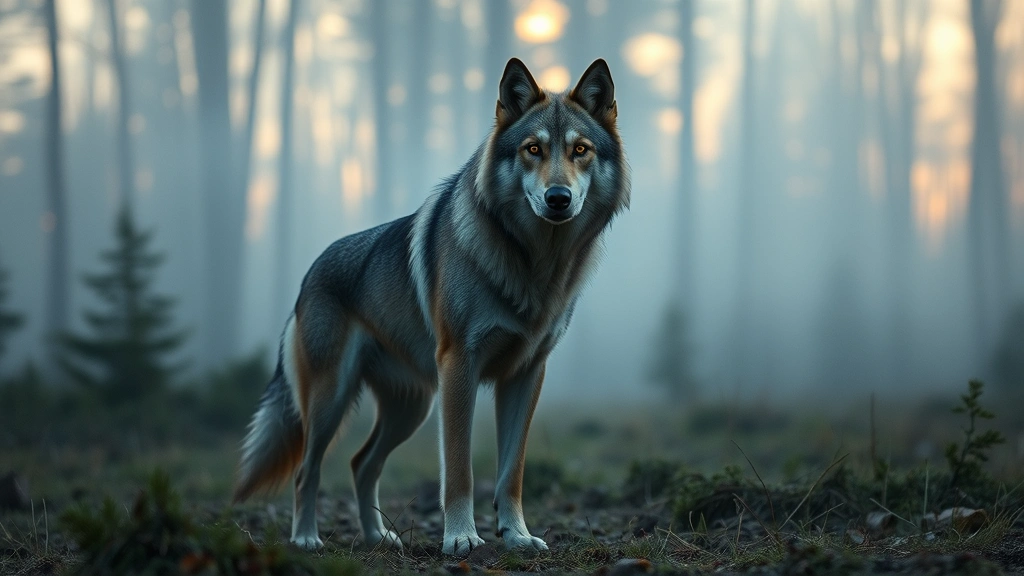
What Is a Skinwalker Dog? Myth and Explanation
If you’ve ever scrolled through paranormal forums or stumbled upon creepy Reddit threads late at night, you’ve probably encountered the term “skinwalker dog.” It’s one of those internet phenomena that blends folklore, cryptozoology, and dog behavior into a mysterious package that keeps people up at night. But what exactly is a skinwalker dog, and is there any truth behind the legend?
The concept of skinwalkers originates from Navajo mythology and has become a significant part of modern paranormal culture. When applied to dogs, the term takes on a particularly unsettling quality that has captured the imagination of cryptid enthusiasts worldwide. In this comprehensive guide, we’ll explore the mythology, examine the science behind unusual dog behavior, and help you understand what might actually be happening when people report skinwalker dog encounters.
Whether you’re a skeptic, a believer, or simply curious about the intersection of folklore and pet behavior, this article will give you the full picture of what skinwalker dogs are and why they’ve become such a popular topic in paranormal communities.
What Is a Skinwalker? Understanding the Mythology
Before we can understand skinwalker dogs, we need to grasp the original concept of skinwalkers. In Navajo tradition, skinwalkers (known as “yee naaldlooshii” in the Navajo language) are supernatural beings that possess the ability to transform into animals. These entities are typically portrayed as malevolent witches or shamans who have acquired dark magical powers.
According to Navajo folklore, skinwalkers can assume the form of various animals, including wolves, coyotes, deer, and birds. The transformation process is said to involve wearing the animal’s skin or performing specific rituals. In traditional Navajo culture, skinwalkers are considered extremely dangerous and are feared as harbingers of evil and misfortune.
The Navajo people have deep spiritual beliefs surrounding skinwalkers, and the concept was never meant to be entertainment or casual discussion. However, as with many indigenous traditions, modern pop culture has appropriated and sensationalized the concept. The skinwalker mythology has become a staple of paranormal communities, conspiracy theory forums, and horror entertainment, often stripping away the cultural significance and spiritual context.
When the skinwalker concept was applied to dogs, it created a new subcategory of paranormal lore. People began reporting encounters with dogs that seemed “off” in various ways—dogs that moved strangely, communicated unusually, or appeared to possess intelligence beyond what’s typical for canines.
Skinwalker Dogs in Popular Culture
The internet has played a massive role in popularizing the skinwalker dog phenomenon. Over the past decade, numerous accounts have circulated on social media platforms, paranormal websites, and forums like Reddit’s r/nosleep, where users share alleged encounters with these mysterious creatures.
Common descriptions of skinwalker dogs include:
- Dogs with an unnaturally tall or elongated body structure
- Canines that move in a bipedal (two-legged) fashion
- Dogs with an unusual gait or posture that seems “wrong” to observers
- Animals that appear to have human-like intelligence or awareness
- Dogs that make vocalizations resembling human speech or laughter
- Creatures that seem to “stalk” or follow people with deliberate intent
Many of these accounts are accompanied by blurry photographs or videos that are difficult to authenticate. The internet’s viral nature means these stories spread rapidly, with each retelling adding new details and embellishments. The mysterious nature of the accounts—combined with the inherent eeriness of the paranormal—creates a compelling narrative that resonates with people seeking explanations for unexplained phenomena.
Popular paranormal podcasts, YouTube channels dedicated to cryptozoology, and horror entertainment have further amplified interest in skinwalker dogs. The concept has become so embedded in internet culture that it’s now referenced in memes, horror fiction, and casual conversations about cryptids.
Unusual Dog Behaviors That Spark Skinwalker Theories
So what’s actually behind the skinwalker dog phenomenon? The answer lies in understanding canine behavior and recognizing how unusual—but entirely normal—dog behaviors can be misinterpreted through a paranormal lens.
Several legitimate dog behaviors often get labeled as “skinwalker activity” by people unfamiliar with canine science:
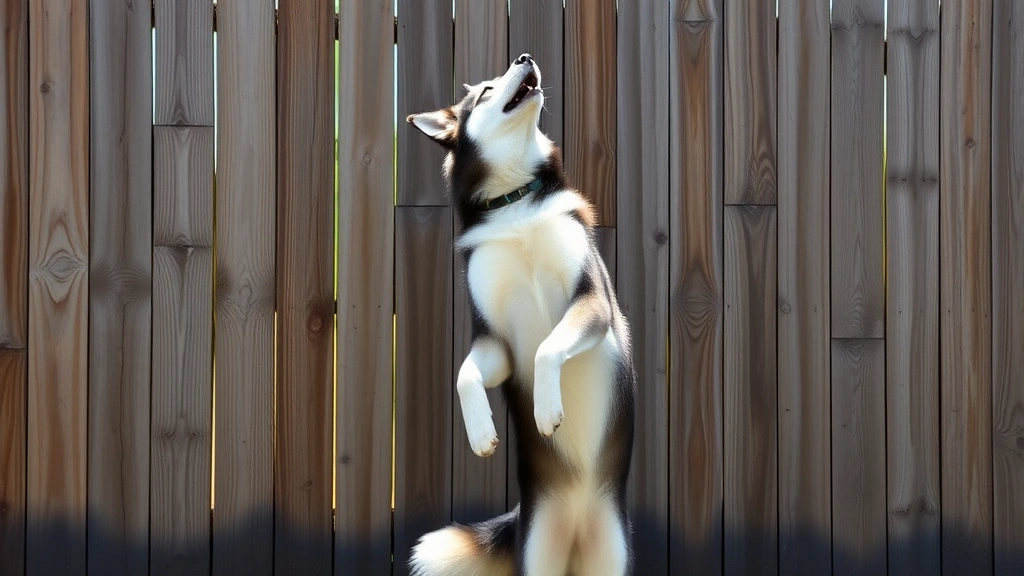
Bipedal Walking and Standing: Dogs frequently stand on their hind legs, and some breeds are more prone to this behavior than others. Certain dog breeds, particularly those bred for specific tasks, may walk on their hind legs more frequently. This behavior becomes especially pronounced when dogs are excited, trying to reach something, or seeking attention. If you’re unfamiliar with this common canine behavior, seeing a dog move bipedally in dim lighting or from a distance could certainly seem otherworldly.
Unusual Vocalizations: Dogs communicate in ways that might surprise people who don’t spend much time around them. Beyond standard barking, dogs can howl, whine, growl, and make various other sounds. Some dogs produce vocalizations that can sound disturbingly human-like, especially howls that seem to resemble screaming or cries. If you’ve ever heard a dog produce an unfamiliar vocalization, you understand why this might fuel paranormal theories.
Predatory Stalking Behavior: Wild dogs, feral dog packs, and even some domesticated dogs exhibit predatory stalking behaviors. This is entirely natural canine behavior rooted in their hunting ancestry. A dog following someone with focused intensity might simply be displaying normal predatory interest, but when viewed through a paranormal filter, it becomes sinister.
Unusual Posture or Gait: Certain medical conditions, injuries, or neurological issues can cause dogs to move in unusual ways. Additionally, different dog breeds have distinctly different body structures and movement patterns. A dog with a medical condition affecting its spine or legs might move in ways that seem “unnatural” to casual observers. Dogs can experience neurological differences that might cause unusual behavioral patterns.
The Science Behind Unexplained Canine Activity
When we examine skinwalker dog reports through a scientific lens, several rational explanations emerge. Understanding canine biology, behavior, and psychology helps demystify what people are actually encountering.
Neurological and Medical Conditions: Various medical conditions can cause dogs to behave unusually. Canine cognitive dysfunction, similar to dementia in humans, can cause dogs to behave erratically. Neurological disorders, spinal injuries, and other health conditions can affect a dog’s gait and behavior dramatically. A dog suffering from a medical condition might move strangely, vocalize differently, or display behavioral changes that seem paranormal to uninformed observers.
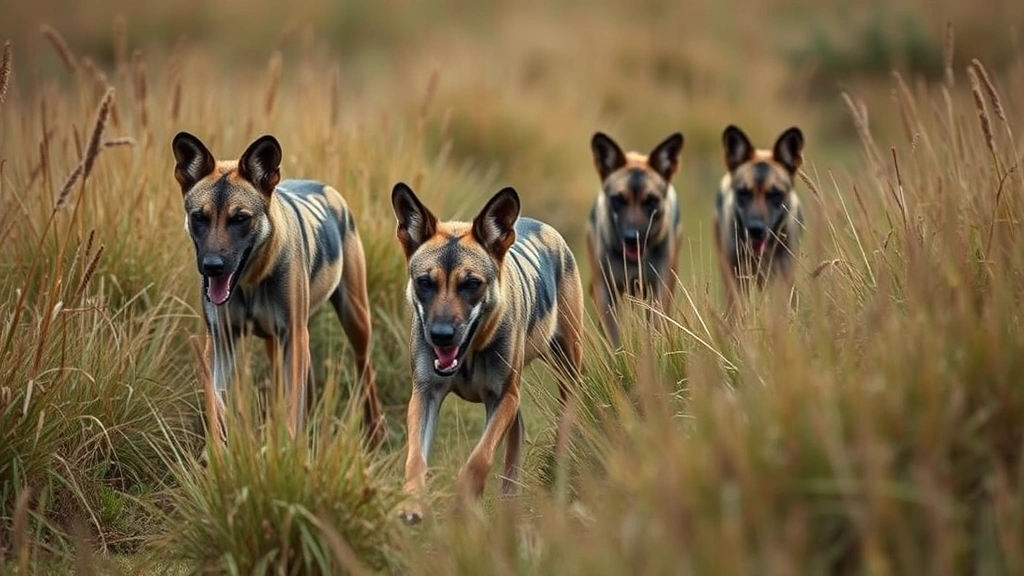
Feral Dog Packs: In many areas where skinwalker sightings are reported, the encounters are likely with feral dog packs. Wild dogs exhibit different behaviors than domesticated pets. They may be more aggressive, move with predatory precision, and communicate differently. Feral dogs are also more likely to stalk humans, particularly if they associate people with food sources. The uncanny intelligence displayed by wild dogs is simply the result of survival instincts and pack dynamics.
Coyote and Wolf Misidentification: Many reported skinwalker dogs are likely misidentified coyotes or wolves. Coyotes, in particular, are often mistaken for dogs, especially by people unfamiliar with wildlife. Coyotes are known for their eerie vocalizations, their ability to move bipedally briefly, and their apparent intelligence. When startled or confronted, coyotes display behaviors that can seem threatening or otherworldly.
Pareidolia and Pattern Recognition: Humans are hardwired to recognize patterns, particularly faces and familiar forms. This cognitive phenomenon, called pareidolia, can cause us to see familiar patterns in random shapes and movements. When observing an unfamiliar animal in low light or from a distance, our brains might fill in details that create a more menacing or unusual appearance than what’s actually present.
According to research from the American Kennel Club, understanding breed-specific behaviors is crucial for proper dog identification. Different breeds have vastly different physical characteristics and behavioral tendencies that might seem unusual to those unfamiliar with that breed.
Real Explanations for Disturbing Dog Encounters
Let’s examine specific types of encounters that get labeled as “skinwalker dogs” and provide rational explanations:
The Tall, Bipedal Dog: People often report seeing dogs that stand unusually tall on their hind legs. This is typically a domesticated dog standing on its hind legs—a behavior many dogs exhibit naturally. Some dog breeds, like certain terriers and toy breeds, are particularly prone to standing upright. Additionally, if you’re observing from a distance or in poor lighting, a dog’s actual height might be difficult to judge accurately. A large dog standing upright might appear even taller than it actually is, especially if you’re comparing it mentally to your own height.
The Eerie Vocalization: Reports of dogs making human-like sounds or screaming are often described as particularly disturbing. However, dogs howl at sirens and produce other vocalizations that can sound remarkably human-like. Some dogs, when excited or distressed, produce sounds that genuinely resemble human screaming or crying. Certain breeds, like huskies and malamutes, are particularly vocal and can produce sounds that are genuinely unsettling to hear. Additionally, an injured or sick animal might vocalize in ways that sound disturbing and unfamiliar.
The Intelligent Stare: Many skinwalker dog reports describe an encounter with a canine that seemed to possess unusual intelligence or self-awareness. Dogs are actually quite intelligent animals, and dogs bark at nothing sometimes because they’re responding to stimuli humans can’t perceive. A dog’s focused attention or meaningful stare is often just normal canine communication. Dogs are excellent at reading human body language and responding to it. What might seem like supernatural intelligence is often just a dog being perceptive and responsive to its environment.
The Stalking Behavior: Reports of dogs following people with predatory intent often describe a deliberate, calculated pursuit. This behavior is completely consistent with normal canine predatory behavior. Stray dogs or wild dog packs will follow humans, especially if they’ve learned to associate people with food. A pack of dogs moving in coordinated fashion is displaying normal pack behavior, not paranormal activity. The sense of being “hunted” is a human interpretation of natural animal behavior.
The ASPCA provides extensive resources on understanding dog behavior and identifying when a dog might be displaying aggressive or predatory behavior, which can help distinguish normal canine activity from truly dangerous situations.
How to Identify Normal vs. Concerning Dog Behavior
Understanding the difference between normal dog behavior and genuinely concerning behavior is essential for pet owners and anyone who encounters unfamiliar dogs. Here’s a practical guide:
Normal Dog Behaviors:
- Standing on hind legs (especially when excited or seeking attention)
- Howling, particularly in response to sirens or other high-pitched sounds
- Intense staring or focus on objects or people
- Stalking or following behavior, especially from stray dogs
- Vocalizations that might sound unusual but are consistent with known dog sounds
- Moving in a coordinated pack formation
- Displaying predatory interest in moving objects or animals
Genuinely Concerning Behaviors:
- Unprovoked aggression toward humans
- Signs of rabies, including excessive drooling, disorientation, or paralysis
- Severe injury or illness causing distress
- Pack behavior that involves actual attacks on humans
- Vocalizations combined with obvious signs of pain or distress
If you encounter a dog displaying genuinely concerning behavior, the appropriate response is to contact local animal control or law enforcement. These are the professionals trained to handle potentially dangerous animals.
It’s worth noting that dogs have nightmares, and a dog experiencing night terrors might display unusual behavior that could seem paranormal. Similarly, dogs can laugh in their own way, producing vocalizations that might surprise those unfamiliar with canine communication. Understanding the full range of normal dog behavior helps demystify encounters that might otherwise seem supernatural.
For more detailed information about canine health and behavior, Veterinary Partners offers comprehensive resources on dog medical conditions and behavioral issues that might manifest as unusual symptoms.
Frequently Asked Questions
Are skinwalker dogs real?
Skinwalker dogs, as paranormal entities, have no scientific evidence supporting their existence. However, the experiences people report are real—they’re just misinterpretations of normal dog behavior, wildlife encounters, or medical conditions affecting animals. The phenomenon is a fascinating example of how folklore, internet culture, and unfamiliarity with animal behavior can combine to create compelling paranormal narratives.
What should I do if I encounter a dog that seems like a “skinwalker dog”?
If you encounter any dog displaying unusual behavior, prioritize your safety. Maintain distance, don’t approach the animal, and contact local animal control. If the dog is displaying signs of illness or injury, report it to authorities who can provide appropriate care. There’s no need for paranormal explanations—practical animal control is the appropriate response.
Why do people believe in skinwalker dogs?
People are naturally drawn to explanations that incorporate mystery and the supernatural. When encountering something unfamiliar or unusual, paranormal explanations can seem more compelling than mundane scientific ones. Additionally, the internet’s viral nature means these stories spread rapidly and gain credibility through repetition. The human tendency to see patterns and attribute meaning to random events also contributes to the phenomenon.
Could a skinwalker dog actually be a werewolf?
The werewolf concept, like skinwalkers, is a folkloric explanation for unusual animal encounters and behavior. Modern cryptozoology sometimes conflates these different mythological traditions. The scientific explanation remains the same regardless of the paranormal label: unusual dog behavior, misidentified wildlife, or medical conditions affecting animals.
Are certain dog breeds more likely to be mistaken for skinwalker dogs?
Large dog breeds with distinctive features—particularly those with wolf-like appearances—are more frequently misidentified as paranormal entities. Breeds like huskies, malamutes, German shepherds, and wolf-dog hybrids might be more likely to generate skinwalker sightings due to their wild appearance and size. However, any dog breed can be misidentified, especially in low-light conditions or when observed from a distance.
What is the connection between skinwalker dogs and other paranormal phenomena?
Skinwalker dogs are often discussed alongside other cryptids and paranormal phenomena in online communities. These discussions frequently incorporate elements of conspiracy theory, folklore, and speculative fiction. The internet has created a interconnected paranormal mythology where different concepts blend together, creating a complex narrative ecosystem that’s more about community and storytelling than factual documentation.