
When you ask “what is fastest dog,” most people think of greyhounds sprinting around a track. But hold your horses—or should we say, hold your hounds? The answer is way more interesting than you’d expect, and there are some seriously speedy pups out there that’ll make your head spin.
Table of Contents
- The Greyhound: Still the Classic Speed Demon
- The Saluki: Ancient Speed and Elegance
- The Vizsla: The Velcro Dog with Velocity
- The Weimaraner: Gray Ghost Speed
- The Afghan Hound: Speed Wrapped in Glamour
- Other Notable Fast Breeds Worth Mentioning
- Why Speed Matters: Understanding Canine Athleticism
- Training and Exercise for Speed Breeds
- Health Considerations for Fast Breeds
- The Science Behind Canine Speed
- Choosing the Right Fast Breed for Your Lifestyle
- Frequently Asked Questions
- Conclusion: Speed Isn’t Everything
The Greyhound: Still the Classic Speed Demon
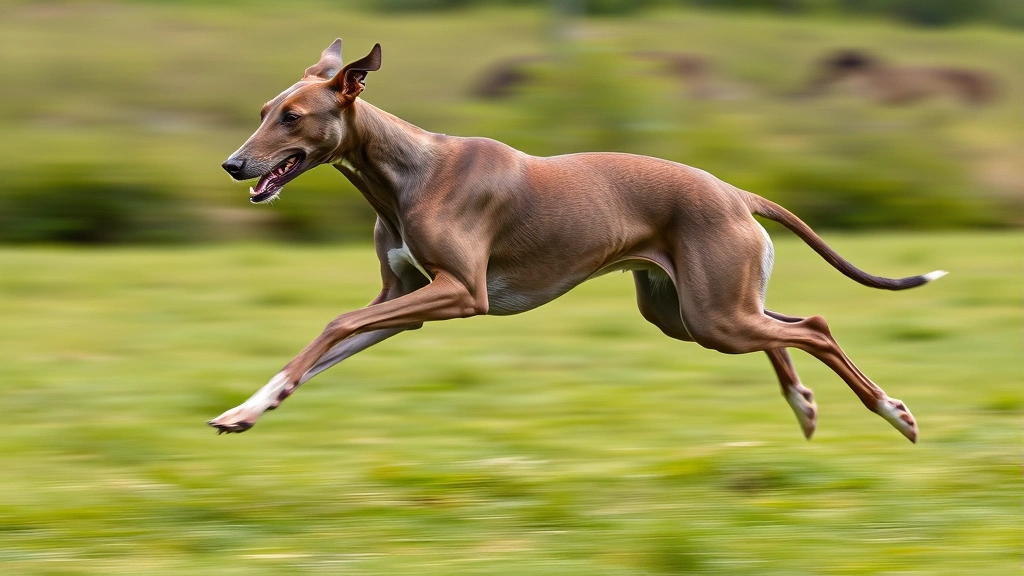
Let’s start with the obvious: the greyhound is the poster child for canine velocity. These sleek, elegant dogs can reach speeds of up to 45 mph in short bursts. Their entire body is engineered for speed—long legs, lightweight frame, and a flexible spine that acts like a coiled spring. Greyhounds were originally bred for hunting hares in the Middle East, and their predatory instincts combined with their aerodynamic build make them nearly unbeatable on the track.
What makes greyhounds special isn’t just their top speed; it’s their acceleration. They can go from 0 to 40 mph in just three seconds. That’s faster than most sports cars off the line. If you’re thinking about getting a greyhound, remember that they need outlets for their speed—regular exercise is non-negotiable.
The Saluki: Ancient Speed and Elegance
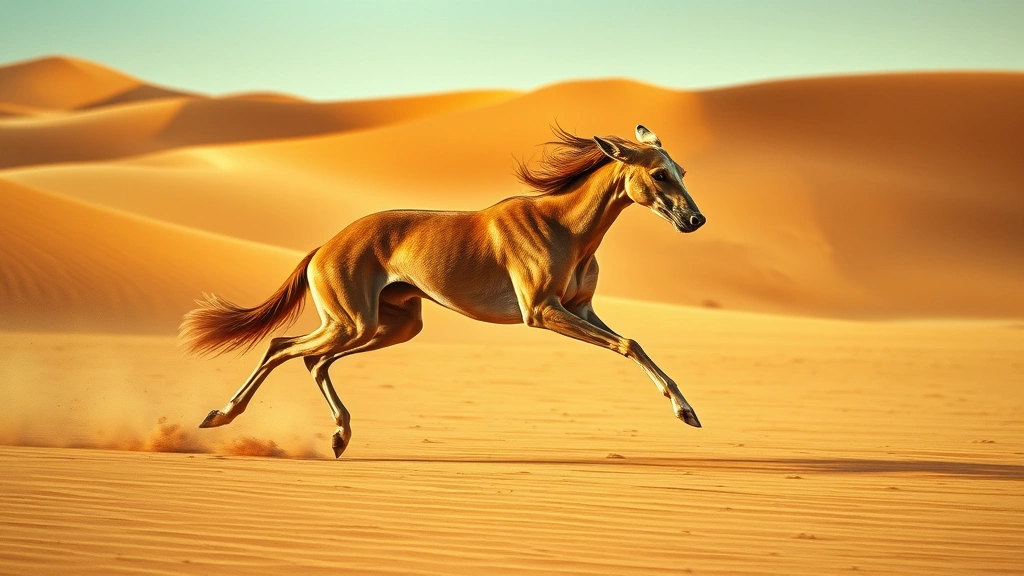
Before greyhounds became famous, there was the Saluki. These ancient Egyptian sighthounds can hit speeds of 42 mph and are often considered the fastest dog breed by some enthusiasts. The Saluki’s slender build and long legs make them incredibly efficient runners. They were revered by Egyptian pharaohs and have been around for thousands of years, making them one of the oldest dog breeds still in existence.
Salukis have a unique hunting style—they rely on both sight and incredible endurance. While they might not beat a greyhound in a straight sprint, they can maintain high speeds over longer distances, which is why they were so valuable for desert hunting.
The Vizsla: The Velcro Dog with Velocity
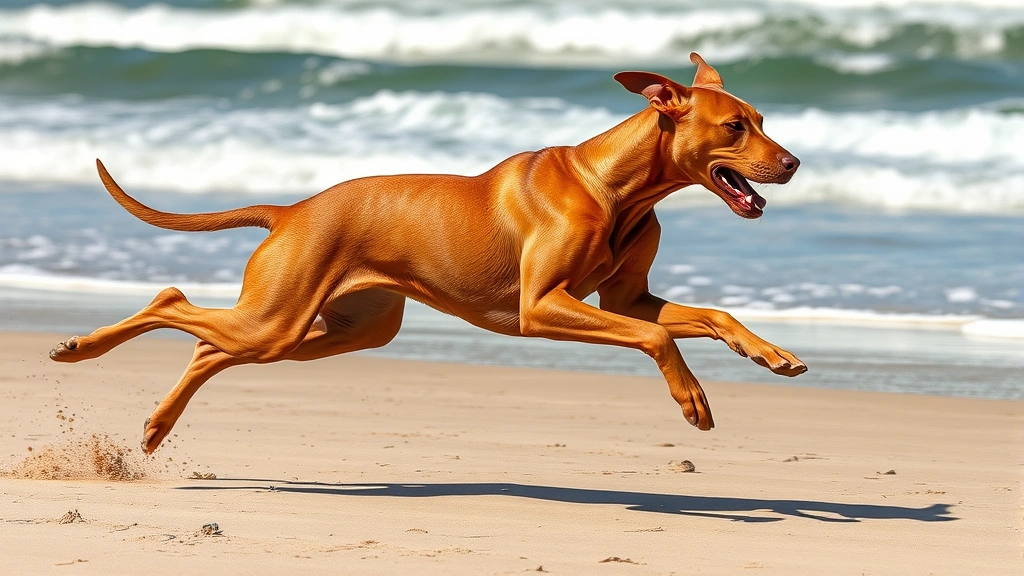
Don’t let their smaller stature fool you—Vizslas can reach speeds of 40 mph. These Hungarian hunting dogs are incredibly athletic and muscular despite being lighter than greyhounds. They’re also known as “velcro dogs” because they love sticking to their owners’ sides, which makes them perfect family pets who also happen to be speed machines.
Vizslas need serious exercise, and they thrive with active owners who can keep up with their energy levels. They’re not just fast; they’re also intelligent, affectionate, and eager to please, making them excellent candidates for dog sports and agility competitions.
The Weimaraner: Gray Ghost Speed
Weimaraners earned the nickname “Gray Ghost” for their sleek, silvery coats and their ability to move like phantoms across fields. These dogs can reach speeds of 35 mph and were originally bred for hunting large game in Germany. Their combination of speed, strength, and intelligence makes them formidable athletes.
Weimaraners are larger than Vizslas but still incredibly agile. They require extensive exercise and mental stimulation, and they’re best suited for experienced dog owners who understand their high-energy needs. If you’re comparing them to lazy dog breeds, Weimaraners are basically the complete opposite.
The Afghan Hound: Speed Wrapped in Glamour
Afghan Hounds might look like they spend all their time at the salon, but these dogs can reach speeds of 40 mph. Their long, silky coats are deceptive—underneath all that glamour is a serious athlete. Afghan Hounds were originally bred to hunt in the mountains of Afghanistan, and they’re incredibly agile and fast.
The interesting thing about Afghan Hounds is that their speed is matched by their independence. They’re not as eager to please as some other breeds, which makes training a bit more challenging. But if you appreciate a dog with both beauty and brains, an Afghan Hound might be your speed demon of choice.
Other Notable Fast Breeds Worth Mentioning
Beyond the top five, several other breeds deserve recognition for their impressive speed capabilities. The McNab dog is an underrated herding breed that can reach 35 mph and is incredibly agile on varied terrain. The Mountain Feist dog is another speedy herder that’s perfect for working environments. Pointers, setters, and other hunting breeds also possess significant speed and athleticism that shouldn’t be overlooked.
Even some of the larger breeds like Doberman Pinschers and German Shepherds can reach speeds of 32-35 mph, proving that you don’t need to be a sighthound to be fast.
Why Speed Matters: Understanding Canine Athleticism
Understanding what is fastest dog isn’t just about bragging rights. It’s about recognizing that different breeds have different exercise needs and energy levels. A dog bred for speed needs outlets for that energy, or you’ll end up with a bored, destructive pet. This is why high-energy breeds require dedicated owners who can provide proper exercise and mental stimulation.
If you’re an active person who loves running, hiking, or participating in dog sports, a fast breed might be perfect for you. However, if you prefer a more laid-back lifestyle, you might want to explore low energy dog breeds instead. There’s no shame in choosing a dog that matches your lifestyle.
Training and Exercise for Speed Breeds
Owning a fast dog comes with responsibilities. These breeds need regular, vigorous exercise—we’re talking at least an hour or two per day. Many speed breeds also excel in organized sports like lure coursing, agility competitions, and dock diving. These activities provide both physical and mental stimulation, which is crucial for their well-being.
When exercising your speedy pup, proper equipment is essential. A well-fitted large dog harness can make a huge difference in comfort and control, especially for larger athletic breeds. Never use a collar for high-speed activities, as it can cause injury to the neck and throat.
Health Considerations for Fast Breeds
Fast dogs often have specific health concerns related to their athletic nature. Sighthounds are prone to bloat, a serious condition that can be life-threatening. They’re also sensitive to cold weather due to their lean build and thin coats. Hip dysplasia, heart conditions, and joint issues are common in larger athletic breeds.
Regular veterinary check-ups are essential for any fast breed. Before engaging in strenuous exercise, especially with puppies, consult your vet to ensure your dog’s bones and joints are fully developed. According to the American Kennel Club, proper exercise protocols can help prevent injuries and extend your dog’s athletic career.
The Science Behind Canine Speed
What makes a dog fast? It’s not just about having long legs. Fast dogs have several anatomical advantages: flexible spines that allow for greater stride length, lean muscle mass without excess weight, long legs relative to body size, and efficient cardiovascular systems. Their muscle fiber composition is also optimized for explosive power and sustained speed.
The fastest dogs also have incredible vision, which is why most speed champions are sighthounds. They can spot movement from great distances and calculate trajectories with impressive accuracy. This combination of physical attributes and sensory capabilities is what separates the speed demons from the average pup. PetMD has excellent resources on breed-specific athletic requirements.
Choosing the Right Fast Breed for Your Lifestyle
So you want a fast dog—but which one? Consider your living situation, climate, and activity level. Greyhounds are perfect for apartment dwellers who can provide adequate exercise. Vizslas need space and active families. Afghan Hounds require grooming commitment along with exercise. Weimaraners demand experienced owners who understand their needs.
Research each breed thoroughly before committing. Talk to breeders, visit dog shows, and spend time with the breed if possible. Remember that speed is just one characteristic—temperament, health, and compatibility with your lifestyle matter just as much.
Frequently Asked Questions
What is the fastest dog breed in the world?
The Greyhound is widely recognized as the fastest dog breed, capable of reaching speeds up to 45 mph. However, the Saluki comes very close at 42 mph and is sometimes cited as equally fast depending on the source. Both breeds are sighthounds engineered for speed.
Can any dog breed be trained to run faster?
While proper conditioning and training can improve a dog’s performance, genetics play a huge role in speed capability. You can’t train a Bulldog to run like a Greyhound. However, any dog can benefit from regular exercise and conditioning appropriate for their breed type.
Are fast dogs good family pets?
Many fast breeds make excellent family pets if their exercise needs are met. Greyhounds, despite their racing reputation, are often called “40 mph couch potatoes” because they’re surprisingly calm indoors. Vizslas and Weimaraners are affectionate and loyal. The key is matching the breed to your lifestyle.
How much exercise do fast dog breeds need?
Most fast breeds need at least 1-2 hours of vigorous exercise daily. This can include running, hiking, swimming, or participating in dog sports. Mental stimulation is equally important—puzzle toys and training sessions help tire out these intelligent athletes.
Do fast dogs live shorter lives?
Not necessarily. While some fast breeds have specific health concerns, many live 12-15 years with proper care. Greyhounds, for example, typically live 10-13 years. Regular veterinary care, appropriate exercise, and good nutrition are more important factors in longevity than speed capability.
Conclusion: Speed Isn’t Everything
When you ask “what is fastest dog,” you’re really asking about one of nature’s most impressive athletic achievements. The Greyhound, Saluki, Vizsla, Weimaraner, and Afghan Hound represent the pinnacle of canine speed, each bringing their own unique qualities to the table. But here’s the real truth: the fastest dog for you is the one that matches your lifestyle and energy level.
If you’re an ultra-marathoner or competitive athlete, a speed breed might be your perfect companion. If you prefer a more relaxed pace, that’s perfectly fine too. The dog world is wonderfully diverse, with breeds for every personality and lifestyle. Whatever you choose, remember that speed is just one aspect of what makes a dog special. Love, loyalty, and companionship? Those are the qualities that truly matter.





