
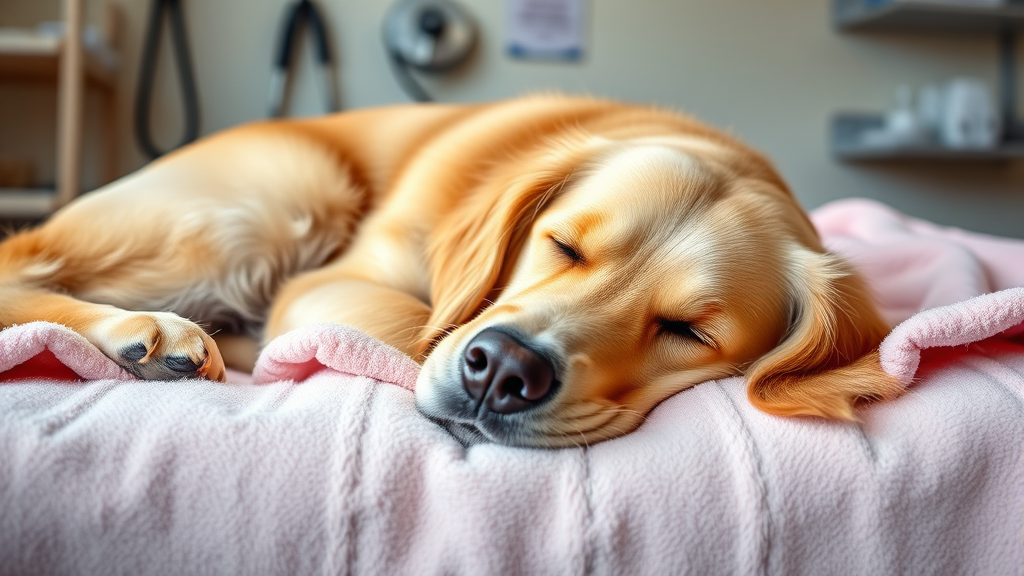
When your beloved canine companion is suffering from chronic pain or anxiety, finding safe and effective treatment options becomes a top priority. Gabapentin for dogs has emerged as a versatile medication that veterinarians increasingly prescribe to help manage various conditions affecting our four-legged friends. This anticonvulsant medication, originally developed for humans, has proven remarkably beneficial in treating neurological pain, seizures, and anxiety-related behaviors in dogs.
Understanding what gabapentin for dogs can do, how it works, and when it’s appropriate to use is crucial for pet parents who want to make informed decisions about their dog’s healthcare. This comprehensive guide will explore everything you need to know about gabapentin, from its mechanisms of action to proper dosing guidelines, potential side effects, and important safety considerations that every dog owner should understand.
What Is Gabapentin for Dogs
Gabapentin is an anticonvulsant and analgesic medication that belongs to a class of drugs known as gamma-aminobutyric acid (GABA) analogs. While originally developed to treat seizures and neuropathic pain in humans, veterinarians have discovered its remarkable effectiveness in treating similar conditions in dogs. The FDA has not specifically approved gabapentin for veterinary use, but it is legally prescribed as an “off-label” medication under veterinary supervision.
This prescription medication works differently from traditional pain medications, making it particularly valuable for treating chronic pain conditions that don’t respond well to conventional painkillers. Unlike what painkillers can i give my dog in emergency situations, gabapentin requires veterinary prescription and careful monitoring. It’s available in various forms including capsules, tablets, and liquid formulations, allowing veterinarians to customize treatment based on individual patient needs.
The medication has gained popularity among veterinary professionals because of its relatively favorable safety profile compared to some other pain management options. However, it’s important to understand that gabapentin should never be given to dogs without proper veterinary guidance, as dosing requirements and safety considerations differ significantly from human applications.
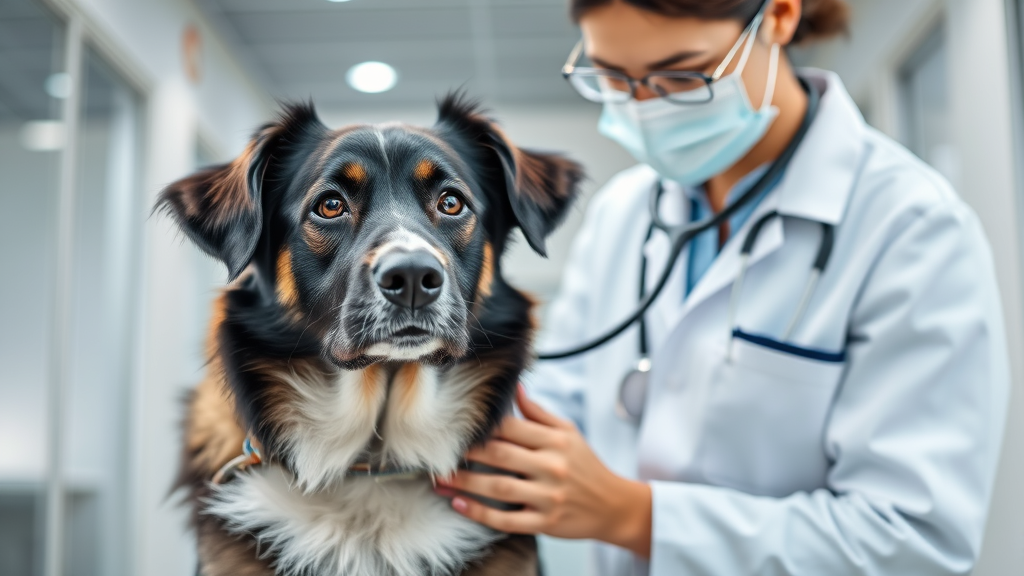
How Gabapentin Works in Dogs
Gabapentin’s mechanism of action in dogs involves modulating calcium channels in the nervous system, which helps reduce the transmission of pain signals to the brain. Unlike traditional painkillers that work through inflammation reduction, gabapentin specifically targets nerve-related pain by binding to voltage-gated calcium channels in the central nervous system. This unique approach makes it particularly effective for neuropathic pain conditions that may not respond to other treatments.
The medication also affects neurotransmitter release, particularly glutamate and substance P, which are involved in pain signal transmission. By reducing the release of these excitatory neurotransmitters, gabapentin helps dampen the nervous system’s response to painful stimuli. This mechanism is especially beneficial for dogs suffering from conditions like diabetic neuropathy, post-surgical pain, or chronic arthritis-related nerve pain.
Additionally, gabapentin has anxiolytic properties, meaning it can help reduce anxiety and stress-related behaviors in dogs. The medication’s calming effects occur through its influence on GABA neurotransmitter activity, though the exact mechanism is not fully understood. This dual action – pain relief and anxiety reduction – makes gabapentin particularly valuable for dogs who experience both physical discomfort and behavioral issues related to their medical conditions.
Conditions Treated with Gabapentin
Veterinarians prescribe gabapentin for a wide range of conditions in dogs, with neuropathic pain being the most common indication. Dogs suffering from disc disease, spinal injuries, or nerve damage often experience significant relief with gabapentin therapy. The medication is particularly effective for conditions where traditional anti-inflammatory drugs may not provide adequate pain control or where long-term use of NSAIDs poses health risks.
Seizure disorders represent another primary use for gabapentin in veterinary medicine. While not always a first-line treatment, gabapentin can be valuable as an adjunct therapy for dogs with epilepsy, especially when used alongside other anticonvulsant medications. The American Veterinary Medical Association recognizes the importance of multimodal approaches to seizure management in dogs.
Anxiety-related conditions also respond well to gabapentin treatment. Dogs with separation anxiety, noise phobias, or generalized anxiety disorders may benefit from the medication’s calming effects. This is particularly useful when combined with behavioral modification techniques and environmental management strategies. Unlike some anxiety medications that may cause sedation or other unwanted effects, gabapentin typically provides relief while allowing dogs to maintain normal activity levels.
Cancer-related pain is another significant indication for gabapentin use. Dogs undergoing cancer treatment or living with tumors may experience neuropathic pain that responds poorly to conventional pain medications. Gabapentin can provide meaningful relief while allowing for better quality of life during treatment or palliative care phases.
Dosage and Administration Guidelines
Proper dosing of gabapentin for dogs requires careful veterinary calculation based on the individual animal’s weight, condition, and response to treatment. Typical starting doses range from 5-10 mg per kilogram of body weight, administered every 8-12 hours, though this can vary significantly based on the specific condition being treated and the dog’s individual response. Unlike questions about can i give my dog tylenol, gabapentin dosing is much more complex and requires professional oversight.
The medication can be given with or without food, though giving it with meals may help reduce potential gastrointestinal side effects. For dogs who have difficulty swallowing pills, gabapentin capsules can often be opened and mixed with food, though this should only be done under veterinary guidance. Liquid formulations are also available for dogs who cannot take solid medications.
Dose adjustments are common with gabapentin therapy, as veterinarians often start with lower doses and gradually increase them based on the dog’s response and tolerance. This titration approach helps minimize side effects while maximizing therapeutic benefits. Dogs with kidney disease may require dose modifications, as gabapentin is primarily eliminated through the kidneys.
It’s crucial to maintain consistent dosing schedules with gabapentin, as irregular administration can affect the medication’s effectiveness. If a dose is missed, it should be given as soon as remembered, unless it’s close to the time for the next scheduled dose. Pet owners should never double-dose to make up for a missed administration.
Potential Side Effects and Risks
While gabapentin is generally well-tolerated by most dogs, pet owners should be aware of potential side effects and monitor their animals closely during treatment. The most common side effects include sedation, ataxia (loss of coordination), and mild gastrointestinal upset. These effects are typically dose-dependent and may diminish as the dog’s system adjusts to the medication over the first few days of treatment.
Sedation is perhaps the most frequently observed side effect, particularly when treatment is first initiated or when doses are increased. Dogs may appear drowsy, less active, or show reduced interest in their usual activities. While this can be concerning for pet owners, mild sedation often improves with continued treatment as the dog develops tolerance to this effect. However, excessive sedation that interferes with normal eating, drinking, or elimination should be reported to the veterinarian immediately.
Ataxia, or unsteadiness when walking, is another common side effect that typically occurs during the initial treatment period. Dogs may appear slightly “wobbly” or have difficulty with precise movements like climbing stairs or jumping. This effect usually resolves as the dog adjusts to the medication, but severe coordination problems warrant veterinary attention.
More serious but less common side effects can include behavioral changes such as increased anxiety, agitation, or depression. Some dogs may experience gastrointestinal effects including vomiting, diarrhea, or decreased appetite. The Merck Veterinary Manual provides comprehensive information about monitoring for these effects.
Drug Interactions and Contraindications
Understanding potential drug interactions is crucial for safe gabapentin use in dogs. The medication can interact with various other drugs, potentially altering their effectiveness or increasing the risk of side effects. Central nervous system depressants, including some antihistamines, can enhance gabapentin’s sedative effects, potentially causing excessive drowsiness or coordination problems.
Antacids containing aluminum or magnesium can reduce gabapentin absorption when given simultaneously, potentially decreasing its effectiveness. If antacids are necessary, they should be administered at least two hours apart from gabapentin doses. This timing consideration is different from concerns about medications like can dogs have benadryl, which have different interaction profiles.
Dogs with kidney disease require special consideration when prescribing gabapentin, as the medication is primarily eliminated through the kidneys. Reduced kidney function can lead to drug accumulation and increased risk of side effects. Veterinarians may need to adjust doses or increase dosing intervals for dogs with compromised renal function.
Pregnant or nursing dogs should only receive gabapentin when the benefits clearly outweigh potential risks, as the medication’s safety during pregnancy has not been fully established in veterinary patients. Similarly, very young puppies may require dose modifications due to their developing organ systems and different drug metabolism rates.
Monitoring Your Dog’s Response
Effective monitoring of gabapentin treatment involves observing both therapeutic benefits and potential side effects. Pet owners should maintain detailed records of their dog’s pain levels, mobility, behavior, and overall quality of life throughout treatment. This information helps veterinarians make informed decisions about dose adjustments and treatment duration.
Pain assessment in dogs can be challenging, as they may not show obvious signs of discomfort. Look for subtle changes in activity level, appetite, sleep patterns, and social interaction. Dogs experiencing pain relief may show increased willingness to play, improved appetite, better sleep quality, and more normal social behaviors with family members and other pets.
For dogs receiving gabapentin for anxiety, monitor for changes in stress-related behaviors such as excessive panting, pacing, destructive behavior, or inappropriate elimination. Improvement in these areas typically indicates effective treatment, while worsening symptoms may require dose adjustments or alternative approaches.
Regular veterinary check-ups are essential during gabapentin therapy, particularly in the initial weeks of treatment. Blood work may be recommended to monitor kidney function, especially in older dogs or those with pre-existing health conditions. The American Veterinary Medical Association emphasizes the importance of ongoing veterinary supervision for all prescription medications.
Alternative Pain Management Options
While gabapentin is highly effective for many dogs, it’s not the only option for managing pain and anxiety. A multimodal approach to pain management often provides the best results, combining medications with physical therapy, environmental modifications, and complementary treatments. Understanding alternatives helps pet owners make informed decisions about their dog’s care.
Traditional pain medications include NSAIDs (non-steroidal anti-inflammatory drugs) such as carprofen, meloxicam, and deracoxib. These medications work differently from gabapentin and may be more appropriate for inflammatory conditions like arthritis. However, unlike gabapentin, NSAIDs carry risks of gastrointestinal, kidney, and liver side effects, particularly with long-term use.
For dogs with allergies contributing to their discomfort, antihistamines might be considered. Pet owners often wonder about options like how much benadryl can i give my dog or how much zyrtec can i give my dog for allergy-related issues, though these should always be discussed with a veterinarian first.
Non-pharmaceutical approaches include physical therapy, acupuncture, massage, cold laser therapy, and weight management. These treatments can be particularly effective when combined with medications like gabapentin. Environmental modifications such as orthopedic bedding, ramps instead of stairs, and temperature control can also significantly improve comfort levels for dogs with chronic pain conditions.
Some pet owners ask about human medications, wondering can you give a dog aspirin or about other over-the-counter options. However, many human medications can be dangerous for dogs, making professional veterinary guidance essential for safe pain management.
Frequently Asked Questions
How long does it take for gabapentin to work in dogs?
Gabapentin typically begins working within 1-2 hours of administration, with peak effects occurring around 3-4 hours after dosing. However, for chronic pain conditions, it may take several days to weeks of consistent dosing to achieve optimal therapeutic benefits. Some dogs may show improvement in anxiety-related behaviors within the first few doses, while others require longer treatment periods to experience significant relief.
Can gabapentin be stopped suddenly in dogs?
Gabapentin should not be stopped abruptly in dogs, especially those who have been taking it for extended periods or at higher doses. Sudden discontinuation can potentially cause withdrawal symptoms or rebound effects, including increased anxiety, pain, or even seizures in susceptible animals. Veterinarians typically recommend a gradual tapering schedule, reducing the dose slowly over several days to weeks to minimize withdrawal risks.
Is gabapentin safe for long-term use in dogs?
Gabapentin is generally considered safe for long-term use in dogs when properly monitored by a veterinarian. Unlike some pain medications that can cause organ damage with prolonged use, gabapentin has a relatively favorable safety profile for chronic administration. However, regular veterinary check-ups and periodic blood work may be recommended to monitor kidney function and overall health, particularly in older dogs or those with pre-existing conditions.
What should I do if my dog seems too sedated on gabapentin?
If your dog appears excessively sedated, contact your veterinarian immediately. While mild drowsiness is common when starting gabapentin, severe sedation that prevents normal eating, drinking, or movement requires professional attention. Your veterinarian may recommend reducing the dose, changing the dosing frequency, or temporarily discontinuing the medication until the effects wear off. Never adjust the dose without veterinary guidance.
Can gabapentin be given with other medications?
Gabapentin can often be safely combined with other medications, but this should always be done under veterinary supervision. Many dogs receive gabapentin alongside other pain medications, anti-anxiety drugs, or treatments for concurrent conditions. However, some combinations may increase the risk of side effects or alter drug effectiveness. Always inform your veterinarian about all medications, supplements, and treatments your dog is receiving.
How do I know if gabapentin is working for my dog’s pain?
Signs that gabapentin is effectively managing your dog’s pain include increased activity levels, improved appetite, better sleep quality, reduced reluctance to move or exercise, and overall improved quality of life. Dogs may show more interest in play, social interaction, and normal daily activities. Keep a journal noting your dog’s behavior, mobility, and comfort levels to help your veterinarian assess treatment effectiveness and make necessary adjustments.
Are there any dogs that should not receive gabapentin?
Dogs with severe kidney disease may not be good candidates for gabapentin, as the medication is primarily eliminated through the kidneys. Pregnant or nursing dogs should only receive gabapentin when benefits outweigh risks. Dogs with known hypersensitivity to gabapentin should avoid the medication. Very young puppies may require special dosing considerations. Always provide your veterinarian with a complete medical history to determine if gabapentin is appropriate for your dog.





