

What is hydrolyzed protein dog food? It’s basically the culinary equivalent of breaking your pup’s food down into bite-sized molecular pieces so their immune system doesn’t throw a tantrum. If your dog scratches like they’re auditioning for a flea circus or has digestive issues that rival a comedy routine, hydrolyzed protein might be the game-changer you’ve been searching for.
Table of Contents
- Understanding Hydrolyzed Protein: The Science Behind the Acronym
- Why Dogs Need Hydrolyzed Protein: Common Allergy Triggers
- The Hydrolyzed Protein Breakdown Process Explained
- Hydrolyzed Protein vs. Limited Ingredient Diets: What’s the Difference?
- Health Benefits: More Than Just Itch Relief
- Popular Hydrolyzed Protein Dog Food Brands and Options
- Transitioning Your Dog to Hydrolyzed Protein Food
- Potential Drawbacks and Considerations
- How to Know If Your Dog Needs Hydrolyzed Protein
- Cost Analysis: Is It Worth the Investment?
- Combining Hydrolyzed Protein with Other Dietary Strategies
- Frequently Asked Questions
- Final Thoughts: Making the Right Choice for Your Pup
Understanding Hydrolyzed Protein: The Science Behind the Acronym
Hydrolyzed protein is created through a process called hydrolysis, where protein chains are broken down into smaller amino acid fragments. Think of it like taking a long chain and snipping it into tiny pieces. This process makes the protein molecules so small that your dog’s digestive system barely recognizes them as foreign invaders. For dogs with sensitive stomachs or allergies, this is basically a golden ticket to digestive harmony.
The hydrolysis process uses water, heat, and sometimes enzymes or acid to break those protein bonds. The result? Proteins that are roughly 1/10th the molecular size of regular proteins. Your dog’s immune system takes one look and thinks, “Nope, nothing to see here,” which means fewer allergic reactions and more tail wags.
Why Dogs Need Hydrolyzed Protein: Common Allergy Triggers
Dogs develop food allergies for the same reason your weird cousin won’t eat anything green—their immune systems are overprotective drama queens. The most common culprits include beef, chicken, dairy, wheat, and soy. When a dog’s immune system encounters these proteins, it sometimes mounts a full-scale defense operation, leading to itching, vomiting, diarrhea, and ear infections that make you want to scream.
Hydrolyzed protein dog food sidesteps this entire mess. Because the proteins are broken down so thoroughly, they don’t trigger the immune response. It’s like sneaking vegetables into your kid’s food—they get the nutrition without the complaint. This makes hydrolyzed protein formulas particularly valuable for dogs with documented food allergies or sensitivities.
The Hydrolyzed Protein Breakdown Process Explained
Let’s get nerdy for a second (don’t worry, I’ll keep it fun). The hydrolysis process typically involves one of three methods: enzymatic hydrolysis, acid hydrolysis, or alkaline hydrolysis. Most commercial dog foods use enzymatic hydrolysis because it’s gentler and preserves more nutritional value.
During enzymatic hydrolysis, specific enzymes are added to protein sources like chicken, beef, or fish. These enzymes act like molecular scissors, cutting the protein chains into progressively smaller pieces. The process continues until the proteins reach a molecular weight low enough that they won’t trigger allergic reactions in sensitive dogs. The result is a protein that’s still nutritionally complete but immunologically invisible—the ninja of dog nutrition.
Hydrolyzed Protein vs. Limited Ingredient Diets: What’s the Difference?
Here’s where people get confused, and I don’t blame them. Limited ingredient diets (LID) use fewer ingredients and novel proteins (like duck or venison) to reduce allergen exposure. Hydrolyzed protein diets use broken-down proteins from common sources. They’re different approaches to the same problem.
Limited ingredient diets work by elimination—fewer ingredients mean fewer chances for allergic reactions. Hydrolyzed protein works by disguise—the proteins are so small the immune system can’t recognize them. For some dogs, LID works great. For others, especially those with severe allergies, hydrolyzed protein is the MVP. Many vets recommend hydrolyzed protein as the gold standard for dogs with documented food allergies because the science backing it is rock-solid.
Health Benefits: More Than Just Itch Relief
The benefits of hydrolyzed protein dog food extend beyond stopping your pup from scratching like they’ve got a personal vendetta against their own skin. Dogs on hydrolyzed protein diets often experience improved digestion, healthier skin and coat, better energy levels, and reduced gastrointestinal issues. Some dogs show improvement within two to three weeks, though others take up to eight weeks to show noticeable changes.
Because the proteins are easier to digest, your dog’s gut absorbs more nutrients, leading to smaller, firmer stools (yes, that’s a win in the dog parent world). Reduced inflammation throughout the digestive tract means less discomfort, better nutrient absorption, and a happier pup overall. It’s like upgrading from economy to first class for your dog’s digestive system.
Popular Hydrolyzed Protein Dog Food Brands and Options
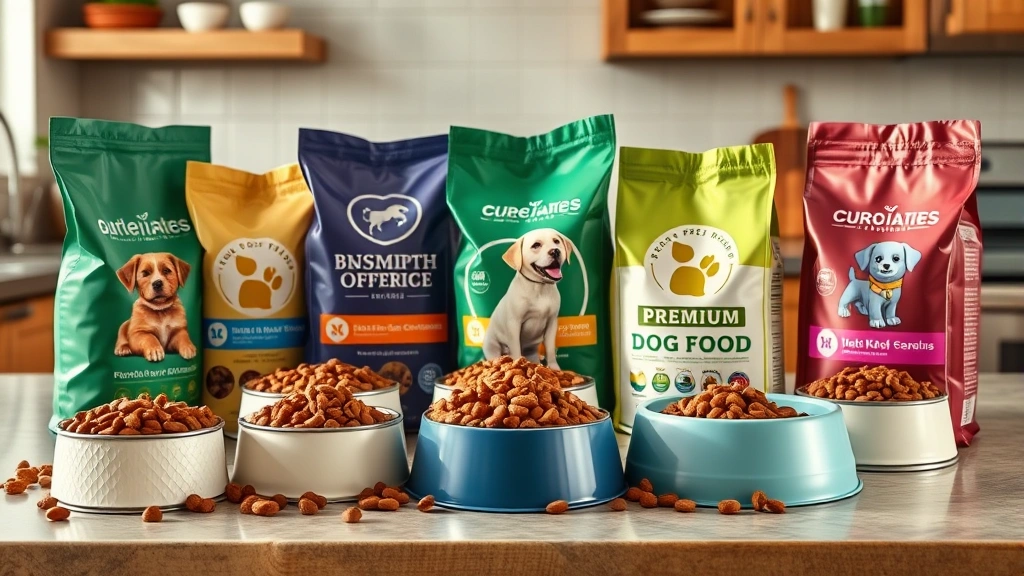
Several reputable brands offer hydrolyzed protein formulas. Hill’s Science Diet Hydrolyzed Protein is the prescription-grade gold standard that many vets recommend. Royal Canin Hydrolyzed Protein is another veterinary favorite with solid clinical backing. Purina Pro Plan Hydrolyzed Protein is widely available and reasonably priced.
If you’re looking at over-the-counter options, brands like Simply Nourish and Natural Balance offer hydrolyzed protein formulas at lower price points. Fromm also has limited hydrolyzed options. However, prescription diets from veterinary clinics typically have more rigorous quality control and clinical research backing them.
Transitioning Your Dog to Hydrolyzed Protein Food
Don’t just dump a bowl of new food in front of your dog and hope for the best. Transitioning to hydrolyzed protein requires patience and a gradual approach. Start by mixing 25% new food with 75% old food for three to five days. Then bump it to 50/50 for another three to five days. Progress to 75% new and 25% old, and finally go full transition.
This slow introduction gives your dog’s digestive system time to adjust and helps you identify if the new food is actually working. Some dogs need an even slower transition if they have particularly sensitive stomachs. Keep a food diary during this period—note any improvements in itching, digestion, or energy levels. This information is gold when discussing progress with your vet.
Potential Drawbacks and Considerations
Let’s be real: hydrolyzed protein isn’t perfect. First, it’s expensive. Prescription formulas can cost two to three times more than regular dog food. Second, it doesn’t taste great to many dogs—the hydrolysis process can make the food less palatable. Some pups turn their noses up at it initially, though most adjust within a week or two.
Third, hydrolyzed protein is typically only available through veterinary clinics or specialty retailers, not your local big-box pet store. Finally, while hydrolyzed protein works for many dogs, it’s not a magic bullet. Some dogs with severe allergies might need additional interventions like supplements, medications, or even environmental changes. Your vet is your best resource for determining if hydrolyzed protein is the right choice.
How to Know If Your Dog Needs Hydrolyzed Protein
If your dog is scratching excessively, has chronic ear infections, vomits regularly, has diarrhea, or has been diagnosed with food allergies by a vet, hydrolyzed protein might be worth trying. The best approach is to work with your veterinarian. They can perform allergy testing, review your dog’s medical history, and recommend whether hydrolyzed protein is appropriate.
Many vets recommend an elimination diet trial with hydrolyzed protein before trying other options. This involves feeding only the hydrolyzed protein diet (and approved treats) for six to eight weeks while monitoring for improvement. If symptoms improve significantly, you’ve likely identified a food allergy. If nothing changes, the issue might be environmental allergies or something else entirely.
Cost Analysis: Is It Worth the Investment?
Hydrolyzed protein dog food typically costs $40-$80 per bag (compared to $15-$30 for regular premium food). For a medium-sized dog, you might spend $100-$150 monthly on hydrolyzed protein versus $30-$50 on regular food. That’s a significant jump, but consider the alternative: vet visits for itching, ear infections, and digestive issues can easily cost $500-$1,500 annually.
Many dog parents find that the investment in hydrolyzed protein food saves money overall by reducing vet visits and medication costs. Plus, a dog that’s not constantly itching and uncomfortable is priceless. It’s an investment in quality of life, not just nutrition.

Combining Hydrolyzed Protein with Other Dietary Strategies
Some dogs benefit from combining hydrolyzed protein with other dietary adjustments. Adding rice as a carbohydrate source can further reduce allergen exposure. Omega-3 supplements support skin and coat health. Some vets recommend adding probiotics to support gut health and immune function. Plant-based proteins like tofu might be incorporated in some hydrolyzed formulas, though most use animal proteins.
Your veterinarian can recommend specific supplements or dietary additions that work well with hydrolyzed protein. The goal is creating a comprehensive approach that addresses your dog’s specific health needs, not just their food allergies.
Frequently Asked Questions
How long does it take for hydrolyzed protein to work?
Most dogs show noticeable improvement within two to four weeks, though some take up to eight weeks. The timeline depends on the severity of the allergy and how well your dog’s system responds to the new food. Keep a journal of symptoms to track progress accurately.
Can I use hydrolyzed protein for dogs without allergies?
Technically yes, but it’s not necessary. Hydrolyzed protein is specifically formulated for dogs with allergies or sensitivities. Regular, high-quality dog food is sufficient for dogs without these issues. Save the expensive stuff for when you really need it.
Is hydrolyzed protein the same as broken down protein?
Yes, essentially. Hydrolyzed protein is protein that’s been broken down through hydrolysis into smaller amino acid chains. The terms are used interchangeably in the pet food industry.
Will my dog’s allergies go away on hydrolyzed protein?
Hydrolyzed protein manages allergies; it doesn’t cure them. If your dog has a food allergy, they’ll likely need to stay on hydrolyzed protein or an appropriate limited ingredient diet long-term. However, some dogs can eventually transition to other diets if they’re given time and careful management.
Can I make hydrolyzed protein dog food at home?
Not practically. The hydrolysis process requires specialized equipment and precise control of temperature, pH, and enzymes. Homemade attempts won’t achieve the same molecular breakdown. Stick with commercial formulas from reputable manufacturers.
Are there any side effects of hydrolyzed protein?
Side effects are rare, but some dogs experience temporary digestive upset during the transition period. This usually resolves within a week or two. If your dog experiences persistent vomiting, diarrhea, or other concerning symptoms, contact your vet immediately.
Final Thoughts: Making the Right Choice for Your Pup
Hydrolyzed protein dog food is a legitimate, science-backed solution for dogs with food allergies and sensitivities. While it’s more expensive than regular dog food and requires a commitment to long-term feeding, the quality of life improvements for affected dogs make it worthwhile. If your dog is scratching, has digestive issues, or has been diagnosed with food allergies, hydrolyzed protein deserves serious consideration.
Work closely with your veterinarian to determine if hydrolyzed protein is right for your dog, monitor progress during the transition period, and be patient. Some dogs respond dramatically within weeks; others need more time. The investment in your dog’s health today pays dividends in reduced vet bills and a happier, more comfortable companion tomorrow. Your pup will thank you by spending less time scratching and more time enjoying life.





