
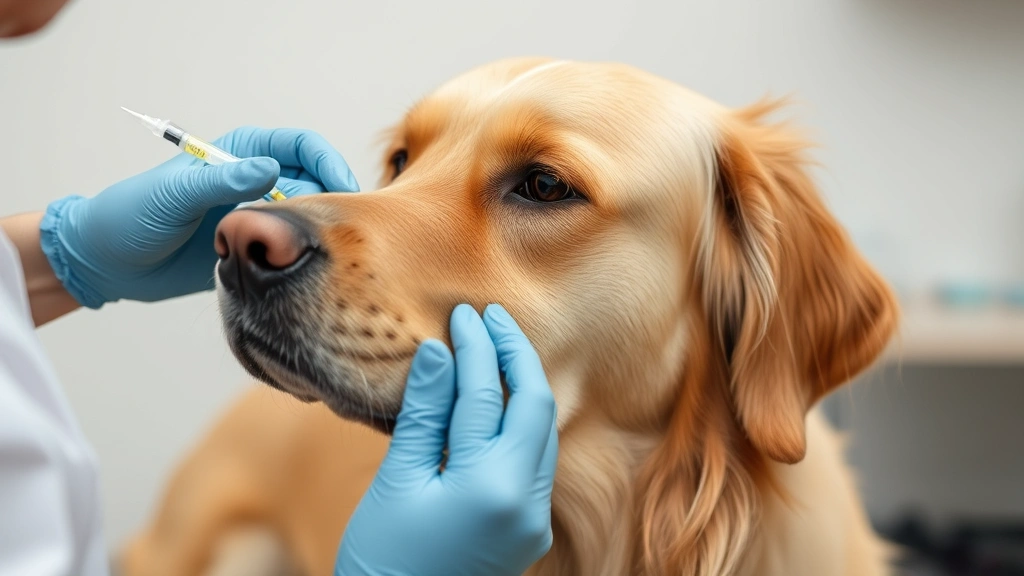
If you’re wondering what is Librela for dogs, you’re about to discover one of the most game-changing pain management solutions for your furry best friend. Librela is an injectable medication that’s revolutionizing how vets treat chronic pain in dogs, especially those suffering from osteoarthritis. Instead of wrestling your pup with daily pills, Librela offers a once-a-month injection that keeps pain at bay—and honestly, it’s a godsend for pet parents tired of the medication struggle.
Table of Contents
- Understanding Librela: The Basics
- How Librela Works: The Science Behind the Relief
- Librela vs. Traditional Pain Management Options
- Conditions That Benefit From Librela Treatment
- The Injection Process: What to Expect
- Potential Side Effects and Safety Considerations
- Dosing and Treatment Schedule
- Cost and Insurance Coverage
- Real-World Results: What Dog Owners Are Saying
- Combining Librela With Other Treatments
- When to Consider Librela for Your Dog
- Frequently Asked Questions
- Conclusion: Taking the Next Step
Understanding Librela: The Basics
Librela is a monoclonal antibody medication designed specifically to target and neutralize nerve growth factor (NGF), a protein responsible for transmitting pain signals throughout the body. Think of it as a bouncer at a nightclub, but instead of keeping rowdy guests out, it’s blocking pain messages from reaching your dog’s brain. The medication comes in pre-filled syringes and is administered by your veterinarian as a subcutaneous injection—meaning it goes under the skin, just like a vaccine.
The active ingredient in Librela is bedinvetmab, and it’s FDA-approved for dogs with osteoarthritis pain. Unlike traditional NSAIDs (non-steroidal anti-inflammatory drugs) that you might be familiar with, Librela works through a completely different mechanism, making it an excellent option for dogs who don’t respond well to conventional pain relievers.
How Librela Works: The Science Behind the Relief
Here’s where it gets interesting. Your dog’s body naturally produces NGF when joints are damaged or inflamed. NGF then sends pain signals to the nervous system, essentially telling your pup’s brain, “Hey, something hurts down here!” Librela swoops in and binds to NGF molecules, preventing them from activating pain receptors. It’s like turning down the volume on a speaker that won’t stop blaring.
The injection provides sustained relief for approximately 28 days, which means you’re looking at just 12 injections per year instead of daily pills. Studies show that Librela can reduce pain and improve mobility in dogs with osteoarthritis, often within the first few weeks of treatment. Many pet parents report their dogs returning to their old selves—more playful, more willing to go for walks, and generally happier.

Librela vs. Traditional Pain Management Options
When it comes to managing chronic dog pain, you’ve got options. Traditional NSAIDs like carprofen and meloxicam are affordable and widely available, but they require daily dosing and can cause gastrointestinal issues in some dogs. Natural alternatives like turmeric offer some anti-inflammatory benefits, but they’re generally less potent than prescription medications.
Librela stands apart because it’s not an anti-inflammatory—it’s a pain-blocking agent. This means it can work alongside NSAIDs or even replace them entirely, depending on your vet’s recommendation. For senior dogs with sensitive stomachs or those who’ve developed tolerance to traditional painkillers, Librela often becomes the preferred choice. Plus, there’s no daily pill-popping drama, which is a massive quality-of-life improvement for both you and your dog.

Conditions That Benefit From Librela Treatment
While Librela is primarily FDA-approved for osteoarthritis pain in dogs, veterinarians sometimes use it off-label for other chronic pain conditions. Osteoarthritis is the main indication—that degenerative joint disease that plagues so many senior dogs, causing stiffness, limping, and reluctance to exercise.
Dogs with joint pain from previous injuries, hip dysplasia, or elbow dysplasia may also benefit from Librela. Some vets explore it for post-surgical pain management or other chronic pain syndromes. However, always work with your veterinarian to determine if Librela is appropriate for your specific dog’s condition. If your dog is experiencing lethargy or reduced mobility, it might be worth discussing with your vet—learn more about lethargic dogs to understand potential underlying causes.

The Injection Process: What to Expect
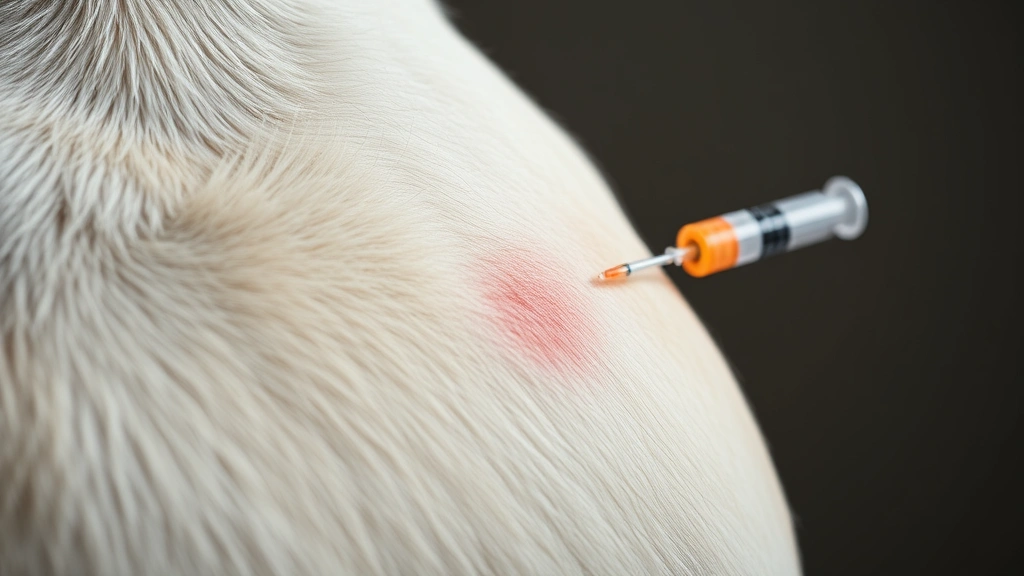
Your vet will administer Librela as a subcutaneous injection, typically in the shoulder area or along the back. The needle is small, and most dogs tolerate the injection well—often better than they tolerate struggling through pill administration. The entire process takes just a few minutes, and your dog can usually go home immediately afterward.
There’s no special preparation needed before the injection, and you don’t need to fast your dog or do anything unusual. Just bring your pup to the appointment, let the vet do their thing, and head home. Mark your calendar for the next month’s appointment, and you’re golden. Some dogs might experience mild soreness at the injection site, but this typically resolves within a day or two.

Potential Side Effects and Safety Considerations
Like any medication, Librela comes with potential side effects, though most dogs tolerate it remarkably well. The most commonly reported side effects include injection site reactions (mild swelling or tenderness), diarrhea, and vomiting. These side effects are usually mild and temporary.
More serious but rare side effects can include allergic reactions or neurological changes. Some dogs have experienced decreased appetite or lethargy after injection, though these typically resolve quickly. It’s crucial to monitor your dog for the first few days after each injection and report any concerning symptoms to your vet.

Librela isn’t recommended for dogs with certain conditions, including those with severe infections or immune system disorders. Pregnant or nursing dogs shouldn’t receive Librela, and it’s not approved for dogs under 12 months of age. Always disclose your dog’s complete medical history to your veterinarian before starting treatment.
Dosing and Treatment Schedule
Librela comes in two strengths: 16 mg and 8 mg injections. Your vet will determine the appropriate dose based on your dog’s weight and specific condition. The standard protocol is one injection every 28 days, making it incredibly convenient for long-term pain management.

Most dogs begin showing improvement within 1-2 weeks of the first injection, though some may take up to 4 weeks to experience full benefits. Your vet might recommend starting with a trial period to assess how well your individual dog responds. If Librela works well for your pup, you’ll simply maintain the monthly injection schedule as long as pain relief is needed.
Cost and Insurance Coverage
Librela isn’t cheap—expect to pay anywhere from $50 to $150 per injection depending on your location and veterinary clinic. That works out to roughly $600-$1,800 annually, which is a significant investment. However, when you factor in the cost of daily medications, vet visits for pain management issues, and the improved quality of life for your dog, many pet parents find it worthwhile.

Some pet insurance plans cover Librela, though coverage varies widely. Check with your insurance provider before starting treatment. Some vets also offer package deals if you prepay for multiple injections, which can help reduce costs. Don’t hesitate to discuss pricing options with your veterinarian—they often have ways to make treatments more affordable.
Real-World Results: What Dog Owners Are Saying
Pet parents who’ve switched their dogs to Librela often report dramatic improvements in their dogs’ mobility and quality of life. Dogs that were reluctant to walk, jump, or play suddenly become more active and engaged. Senior dogs seem to shed years off their movement patterns, and the relief in their eyes is unmistakable.

Many owners appreciate the convenience factor just as much as the pain relief. No more hiding pills in peanut butter, no more struggling with resistant dogs, and no more worrying about whether your pup actually swallowed the medication. It’s straightforward, effective, and requires minimal effort on your part.
Of course, results vary from dog to dog. Some dogs show dramatic improvement, while others experience moderate relief. A few dogs don’t respond as well to Librela, but the majority of dogs treated with this medication show meaningful pain reduction and improved function.

Combining Librela With Other Treatments
Librela works well as a standalone treatment, but it can also be combined with other pain management strategies for maximum benefit. Many vets recommend pairing Librela with physical therapy, weight management, or joint supplements containing glucosamine and chondroitin.
If your dog has Lyme disease, which can cause joint pain and inflammation, addressing the underlying condition while using Librela for pain management creates a comprehensive treatment approach. Your vet might also recommend dietary adjustments—especially if your dog has pancreatitis or other digestive issues—to support overall health while managing pain.

When to Consider Librela for Your Dog
If your dog is showing signs of chronic pain—limping, reluctance to exercise, difficulty rising from a lying position, or behavioral changes related to discomfort—it’s time to chat with your vet about pain management options. Librela becomes an especially attractive choice if:
Your dog hasn’t responded well to traditional NSAIDs, your dog has a sensitive stomach that doesn’t tolerate daily medications well, you’re struggling with daily pill administration, your dog’s pain symptoms are significantly impacting quality of life, or you’re looking for a convenient long-term pain management solution. Don’t wait until your dog is severely limited by pain—early intervention often produces better results.

Frequently Asked Questions
Is Librela safe for long-term use in dogs?
Yes, Librela is designed for long-term use and can be administered continuously as long as your dog benefits from pain relief and tolerates the medication well. Your vet will monitor your dog regularly to ensure the treatment remains appropriate. Regular check-ups help catch any potential issues early.
How quickly does Librela work?
Most dogs begin experiencing pain relief within 1-2 weeks of their first injection, though some take up to 4 weeks to show full benefits. The medication builds up in the system, so patience during the first month is important. Once it’s working, the relief is typically consistent throughout the 28-day cycle.
Can Librela be used with other pain medications?
Yes, Librela can often be used alongside other pain management strategies, including some NSAIDs, supplements, and physical therapy. However, always consult your veterinarian before combining medications. Your vet will determine the safest and most effective combination for your dog’s specific situation.
What happens if I miss a monthly injection?
If you miss a scheduled injection, contact your vet immediately to reschedule. Don’t double up on doses. Missing an injection might result in increased pain symptoms, but resuming the regular schedule will typically restore pain relief within a few days to a week.
Are there any breed-specific concerns with Librela?
Librela can be used in dogs of any breed, though larger breeds and those predisposed to joint problems (like German Shepherds and Labradors) are common candidates for treatment. Your vet will assess your individual dog’s needs regardless of breed.
How do I know if Librela is working for my dog?
Look for improvements in mobility, increased willingness to exercise, reduced limping, easier movement when rising or lying down, and improved overall attitude and playfulness. Keep a journal of your dog’s behavior before and after starting Librela to track changes objectively.
Conclusion: Taking the Next Step
Librela represents a significant advancement in canine pain management, offering pet parents a convenient, effective alternative to daily medications. By targeting the root cause of pain through NGF inhibition, Librela provides relief that many dogs simply don’t experience with traditional treatments. If your dog is struggling with chronic pain from osteoarthritis or other conditions, Librela deserves serious consideration.
Schedule a conversation with your veterinarian about whether Librela is right for your dog. Bring a list of your dog’s symptoms, current medications, and any concerns you have. Your vet can assess your individual dog’s situation and help you make an informed decision about pain management options. Remember, managing your dog’s pain isn’t just about comfort—it’s about preserving their quality of life and keeping them active, happy, and engaged for as many years as possible. Your senior pup deserves to enjoy their golden years without unnecessary suffering.





