
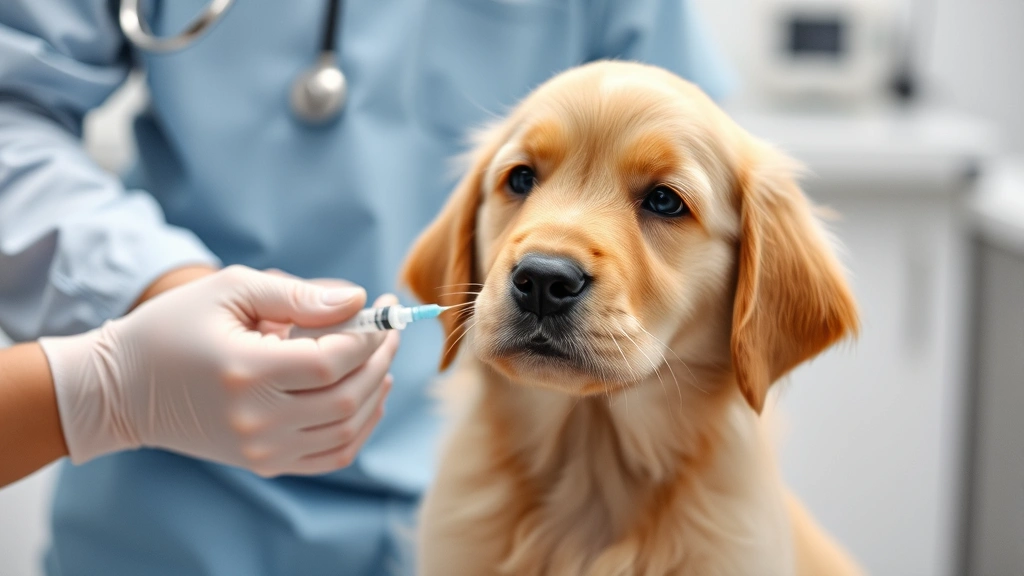
What Is the DHPP Shot for Dogs? Essential Guide
If you’re a dog parent, you’ve probably heard your veterinarian mention the DHPP shot at some point during your pup’s wellness visits. But what exactly is this vaccine, and why does your furry friend need it? The DHPP shot is one of the most important vaccines your dog can receive, protecting them against some of the most serious and potentially life-threatening canine diseases. Understanding what this vaccine covers and how it works is crucial for keeping your beloved companion healthy and happy throughout their life.
The DHPP vaccine is often called a “combo” or “combination” vaccine because it actually protects against four different diseases in one injection. This means fewer needle sticks for your pup and a more convenient vaccination schedule for you. Whether you’re a first-time dog owner or a seasoned pet parent, this comprehensive guide will walk you through everything you need to know about the DHPP shot, from what diseases it prevents to vaccination schedules and potential side effects.
Think of the DHPP vaccine as your dog’s personal bodyguard against some seriously nasty illnesses. When administered properly and on schedule, this vaccine can be the difference between a thriving dog and one facing serious health complications. Let’s dive into the details and make sure you’re giving your four-legged friend the protection they deserve.
What Does DHPP Stand For?
DHPP is an acronym that stands for the four diseases this vaccine protects against: Distemper, Hepatitis, Parvovirus, and Parainfluenza. Each letter represents a different viral disease that can affect dogs, and this combination vaccine delivers immunity against all four in a single shot. This is why it’s considered one of the most efficient and effective vaccines in veterinary medicine.
The genius behind the DHPP vaccine is its ability to trigger your dog’s immune system to create antibodies against multiple threats simultaneously. Rather than scheduling separate appointments for each vaccine, your vet can administer comprehensive protection in one convenient visit. This approach not only saves time but also reduces stress for your dog and makes it easier for pet owners to stay on top of their vaccination schedules.
Understanding the individual components of DHPP helps you appreciate why your vet recommends it so strongly. Each disease covered by this vaccine can cause serious illness or even death in unvaccinated dogs, making this vaccine one of the most important preventative health measures you can take for your pet.
The Four Diseases DHPP Protects Against
Let’s break down each disease covered by the DHPP vaccine so you understand exactly what you’re protecting your dog from:
Distemper (Canine Distemper Virus)
Canine distemper is a highly contagious viral disease that affects the respiratory, gastrointestinal, and nervous systems of dogs. This disease is spread through airborne droplets and can be transmitted from dog to dog very easily, especially in environments where multiple dogs gather. Symptoms include fever, coughing, nasal discharge, lethargy, and in severe cases, neurological problems like seizures. According to the AKC Canine Health Foundation, distemper can be fatal, particularly in puppies and unvaccinated dogs.
Hepatitis (Canine Adenovirus-1)
Canine hepatitis is caused by canine adenovirus-1 and primarily affects the liver, though it can also damage the kidneys and eyes. This disease can range from mild to severe, with symptoms including fever, abdominal pain, vomiting, and jaundice. The virus is spread through saliva, urine, and feces, making it easily transmissible between dogs. Severe cases can lead to hemorrhage and death, making vaccination crucial for your dog’s protection.
Parvovirus (Canine Parvovirus)
Canine parvovirus, or “parvo,” is one of the most serious threats to unvaccinated dogs, particularly puppies. This virus attacks the gastrointestinal system and can cause severe vomiting, diarrhea (often bloody), dehydration, and potentially fatal complications. Parvo is extremely contagious and can survive in the environment for months, making it a persistent threat. The ASPCA emphasizes that parvovirus is particularly dangerous because even with aggressive veterinary treatment, mortality rates can be significant in young or immunocompromised dogs.
Parainfluenza (Canine Parainfluenza Virus)
Canine parainfluenza is one of the viruses responsible for kennel cough, a contagious respiratory condition that causes a persistent, hacking cough in dogs. While parainfluenza alone is usually not life-threatening, it’s highly contagious and can spread rapidly through dog populations. When combined with other respiratory pathogens, it can lead to more serious complications, particularly in puppies, senior dogs, or those with compromised immune systems.
How Does the DHPP Vaccine Work?
The DHPP vaccine works by introducing your dog’s immune system to weakened or inactivated forms of the viruses it protects against. When your dog receives the vaccine, their immune system recognizes these harmless versions of the viruses and creates antibodies specifically designed to fight them off. This process is called immunization, and it’s the foundation of how all vaccines work.
Think of it like a training drill for your dog’s immune system. By exposing their body to a safe version of the threat, the immune system learns to recognize and respond to these diseases quickly and effectively. If your dog is ever exposed to the actual virus in the future, their immune system already knows exactly how to fight it off, preventing illness or significantly reducing the severity of any symptoms that might develop.
The timeline for immunity development is important to understand. It typically takes about 7-10 days after vaccination for your dog’s immune system to develop antibodies, and full immunity usually develops within 2-4 weeks. This is why puppies require a series of DHPP shots rather than just one—multiple doses ensure that immunity develops properly and lasts long-term.
DHPP Vaccination Schedule for Dogs
When it comes to what shots dogs need, the DHPP vaccine is typically given on a specific schedule that starts when puppies are very young. Understanding this schedule helps you ensure your puppy receives proper protection during their most vulnerable years.
Puppy Vaccination Schedule
Most veterinarians recommend starting DHPP vaccinations when puppies are 6-8 weeks old. Puppies typically receive a series of shots spaced 3-4 weeks apart, usually requiring three to four doses total:
- First dose: 6-8 weeks of age
- Second dose: 10-12 weeks of age
- Third dose: 14-16 weeks of age
- Fourth dose (if needed): 16-18 weeks of age
This series approach is necessary because puppies often have maternal antibodies from their mother’s milk that can interfere with vaccine effectiveness. By administering multiple doses, veterinarians ensure that once those maternal antibodies fade, the puppy’s own immune system has developed strong immunity.
Adult Dog Vaccination Schedule
After completing the puppy series, adult dogs typically receive a DHPP booster shot one year later. Following that first booster, the American Animal Hospital Association (AAHA) recommends DHPP boosters every three years for most dogs. However, some veterinarians may recommend annual boosters, so it’s important to discuss the best schedule for your individual dog with your vet.
The reason for boosters is that vaccine immunity doesn’t last forever. Over time, the level of antibodies in your dog’s system gradually decreases, so periodic boosters help maintain protection. Your veterinarian can help determine the ideal booster schedule based on your dog’s age, health status, lifestyle, and local disease prevalence.
DHPP vs. DHLPP: What’s the Difference?
You might have heard your vet mention DHLPP instead of DHPP, and you’re probably wondering what the difference is. The answer is simple but important. DHLPP is essentially DHPP with an additional “L” that stands for Leptospirosis, which is a bacterial disease that can affect dogs and humans.
Here’s the breakdown:
- DHPP = Distemper, Hepatitis, Parvovirus, Parainfluenza
- DHLPP = Distemper, Hepatitis, Leptospirosis, Parvovirus, Parainfluenza
Leptospirosis is spread through contaminated water and urine from infected animals, including wildlife. It’s a bacterial infection that can cause kidney and liver damage. Whether your dog needs the leptospirosis component depends on several factors, including your location, your dog’s lifestyle, and their exposure risk. Dogs that spend time outdoors, near bodies of water, or in areas with known leptospirosis cases may benefit from the DHLPP vaccine instead of DHPP.
Your veterinarian will recommend which vaccine is most appropriate for your dog based on their individual circumstances. Some vets routinely recommend DHLPP as standard protection, while others reserve it for dogs with higher exposure risk. This is definitely a conversation to have with your vet at your next appointment.
Potential Side Effects and Safety
Like all vaccines, the DHPP shot can occasionally cause side effects in dogs, though serious reactions are relatively rare. Understanding what to expect helps you monitor your dog after vaccination and know when to contact your veterinarian.
Common, Mild Side Effects
Most dogs experience no side effects at all from the DHPP vaccine, but some may have mild reactions that typically resolve within 24-48 hours:
- Soreness or swelling at the injection site
- Mild fever
- Lethargy or decreased appetite
- Mild swelling of the face or muzzle
- Temporary behavior changes
These mild side effects are actually signs that your dog’s immune system is responding to the vaccine, which is exactly what you want to happen. You can help your dog feel more comfortable by allowing extra rest time and providing plenty of water.
Serious Adverse Reactions
Serious allergic reactions to the DHPP vaccine are uncommon but can occur. Contact your veterinarian immediately if your dog experiences:
- Difficulty breathing or wheezing
- Severe swelling of the face, throat, or tongue
- Collapse or loss of consciousness
- Severe vomiting or diarrhea
- Seizures
- Persistent lethargy or unresponsiveness
If you notice any of these symptoms, get your dog to a veterinary clinic as quickly as possible. While these reactions are rare, they require immediate medical attention.
Vaccine Safety and Risks vs. Benefits
It’s important to put vaccine safety into perspective. The American Veterinary Medical Association (AVMA) emphasizes that the benefits of vaccination far outweigh the risks of adverse reactions. The diseases that DHPP protects against are far more dangerous than the vaccine itself. Unvaccinated dogs face serious risks of illness and death from these preventable diseases.
Your veterinarian can discuss your dog’s individual health status and any concerns you might have about vaccination. Dogs with certain health conditions may need modified vaccination schedules, and your vet can help determine the safest approach for your specific dog.
Cost Considerations
Understanding the cost of dog vaccines helps you budget for your pet’s healthcare. How much dog vaccines cost varies depending on several factors, including your location, the veterinary clinic, and whether you’re vaccinating a puppy or an adult dog.
Typically, a single DHPP vaccine costs between $15-$30 at most veterinary clinics, though prices can vary. Puppies requiring a series of vaccinations might spend $50-$100 total on their initial DHPP series, depending on how many doses they need. Adult booster shots are usually a single dose, so they fall on the lower end of that price range.
When considering vaccine costs, remember that you’re investing in preventative care that can save you thousands of dollars in emergency veterinary bills if your dog contracts one of these serious diseases. Treatment for parvovirus, for example, can cost $1,000-$5,000 or more, and even with aggressive treatment, the outcome isn’t guaranteed. Prevention through vaccination is far more cost-effective than treating these diseases after infection.
Some animal welfare organizations and low-cost clinics offer discounted vaccination services if cost is a concern. Additionally, some veterinary clinics offer wellness packages that include vaccinations at reduced rates. Don’t hesitate to ask your veterinarian about available options.
Frequently Asked Questions
Is the DHPP vaccine absolutely necessary?
Yes, DHPP is considered one of the absolutely necessary vaccines for dogs. The diseases it protects against are serious, potentially fatal, and easily transmitted between dogs. Most veterinarians and animal health organizations recommend this vaccine as core protection for all dogs, regardless of lifestyle or location.
Can I give my dog the DHPP vaccine at home?
No, the DHPP vaccine must be administered by a licensed veterinarian. While some vaccines can be given at home by trained individuals, DHPP requires professional administration to ensure proper storage, handling, and dosage. Additionally, your veterinarian needs to examine your dog and verify they’re healthy enough for vaccination before administering it.
How long does DHPP immunity last?
DHPP immunity typically lasts 1-3 years, depending on the individual dog and the specific vaccine formulation used. This is why booster shots are necessary to maintain protection. Your veterinarian can recommend the appropriate booster schedule for your dog.
Can older dogs receive the DHPP vaccine?
Yes, older dogs can receive DHPP vaccines. In fact, senior dogs benefit from continued protection against these serious diseases. However, your veterinarian may recommend modifications to the vaccination schedule based on your senior dog’s health status. Always consult with your vet before vaccinating an older dog, especially if they have underlying health conditions.
What’s the difference between DHPP and rabies vaccines?
DHPP and rabies are two different vaccines that protect against different diseases. DHPP protects against distemper, hepatitis, parvovirus, and parainfluenza, while rabies vaccines protect against the rabies virus. Both are important, and most dogs need both vaccines. Rabies vaccination is often required by law in many areas, while DHPP is strongly recommended as core protection.
Can vaccines cause other health problems later in life?
The scientific evidence does not support the idea that properly administered vaccines cause long-term health problems in dogs. Peer-reviewed veterinary research consistently demonstrates that vaccines are safe and the risks of the diseases they prevent far outweigh any potential vaccine-related complications. If you have specific health concerns about your dog, discuss them with your veterinarian.
Is DHPP the same as DHPP vaccine?
Yes, DHPP shot and DHPP vaccine refer to the same thing. “Shot” and “vaccine” are used interchangeably in veterinary medicine. Both terms describe the same immunization that protects against distemper, hepatitis, parvovirus, and parainfluenza.
Do indoor dogs need DHPP vaccination?
Yes, even indoor dogs need DHPP vaccination. While indoor dogs have less exposure to other dogs and wildlife, they can still encounter these viruses through contact with other animals, contaminated surfaces, or if they ever escape or visit outdoor areas. Additionally, even strictly indoor dogs can be exposed to airborne viruses. Vaccination ensures protection regardless of lifestyle.
What should I do if I miss my dog’s booster appointment?
If you miss a booster appointment, contact your veterinarian to reschedule as soon as possible. Your dog’s immunity may have decreased, leaving them vulnerable to these diseases. Your vet can advise whether your dog needs a full revaccination series or if a single booster will suffice based on how long ago their last vaccination was.





