

So, what is the IQ of a dog? Well, here’s the thing—your furry best friend is probably smarter than you think, and definitely smarter than that time they ate your homework. Dogs possess a fascinating blend of instinctive intelligence, adaptive learning, and emotional awareness that makes measuring their IQ in traditional human terms pretty much impossible. But that doesn’t mean we can’t explore just how clever our canine companions really are.
Table of Contents
- Understanding Canine Intelligence: It’s Not Like Human IQ
- The Three Types of Dog Intelligence Explained
- How Smart Are Dogs Compared to Other Animals?
- The Smartest Dog Breeds: Nature Meets Nurture
- What Research Actually Says About Dog IQ Testing
- Can Dogs Really Understand What We’re Saying?
- The Role of Emotional Intelligence in Dog Smarts
- Training and Mental Stimulation: Unlocking Your Dog’s Potential
- Age and Intelligence: How Dog Smarts Change Over Time
- Individual Variation: Your Dog’s Unique Brain
- Practical Applications: What Dog Intelligence Means for Owners
- Frequently Asked Questions
- Conclusion: Your Dog Is Smarter Than You Think
Understanding Canine Intelligence: It’s Not Like Human IQ
First things first: dogs don’t take the SAT. Intelligence in dogs operates on a completely different wavelength than human intelligence. When scientists try to measure dog intelligence levels, they’re not comparing Fido’s brain to yours on a standardized test. Instead, they’re looking at how dogs solve problems, respond to training, and navigate their environment. Think of it less like comparing test scores and more like comparing different types of expertise—a dog’s brain is optimized for things humans struggle with, like detecting emotions through scent and reading body language.
The Three Types of Dog Intelligence Explained
Researchers have identified three distinct categories of canine intelligence that paint a much clearer picture than a single IQ number ever could. Instinctive intelligence refers to the natural behaviors dogs were bred for—herding, hunting, retrieving, or guarding. An Australian Shepherd’s instinct to herd is pure genius in action, even if that dog can’t solve calculus problems. Adaptive intelligence is how well a dog learns from its environment and solves new problems independently. This is where you see the real “aha!” moments, like when your dog figures out how to open the treat cabinet. Finally, working and obedience intelligence measures how quickly a dog learns commands and how well it follows instructions from humans. This is probably what most people think of when they imagine dog smarts.

How Smart Are Dogs Compared to Other Animals?
In terms of raw cognitive ability, dogs rank pretty impressively in the animal kingdom. Studies suggest that dogs have roughly the same intelligence level as a 2 to 2.5-year-old human child. That might sound limiting until you remember that a 2-year-old can’t drive a car, but a dog can navigate complex social hierarchies, understand hundreds of words, and manipulate humans into giving them treats. Dogs consistently outperform cats in problem-solving tasks and show more sophisticated social reasoning. They’re also way ahead of rabbits, hamsters, and most other common pets. The only animals that rival or exceed dogs in overall intelligence are primates, dolphins, and elephants—pretty elite company.
The Smartest Dog Breeds: Nature Meets Nurture
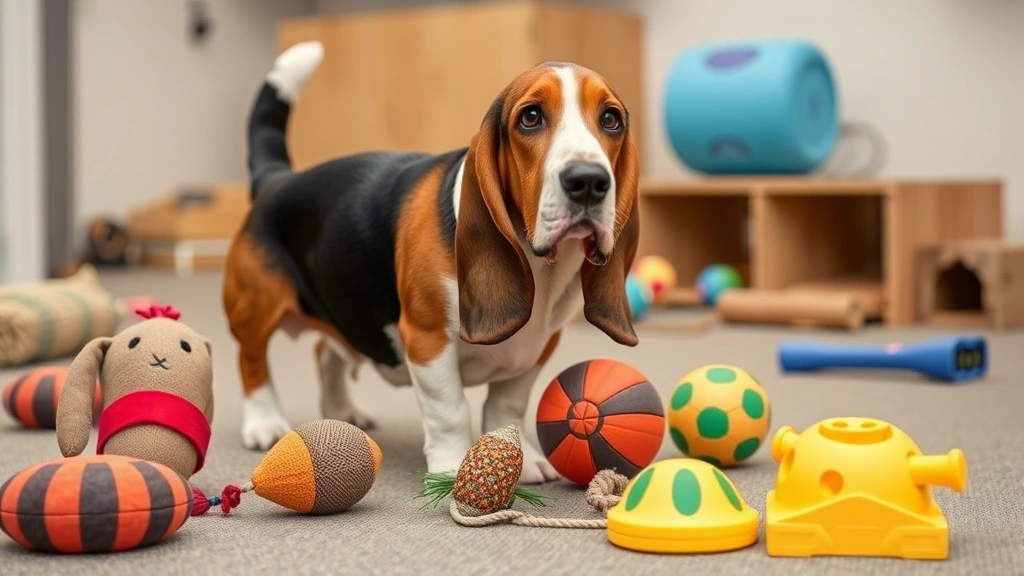
Not all dogs are created equal when it comes to trainability and working intelligence. Border Collies consistently rank as the most intelligent breed, with some individuals understanding over 1,000 words. Poodles, German Shepherds, Golden Retrievers, and Doberman Pinschers round out the top tier of intelligent dog breeds. But here’s the catch—a Border Collie raised without stimulation might be less impressive than a well-trained mixed breed. Intelligence without engagement is like having a Ferrari parked in your garage forever. The Louisiana Catahoula Leopard Dog demonstrates exceptional problem-solving abilities for hunting and herding tasks, showcasing how breed-specific intelligence manifests differently. Meanwhile, breeds like Basset Hounds and Bulldogs get unfairly labeled as “dumb” when they’re really just more independent thinkers—they’re the rebels of the dog world, not the dunces.

What Research Actually Says About Dog IQ Testing
Scientists have developed various tests to measure dog intelligence, and the results are genuinely fascinating. The American Kennel Club recognizes that intelligence varies widely between individual dogs, even within the same breed. In one famous study, researchers tested dogs’ ability to understand human gestures, follow pointing, and solve puzzle toys. The results showed that most dogs could understand human pointing better than wolves or even chimpanzees—a skill that developed during thousands of years of domestication. Other tests measure memory retention, the ability to learn new commands quickly, and problem-solving creativity. A dog that can figure out how to use a lever to open a puzzle box is demonstrating genuine cognitive ability that goes beyond mere obedience.
Can Dogs Really Understand What We’re Saying?
Your dog’s vocabulary is probably more impressive than you realize. Research from PetMD indicates that the average dog can understand about 165 words, with some exceptionally smart dogs reaching 250 words or more. But it gets weirder—dogs don’t just memorize sounds; they actually understand the concepts behind words. They know the difference between “walk” and “run,” and they comprehend that “go get the ball” requires them to retrieve a specific object. Some dogs have even demonstrated understanding of object permanence—knowing that a toy still exists even when hidden from view. This is cognitive stuff that would impress a philosophy professor.

The Role of Emotional Intelligence in Dog Smarts
Here’s where dogs absolutely blow humans out of the water: emotional intelligence. Dogs are exceptional at reading human emotions through facial expressions, tone of voice, and body language. They can tell when you’re sad, anxious, or about to leave the house (that last one is basically supernatural). Therapy dogs and service dogs demonstrate extraordinary emotional awareness, responding appropriately to human distress in ways that require genuine understanding, not just trained behavior. Dogs also understand fairness and get genuinely upset when they perceive unfair treatment—if one dog gets a treat and another doesn’t, the unfairly treated dog will protest loudly. This suggests a level of social reasoning and moral awareness that’s genuinely remarkable.
Training and Mental Stimulation: Unlocking Your Dog’s Potential
The good news is that you can actually improve your dog’s cognitive abilities through training and enrichment. Mental stimulation is just as important as physical exercise for keeping your dog’s brain sharp. Puzzle toys, scent games, obedience training, and even teaching your dog tricks all strengthen neural pathways and keep cognitive decline at bay as dogs age. The Lab and Husky Mix Dogs benefit tremendously from structured training that channels their natural intelligence toward productive behaviors. Dogs that receive consistent mental challenges show better problem-solving abilities and fewer behavioral problems than under-stimulated dogs. It’s the difference between a dog that’s a joy to live with and one that eats your couch out of boredom.

Age and Intelligence: How Dog Smarts Change Over Time
Puppies are basically tiny furry idiots—no offense to your puppy. Their brains are still developing, and they lack the impulse control and reasoning ability of adult dogs. Dogs reach peak cognitive ability around 7-8 years old, then gradually decline. However, older dogs often show improved problem-solving ability and better emotional regulation than younger dogs, similar to how human wisdom increases with age even as processing speed decreases. Senior dogs might be slower to learn new tricks, but they’re often better at understanding complex social situations and reading human intentions. This is why many older dogs are excellent therapy animals—they’ve had years to develop their emotional intelligence.
Individual Variation: Your Dog’s Unique Brain
Just like humans, individual dogs show wildly different intelligence levels even within the same breed. Some LGD Dog breeds demonstrate remarkable independent thinking and problem-solving, while others are more content following established patterns. Genetics play a role, but environment, training, socialization, and individual personality matter enormously. That “dumb” dog might actually be intelligent but stubborn, or intelligent but anxious, or intelligent but completely uninterested in pleasing you. Dogs aren’t motivated by the same things humans are—they don’t care about impressing you or proving their intelligence. They care about food, play, and your attention, in that order.

Practical Applications: What Dog Intelligence Means for Owners
Understanding your dog’s intelligence should change how you interact with them. A highly intelligent dog needs more mental stimulation or it’ll become destructive and anxious. A dog with lower trainability might respond better to positive reinforcement and patience rather than expecting rapid learning. Breeds like the Mountain Feist Dog have been developed for specific tasks and demonstrate intelligence tailored to those purposes. Recognizing your individual dog’s strengths—whether that’s problem-solving, emotional awareness, or physical task completion—allows you to work with their natural abilities rather than against them. It’s the difference between being frustrated with your dog and actually enjoying the unique personality and capabilities they bring to your life.
Frequently Asked Questions
What is the average IQ of a dog?
Dogs don’t have IQ scores like humans do, but research suggests they have cognitive abilities comparable to a 2-2.5 year old child. They can understand around 165 words on average, with some dogs reaching 250+ words. Intelligence varies significantly by breed and individual dog.
Which dog breed is the most intelligent?
Border Collies consistently rank as the most intelligent dog breed, with exceptional problem-solving abilities and the capacity to learn over 1,000 words. Poodles, German Shepherds, Golden Retrievers, and Doberman Pinschers also rank among the smartest breeds.
Can dogs understand human language?
Yes, dogs genuinely understand language beyond just associating sounds with actions. They comprehend the concepts behind words, understand object permanence, and can differentiate between similar commands. They also understand tone and emotional content in human speech.
How can I make my dog smarter?
Mental stimulation through training, puzzle toys, scent games, and teaching new tricks strengthens your dog’s cognitive abilities. Consistent training, socialization, and environmental enrichment all contribute to developing and maintaining your dog’s intelligence throughout their life.
Do older dogs lose intelligence?
Dogs show gradual cognitive decline with age, similar to humans. However, they often develop greater emotional intelligence and wisdom. Senior dogs may learn more slowly but often show improved problem-solving and social understanding compared to younger dogs.
Conclusion: Your Dog Is Smarter Than You Think
So, what is the IQ of a dog? The answer is far more nuanced than a simple number. Your dog possesses multiple types of intelligence—instinctive, adaptive, and obedience-based—that work together to create a genuinely sophisticated mind. They understand language, read emotions, solve problems, and navigate complex social situations. They’re not human-intelligent, but they’re intelligent in distinctly dog ways that often surpass human abilities in their specific domains. The next time your dog does something clever, remember that you’re witnessing genuine cognitive ability, not just programmed behavior. And if your dog seems less intelligent than others, remember that intelligence manifests differently in different animals—your dog is probably brilliant at things you haven’t even noticed yet. The real measure of your dog’s intelligence isn’t how quickly they learn commands; it’s how well they’ve learned to navigate life with you.





