
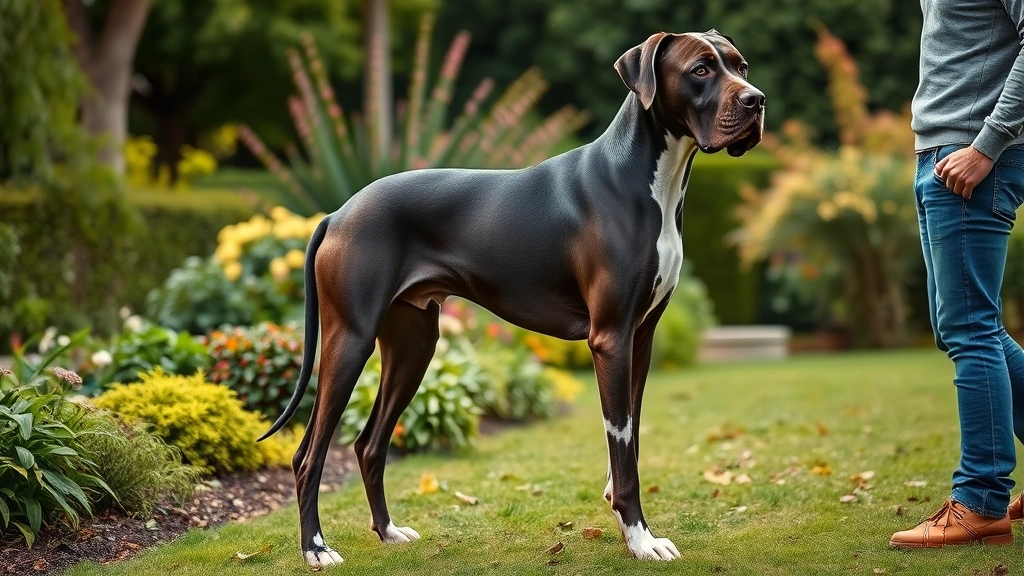
So you’re wondering what is the largest dog breed? Well, buckle up, because we’re about to introduce you to some absolute units of the canine world. These gentle giants can weigh as much as a grown man, eat more than your entire family combined, and somehow still think they’re lap dogs. If you’ve got the space, the budget, and the love to give, these massive pups might just be your perfect match.
Table of Contents
- The Great Dane: The Tallest of Them All
- English Mastiffs: The Weight Champions
- Saint Bernards: The Mountain Rescue Heroes
- Newfoundlands: The Water-Loving Swimmers
- Bernese Mountain Dogs: The Alpine Beauties
- Leonbergers: The Golden Giants
- Irish Wolfhounds: The Tallest Sighthounds
- Anatolian Shepherds: The Livestock Guardians
- Caucasian Shepherd Dogs: The Mountain Protectors
- Tibetan Mastiffs: The Ancient Guardians
- Scottish Deerhounds: The Elegant Giants
- Care Considerations for Giant Breed Dogs
- Training and Socialization for Large Breed Dogs
- Health Issues Common in Giant Breeds
- Space and Living Requirements
- Nutrition for Large Breed Dogs
- Frequently Asked Questions
- Summary
The Great Dane: The Tallest of Them All
When we talk about sheer height, the Great Dane absolutely dominates the conversation. These magnificent creatures can stand up to 34 inches tall at the shoulder and weigh between 110 to 175 pounds. Despite their intimidating size, Great Danes are known as the “Apollo of Dogs” for their elegant, muscular build. They’re surprisingly gentle and make excellent family companions. Their short coat is relatively easy to maintain, though their drool situation is legendary. If you’re considering a Great Dane, be prepared for a dog that thinks it’s a small lap dog despite weighing as much as a refrigerator.
English Mastiffs: The Weight Champions
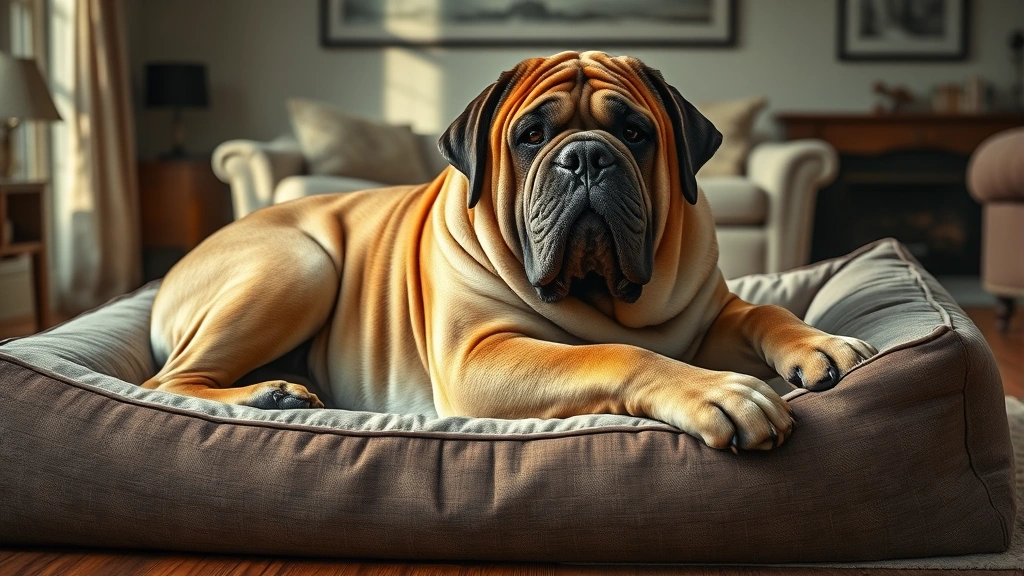
If we’re talking pure mass and weight, the English Mastiff takes the crown. These absolute tanks can weigh up to 230 pounds or more, making them potentially the heaviest dog breed in existence. English Mastiffs are calm, dignified, and surprisingly lazy—they’re basically the couch potatoes of the dog world. Their massive heads and powerful frames make them look intimidating, but they’re gentle souls who prefer lounging to intense exercise. Be warned: their food bills rival a teenager’s appetite, and they have a relatively short lifespan of 6-10 years.
Saint Bernards: The Mountain Rescue Heroes
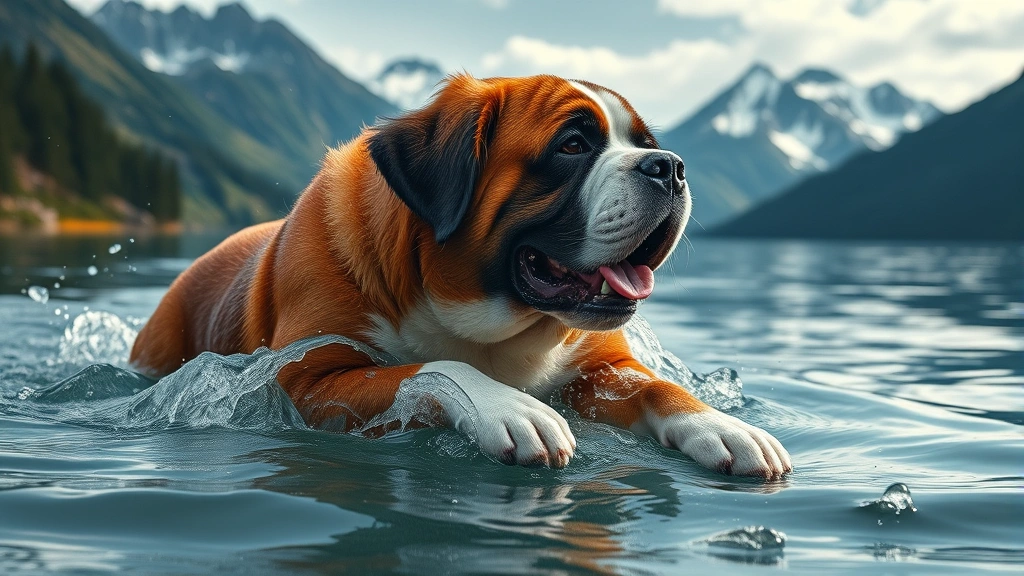
Saint Bernards are legendary for their heroic mountain rescue work in the Swiss Alps. These massive dogs can weigh up to 200 pounds and stand 28 inches tall. They’re known for their incredible strength, gentle temperament, and uncanny ability to find people in distress. Saint Bernards have thick, water-resistant coats that require regular grooming. They’re excellent with families and children, making them wonderful companions despite their enormous size. If you want a dog with a heroic heritage, a Saint Bernard might be your answer.
Newfoundlands: The Water-Loving Swimmers
Newfoundlands are among the largest dog breeds and are absolutely built for water activities. These magnificent swimmers can weigh up to 200 pounds and possess a water-resistant double coat. Originally bred as fishing dogs in Newfoundland, Canada, they’re natural swimmers with webbed paws and an instinctive love of water. Newfoundlands are incredibly patient and gentle, making them exceptional family dogs and even therapy dogs. Their intelligence and trainability set them apart from other giant breeds. If you have access to water and don’t mind a dog that sheds like a snowstorm, a Newfoundland could be perfect for you.
Bernese Mountain Dogs: The Alpine Beauties
Bernese Mountain Dogs are stunning large breed dogs that can weigh up to 115 pounds and stand 27 inches tall. Originally bred to herd cattle and pull carts in the Swiss Alps, they’re incredibly strong and dependable. Their distinctive tri-color coat is absolutely gorgeous, though it does shed considerably. Bernese Mountain Dogs are known for their loyalty, intelligence, and gentle nature. They thrive in cooler climates and enjoy outdoor activities. These dogs form deep bonds with their families and are excellent with children, though their lifespan is relatively short at 7-10 years.
Leonbergers: The Golden Giants
Leonbergers are large breed dogs that combine strength with surprising gentleness. These golden-colored giants can weigh up to 170 pounds and stand 31 inches tall. Bred in Germany, Leonbergers were originally used as water rescue dogs and livestock guardians. They’re incredibly intelligent, trainable, and possess a natural instinct to protect their families. Their thick, water-resistant coat requires regular grooming. Leonbergers are excellent swimmers and love outdoor activities. If you’re looking for a dog that’s both protective and gentle, a Leonberger might be your ideal match. Check out our guide on low energy dog breeds to understand how to manage their activity levels.
Irish Wolfhounds: The Tallest Sighthounds
Irish Wolfhounds are among the tallest dog breeds, often reaching 32 inches or more at the shoulder. These lean, muscular dogs can weigh up to 180 pounds despite their slender appearance. Originally bred to hunt wolves in Ireland, Irish Wolfhounds are surprisingly gentle and laid-back. They’re sighthounds, meaning they hunt by sight rather than scent, and they retain a strong prey drive. Despite their size, they’re surprisingly calm indoors and don’t require excessive exercise. Their short coat is relatively low-maintenance compared to other giant breeds. Irish Wolfhounds are sensitive souls who thrive on companionship and gentle handling.
Anatolian Shepherds: The Livestock Guardians
Anatolian Shepherds are massive livestock guardian dogs that can weigh up to 150 pounds and stand 29 inches tall. These powerful dogs were bred to protect flocks in Turkey and possess incredible strength and independence. Anatolian Shepherds are intelligent, loyal, and naturally protective of their families. They’re not ideal for first-time dog owners, as they require experienced handling and proper socialization. These dogs thrive on having a job to do and plenty of space to roam. Their short coat is easy to maintain, though they do shed seasonally. If you’re looking for a guardian dog with a strong work ethic, an Anatolian Shepherd could be perfect.
Caucasian Shepherd Dogs: The Mountain Protectors
Caucasian Shepherd Dogs are among the largest and most powerful dog breeds in the world. These massive dogs can weigh up to 220 pounds and stand 30 inches tall. Originally bred to protect livestock in the Caucasus Mountains, they’re incredibly strong, independent, and naturally protective. Caucasian Shepherds have thick, fluffy coats that shed heavily and require regular grooming. They’re loyal to their families but can be aloof with strangers. These dogs need experienced owners who understand their independent nature and can provide proper training and socialization. Their size and strength make them unsuitable for apartment living.
Tibetan Mastiffs: The Ancient Guardians
Tibetan Mastiffs are ancient guardian dogs that can weigh up to 160 pounds and stand 28 inches tall. These magnificent dogs have been protecting livestock and monasteries in the Himalayas for thousands of years. Tibetan Mastiffs possess thick, luxurious coats that shed dramatically during seasonal changes. They’re incredibly loyal, intelligent, and naturally protective of their families. These independent thinkers aren’t always eager to please, making them challenging for first-time dog owners. Tibetan Mastiffs thrive in cooler climates and need plenty of space. Their majestic appearance and ancient heritage make them fascinating companions for experienced dog owners.
Scottish Deerhounds: The Elegant Giants
Scottish Deerhounds are large sighthound dogs that can weigh up to 110 pounds and stand 32 inches tall. These elegant, lean dogs were originally bred to hunt red deer in the Scottish Highlands. Scottish Deerhounds are sensitive, gentle, and surprisingly couch-loving despite their athletic build. They possess a wiry coat that requires regular grooming to maintain. These dogs have a strong prey drive and need secure fencing to prevent them from chasing smaller animals. Scottish Deerhounds form deep bonds with their families and thrive on companionship. If you want a tall, elegant dog with a gentle temperament, a Scottish Deerhound might be your match. Learn more about managing large breed care by exploring our low shedding dog breeds guide.
Care Considerations for Giant Breed Dogs
Owning a giant breed dog comes with unique challenges and responsibilities. These large breed dogs require special nutrition formulated for their size and growth patterns. Giant breed puppies grow rapidly and need carefully controlled diets to prevent joint problems and developmental orthopedic disease. Healthcare costs are significantly higher for large dogs due to their size and potential health issues like hip dysplasia and heart problems. According to the American Kennel Club (AKC), giant breed dogs typically have shorter lifespans than smaller breeds, often living only 7-10 years. Space is another critical consideration—these dogs need room to move comfortably and shouldn’t be confined to small apartments. Regular veterinary checkups are essential for monitoring their health and catching potential issues early. Most giant breed dogs are surprisingly low-energy indoors, but they still need daily exercise and mental stimulation to stay healthy and happy.
Training and Socialization for Large Breed Dogs
Training giant breed dogs is absolutely essential, as their size makes them potentially dangerous if not properly controlled. Early socialization is crucial to ensure they develop into well-adjusted, confident adults. These intelligent dogs respond well to positive reinforcement training methods, though they can be stubborn and independent. Consistency and patience are key when working with large breed dogs. Many giant breeds were originally bred as working dogs, so they thrive when given a job or purpose. Basic obedience training should begin early, as teaching a 200-pound dog to sit is much easier when they weigh 50 pounds. Professional training can be invaluable for first-time giant breed owners. Proper leash training is critical, as these dogs can easily pull an unprepared handler off their feet. PetMD recommends enrolling giant breed puppies in training classes to establish good habits early.
Health Issues Common in Giant Breeds
Giant breed dogs are prone to specific health issues related to their size. Hip and elbow dysplasia are common in large breed dogs, causing pain and mobility problems. Heart disease, particularly dilated cardiomyopathy, affects many giant breeds. Bloat (gastric torsion) is a life-threatening emergency that’s more common in deep-chested, large breed dogs. Bone and joint problems develop more frequently in giant breeds due to their rapid growth rates. Cancer rates are higher in large dogs compared to smaller breeds. Regular health screening, appropriate nutrition, and controlled exercise during puppyhood can help prevent or minimize these issues. Working with a veterinarian experienced in giant breed care is essential for maintaining your dog’s health throughout their life.
Space and Living Requirements
Giant breed dogs require adequate space to live comfortably. While they’re often surprisingly low-energy indoors, they still need room to move without constantly bumping into furniture. A house with a fenced yard is ideal, though apartment living is possible if you’re committed to regular outdoor exercise. These dogs shouldn’t be forced to navigate stairs excessively, as this stresses their joints. Climate control is important, as many giant breeds struggle in hot weather due to their size and thick coats. Proper bedding is essential—hard floors can cause pressure sores on their elbows and hips. Baby gates and furniture arrangement should accommodate their size, as they often don’t realize how much space their bodies take up. Consider the logistics of transportation, veterinary care, and grooming when deciding on a giant breed dog.
Nutrition for Large Breed Dogs
Feeding a giant breed dog is a significant ongoing expense and responsibility. Large breed dogs require specially formulated diets that support their unique nutritional needs. Puppy formulas for giant breeds are crucial during growth phases to prevent developmental problems. Adult giant breed dogs typically need high-quality, protein-rich diets to maintain muscle mass. Portion control is important, as obesity in large dogs accelerates joint problems and other health issues. Many giant breed owners feed multiple smaller meals per day rather than one large meal to help prevent bloat. Supplements like glucosamine and chondroitin are often recommended for joint health. Fresh water should be available at all times, as large dogs can become dehydrated quickly. Consulting with a veterinarian or veterinary nutritionist ensures your giant breed dog receives appropriate nutrition for their specific needs.
Frequently Asked Questions
What is the largest dog breed by weight?
The English Mastiff is generally considered the largest dog breed by weight, with individuals often exceeding 200 pounds and some reaching 230 pounds or more. However, Great Danes and Saint Bernards also compete for this title, as they regularly weigh 150-200 pounds.
Are giant breed dogs good family pets?
Many giant breed dogs make excellent family pets, including Great Danes, Saint Bernards, and Newfoundlands. They’re often gentle, patient, and good with children. However, their size requires supervision around small children, and they need experienced, responsible owners. Not all giant breeds are suitable for families—some, like Caucasian Shepherds, require experienced handlers.
How long do giant breed dogs live?
Giant breed dogs typically have shorter lifespans than smaller breeds, usually living 7-10 years on average. Some individuals may live longer with excellent care, but health problems related to their size often limit their lifespan. This is an important consideration when choosing a giant breed.
Do giant breed dogs require more exercise than smaller dogs?
Surprisingly, many giant breed dogs are relatively low-energy and don’t require excessive exercise. However, they still need daily walks and mental stimulation. Excessive exercise, particularly in puppyhood, can damage developing joints. Moderate, consistent exercise is ideal for giant breed dogs.
What is the tallest dog breed?
The Great Dane is typically the tallest dog breed, regularly standing 32-34 inches at the shoulder. Irish Wolfhounds and Scottish Deerhounds also reach impressive heights of 30+ inches. Height and weight are different measurements—a dog can be very tall but relatively lean.
Are giant breed dogs aggressive?
Giant breed dogs are not inherently aggressive. Most are gentle, calm, and friendly when properly socialized and trained. However, their size means any aggressive behavior is more dangerous. Proper training, socialization, and responsible ownership are essential for any large breed dog.
How much does it cost to own a giant breed dog?
Giant breed dogs are expensive to own. Food costs are significantly higher than for smaller dogs, potentially $100-300+ monthly. Veterinary care, training, grooming, and other expenses can easily add $5,000-10,000+ annually. Health issues common in giant breeds can result in substantial medical bills.
Can giant breed dogs live in apartments?
Some giant breed dogs can adapt to apartment living if their owners are committed to regular outdoor exercise and mental stimulation. However, a house with a yard is ideal. Giant breeds like Great Danes and Mastiffs are relatively low-energy indoors, making them more suitable for apartments than highly active breeds.
Summary
So, what is the largest dog breed? The answer depends on whether you’re measuring by height or weight. The Great Dane claims the title for height, while the English Mastiff dominates by weight. But honestly, all these gentle giants deserve recognition for their incredible size, strength, and surprisingly gentle temperaments. From the heroic Saint Bernard to the elegant Scottish Deerhound, giant breed dogs offer unique companionship for those willing to meet their special needs. If you’re considering a giant breed dog, remember that size comes with responsibility—proper nutrition, healthcare, training, and space are non-negotiable. These magnificent creatures can provide decades of love and loyalty, making them worth the effort for the right owner. Whether you’re drawn to the regal Great Dane, the protective Caucasian Shepherd, or the water-loving Newfoundland, giant breed dogs offer an unforgettable experience for dedicated dog lovers.





