

So, what is the most dangerous dog breed? This question gets thrown around at dinner parties like it’s a hot potato, and honestly, the answer is way more complicated than people think. Spoiler alert: it’s not always the breed with the biggest teeth or the scariest reputation. Let’s dive into this mess and separate fact from fiction.
Table of Contents
- The Danger Isn’t Always About the Breed Itself
- Understanding Bite Statistics and Why They’re Misleading
- Pit Bulls: The Misunderstood Poster Child
- Chihuahuas: The Tiny Terrors Nobody Talks About
- The Role of Training and Socialization in Dangerous Dog Behavior
- Kangal Dogs: Powerful Protectors Often Misunderstood
- Breed-Specific Legislation: Fighting the Wrong Enemy
- Environmental Factors: The Often-Ignored Ingredient
- The Rottweiler Reputation Versus Reality
- Owner Responsibility: The Real Dangerous Variable
- Genetics Versus Nurture: What Science Actually Shows
- Frequently Asked Questions
- The Bottom Line: It’s Complicated
The Danger Isn’t Always About the Breed Itself
Here’s the thing that drives veterinarians and animal behaviorists absolutely bonkers: people love to blame the breed when a dog attack happens. But danger isn’t hardwired into a dog’s DNA like a factory setting. It’s a cocktail of factors including training, socialization, living conditions, and yes, sometimes breed tendencies. A poorly trained Golden Retriever can be just as problematic as a mishandled Pit Bull. The difference? Nobody’s writing scary headlines about it.
Understanding Bite Statistics and Why They’re Misleading
When researchers look at dog bite data, they run into a massive problem: breed misidentification. Most dog bites aren’t reported with DNA verification. Someone calls 911, describes a “big brown dog,” and boom—it gets logged as a Pit Bull, even if it was actually a mixed breed or completely different dog. According to studies from the American Kennel Club, breed-specific bite statistics are about as reliable as a three-dollar bill. The real culprit behind most bites? Individual dog behavior and owner negligence, not breed.
Pit Bulls: The Misunderstood Poster Child
Pit Bulls have become the poster child for dangerous dogs, but this reputation is largely unfair. “Pit Bull” isn’t even a single breed—it’s a category that includes American Pit Bull Terriers, American Staffordshire Terriers, and Staffordshire Bull Terriers. Historically, they were bred for dog fighting, which is horrifying and absolutely contributed to their aggressive reputation. However, many Pit Bulls today are therapy dogs, service animals, and beloved family pets. The danger comes from irresponsible breeding and ownership, not from the dogs themselves having an evil switch.
Chihuahuas: The Tiny Terrors Nobody Talks About
Want to hear something that’ll blow your mind? Studies show that small breeds like Chihuahuas and Dachshunds actually bite people more frequently than large breeds. Yes, you read that right. Chihuahuas bite at rates that would make a Rottweiler jealous. The difference? When a Chihuahua bites your ankle, you don’t end up in the ER. When a large dog bites, the injuries are catastrophic. So technically, small breeds might be “more dangerous” statistically, but the consequences are completely different. It’s like comparing a papercut to a stab wound—both are injuries, but one’s significantly worse.
The Role of Training and Socialization in Dangerous Dog Behavior
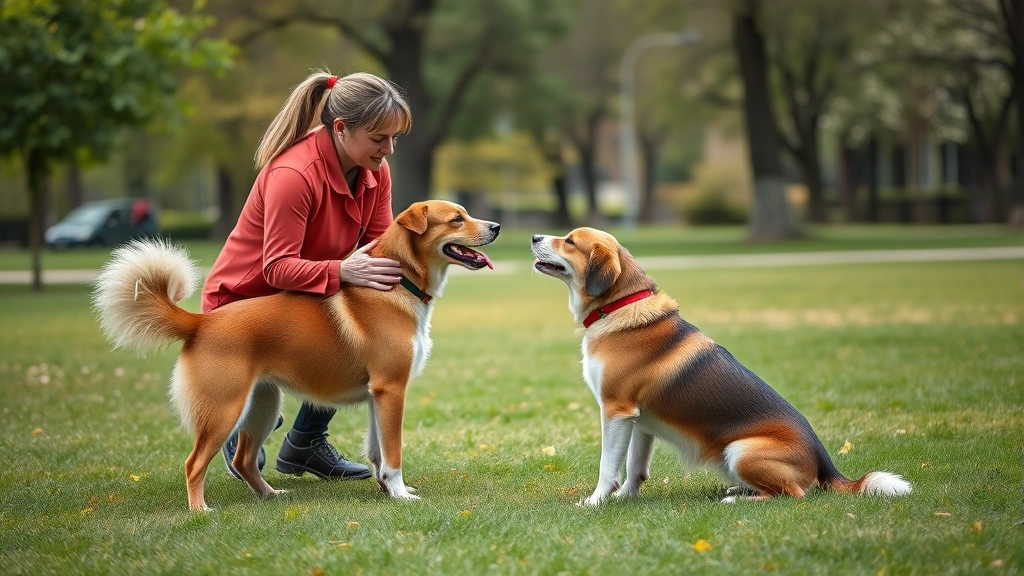
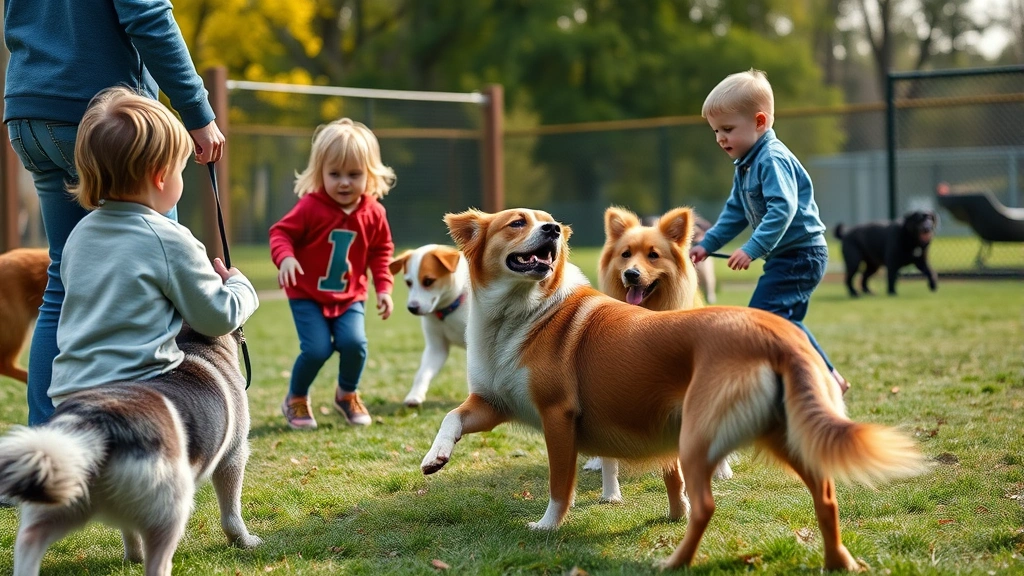
This is where the real truth lives: a well-trained dog of any breed is significantly safer than an untrained one. Dogs that are properly socialized, trained, and given appropriate outlets for their energy are exponentially less likely to become aggressive. A PetMD article on dog aggression highlights that most dog behavior problems stem from lack of training and socialization, not breed predisposition. When you look at the most dangerous dog cases, you’ll often find a pattern: neglect, abuse, or complete lack of training.
Kangal Dogs: Powerful Protectors Often Misunderstood
The Kangal dog is a Turkish livestock guardian breed that can weigh up to 150 pounds and has a bite force that’ll make your jaw drop. These dogs were bred to protect flocks from wolves and bears, so yeah, they’re incredibly powerful. But Kangals are actually gentle giants with their families when properly trained. They’re protective by nature, which means they need experienced owners and proper socialization. The danger here isn’t the breed—it’s putting a powerful guardian dog in the wrong hands.
Breed-Specific Legislation: Fighting the Wrong Enemy
Many cities have enacted breed-specific legislation (BSL) that bans or restricts certain breeds deemed “dangerous.” The problem? These laws are based on fear and misinformation, not science. Multiple studies, including research from university veterinary programs, show that BSL doesn’t actually reduce dog bite incidents. What does reduce them? Better owner education, stricter penalties for negligent owners, and proper animal control enforcement. Blaming a breed is easier than holding irresponsible owners accountable, but it’s also completely ineffective.
Environmental Factors: The Often-Ignored Ingredient
A dog chained in a yard with no socialization, no training, and no mental stimulation is going to develop behavioral problems regardless of breed. Environmental stress, lack of exercise, and isolation turn even naturally friendly breeds into anxious, aggressive animals. Dogs living in homes with domestic violence, substance abuse, or neglect are statistically more likely to become aggressive. It’s not rocket science—mistreated animals become dangerous animals. This applies to dogs of all breeds, from tiny merle dogs to massive livestock guardians.
The Rottweiler Reputation Versus Reality
Rottweilers have been demonized for decades, but they’re actually known for being loyal, confident, and affectionate with their families. Yes, they’re large and powerful, which means they can cause serious injury if they do attack. But statistically, they’re not more aggressive than many other breeds. The issue is that when a large, powerful dog acts aggressively, the consequences are severe. A Rottweiler attack makes headlines; a Chihuahua bite doesn’t. This skews public perception dramatically.
Owner Responsibility: The Real Dangerous Variable
If we’re being honest, the most dangerous “breed” is irresponsible ownership. An owner who doesn’t train their dog, doesn’t socialize it, doesn’t provide exercise, and doesn’t supervise interactions with children or other animals is creating a dangerous situation regardless of the dog’s genetics. This applies whether you own a mountain cur dog, a Louisiana Catahoula Leopard dog, or a Golden Retriever. The dog didn’t choose to be neglected or abused—the owner made that choice.
Genetics Versus Nurture: What Science Actually Shows
Modern behavioral genetics research shows that while certain breeds may have predispositions toward certain behaviors (like herding or guarding), individual temperament varies wildly within breeds. A Maremma sheepdog dog bred for livestock protection will have different instincts than a Maremma bred as a companion, but both can be safe, loving pets with proper training. Nurture—how the dog is raised, trained, and treated—plays an enormous role in whether a dog becomes dangerous. Scientists agree: it’s not nature versus nurture, it’s both working together.
Frequently Asked Questions
What dog breed has the highest bite force?
The Kangal breed has one of the highest bite forces at around 743 PSI, followed by Mastiffs and Rottweilers. However, bite force alone doesn’t determine danger—intent, training, and circumstances matter enormously. A dog with a powerful bite that’s well-trained and socialized is safer than a small dog with aggression issues.
Are pit bulls actually more dangerous than other breeds?
No. While pit bulls are involved in serious incidents, this is largely due to how they’re bred and raised by irresponsible owners, not because the breed is inherently more aggressive. Breed-specific bite statistics are unreliable due to misidentification. Proper training and socialization matter far more than breed.
Can dangerous dogs be rehabilitated?
Many dogs with behavioral issues can be rehabilitated with proper training, socialization, and sometimes professional help. However, rehabilitation requires time, expertise, and commitment. Some cases are more challenging than others, but most dogs respond well to consistent, positive training methods.
What makes a dog dangerous?
Dangerous dog behavior typically results from a combination of factors: lack of training, poor socialization, abuse or neglect, lack of exercise, health issues causing pain, and irresponsible ownership. Breed is just one small piece of a much larger puzzle.
Should certain dog breeds be banned?
No. Breed-specific legislation has been shown to be ineffective at reducing dog bites and is based on fear rather than science. Better solutions include stricter owner accountability, mandatory training classes, and proper animal control enforcement.
The Bottom Line: It’s Complicated
So, what is the most dangerous dog breed? The honest answer is: there isn’t one. Danger in dogs isn’t determined by breed—it’s determined by training, socialization, owner responsibility, and individual temperament. A well-trained, properly socialized dog of any breed can be a safe, wonderful companion. Conversely, a neglected, untrained dog of any breed can become dangerous.
Instead of asking “which breed is most dangerous,” we should be asking “what makes dogs dangerous?” The answer points directly at human responsibility. Before blaming a breed, we need to look at the owner’s commitment to training, socialization, and proper care. That’s where the real conversation about dog safety should happen.





