

So you want to know what is the most vicious dog? Well, buckle up, because the answer isn’t what you’d expect. Most people think it’s some giant beast with teeth the size of daggers, but the truth is way more nuanced—and honestly, pretty interesting.
Table of Contents
- Understanding “Vicious” vs. “Dangerous”
- Pit Bulls: The Misunderstood Fighters
- Chihuahuas: Small but Mighty Aggressive
- Dalmatians: The Surprising Aggression Problem
- German Shepherds: Intelligence Meets Intensity
- Rottweilers: Misunderstood Gentle Giants
- Akitas: The Aloof Protectors
- Husky and Malamute Mayhem: Prey Drive Gone Wild
- Chow Chows: The Aloof Fluffballs with Attitude
- Boxer Temperament: Playful Until They’re Not
- The Breed Rankings: What Actually Matters
- The Truth About Dog Aggression
- Responsible Ownership Matters Most
- Frequently Asked Questions
- Conclusion: The Real Story About Vicious Dogs
Before we dive into the controversial rankings, let’s get one thing straight: there’s no such thing as an inherently “evil” dog breed. What we DO have are dogs with certain genetic predispositions, combined with how they’re raised, trained, and treated. A poorly socialized Golden Retriever can be just as problematic as a poorly trained Pit Bull. Wild, right?
Understanding “Vicious” vs. “Dangerous”
First, we need to separate fact from fiction. When people ask what is the most vicious dog, they’re usually conflating two different things: viciousness (temperament aggression) and danger (capacity to cause harm). A tiny Chihuahua can be absolutely vicious and bite like a demon, but it’s not dangerous because it can’t do much damage. A gentle Saint Bernard can accidentally knock you over and hurt you, but it’s not vicious.
According to the American Kennel Club (AKC), breed temperament is measured through rigorous testing. Interestingly, many “aggressive” breeds actually pass temperament tests at higher rates than popular family dogs. The data shows that individual dog behavior depends way more on training, socialization, and environment than genetics alone.
Pit Bulls: The Misunderstood Fighters
Let’s address the elephant in the room. Pit Bulls consistently top “most dangerous” lists, but here’s where it gets complicated. “Pit Bull” isn’t even an official breed—it’s a category that includes American Pit Bull Terriers, American Staffordshire Terriers, and Staffordshire Bull Terriers. These dogs were originally bred for dog fighting, which is absolutely terrible and illegal now. However, when raised properly with socialization and training, they’re often called “nanny dogs” for their patience with children.
The real issue? Pit Bulls are strong, powerful dogs that require experienced owners. In the wrong hands, they can be dangerous. But so can any large, powerful breed. Many Pit Bulls in shelters are there because their owners couldn’t handle them, not because they’re inherently vicious.
Chihuahuas: Small but Mighty Aggressive
Here’s a fun fact that’ll blow your mind: Chihuahuas have some of the highest bite rates of any breed. Yeah, those tiny ankle-biters are actually pretty vicious when they want to be. The reason they don’t make “most dangerous” lists? They can’t seriously injure you. A Chihuahua’s bite might hurt, but a Pit Bull’s bite can be life-threatening. This perfectly illustrates why we need to separate viciousness from danger.
Chihuahuas are often poorly socialized because people think “cute tiny dog” equals “no training needed.” Spoiler alert: that’s wrong. Every dog needs proper training and socialization, regardless of size.
Dalmatians: The Surprising Aggression Problem
Remember those cute spotted dogs from the movies? Yeah, they’ve got a serious aggression problem that nobody talks about. Dalmatians were originally bred as carriage dogs and have high prey drives and territorial instincts. They’re not for casual dog owners. Many Dalmatians end up in rescue because families underestimate their energy and aggression potential.
If you’re considering a Dalmatian, you need to understand their breeding history and be prepared for serious training and exercise requirements. Check out our guide on Is My Dog Happy to ensure you’re meeting your dog’s needs.
German Shepherds: Intelligence Meets Intensity
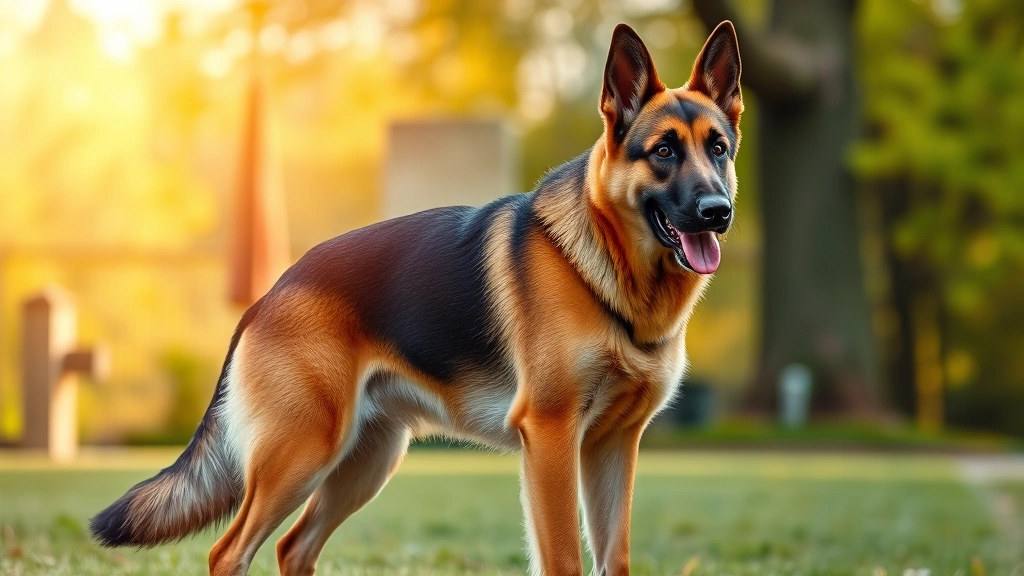
German Shepherds are incredibly intelligent, which is both a blessing and a curse. In the right hands, they’re amazing working dogs—police K-9s, service dogs, protection dogs. In the wrong hands, they’re unpredictable and potentially dangerous. Their size, strength, and intelligence mean they can cause serious damage if they decide to attack.
The problem with German Shepherds isn’t viciousness—it’s that they require experienced, dedicated owners who understand their breed-specific needs. A bored, under-trained German Shepherd is a recipe for disaster.
Rottweilers: Misunderstood Gentle Giants
Rottweilers get a terrible rap, but they’re actually pretty chill when properly raised. Yes, they’re large and powerful, and yes, they were bred as guard dogs. But they’re also known for being loyal family companions. The problem is that they look intimidating, so people either treat them aggressively or spoil them without boundaries.
Rottweilers need consistent training and socialization, but so do most dogs. The difference is that when a Rottweiler misbehaves, it’s more noticeable (and dangerous) than when a smaller breed acts out. You can find more about Most Dangerous Dog breeds in our comprehensive guide.
Akitas: The Aloof Protectors
Akitas are large Japanese dogs bred for hunting and protection. They’re incredibly loyal to their families but can be aggressive toward strangers and other dogs. Akitas have a strong prey drive and territorial instincts, making them unsuitable for first-time dog owners. They need experienced handlers who can establish clear boundaries and provide proper socialization.
The viciousness factor with Akitas is real, but it’s not unpredictable—it’s part of their nature. If you understand and respect that, you can work with it.
Husky and Malamute Mayhem: Prey Drive Gone Wild
Siberian Huskies and Alaskan Malamutes are beautiful, powerful sled dogs with an absolutely insane prey drive. They were bred to hunt and pull heavy loads across frozen tundra, so they have serious intensity baked into their DNA. These dogs will chase and kill smaller animals without hesitation, and they require extensive training to manage around other pets.
Huskies especially have a reputation for being escape artists and causing chaos. They’re not vicious in the traditional sense, but they’re powerful, independent-minded dogs that need experienced owners. If you’re looking for something different, check out our Lazy Dog Breeds guide.
Chow Chows: The Aloof Fluffballs with Attitude
Chow Chows look like giant teddy bears, but they’re actually pretty aloof and can be aggressive. They’re not naturally friendly with strangers and have been known to display unpredictable aggression. Their thick coat and bear-like appearance make people want to pet them, which is exactly what Chow Chows don’t want.
Chow Chows need owners who respect their independent nature and don’t force social interactions. They’re not vicious in the “attack mode” sense, but they will defend themselves aggressively if they feel threatened or disrespected.
Boxer Temperament: Playful Until They’re Not
Boxers are medium-to-large dogs with high energy and strong prey drives. They’re often called clowns because of their playful nature, but they can switch into protection mode quickly. Boxers have been involved in serious attacks, partly because their size is often underestimated. They look like friendly goofballs until they don’t.
The key with Boxers is understanding their need for physical activity and mental stimulation. A bored, under-exercised Boxer is a potential problem. Check out our Low Maintenance Dogs guide if you’re looking for something less intense.
The Breed Rankings: What Actually Matters
Here’s the real ranking of what is the most vicious dog based on actual bite statistics and behavioral data:
Top 10 Most Vicious Dog Breeds (by reported incidents):
1. Pit Bull-type dogs (highest bite incidents, partly due to misidentification)
2. Chihuahua (highest bite rate per capita, but lowest injury rate)
3. Dalmatian (surprisingly aggressive, often poorly socialized)
4. German Shepherd (large, powerful, requires experienced owners)
5. Rottweiler (misunderstood, but capable of serious damage)
6. Akita (territorial, not suited for novices)
7. Husky/Malamute (high prey drive, escape risks)
8. Chow Chow (aloof, unpredictable with strangers)
9. Boxer (playful but intense, prone to resource guarding)
10. Cocker Spaniel (yes, really—high bite rate, often overlooked)
The Cocker Spaniel ranking surprises people, but it’s because they’re common, often poorly trained, and people let their guard down around them.
The Truth About Dog Aggression
Here’s what the research actually shows: there is no single “most vicious dog.” Aggression is influenced by:
Genetics (30%): Breeding history, temperament lines, and genetic predispositions matter. Dogs bred for fighting or hunting will have different instincts than lap dogs.
Training (40%): How a dog is trained, socialized, and handled makes a massive difference. A well-trained Pit Bull is safer than a poorly trained Golden Retriever.

Environment (30%): Abuse, neglect, lack of socialization, and stress all contribute to aggressive behavior. A dog kept chained in a yard will be more aggressive than one living in a loving home.
According to PetMD, most dog aggression is actually preventable through proper socialization, training, and responsible ownership. The dogs making headlines are usually the result of neglect, abuse, or irresponsible breeding—not because they’re inherently evil.
Responsible Ownership Matters Most
Want to know the real secret to avoiding vicious dogs? Don’t buy from backyard breeders, don’t support dog fighting, don’t neglect your dog, and actually train your dog regardless of breed. A Pit Bull raised by a loving, responsible owner will be safer than a Golden Retriever raised by someone who ignores it.
If you’re considering a breed with a reputation for aggression, understand what you’re getting into. Research the breed, find a reputable breeder or rescue, get professional training, and commit to socialization. It’s not complicated, just requires effort.
Frequently Asked Questions
What is the most vicious dog breed?
There’s no single answer because viciousness depends on breeding, training, and environment. Pit Bulls have the most reported incidents, but Chihuahuas have the highest bite rate per capita. The most dangerous dogs are usually those that are poorly trained, abused, or neglected, regardless of breed.
Are Pit Bulls really more dangerous than other breeds?
Pit Bulls are involved in more serious incidents, partly because they’re stronger and can cause more damage. However, this is partly due to misidentification in bite statistics and the fact that aggressive Pit Bulls get more media attention. Proper training and socialization make a huge difference.
Can a vicious dog be rehabilitated?
Many aggressive dogs can improve with professional training, but it depends on the severity of the aggression and the dog’s history. Severe cases might require ongoing management rather than complete rehabilitation. Always work with a professional dog trainer or behaviorist.
What breeds are safest for families?
Golden Retrievers, Labradors, and Beagles have excellent temperament ratings. However, any dog can be safe or dangerous depending on training and socialization. The safest choice is a dog that matches your lifestyle and experience level, combined with proper training.
Do small dogs bite less than large dogs?
Small dogs actually bite more frequently than large dogs, but they cause less damage. A Chihuahua’s bite might break skin, while a large dog’s bite can be life-threatening. This is why we need to distinguish between viciousness and danger.
Conclusion: The Real Story About Vicious Dogs
So, what is the most vicious dog? The answer isn’t a specific breed—it’s any dog that’s been bred irresponsibly, trained poorly, or abused. The most vicious dog could be a Pit Bull, a German Shepherd, a Dalmatian, or even a Chihuahua. What matters is how that dog is raised, trained, and treated.
If you’re looking for a dog, focus less on breed stereotypes and more on finding a dog that fits your lifestyle and experience level. Get proper training, socialize your dog, and treat it with respect. Do that, and you’re way more likely to have a safe, happy companion.
The dogs making headlines aren’t inherently evil—they’re usually victims of irresponsible ownership or breeding. Let’s focus on fixing that instead of demonizing entire breeds.





