
What Is the Tallest Dog Breed? Discover the Answer
When it comes to canine giants, the world of dog breeds offers some truly impressive specimens that can make even the tallest humans feel a bit humble. If you’ve ever wondered what is the tallest breed of dog, you’re in for a fascinating journey through the world of towering tail-waggers. These magnificent creatures aren’t just tall—they’re often gentle giants with hearts as big as their stature, making them beloved companions for families and individuals alike.
The question of which dog breed reaches the greatest heights has captivated dog enthusiasts for generations. Whether you’re considering bringing one of these impressive pups into your home or you’re simply curious about canine diversity, understanding the characteristics of the tallest dog breeds will help you appreciate the remarkable variety within the dog world. From their unique health considerations to their surprisingly gentle temperaments, tall dog breeds offer a unique experience that sets them apart from their smaller cousins.
In this comprehensive guide, we’ll explore not just which breed claims the title of tallest, but also dive deep into what makes these towering dogs special, how to care for them, and whether they might be the right fit for your lifestyle. Let’s embark on this tall tale together!
The Great Dane: The Undisputed Champion
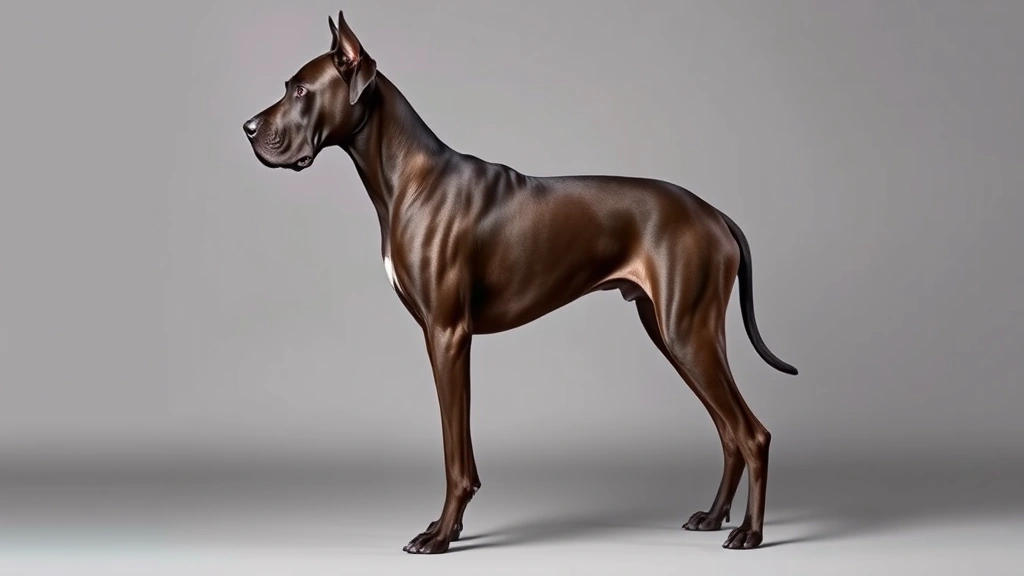
When discussing what is the tallest breed of dog, the Great Dane consistently emerges as the answer. These magnificent dogs, often called the “Apollo of Dogs” due to their elegant proportions, can reach heights of 28 to 34 inches at the shoulder, with some individuals towering even higher. The record for the tallest dog ever recorded is held by a Great Dane named Zeus, who measured an astounding 44 inches from paw to shoulder—taller than most people when standing on their hind legs!
Great Danes originated in Germany, where they were originally bred to hunt wild boar and guard estates. Despite their imposing size and powerful build, these dogs are known for their remarkably gentle and affectionate nature. They’re often described as couch potatoes who love nothing more than lounging beside their favorite humans. What many people find surprising is that Great Danes don’t require excessive exercise compared to smaller, more energetic breeds—their size alone makes them tire more quickly during physical activity.
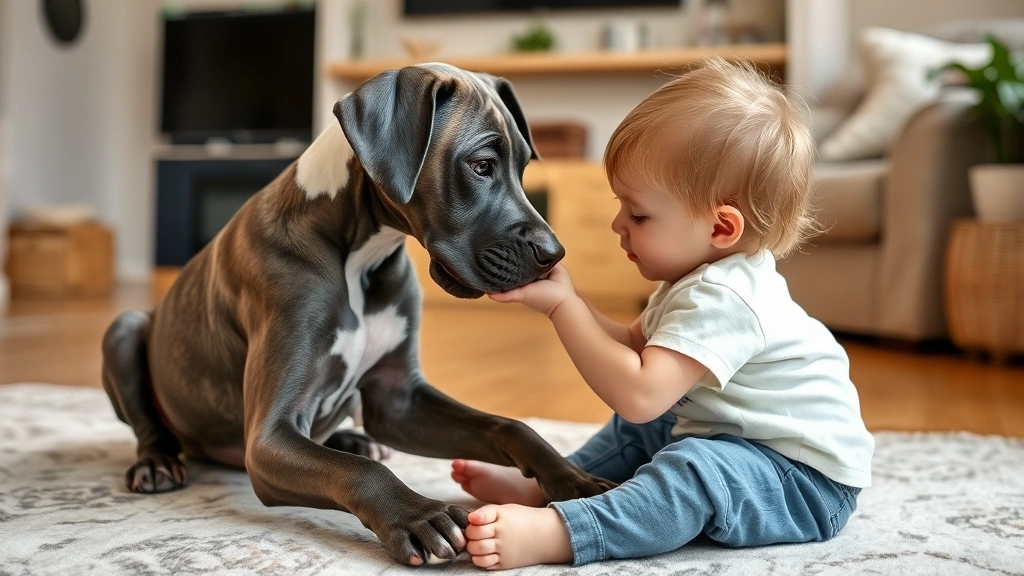
The breed comes in various stunning colors including fawn, brindle, black, harlequin, and mantle. Their short coat is relatively easy to maintain, though they do shed consistently. One interesting characteristic is that Great Danes are surprisingly adaptable to apartment living, as long as they have enough space to move comfortably and access to regular, moderate exercise. Their calm demeanor makes them excellent family pets, and they’re particularly known for being patient and protective of children.

Other Remarkably Tall Dog Breeds
While the Great Dane holds the title of tallest breed, several other magnificent dogs come remarkably close in stature. The Irish Wolfhound is another giant breed that can reach 32 to 34 inches in height and often weighs even more than Great Danes due to their more muscular build. These ancient hunting dogs were originally bred to hunt wolves and large game in Ireland, and their impressive size reflects their historical purpose.
The Scottish Deerhound is another tall breed, typically standing 30 to 32 inches at the shoulder. Like the Irish Wolfhound, these dogs have a noble bearing and were originally bred for hunting large game. Both of these breeds share the Great Dane’s gentle temperament despite their formidable size, making them excellent family companions. If you’re interested in learning more about the unique characteristics of different giant breeds, you might want to take our dog breed quiz to see which tall breed might suit your personality best.
The Anatolian Shepherd is another breed that reaches impressive heights, typically standing 27 to 29 inches, though they tend to be more muscular and powerful than the sighthound giants. Originally bred to guard livestock in Turkey, these dogs are protective, loyal, and require experienced owners who understand their independent nature. The German Shepherd, while not quite reaching the same heights as the true giant breeds, can still reach 26 inches and is often perceived as taller due to their athletic build and alert posture.
The Mastiff family includes several breeds that rival Great Danes in height and often exceed them in weight. English Mastiffs can reach 27 to 30 inches, while Tibetan Mastiffs and Neapolitan Mastiffs are also substantial in both height and mass. These breeds were historically used as guard dogs and war dogs, reflecting their powerful and protective nature. Understanding what makes the strongest dog often involves looking at these massive breeds, as strength and size frequently go hand in hand.
Understanding Height vs. Weight in Dogs
An important distinction to make when discussing tall dog breeds is that height and weight are not always correlated. A dog can be tall but relatively lean, or shorter but extremely heavy. For example, a Great Dane might stand 34 inches tall but weigh 110 to 175 pounds, while an English Mastiff might be slightly shorter but weigh 120 to 230 pounds. This difference in weight distribution affects everything from their dietary needs to their exercise requirements.
Height in dogs is typically measured from the ground to the highest point of the shoulder blade when the dog is standing on all four legs. This measurement is standardized by breed organizations like the American Kennel Club, which maintains official breed standards. These standards ensure consistency within breeds and help breeders maintain healthy populations. However, individual dogs often vary slightly from the breed standard, and some may grow taller or shorter than the typical range.
When considering a tall dog breed for your home, it’s crucial to think about both height and weight, as well as the dog’s overall build. A lean, tall dog like an Irish Wolfhound has different space and nutritional requirements than a compact, heavy dog like a Bulldog. The breed’s typical temperament and exercise needs are equally important factors to consider when determining whether a giant breed is right for your lifestyle.
Health Considerations for Giant Breeds
One of the most important aspects of owning a tall dog breed is understanding the unique health challenges these giants face. Large and giant dog breeds are predisposed to certain health conditions that smaller dogs rarely experience. Hip dysplasia is particularly common in giant breeds and can lead to arthritis and mobility issues if not properly managed. Responsible breeders screen their breeding dogs for hip dysplasia using X-rays and certifications from organizations like the Orthopedic Foundation for Animals.
Bloat, or gastric dilatation-volvulus (GDV), is a life-threatening emergency that occurs more frequently in tall, deep-chested breeds like Great Danes, German Shepherds, and Mastiffs. This condition involves the stomach filling with gas and potentially twisting, cutting off blood flow. Warning signs include restlessness, unproductive vomiting, and a distended abdomen. If you suspect bloat, immediate veterinary attention is critical, as this condition can be fatal within hours.
Giant breeds also tend to have shorter lifespans than smaller dogs, typically living 7 to 10 years compared to 12 to 15 years for smaller breeds. This shorter lifespan is thought to be related to the increased stress on their bodies due to their large size. Heart disease, including dilated cardiomyopathy, is more common in giant breeds and requires regular veterinary monitoring. According to research from veterinary specialists, maintaining a healthy weight and providing appropriate exercise can help mitigate some of these health risks.
Bone and joint problems are also more prevalent in tall dogs due to the increased stress on their skeletal systems. Ensuring proper nutrition during the growth phase is crucial, as too-rapid growth can exacerbate joint problems. Many veterinarians recommend specially formulated large-breed puppy food that controls calcium and phosphorus levels to promote healthy bone development. Regular veterinary check-ups, appropriate exercise, and maintaining a healthy weight are essential for maximizing the lifespan and quality of life for giant breed dogs.
Living with a Tall Dog Breed
Bringing a tall dog breed into your home requires careful consideration of your living space and lifestyle. While many people assume giant breeds need enormous homes, the reality is more nuanced. Great Danes, despite their size, can adapt well to apartment living because they’re relatively inactive indoors and don’t require excessive exercise. However, they do need enough space to move comfortably and should have access to a secure outdoor area for bathroom breaks and moderate activity.
One practical consideration is that tall dogs can reach things on counters and tables that smaller dogs cannot, which means you’ll need to be more mindful of what you leave accessible. They can also inadvertently knock things over with their tails or bump heads on ceiling fans and light fixtures in older homes with low ceilings. Food and medication storage becomes particularly important, as accidental ingestion of toxic substances is a real concern with dogs who can easily reach higher surfaces.
The cost of owning a giant breed is significantly higher than smaller dogs in multiple ways. Food expenses are substantially greater, as a 150-pound Great Dane will consume considerably more food than a 30-pound Beagle. Veterinary costs can also be higher due to the increased medication dosages required for larger bodies and the potential for breed-specific health issues. Pet insurance premiums are often higher for giant breeds, and emergency veterinary care for a large dog can be more expensive due to the resources required.
Transportation is another practical consideration. A tall dog breed requires a larger vehicle or appropriate restraint systems for car travel. Many people with giant breeds opt for SUVs or vans to accommodate their pets comfortably and safely. Additionally, finding appropriate grooming facilities and veterinary clinics with experience handling large dogs can sometimes be challenging, depending on your location. However, the unconditional love and companionship that these gentle giants provide often makes these practical considerations worthwhile for their devoted owners.
Training and Socialization for Large Dogs
Training a tall dog breed is absolutely essential, regardless of their typically gentle nature. A 150-pound dog jumping up in excitement is far more dangerous than a small dog doing the same thing, and poor leash manners can be difficult to manage with such a powerful animal. Early socialization and obedience training should begin when these dogs are puppies, before they reach their full impressive size.
Giant breed puppies require patient, consistent training using positive reinforcement methods. These intelligent dogs respond well to reward-based training and generally want to please their owners. However, their large size and strength mean that behaviors that might be cute in a puppy can become problematic in an adult dog. Teaching a tall dog to sit, stay, and walk politely on a leash is crucial for everyone’s safety and the dog’s own wellbeing.
Socialization is equally important for giant breeds. Exposing puppies to various people, animals, and environments helps them develop confidence and appropriate social skills. Well-socialized giant breed dogs are typically calm and gentle, but unsocialized or poorly trained ones can become anxious or unpredictable. This is particularly important if you’re curious about whether what dog has the strongest bite, as proper training and socialization can prevent behavioral problems before they develop.
Many tall dog breeds were originally bred for specific purposes like hunting or guarding, which means they may have natural instincts that need to be channeled appropriately. Understanding your breed’s history and natural tendencies helps you provide appropriate outlets for their energy and instincts. Professional training classes specifically designed for large breeds can be invaluable for first-time owners of giant dogs, providing guidance on handling, training techniques, and behavioral management specific to these impressive animals.
Frequently Asked Questions
What is the tallest dog breed in the world?
The Great Dane is officially recognized as the tallest dog breed, with typical heights ranging from 28 to 34 inches at the shoulder. However, individual Great Danes have been recorded at heights exceeding 40 inches, with the tallest dog on record, Zeus, reaching 44 inches. Other breeds like the Irish Wolfhound and Scottish Deerhound come very close in height and are sometimes taller on average, but the Great Dane holds the official title.
Are tall dog breeds good family pets?
Yes, many tall dog breeds make excellent family pets despite their imposing size. Great Danes, Irish Wolfhounds, and Scottish Deerhounds are known for their gentle, patient temperament with children. However, their size means supervision with small children is important, as they can accidentally knock over or injure a child during enthusiastic play. Proper training and socialization from puppyhood is essential for any giant breed in a family setting.
How long do tall dog breeds typically live?
Giant dog breeds generally have shorter lifespans than smaller dogs, typically living 7 to 10 years. Great Danes often live 7 to 10 years, while some other giant breeds may reach 10 to 12 years with excellent care. This shorter lifespan is attributed to the increased physiological stress on their bodies due to their large size and their predisposition to certain health conditions.
Do tall dogs require more exercise than smaller dogs?
Interestingly, many tall dog breeds require less exercise than you might expect. Great Danes, for example, are relatively inactive and prefer leisurely walks and lounging indoors. However, they do need regular, moderate exercise to maintain muscle tone and prevent obesity. Other tall breeds like German Shepherds or Anatolian Shepherds have higher exercise requirements and need more vigorous activity to stay mentally and physically stimulated.
What should I feed a tall dog breed?
Tall dog breeds require high-quality, well-balanced nutrition formulated for large or giant breeds. Large-breed dog food is specifically designed with appropriate calcium and phosphorus ratios to support healthy bone development, particularly important during the growth phase. Feeding multiple smaller meals throughout the day is often recommended for deep-chested breeds to help prevent bloat. Consult with your veterinarian about the best diet for your specific dog, as individual needs vary based on age, health status, and activity level.
Are tall dogs suitable for apartment living?
Many tall dog breeds are surprisingly well-suited to apartment living, despite their size. Great Danes, for instance, are calm and relatively inactive indoors, making them adaptable to smaller living spaces. However, they still need access to outdoor areas for bathroom breaks and regular exercise. The key is choosing a tall breed that matches your activity level and ensuring they have adequate space to move comfortably. Some tall, active breeds like German Shepherds may be less suitable for apartment living due to their higher exercise and mental stimulation needs.
How do I choose between different tall dog breeds?
Choosing a tall dog breed should involve considering multiple factors including temperament, exercise requirements, health predispositions, grooming needs, and your lifestyle. Consider whether you want a calm, couch-loving companion like a Great Dane or a more active, working-oriented breed like a German Shepherd. Research breed-specific health issues, talk to reputable breeders, and consider your living situation and available time for training and exercise. If you’re unsure which breed might be right for you, try our dog breed quiz for personalized recommendations.
What makes a dog breed officially “tall”?
A dog breed is considered tall based on its height at the shoulder when standing on all four legs, measured from the ground to the highest point of the shoulder blade. Breed standards established by kennel clubs like the American Kennel Club define the ideal height range for each breed. Dogs that consistently measure above the average for their breed or that exceed the breed standard are considered particularly tall specimens.
Do tall dogs make good guard dogs?
Many tall dog breeds have guard dog heritage and can make excellent protectors. However, it’s important to distinguish between breeds bred specifically for protection like Mastiffs and Anatolian Shepherds, and breeds that are simply large and imposing. Great Danes, while impressive in size, are generally gentle and not naturally aggressive. If you’re interested in learning more about protective dog traits, check out our article on what is the most dangerous dog to understand the difference between size and actual protective instincts.
How much space do tall dogs need?
While tall dogs need more space than small breeds, the amount required depends on the specific breed’s activity level and temperament. A calm Great Dane can manage in a modest-sized home with regular outdoor access, while an active German Shepherd needs more space and exercise opportunities. Generally, a secure yard is beneficial but not absolutely essential if you’re committed to regular exercise and outdoor time. The most important factor is ensuring your dog has room to move comfortably and access to appropriate exercise opportunities.





