
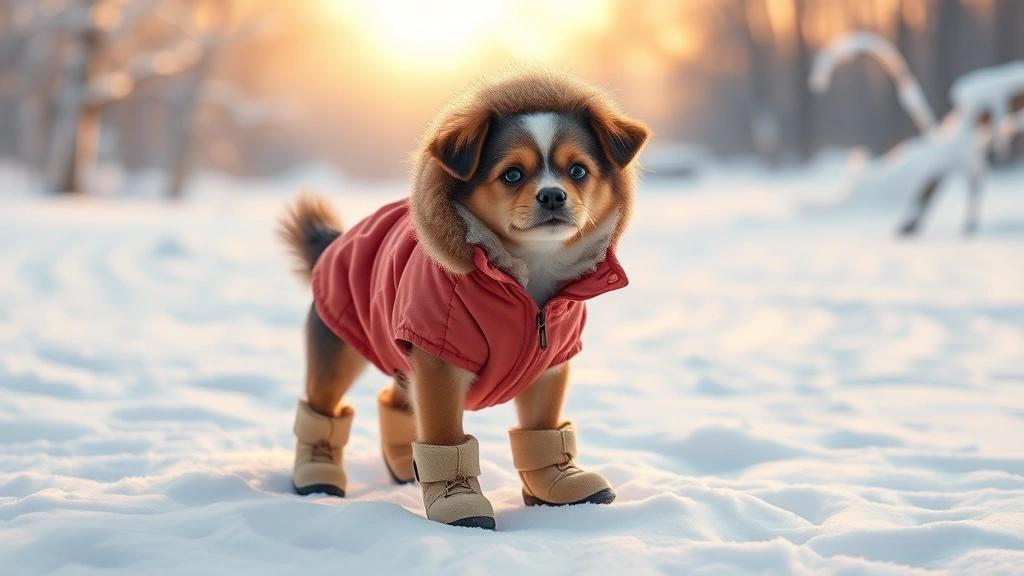
So, what is too cold for dogs? If you’re asking this question, you’re already thinking like a responsible pet parent—and honestly, that’s the first step toward keeping your furry friend safe during winter months. The truth is, there’s no one-size-fits-all answer because dogs are basically tiny (or not-so-tiny) furry individuals with different cold tolerance levels. Some pups are built like arctic wolves, while others shiver at the mere thought of temperatures dropping below 60°F.
Table of Contents
- The Baseline: General Temperature Guidelines for Dogs
- Breed Matters: Cold-Hardy vs. Cold-Sensitive Dogs
- Age and Health: The Hidden Cold-Tolerance Factors
- Body Composition and Size: The Physics of Staying Warm
- Signs Your Dog Is Getting Too Cold
- Winter Gear: Dressing Your Dog for Success
- Paw Protection: The Forgotten Extremity
- Indoor Time and Exercise Adjustments
- The Danger Zone: When to Keep Your Dog Inside
- Hypothermia: The Silent Killer
- Regional Considerations: Where You Live Matters
- Frequently Asked Questions
- Conclusion: Keeping Your Dog Safe in Winter
Let’s break down the cold facts about canine cold tolerance, because your dog’s safety depends on understanding when Fido needs to come inside and bundle up.
The Baseline: General Temperature Guidelines for Dogs
Most veterinarians agree that temperatures below 45°F (7°C) start becoming uncomfortable for most dogs, and anything below 32°F (0°C) is genuinely dangerous. But here’s where it gets tricky—these are general guidelines, not gospel. Your specific pup’s cold tolerance depends on several factors we’ll explore below.
When temperatures drop below 20°F (-7°C), even cold-weather breeds should limit their outdoor time. Below 0°F (-18°C)? That’s when frostbite becomes a real concern, even for those fluffy northern breeds. Wind chill is also a sneaky culprit—a 20°F day with strong winds feels much colder to your dog than calm 20°F weather.
Breed Matters: Cold-Hardy vs. Cold-Sensitive Dogs
Your dog’s breed is like their built-in thermostat setting. Double-coated breeds like Huskies, Malamutes, and German Shepherds have evolved to handle brutal cold. Their undercoats provide insulation that single-coated breeds simply don’t possess.
Meanwhile, short-haired breeds like Chihuahuas, Italian Greyhounds, and Greyhounds are basically wearing t-shirts in winter. Low energy dog breeds and toy breeds especially struggle with cold temperatures because they have less body mass to generate heat. Even medium-sized breeds without proper coats need extra protection.
Check out the American Kennel Club breed standards to understand your dog’s intended climate—it’s genuinely helpful information.
Age and Health: The Hidden Cold-Tolerance Factors
Puppies and senior dogs are like the elderly and very young humans of the dog world—they struggle to regulate body temperature effectively. A six-month-old puppy might look tough, but their internal thermostat is still developing. Similarly, older dogs (typically 7+ years) have decreased circulation and metabolic rates, making them more vulnerable to cold.
Dogs with health conditions like arthritis, heart disease, or hormonal imbalances also struggle more in cold weather. Even lethargy in dogs can be exacerbated by cold temperatures, as their bodies work harder to stay warm. If your dog has any medical conditions, chat with your vet about cold-weather precautions.
Body Composition and Size: The Physics of Staying Warm
Here’s some basic physics: larger bodies retain heat better than smaller ones. A 100-pound Labrador generates more body heat than a 10-pound Pomeranian. That’s why medium outside dog breeds generally tolerate cold better than toy breeds, assuming similar coat types.
Body fat also plays a role—it’s insulation. Dogs that are slightly overweight actually have an advantage in cold weather (though we’re not suggesting you fatten up your pup for winter!). Lean, athletic dogs might need extra protection despite their size.
Signs Your Dog Is Getting Too Cold
Your dog can’t tell you they’re freezing, so you need to read their body language. Watch for these warning signs:
- Shivering – The most obvious sign. If your dog is shaking, it’s time to go inside.
- Reluctance to go outside – Your normally enthusiastic outdoor adventurer suddenly wants back in? That’s a message.
- Lifting paws repeatedly – Dogs do this when their paws are cold and uncomfortable.
- Whining or anxiety – Cold dogs often become vocal or anxious.
- Curling into a tight ball – Classic heat-conservation posture.
- Seeking warmth constantly – Staying glued to heating vents or your lap.
- Frostbite symptoms – Pale or grayish skin, blistering, or tissue damage on ears, paws, or tail tips.
Frostbite is serious business. If you suspect it, get to a vet immediately. Check out PetMD’s frostbite guide for detailed information.
Winter Gear: Dressing Your Dog for Success
Dog coats, sweaters, and boots aren’t just fashion statements—they’re functional winter gear. For short-haired or small breeds, a quality dog coat is essential when temperatures drop below 45°F. Large dog harness options often come with built-in weather protection too.
Boots protect paws from ice, snow, and salt (which is caustic). Many dogs hate boots initially, but they’re genuinely protective. Paw balm or wax also helps create a barrier against ice and salt damage. Don’t skip the belly protection either—a dog’s underside gets cold quickly and is often exposed.
Paw Protection: The Forgotten Extremity
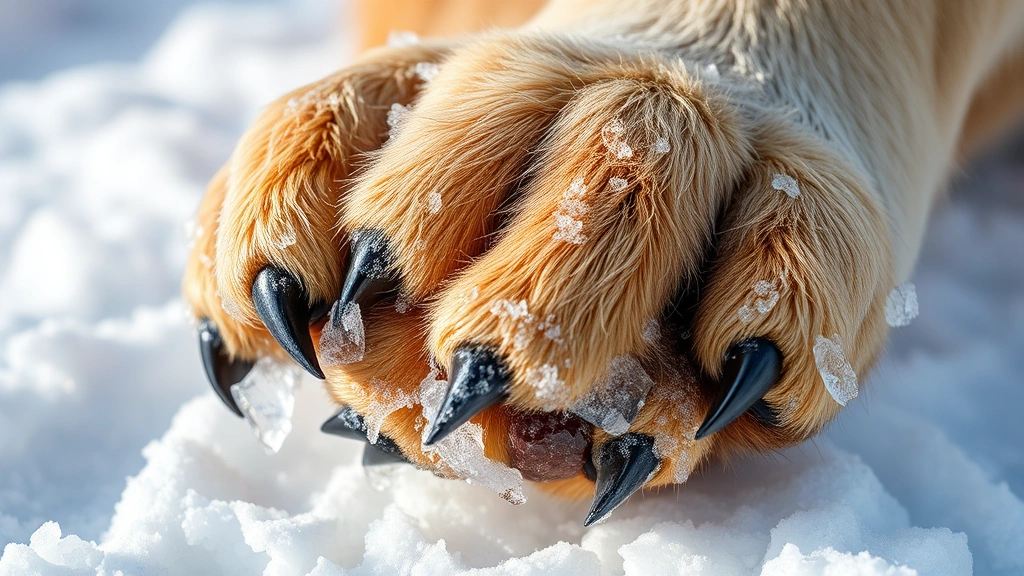
Paws are incredibly vulnerable in winter. Snow and ice ball up between toe pads, ice crystals form, and salt burns sensitive skin. Trim the hair between your dog’s toes before winter to reduce ice buildup. After outdoor time, wipe paws with a warm, damp cloth to remove ice, snow, and salt.
Consider booties for long outdoor sessions, or at minimum, apply paw wax before heading out. Some dogs develop cracks and bleeding on their paws from winter conditions—prevention is way easier than treating infected paw pads.
Indoor Time and Exercise Adjustments
Cold doesn’t mean your dog gets zero exercise—it means you need to be strategic. Shorter, more frequent outdoor sessions are better than long stretches. A 15-minute walk in 20°F weather might be perfect, while a 45-minute hike would be dangerous.
Supplement outdoor activity with indoor play. Puzzle toys, fetch in hallways, training sessions, and interactive games keep your dog mentally and physically stimulated without exposing them to dangerous cold. Yes, your dog can get bored inside, but boredom beats hypothermia.
The Danger Zone: When to Keep Your Dog Inside
Below are the temperature thresholds where outdoor time becomes risky:
- 45°F (7°C) – Small, young, old, or health-compromised dogs should have limited outdoor time
- 32°F (0°C) – Most dogs need protection; limit outdoor sessions to 15-20 minutes
- 20°F (-7°C) – Even cold-hardy breeds should limit time; most dogs need coats and booties
- 0°F (-18°C) – Frostbite risk increases significantly; keep outdoor time to 5-10 minutes maximum
- Below 0°F (-18°C) – Only essential bathroom breaks; most dogs should stay inside
Wind chill makes everything worse. A 20°F day with 20 mph winds feels like -10°F. Check the wind chill, not just the temperature.
Hypothermia: The Silent Killer
Hypothermia occurs when your dog’s core body temperature drops dangerously low (below 90°F or 32°C). Early signs include shivering, lethargy, and confusion. Advanced hypothermia shows as loss of consciousness, weak pulse, and difficulty breathing. This is a veterinary emergency.
If you suspect hypothermia, get your dog to a vet immediately. Don’t apply direct heat—gradual warming is necessary. Wrap your dog in blankets and get professional help fast.
Regional Considerations: Where You Live Matters
If you live in Minnesota, your dog’s cold tolerance needs are different than a dog in Tennessee. Dogs in consistently cold climates often acclimate somewhat over the season, but this doesn’t mean they’re immune to extreme cold. Dogs moved from warm climates to cold regions need time to adjust—don’t expect a Florida dog to handle Canadian winters without proper gear.
Also consider humidity and wet conditions. A wet dog loses heat rapidly, so wet snow is more dangerous than dry snow. Humidity affects how cold feels too.
Frequently Asked Questions
At what temperature should I not walk my dog?
Most dogs shouldn’t have extended outdoor time below 32°F (0°C). Below 20°F (-7°C), limit walks to 10-15 minutes for most breeds. Small, young, old, or health-compromised dogs need protection starting around 45°F (7°C). Always consider wind chill and your specific dog’s tolerance.
Can dogs get frostbite?
Absolutely. Dogs can develop frostbite on ears, paw pads, nose, and tail tips. It occurs when skin tissue actually freezes. Signs include pale or grayish skin, blistering, and tissue damage. Frostbite requires immediate veterinary attention and can result in permanent damage or tissue loss.
Do all dogs need winter coats?
No, but many do. Double-coated breeds like Huskies have natural insulation. Short-haired, small, young, old, or health-compromised dogs typically need coats when temperatures drop below 45°F (7°C). Your individual dog’s needs depend on breed, age, health, and coat type.
How can I tell if my dog is cold?
Watch for shivering, reluctance to go outside, lifting paws repeatedly, whining, curling into a ball, seeking constant warmth, or anxious behavior. These are clear signs your dog is uncomfortable and needs to come inside or get additional protection.
Is salt on sidewalks bad for dogs?
Yes. Salt burns paw pads and is toxic if ingested in large amounts. After outdoor time, wipe paws thoroughly with a damp cloth. Consider booties or paw wax for protection. Some pet-safe ice melt products exist, but standard rock salt is problematic for dogs.
Can puppies handle cold weather?
Puppies have underdeveloped temperature regulation, so they’re more cold-sensitive than adult dogs. Young puppies (under 6 months) need extra protection and shouldn’t be outside in cold for extended periods. Breed matters too—a Husky puppy tolerates cold better than a Chihuahua puppy.
Conclusion: Keeping Your Dog Safe in Winter
So, what is too cold for dogs? The answer depends on your individual pup’s breed, age, health, coat type, and size. Generally, temperatures below 45°F require caution, below 32°F demand protection, and below 20°F need serious precautions. Wind chill, humidity, and wet conditions all factor into the equation.
The key is knowing your dog and watching for signs of cold stress. Invest in proper winter gear, adjust exercise routines, protect those paws, and don’t hesitate to keep your dog inside during dangerous conditions. Your dog depends on you to make smart decisions about their safety, and winter cold is no joke.
When in doubt, consult your veterinarian about your dog’s specific cold tolerance. Every dog is different, and a vet who knows your pup’s health history can give personalized guidance. Stay warm out there, and keep that precious pooch cozy all winter long.





