

If you’ve ever wondered what kinda dog is Hooch, you’re not alone. This lovable canine character has captured the hearts of dog lovers everywhere, and his breed story is actually pretty fascinating. Hooch, the famous dog from the 1989 movie “Turner & Hooch,” is a Dogue de Bordeaux—a massive, wrinkly French mastiff breed that’s equal parts intimidating and adorable.
Table of Contents
- Who is Hooch? The Movie Dog That Started It All
- The Dogue de Bordeaux Breed: Hooch’s True Identity
- Physical Characteristics: Understanding Hooch’s Massive Presence
- Temperament and Personality: The Gentle Giant Myth (Sort Of)
- Health Considerations: The Reality of Owning a Hooch
- Training Hooch: What You Need to Know
- Grooming and Maintenance: More Than Just Drool
- Exercise Needs: Surprising Activity Level
- Hooch Compared to Similar Breeds
- Finding Your Own Hooch: Breeder and Rescue Considerations
- Cost of Ownership: The Financial Reality
- Living with Hooch: Daily Life Expectations
- Frequently Asked Questions
- Conclusion: Understanding What Kinda Dog is Hooch
But here’s the thing: Hooch’s character represents so much more than just his purebred status. He’s a symbol of loyalty, goofy charm, and unconditional love. In this guide, we’re diving deep into Hooch’s breed characteristics, temperament, care requirements, and why this gentle giant has become such an iconic movie dog.
Who is Hooch? The Movie Dog That Started It All
Hooch burst onto the silver screen in 1989 as the canine co-star of “Turner & Hooch,” the buddy cop comedy that paired Tom Hanks with a drooling, lovable mastiff. The film showcased a dog that was simultaneously clumsy, affectionate, and surprisingly intelligent. While the movie played up the comedic aspects of living with such a large breed, it also highlighted the genuine bond that can form between humans and their pets.
The character became so beloved that Hooch has remained a cultural reference point for dog lovers for over three decades. When people ask “what kinda dog is Hooch,” they’re often remembering that iconic image of a massive, wrinkled face and endless drool.
The Dogue de Bordeaux Breed: Hooch’s True Identity
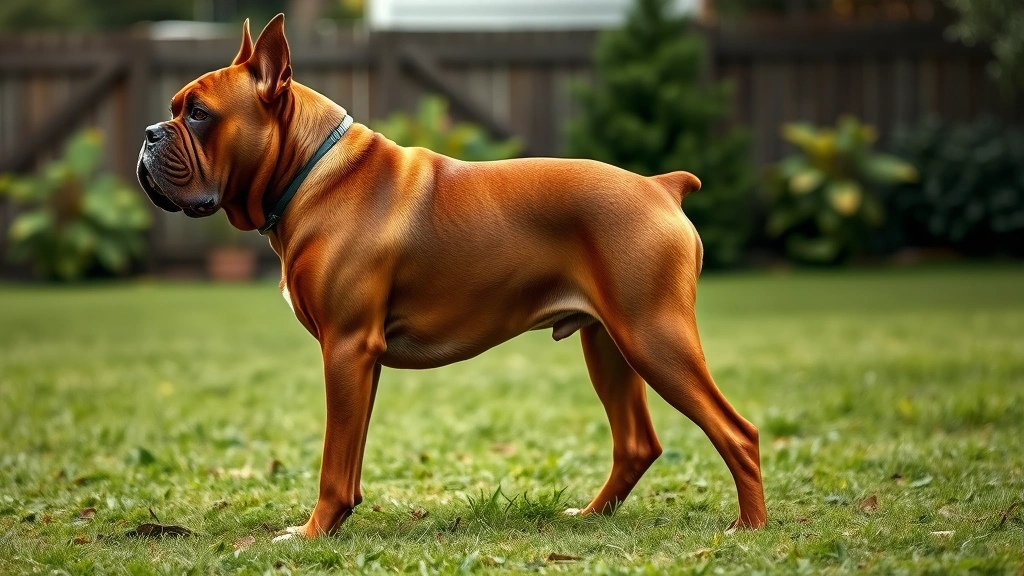
What kinda dog is Hooch? He’s a Dogue de Bordeaux, also known as a French Mastiff. This ancient breed hails from the Bordeaux region of France and has been around for centuries. These dogs are massive—we’re talking 100-145 pounds of pure muscle and wrinkles.
The Dogue de Bordeaux is one of the oldest French dog breeds, with roots tracing back to ancient Roman mastiffs. They were originally bred as working dogs, used for guarding estates, hunting wild boar, and even participating in dog fights (a dark chapter in the breed’s history). Today, they’re primarily beloved family companions and loyal protectors.
The breed’s distinctive appearance includes:
- A massive, blocky head with pronounced wrinkles
- A short, fawn-colored coat (though red and mahogany variations exist)
- Loose, hanging jowls that produce copious amounts of drool
- A muscular, athletic build despite their stocky appearance
- Small, high-set ears
Physical Characteristics: Understanding Hooch’s Massive Presence
When you’re asking what kinda dog is Hooch, you’re really asking about a dog that commands attention just by existing. Dogues de Bordeaux are genuinely impressive specimens. Males typically stand 23-26 inches tall at the shoulder and weigh between 110-145 pounds. Females are slightly smaller but still substantial.
The breed’s most distinctive feature is undoubtedly that massive head. The skull is broad and heavily wrinkled, giving these dogs their characteristic grumpy expression—though their temperament is typically anything but grumpy. That wrinkled face is actually functional; it helps channel water away from the eyes and nose.
The coat is short and dense, requiring minimal grooming compared to longer-haired breeds. However, those wrinkles need regular attention. Moisture can accumulate in skin folds, leading to infections if not properly maintained. This is one of the hidden care requirements of Hooch-type dogs that the movies don’t always show.
Temperament and Personality: The Gentle Giant Myth (Sort Of)
Here’s where what kinda dog is Hooch gets interesting beyond just physical traits. Dogues de Bordeaux are often described as gentle giants, and while there’s truth to this, it’s more nuanced than the label suggests.
These dogs are incredibly loyal and affectionate with their families. They form deep bonds with their people and are known for being protective without being aggressive. They’re patient with children and generally friendly with other dogs, especially if socialized early. The drool, the goofy antics, the way they seem to lean against you for comfort—that’s all very real Dogue de Bordeaux behavior.
However, they also have a stubborn streak. These aren’t dogs that will blindly obey commands; they have independent minds and need consistent, firm training from an early age. They can be protective of their territory and family, which means proper socialization is crucial. Unlike some low maintenance dogs, Dogues de Bordeaux require engaged, experienced owners.
They’re also surprisingly intelligent despite their sometimes-goofy demeanor. They understand their environment and their people remarkably well, making them excellent watchdogs and companions.
Health Considerations: The Reality of Owning a Hooch
If you’re thinking about getting a dog like Hooch, you need to understand the health realities. Dogues de Bordeaux have a shorter lifespan than many breeds—typically 5-8 years, though some live into their early teens. This is one of the hardest truths about the breed.
Common health issues include:
- Hip dysplasia: A genetic condition affecting the hip joint
- Heart disease: Dilated cardiomyopathy is relatively common in the breed
- Bloat: A life-threatening condition where the stomach fills with gas
- Skin infections: Due to their wrinkled skin and skin folds
- Breathing issues: Their flat faces can lead to breathing difficulties
- Elbow dysplasia: Another joint-related genetic condition
Responsible breeders conduct health testing on their breeding dogs. If you’re considering a Dogue de Bordeaux, always ask for health clearances from parents. Unlike a mongrel dog that might inherit genetic diversity, purebred Dogues de Bordeaux can be prone to inherited conditions.
Training Hooch: What You Need to Know
Training a dog like Hooch requires patience, consistency, and understanding. These dogs are intelligent but independent, which means they need clear leadership and positive reinforcement.

Start socialization early. Expose your Dogue de Bordeaux puppy to various people, animals, and environments. This helps prevent fear-based aggression and ensures they grow into well-adjusted adults. Obedience training should begin in puppyhood and continue throughout their life.
These dogs respond well to positive reinforcement—treats, praise, and play. They don’t respond well to harsh corrections or punishment-based training methods. They’re sensitive dogs despite their imposing appearance, and they want to please their people.
One challenge specific to the breed: they can be stubborn about housebreaking. Consistency is key. Establish a routine, take them out frequently, and reward successful bathroom breaks immediately.
Grooming and Maintenance: More Than Just Drool
While Hooch’s drool is legendary, there’s more to grooming than managing saliva. The short coat requires minimal brushing—a weekly brush with a rubber grooming mitt or soft brush is usually sufficient. They do shed, though not excessively.
The real grooming challenge is those wrinkles. Each fold needs to be cleaned regularly (at least weekly, sometimes more) with a damp cloth and dried thoroughly. Neglecting this can lead to yeast infections and bacterial growth. It’s not glamorous, but it’s essential.
Their ears need regular cleaning since they’re prone to ear infections. Nail trimming every 4-6 weeks is important, and dental care should be a priority—large breed dogs can develop periodontal disease.
Bathing should happen every 6-8 weeks or as needed. Use a gentle dog shampoo and make sure to dry all skin folds thoroughly afterward.
Exercise Needs: Surprising Activity Level
You might assume a dog like Hooch would be a couch potato, but that’s not entirely accurate. While they’re not marathon runners, Dogues de Bordeaux do need regular exercise. Aim for 30-60 minutes of moderate activity daily.
They enjoy walks, playtime in the yard, and interactive games. However, they’re sensitive to heat due to their flat faces, so exercise should be scheduled for cooler parts of the day. Swimming is excellent for these dogs if they have access to a pool—it’s low-impact on their joints and helps keep them cool.
Avoid strenuous exercise immediately after eating, as this increases bloat risk. Also, be cautious with puppies; their bones are still developing, and too much jumping or running on hard surfaces can cause joint problems.
Hooch Compared to Similar Breeds
If you’re wondering what kinda dog is Hooch in comparison to other mastiffs, here’s the breakdown. English Mastiffs are larger but often more laid-back. Neapolitan Mastiffs are even more wrinkled but tend to be more aggressive. Bull Mastiffs are athletic and energetic. The Dogue de Bordeaux sits in a sweet spot—massive but not overly aggressive, wrinkled but not excessively so, and with a personality that’s both protective and goofy.
Some medium outside dog breeds can serve similar purposes, but they lack the distinctive character that makes Hooch-type dogs special. The Dogue de Bordeaux is truly in a category of its own.
Finding Your Own Hooch: Breeder and Rescue Considerations
If you’ve fallen in love with the idea of owning a dog like Hooch, you have two main options: responsible breeders or rescue organizations.
When choosing a breeder, look for:
- Health testing documentation (OFA, PennHIP for hip/elbow dysplasia)
- Genetic testing for hereditary conditions
- References from previous puppy buyers
- A willingness to take the dog back if issues arise
- Involvement in breed clubs or organizations
Rescue organizations specializing in mastiffs or Dogues de Bordeaux can be wonderful resources. Adult dogs are often already trained and their personalities are fully developed, making it easier to know what you’re getting.
The American Kennel Club maintains a list of reputable breeders, and the AKC website is an excellent starting point for breed information and breeder resources.
Cost of Ownership: The Financial Reality
Owning a dog like Hooch isn’t cheap. Initial purchase price from a reputable breeder ranges from $1,500 to $4,000. Rescue dogs are typically $200-$500.
Annual costs include:
- Food: $100-$150/month (large breed dog food isn’t cheap)
- Veterinary care: $500-$1,500 annually
- Preventative medications: $200-$400/year
- Grooming: $300-$500/year
- Training: Variable, but budget $500-$2,000 if needed
Emergency veterinary care can be devastating. Many Dogue de Bordeaux owners recommend pet insurance or maintaining an emergency fund of $3,000-$5,000.
Living with Hooch: Daily Life Expectations
Here’s what daily life actually looks like with a dog like Hooch:
Your furniture will have drool marks. Your clothes will have paw prints. Your guests will be greeted by a massive, wrinkled face and enthusiastic tail wagging. You’ll spend time managing wrinkles and dealing with occasional skin issues. You’ll go through a lot of paper towels.
But you’ll also experience unconditional love. You’ll have a loyal companion who sees you as their entire world. You’ll laugh at their goofy antics and marvel at their gentle nature despite their intimidating appearance. You’ll understand why Hooch became such a beloved character.
These dogs form deep bonds with their families. They’re protective without being aggressive, affectionate without being needy, and intelligent enough to understand your moods and respond accordingly.
Frequently Asked Questions
Is Hooch a good family dog?
Yes, Dogues de Bordeaux like Hooch can be excellent family dogs. They’re patient with children, loyal, and protective. However, they require experienced owners, proper training, and socialization. They’re best suited for families with older children who understand how to interact with large dogs respectfully.
How long do Hooch-type dogs live?
Dogues de Bordeaux typically live 5-8 years, with some reaching their early teens. Their relatively short lifespan is one of the breed’s biggest challenges and something potential owners should carefully consider.
Do Hooch dogs shed a lot?
They shed moderately. The short coat doesn’t require extensive grooming, but regular brushing helps manage shedding. They’re not the best choice for people with severe allergies.
Are Dogues de Bordeaux aggressive?
Not inherently. They’re protective and can be territorial, but they’re not naturally aggressive. Proper socialization and training from puppyhood are essential. Irresponsible breeding for aggressive traits has unfortunately happened, so choosing a reputable breeder is crucial.
Can Hooch-type dogs live in apartments?
Yes, despite their size. They’re relatively low-energy indoors and don’t require a yard. However, they need regular walks and exercise. The bigger consideration is their drool and potential damage from their size in small spaces.
What makes the Dogue de Bordeaux different from other mastiffs?
The Dogue de Bordeaux is smaller than English Mastiffs, has more wrinkles than most mastiffs, and has a distinct French heritage. They’re known for being goofy and affectionate in ways other mastiff breeds sometimes aren’t.
Conclusion: Understanding What Kinda Dog is Hooch
What kinda dog is Hooch? He’s a Dogue de Bordeaux—a French mastiff breed that combines massive size with surprising gentleness, intimidating appearance with goofy charm, and protective instincts with genuine affection. Hooch isn’t just a movie character; he represents an entire breed with distinct characteristics, health considerations, and care requirements.
If you’re considering bringing a Hooch-like dog into your life, understand that you’re committing to a complex responsibility. These dogs require experienced owners who understand their health needs, training requirements, and emotional demands. They’ll test your patience with their stubbornness and break your heart with their relatively short lifespans.
But they’ll also give you loyalty that’s almost incomprehensible, a sense of humor that matches their goofy demeanor, and a bond that transcends the typical human-dog relationship. They’ll make you understand why Hooch became such an iconic character and why people still ask what kinda dog is Hooch decades after the movie’s release.
Whether you’re a longtime fan of the Turner & Hooch films or simply curious about this remarkable breed, understanding the Dogue de Bordeaux gives you insight into one of the dog world’s most distinctive and lovable breeds. Like Hooch himself, these dogs are unforgettable.





