

What makes a dog cough can range from something as simple as a tickle in their throat to something that requires immediate veterinary attention. If your furry friend has been hacking away like they’re auditioning for a cough drop commercial, you’re probably wondering what’s going on under that adorable snout. Let’s dig into the reasons your pup might be coughing and what you can actually do about it.
Table of Contents
- Understanding Canine Coughing: More Than Just a Hairball
- Cause #1: Kennel Cough (Infectious Tracheobronchitis)
- Cause #2: Heart Disease and Congestive Heart Failure
- Cause #3: Allergies and Environmental Irritants
- Cause #4: Foreign Objects and Aspirated Items
- Cause #5: Collapsing Trachea and Chronic Bronchitis
- Quick Fixes and Home Care Strategies
- When to Call Your Vet Immediately
- Diagnostic Tools Your Vet Might Use
- Prevention Tips to Keep Your Dog Cough-Free
- Frequently Asked Questions
- Summary: Taking Action Against Your Dog’s Cough
Understanding Canine Coughing: More Than Just a Hairball
Dogs cough for many of the same reasons humans do, but sometimes their reasons are uniquely dog-related. Unlike cats, your dog probably isn’t hacking up a hairball (thank goodness). Instead, a dog’s cough can indicate anything from mild irritation to serious health conditions. The key is knowing when to grab your phone and call the vet versus when you can just monitor your pup at home.
A cough in dogs is essentially a reflex action—their body’s way of clearing the airways. But persistent coughing is definitely worth investigating, especially if it’s accompanied by other symptoms like lethargy in dogs or changes in eating habits.
Cause #1: Kennel Cough (Infectious Tracheobronchitis)
Kennel cough is the common cold of the dog world. This highly contagious respiratory infection causes that distinctive dry, hacking cough that sounds like your dog is trying to cough up a tennis ball. If your dog recently spent time at a boarding facility, dog park, or groomer, kennel cough might be the culprit.
The condition is caused by various bacteria and viruses, most commonly the bacterium Bordetella bronchiseptica and canine parainfluenza virus. Dogs spread it through respiratory droplets, so if your pup has been around other dogs, they could’ve picked it up easily.
Most cases of kennel cough resolve on their own within 1-3 weeks, though some dogs might cough for up to six weeks. Your vet might prescribe antibiotics or cough suppressants to help your dog feel more comfortable. The good news? It’s usually not serious, just annoying for everyone involved.
Cause #2: Heart Disease and Congestive Heart Failure
This is where things get serious. A persistent, dry cough—especially one that gets worse at night or when your dog is lying down—could indicate heart problems. Heart disease in dogs can lead to fluid accumulation in the lungs, which triggers coughing.
Older dogs are more susceptible to heart disease, but it can affect dogs of any age. If your dog’s cough is accompanied by difficulty breathing, exercise intolerance, or snoring, get them to a vet immediately. A veterinary cardiologist can perform an echocardiogram or chest X-ray to determine if heart disease is the issue.
Cause #3: Allergies and Environmental Irritants
Just like humans, dogs can suffer from allergies that trigger coughing. Whether it’s pollen, dust, mold, or smoke, environmental irritants can make your dog’s airways inflamed and irritated. Some dogs develop seasonal allergies that cause coughing during certain times of year.
If your dog’s cough seems to correlate with specific seasons or environments, allergies might be the answer. Your vet can recommend antihistamines, steroids, or other allergy management strategies. In some cases, identifying and removing the allergen is the best solution—like keeping your dog away from smoky environments or using an air purifier at home.
Cause #4: Foreign Objects and Aspirated Items
Dogs are curious creatures, and sometimes they inhale things they shouldn’t. A piece of toy, food, or even a blade of grass can get lodged in the trachea or bronchi, causing coughing. This is a medical emergency if the object is blocking the airway.
If your dog suddenly starts coughing after playing with a toy or eating, and the cough seems distressed or accompanied by gagging, don’t wait—get to an emergency vet. They can perform imaging or an endoscopy to locate and remove the foreign object.
Cause #5: Collapsing Trachea and Chronic Bronchitis
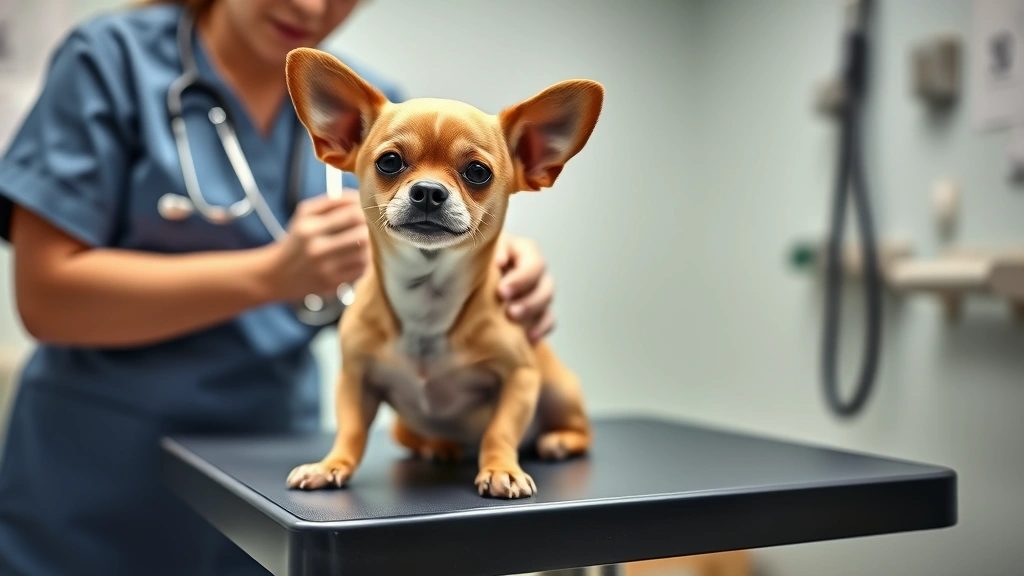
Collapsing trachea is particularly common in small dog breeds like Chihuahuas, Pomeranians, and Yorkshire Terriers. The trachea (windpipe) weakens and collapses, causing a dry, honking cough that’s often described as sounding like a goose. The cough typically worsens with excitement, exercise, or pulling on a leash.
Chronic bronchitis, on the other hand, involves long-term inflammation of the airways. It’s more common in older dogs and can be triggered by smoking exposure, air pollution, or repeated respiratory infections. Both conditions require veterinary management and lifestyle adjustments.
Quick Fixes and Home Care Strategies
While some causes of coughing require professional treatment, there are several things you can do at home to help your coughing companion feel better. First, ensure your dog has access to plenty of fresh water—staying hydrated helps loosen secretions and soothe irritated airways.
Consider using a humidifier in your home, especially during dry seasons. The added moisture in the air can help ease respiratory irritation. If your dog is coughing due to environmental irritants, try keeping them indoors during high pollen counts or smoky conditions.
Avoid exposing your dog to secondhand smoke, strong perfumes, or cleaning chemicals. These can all irritate the respiratory system. If your dog has a harness, make sure it’s not too tight around the neck area, as pressure on the trachea can trigger coughing fits.
When to Call Your Vet Immediately
Some coughing situations demand immediate veterinary attention. If your dog’s cough is accompanied by difficulty breathing, blue-tinged gums, collapse, or severe distress, this is an emergency. Similarly, if your dog is coughing up blood or has a high fever, don’t delay—get professional help right away.
A persistent cough lasting more than a week, especially in an older dog or one with pre-existing health conditions, warrants a vet visit. If the cough is affecting your dog’s eating, sleeping, or overall quality of life, it’s time to call the clinic.
Diagnostic Tools Your Vet Might Use
When you bring your coughing pup to the vet, they’ll start with a physical examination and health history. They might recommend chest X-rays to look for pneumonia, heart disease, or other lung issues. Blood work can help rule out infections or other systemic diseases.
In some cases, your vet might perform a tracheal wash or bronchoalveolar lavage to collect samples from the airways for testing. An ultrasound or echocardiogram might be needed if heart disease is suspected. These diagnostic tools help pinpoint the exact cause of your dog’s cough.
Prevention Tips to Keep Your Dog Cough-Free
Prevention is always better than treatment. Keep your dog’s vaccinations current, including the kennel cough vaccine if they spend time around other dogs. This is especially important if your pup is a social butterfly who frequents dog parks or boarding facilities.
Maintain good air quality in your home by avoiding smoke and using air filters. Regular exercise helps keep your dog’s respiratory system healthy, but avoid strenuous activity in extremely hot or polluted conditions. If your dog has a tendency toward tracheal collapse, use a harness instead of a collar to reduce pressure on the windpipe.

Regular vet checkups are crucial, especially for older dogs. Early detection of heart disease or chronic bronchitis can make a significant difference in your dog’s quality of life. Keep your dog at a healthy weight, as obesity can exacerbate respiratory issues.
Frequently Asked Questions
Is my dog’s cough contagious to other dogs?
It depends on the cause. Kennel cough is highly contagious to other dogs, so you should keep your coughing pup away from other canines until they’re cleared by a vet. Heart disease, allergies, and tracheal collapse are not contagious. Always consult your vet about whether your dog’s cough is transmissible.
Can I give my dog cough medicine from my medicine cabinet?
Never give your dog human medications without explicit veterinary approval. Some human cough medicines contain ingredients that are toxic to dogs, like xylitol or acetaminophen. Always ask your vet before administering any medication, and follow their dosing instructions precisely.
How long should I wait before taking my dog to the vet for a cough?
If your dog’s cough is mild and they’re otherwise acting normal, you can monitor them for a few days. However, if the cough persists for more than a week, worsens, or is accompanied by other symptoms, contact your vet. When in doubt, it’s better to err on the side of caution and get a professional opinion.
Could my dog’s cough be related to motion sickness?
While motion sickness itself doesn’t typically cause coughing, the stress and anxiety associated with car rides might trigger coughing in sensitive dogs. If your dog coughs during or after car trips, they might benefit from medicine for motion sickness for dogs. Talk to your vet about options to reduce travel-related stress.
What can I do if my dog’s cough is caused by dry skin or coat issues?
While dry skin doesn’t directly cause coughing, poor coat health can indicate nutritional deficiencies that might affect respiratory health. Consider using a medicated dog shampoo if your vet recommends it, and ensure your dog is getting adequate omega-3 and omega-6 fatty acids in their diet for overall health.
Summary: Taking Action Against Your Dog’s Cough
What makes a dog cough can range from minor irritations to serious health conditions, which is why understanding the potential causes is so important. Whether it’s kennel cough, heart disease, allergies, foreign objects, or tracheal collapse, each cause has different treatment approaches and urgency levels.
The bottom line? Know your dog’s normal behavior and be alert to changes. A cough that appears suddenly or persists for more than a few days deserves professional evaluation. Keep your dog’s vaccinations current, maintain good air quality in your home, and schedule regular vet checkups to catch potential issues early.
Your dog depends on you to recognize when something’s wrong and take action. By staying informed about the common causes of coughing and knowing when to seek veterinary help, you’re already being a great pet parent. So listen to that cough, trust your instincts, and don’t hesitate to call your vet when something doesn’t seem right. Your furry friend will thank you with plenty of tail wags and wet kisses.





