

If your furry best friend is scratching like they’re auditioning for a flea circus, you’re probably wondering what oil is good for dogs itchy skin. The good news? Several oils can help soothe that maddening itch and get your pup back to their happy, non-scratching self. The bad news? Not all oils are created equal, and some can actually make things worse. Let’s dive into the oily world of canine skin relief.
Table of Contents
- Understanding Why Dogs Get Itchy Skin
- Fish Oil: The Omega-3 Powerhouse for Canine Skin Health
- Coconut Oil: The Tropical Itch-Fighting Wonder
- Olive Oil: The Kitchen Cabinet Classic
- Salmon Oil: The Targeted Omega Solution
- Flaxseed Oil: The Budget-Friendly Alternative
- Essential Oils: Proceed with Extreme Caution
- How to Apply Oils Safely to Your Dog’s Skin
- Combining Oils with Other Itch-Fighting Strategies
- When to Call Your Vet About Itchy Skin
- Conclusion: Finding Your Dog’s Perfect Oil Match
- Frequently Asked Questions
Understanding Why Dogs Get Itchy Skin
Before we slather our dogs in every oil under the sun, let’s understand what’s causing the itch in the first place. Dogs can develop itchy skin for tons of reasons—allergies (both food and environmental), dry skin, parasites, yeast infections, or even just the winter blues. The scratching can lead to secondary infections, hair loss, and one very grumpy dog. That’s where oils come in as a natural, soothing remedy.
Fish Oil: The Omega-3 Powerhouse for Canine Skin Health
Fish oil is basically the MVP of dog skin oils. It’s packed with omega-3 fatty acids that reduce inflammation and support skin barrier function. When you give your dog fish oil supplements or add it to their food, you’re essentially giving their skin an internal spa treatment. Studies show that omega-3s can significantly reduce itching and improve coat quality within 4-6 weeks.
The best part? Most dogs actually like the taste (though your breath might smell like a fishing boat). You can find fish oil supplements specifically formulated for dogs, which come in capsules or liquid form. Dosage depends on your dog’s weight, so chat with your vet about the right amount. Just avoid cod liver oil—it has too much vitamin A for regular supplementation.
Coconut Oil: The Tropical Itch-Fighting Wonder
Coconut oil is the Instagram darling of dog care, and honestly, it deserves some of the hype. It contains lauric acid, which has antimicrobial and anti-inflammatory properties. You can apply it topically directly to affected areas or give it to your dog orally (about ½ teaspoon per 10 pounds of body weight, daily). Some dogs love it, others think you’re trying to poison them—YMMV.
For topical application, massage it gently into your dog’s skin, avoiding the eyes and any open wounds. It can help with dry, flaky skin and even has mild flea-repelling properties. Fair warning: your dog might look like they’ve been deep-fried for a few hours until it soaks in. Also, it can be a bit greasy on furniture, so maybe skip the couch cuddles immediately after application.
Olive Oil: The Kitchen Cabinet Classic
You probably have olive oil in your kitchen right now, which makes it a convenient option for dog skin care. Extra virgin olive oil contains polyphenols and antioxidants that can soothe inflamed skin. It’s gentler than coconut oil and less likely to cause digestive upset if ingested in small amounts.
A small drizzle on your dog’s food (about a teaspoon for small dogs, a tablespoon for large dogs) can provide benefits from the inside. For topical use, apply sparingly to affected areas—a little goes a long way, and you don’t want your pup sliding across hardwood floors. It’s also less likely to clog pores than coconut oil, making it better for dogs prone to yeast infections.
Salmon Oil: The Targeted Omega Solution
Similar to fish oil but derived specifically from salmon, this oil is another omega-3 champion. It’s often more palatable than generic fish oil and comes in various forms—liquids, capsules, and even treats. Salmon oil is particularly effective for dogs with food allergies and environmental allergies. Many vets recommend it as a first-line supplement for itchy skin before jumping to prescription medications.
The anti-inflammatory effects are real and measurable. You should see improvements in coat shine and reduced scratching within 3-8 weeks. Combine it with a limited ingredient dog food if you suspect food allergies are the culprit, and you might just crack the code on your dog’s itchiness.
Flaxseed Oil: The Budget-Friendly Alternative
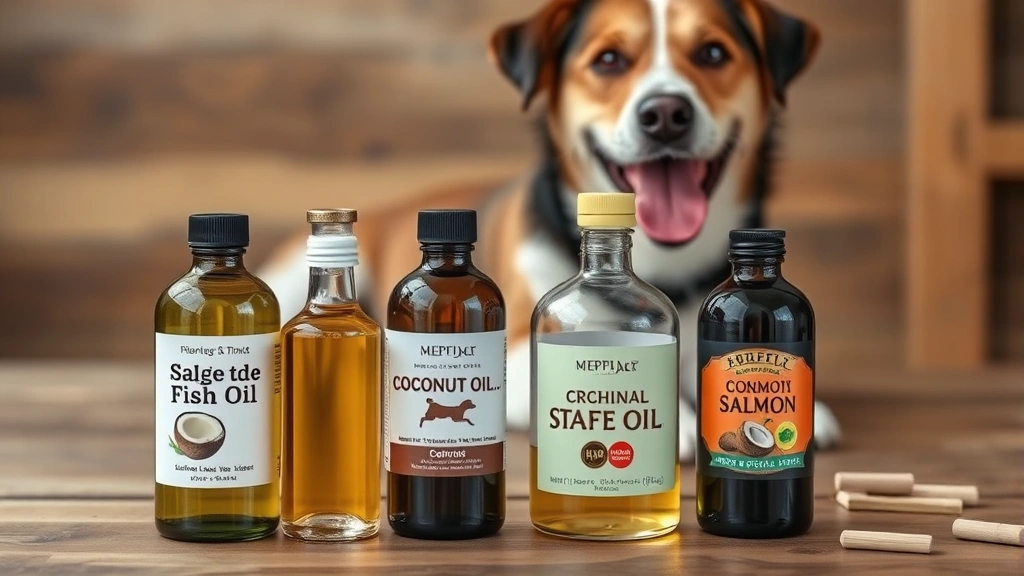
If fish oil prices make your wallet cry, flaxseed oil is a more affordable option. It contains alpha-linolenic acid (ALA), a plant-based omega-3 that your dog’s body converts to EPA and DHA—though less efficiently than fish oil. It’s still worth considering, especially for mild itching or as a maintenance supplement.
You can add a small amount to your dog’s food daily (about ½ teaspoon for small dogs). It has a mild, nutty flavor that most dogs tolerate well. The downside? It takes longer to show results than fish oil, and it’s not as potent. But hey, when you’re saving money AND helping your dog’s skin, that’s a win-win.
Essential Oils: Proceed with Extreme Caution
Here’s where I need to pump the brakes hard. While essential oils like lavender and rosemary sound lovely, they’re NOT safe for dogs in most cases. Dogs lack certain liver enzymes that break down essential oils, making them potentially toxic. Even diluted essential oils can cause problems.
If you’re considering is rosemary oil safe for dogs, the answer is: not really, unless specifically prescribed by your vet. Same goes for is lavender bad for dogs—it absolutely can be. Stick to carrier oils and vet-approved supplements rather than essential oils. Your dog’s liver will thank you.
How to Apply Oils Safely to Your Dog’s Skin
Application method matters. Always dilute oils before topical application, and never apply them to broken skin or open wounds. Start with small amounts to test for sensitivity—some dogs might develop contact dermatitis. Apply oils to clean, dry skin and massage gently into affected areas.
For oral supplementation, add oils to meals or give them as directed on the supplement bottle. Never force your dog to ingest oil; if they refuse it, try mixing it with something tasty like pumpkin or bone broth. And always introduce new supplements gradually to avoid digestive upset.
Combining Oils with Other Itch-Fighting Strategies
Oils work best as part of a comprehensive approach. Regular baths with gentle, hypoallergenic dog shampoo help remove irritants and allergens. Ensure your dog’s diet is high-quality and consider limited ingredient dog food if allergies are suspected. Maintain proper grooming to prevent matting and allow skin to breathe.
Environmental factors matter too—keep humidity levels moderate, reduce exposure to known allergens, and ensure your dog isn’t sleeping on irritating fabrics. If itching persists despite oils and lifestyle changes, see your vet. Sometimes that itch signals something requiring medical attention, like a yeast infection or parasites.
When to Call Your Vet About Itchy Skin
Oils are great for maintenance and mild itching, but they’re not miracle workers. If your dog is scratching so much they’re losing hair, developing hot spots, or showing signs of infection (redness, discharge, odor), contact your vet immediately. Chronic itching can indicate allergies, thyroid issues, or other underlying conditions that need professional diagnosis.
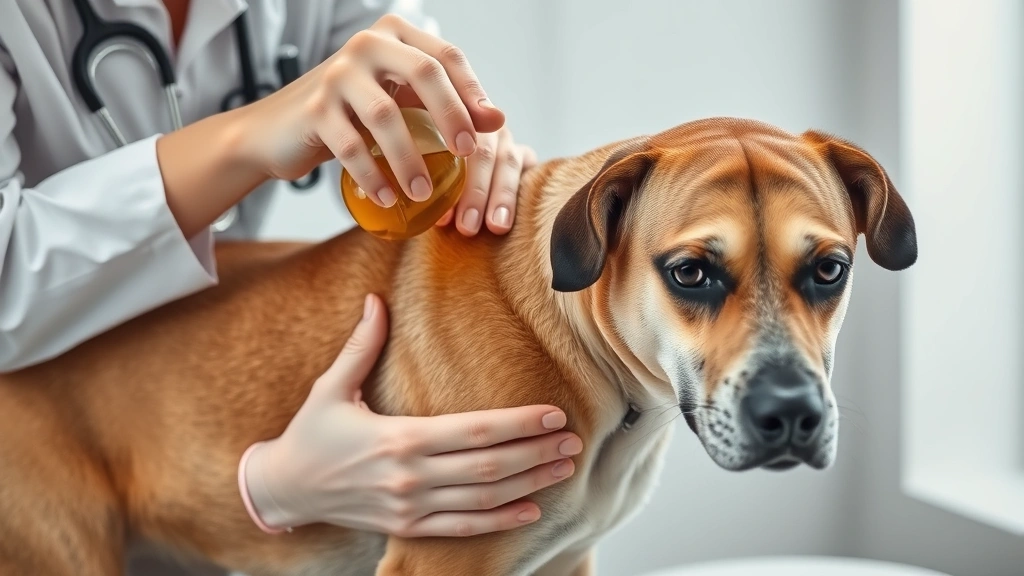
Your vet might recommend prescription treatments alongside oils, or they might suggest allergy testing to identify specific triggers. Some dogs benefit from joint supplements for dogs that also support skin health. Don’t wait if your dog seems miserable—that’s not the time for DIY oil treatments alone.
Conclusion: Finding Your Dog’s Perfect Oil Match
So, what oil is good for dogs itchy skin? The answer depends on your individual pup, but fish oil, salmon oil, and coconut oil are your safest bets. Start with one oil, give it 4-8 weeks to show results, and monitor your dog’s response. Combine supplementation with quality food, regular grooming, and environmental management for the best outcomes.
Remember, every dog is unique. What works miracles for your neighbor’s golden retriever might do nothing for your corgi. Be patient, stay consistent, and don’t hesitate to involve your vet in the process. Your dog’s itchy skin doesn’t have to be a permanent problem—sometimes it just takes finding the right oily solution.
Frequently Asked Questions
Can I use human fish oil supplements for my dog?
While human fish oil supplements contain the same omega-3s, they’re often formulated differently and may contain additives not suitable for dogs. It’s safer to use supplements specifically formulated for dogs, where dosages are appropriate for canine body weight and metabolism. Talk to your vet before giving your dog any human supplements.
How long does it take for oils to improve itchy skin?
Most dogs show improvement within 4-8 weeks of consistent oil supplementation, though some see results faster. Factors like the underlying cause of itching, your dog’s metabolism, and the specific oil used all affect timeline. Be patient and consistent—good skin health takes time to rebuild.
Is it safe to mix different oils together?
Generally, yes, but introduce them one at a time to monitor for adverse reactions. Mixing fish oil with coconut oil, for example, can provide complementary benefits. However, avoid combining with essential oils, and always consult your vet before creating custom oil blends for your dog.
Can oils cure food allergies?
Oils can help manage symptoms of food allergies by reducing inflammation, but they can’t cure the underlying allergy. If you suspect food allergies, work with your vet to identify trigger ingredients and switch to a limited ingredient dog food while using oils as a supportive treatment.
What’s the difference between topical and oral oil application?
Oral supplements work systemically to improve skin health from within, while topical applications provide immediate, localized relief. For best results, use both methods—oral supplements for long-term skin barrier support and topical oils for acute itching relief. Your vet can recommend the best combination for your dog’s specific needs.





