
What Seasonings Are Safe for Dogs? Vet-Approved Guide
We all love sharing our meals with our furry best friends, but when it comes to seasoning, things get a bit trickier. That homemade beef stew smells absolutely divine, but can Fido enjoy it too? The short answer is: some seasonings are perfectly safe for dogs, while others can be downright dangerous. As a responsible pet parent, understanding which seasonings won’t send your pup to the vet is crucial knowledge.
The challenge is that many common kitchen seasonings that make our food delicious can cause serious health issues for our canine companions. Their digestive systems work differently than ours, and what tastes good to us might upset their stomachs or worse. That’s why we’ve compiled this comprehensive guide to help you navigate the seasoning situation with confidence.
Whether you’re cooking homemade dog meals, preparing human food your pup can share, or simply curious about what’s lurking in your spice rack, this vet-approved resource will answer all your questions about seasoning safety for dogs.
Dog-Safe Seasonings You Can Use
The good news is that several seasonings are completely safe for your dog and can even add nutritional value to their meals. When you’re looking for what seasonings can dogs have, these options are your green light.
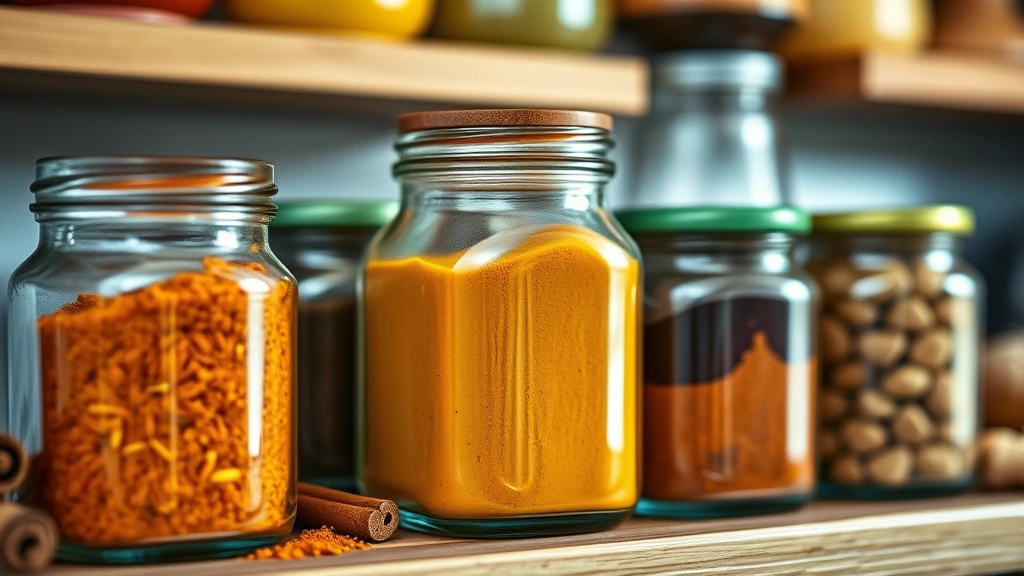
Turmeric is one of the most celebrated dog-safe seasonings. This golden spice contains curcumin, a powerful anti-inflammatory compound. Many vets recommend turmeric for dogs with joint issues or arthritis. You can sprinkle a small amount on their food, though it’s best to start with tiny quantities to ensure your dog tolerates it well.
Ginger is another excellent choice that deserves your attention. If you’re wondering whether dogs can eat ginger, the answer is a resounding yes! Ginger can help with nausea, digestive issues, and inflammation. Fresh ginger works best, and you can add small amounts to your dog’s regular meals. Some pet parents even freeze ginger in ice cubes for a refreshing treat.
Cinnamon is safe and delicious for dogs in small amounts. If you’ve been asking yourself whether cinnamon is good for dogs, rest assured that this warming spice can support healthy blood sugar levels and provide antioxidants. A light dusting on their food or mixed into homemade treats is perfectly acceptable.
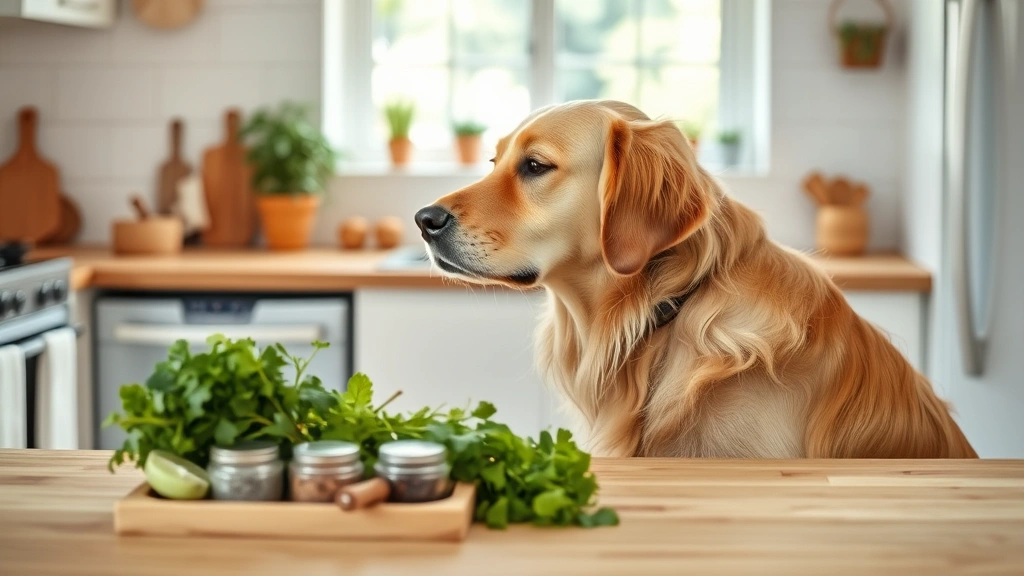
Parsley is a dog-friendly herb that freshens breath naturally. It’s packed with vitamins and minerals, making it a nutritious addition to your dog’s diet. You can chop fresh parsley and mix it into their meals without worry.
Basil offers antioxidant and anti-inflammatory benefits. Fresh basil is safe for dogs and can add flavor to homemade dog meals without any health concerns. Just avoid dried basil in large quantities.
Seasonings to Avoid Completely
Now for the critical part: seasonings that should never touch your dog’s food. These are toxic and can cause serious harm.
Garlic and Onion are absolutely off-limits for dogs. Both belong to the allium family and contain compounds that damage red blood cells, leading to hemolytic anemia. Whether raw, cooked, powdered, or dehydrated, dogs cannot eat garlic safely. Many commercial dog foods and treats unfortunately contain garlic powder, so always read labels carefully.
Chives are equally dangerous. These innocent-looking herbs contain the same toxic compounds as garlic and onions, so keep them completely away from your pup.
Salt should be minimized in your dog’s diet. Excessive salt can lead to sodium poisoning, causing vomiting, diarrhea, tremors, and seizures. Always use unsalted or low-sodium options when cooking for your dog, and never give them salted snacks meant for humans.
Nutmeg is toxic to dogs and can cause neurological issues, including seizures. Even small amounts should be avoided entirely.
Xylitol (often found in “sugar-free” seasonings and condiments) is extremely dangerous. This artificial sweetener can cause rapid insulin release and liver failure in dogs. Always check ingredient lists carefully.
Chili Powder and Cayenne are far too spicy for dogs’ sensitive digestive systems and can cause gastric upset and irritation.

Seasonings to Use With Caution
These seasonings aren’t inherently dangerous but require careful consideration and moderation.
Black Pepper is technically safe but should be limited. If you’re wondering whether dogs can have black pepper, the answer is yes, but sparingly. While not toxic, black pepper can irritate dogs’ digestive systems and respiratory tracts, so use it minimally.
Paprika is safe in small amounts but can irritate sensitive stomachs. Use it sparingly and watch your dog for any signs of digestive upset.
Garlic Powder deserves special mention because it’s more concentrated than fresh garlic and therefore more dangerous. Avoid it entirely, as even small amounts can be harmful.
Herbs like Oregano and Thyme are safe but potent. Use only tiny amounts, as their strong oils can overwhelm a dog’s system in large quantities.
Cumin is safe but can be irritating to some dogs’ stomachs. Start with minimal amounts and observe your dog’s reaction.
Potential Health Benefits of Dog-Safe Seasonings
Beyond simply being safe, some dog-friendly seasonings offer genuine health benefits. Understanding these benefits can help you make informed choices about your dog’s nutrition.
According to research from the American Kennel Club, turmeric’s curcumin has been studied for its anti-inflammatory properties in dogs, particularly those with arthritis or joint pain. The compound may help improve mobility and reduce discomfort in aging dogs.
Ginger has long been used in traditional medicine for digestive support. A study published in veterinary journals suggests that ginger may help reduce nausea and support healthy digestion in dogs, making it particularly useful for dogs prone to car sickness or sensitive stomachs.
Cinnamon contains antioxidants that support overall health and may help regulate blood sugar levels. For dogs with metabolic concerns or those prone to weight gain, cinnamon can be a beneficial addition to their diet.
Parsley isn’t just a breath freshener—it contains vitamin K, which supports blood clotting, and vitamin C for immune function. Fresh parsley can be a nutritious, low-calorie treat.
When preparing foods like peanut butter for your dog, you might consider adding a pinch of cinnamon for added flavor and health benefits, though always verify the peanut butter itself is xylitol-free first.
Cooking Tips for Your Pup
Now that you understand which seasonings are safe, let’s talk about how to incorporate them into your dog’s meals responsibly.
Start Small: When introducing any new seasoning, begin with tiny amounts. This allows you to monitor your dog for any adverse reactions and lets their digestive system adjust gradually.
Use Fresh When Possible: Fresh herbs and spices are generally safer and more potent than dried versions. They’re also free from additives and preservatives that might be added to store-bought seasonings.
Avoid Blended Seasonings: Pre-made seasoning blends often contain salt, garlic, onion powder, or other harmful ingredients. Always read labels or make your own blends to ensure safety.
Cook Without Added Salt: When preparing homemade meals for your dog, cook without salt entirely. You can always add dog-safe seasonings afterward for flavor without the sodium risk.
Mix Into Food: Rather than sprinkling seasonings on top, mix them thoroughly into your dog’s food. This ensures even distribution and prevents them from picking out specific pieces.
Consult Your Vet: Before making significant dietary changes or adding new seasonings regularly, discuss your plans with your veterinarian. They can provide personalized recommendations based on your dog’s health status, age, and any existing conditions.
The ASPCA maintains a comprehensive list of foods and substances toxic to pets, which is an excellent resource to bookmark for quick reference.
Watch for Reactions: After introducing a new seasoning, monitor your dog for vomiting, diarrhea, lethargy, or loss of appetite. If you notice any concerning symptoms, discontinue use and contact your veterinarian.
Frequently Asked Questions
Can dogs eat seasoned chicken?
It depends on the seasonings used. Plain seasoned chicken with dog-safe herbs like basil or parsley is fine, but chicken seasoned with garlic, onion, salt, or spicy seasonings should be avoided. Always remove the skin, as it often contains harmful seasonings.
Is salt bad for dogs?
Yes, excessive salt is harmful to dogs and can cause sodium poisoning. While dogs need some sodium for proper body function, the amount in commercial dog foods is typically sufficient. Never add extra salt to homemade dog meals.
Can I give my dog my leftovers if I remove the seasonings?
Removing seasonings helps, but it’s not foolproof. Garlic and onion compounds permeate food during cooking, so simply removing them afterward won’t eliminate the toxins. It’s safer to prepare dog portions separately without these ingredients.
What should I do if my dog ate something with garlic?
Contact your veterinarian immediately. Garlic toxicity depends on the amount consumed and your dog’s size. Your vet may recommend monitoring or treatment. For emergency situations, the ASPCA Animal Poison Control Center is available 24/7.
Are there seasonings that help dogs’ breath?
Yes! Parsley is excellent for freshening dog breath naturally. It contains chlorophyll, which helps neutralize odors. Some dogs also benefit from cinnamon, though parsley is the top choice for this purpose.
Can puppies have the same seasonings as adult dogs?
Generally yes, but puppies have more sensitive digestive systems. Start with even smaller amounts than you would for adult dogs, and introduce seasonings more gradually. Always consult your vet about your puppy’s specific dietary needs.
Is turmeric safe for all dogs?
Turmeric is safe for most dogs, but those on blood-thinning medications should consult their vet first, as turmeric has mild anticoagulant properties. Additionally, dogs with gallbladder disease should avoid it. When in doubt, ask your veterinarian.
What about seasoning blends marketed for dogs?
Some commercial dog seasoning blends are specifically formulated to be safe for dogs. However, always read the ingredient list carefully. Look for products that explicitly state they’re free from garlic, onion, salt, and other harmful ingredients. Reputable brands will have clear safety information.
Can I use herbs from my garden?
Many garden herbs are safe for dogs, including basil, parsley, and oregano (in moderation). However, ensure your garden hasn’t been treated with pesticides or fertilizers harmful to pets. Always properly identify plants before offering them to your dog.
How much seasoning is too much?
The general rule is that seasonings should make up less than 10% of your dog’s daily food intake. Most dog-safe seasonings are potent, so a light dusting is typically sufficient. More isn’t better when it comes to seasonings for dogs.





