
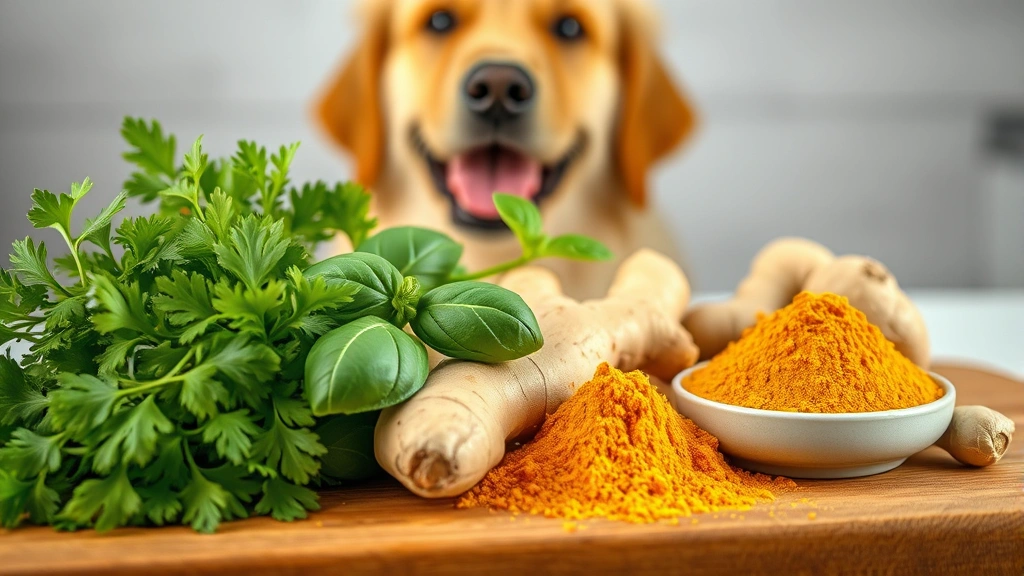
So you’re wondering what seasonings can dogs eat? Great question! Most dog owners get excited about sharing their meals with their furry best friends, but then panic when they realize that garlic powder might be lurking in that “healthy” seasoning blend. The truth is, some seasonings are totally safe for dogs, while others can send you sprinting to the emergency vet. Let’s break down which ones won’t turn your pup’s stomach into a science experiment.
Table of Contents
- Why Dog Owners Care About Seasonings
- The Safe Seasonings Dogs Can Actually Enjoy
- Cinnamon: The Sweet Spice That’s Actually Okay
- Turmeric: The Golden Inflammation Fighter
- Ginger: The Tummy-Soothing Root
- Parsley: The Breath-Freshening Herb
- Basil: The Aromatic Antioxidant
- Oregano: The Antimicrobial Herb
- Sage: The Digestive-Friendly Seasoning
- Rosemary: The Antioxidant Powerhouse (With Caveats)
- Turmeric and Ginger Combo: The Dynamic Duo
- The Absolute No-Go Seasonings
- How to Safely Add Seasonings to Your Dog’s Food
- Real-World Example: Making Dog-Friendly Meals
- Understanding Your Dog’s Individual Needs
- Frequently Asked Questions
- The Bottom Line: Safe Seasonings for Your Pup
Why Dog Owners Care About Seasonings
Your dog looks at you with those puppy eyes while you’re seasoning dinner, and honestly, it’s hard to resist. But here’s the thing: dogs have different digestive systems than humans. What tastes amazing to us might be toxic to them. The good news? You don’t have to feed your dog bland chicken forever. There are actually some delicious, dog-safe seasonings and herbs that can make their meals more interesting without compromising their health.
According to the American Kennel Club, knowing which seasonings are safe is essential for responsible pet ownership. Let’s dive into the ones that actually make the cut.
The Safe Seasonings Dogs Can Actually Enjoy
Before we get into specifics, understand that “safe” means two things: non-toxic AND given in appropriate amounts. A tiny pinch of cinnamon? Fine. A tablespoon mixed into kibble daily? Maybe dial it back. Moderation is your best friend here.
Cinnamon: The Sweet Spice That’s Actually Okay
Cinnamon is one of the few seasonings that’s genuinely safe for dogs in small amounts. It’s got antioxidants and might even help with inflammation. Just don’t go crazy with it—a light sprinkle on their food is plenty. Skip the cinnamon sugar bombs, though. Your dog doesn’t need the sugar rush or the dental drama that comes with it.
Turmeric: The Golden Inflammation Fighter
This bright yellow spice has been making waves in the wellness world, and it turns out turmeric is good for dogs too. It contains curcumin, which has anti-inflammatory properties. Some vets recommend it for dogs with joint issues or arthritis. A quarter teaspoon mixed into their food a few times a week is generally considered safe. Just make sure your pup doesn’t have any bleeding disorders before adding it regularly.
Ginger: The Tummy-Soothing Root
Got a dog with occasional digestive upset? Ginger is okay for dogs and can actually help settle their stomach. It’s been used in traditional medicine for centuries, and modern vets agree it’s got merit. A tiny amount—we’re talking a pinch of ground ginger or a small piece of fresh ginger—can help with nausea. Don’t overdo it, and avoid giving it to dogs on blood thinners.
Parsley: The Breath-Freshening Herb
Fresh parsley is one of the safest dog-friendly herbs and seasonings you can add to their meals. It’s got chlorophyll, which actually helps freshen breath naturally. Just use the flat-leaf variety (not curly parsley, which can be a choking hazard), and chop it finely. Your dog’s kibble just got a little greener and fresher.
Basil: The Aromatic Antioxidant
This herb is safe for dogs and adds a nice flavor to their food. Basil has antioxidants and anti-inflammatory properties. Fresh basil is better than dried, and just a small amount goes a long way. It’s particularly good if you’re making homemade dog treats or fresh meals.
Oregano: The Antimicrobial Herb
Oregano is another safe option that actually has antimicrobial properties. A tiny pinch in their food won’t hurt, and some holistic vets recommend it for immune support. Keep it minimal though—oregano is potent, and you don’t want to overwhelm your pup’s palate.
Sage: The Digestive-Friendly Seasoning
Many people don’t realize that sage is safe for dogs when used in tiny amounts. It’s been traditionally used to support digestion and has antimicrobial properties. However, sage oil is a no-go—stick to the dried herb in minimal quantities. A light sprinkle is all you need.
Rosemary: The Antioxidant Powerhouse (With Caveats)
Here’s where it gets tricky. Rosemary oil is not safe for dogs, but small amounts of the dried herb in food are generally okay. Rosemary has antioxidants, but the essential oil can be toxic. Stick to the herb itself, and use sparingly. Think of it as a occasional flavor boost, not a dietary staple.
Turmeric and Ginger Combo: The Dynamic Duo
Many holistic vets recommend combining turmeric and ginger for dogs with joint issues or inflammation. Together, they create a powerful anti-inflammatory effect. If you’re considering this route, talk to your vet first about proper dosing based on your dog’s weight and health status.
The Absolute No-Go Seasonings
Now let’s talk about what you should NEVER give your dog, even in tiny amounts:
- Garlic and Onion Powder: These are toxic to dogs because they damage red blood cells. Onion powder is bad for dogs and can cause hemolytic anemia. Same goes for garlic.
- Chili Powder and Hot Spices: These can irritate your dog’s digestive system and cause pancreatitis in severe cases.
- Nutmeg: Even small amounts can cause neurological issues in dogs.
- Xylitol-Sweetened Seasonings: If a seasoning blend contains xylitol, it’s an absolute dealbreaker. This artificial sweetener is highly toxic to dogs.
- Salt: While not technically a “seasoning” in the traditional sense, excessive salt can lead to sodium ion poisoning in dogs.
- Black Pepper: Large amounts can upset their stomach, though a tiny bit occasionally is usually fine.
How to Safely Add Seasonings to Your Dog’s Food
If you’re ready to spice things up (pun intended), here’s how to do it responsibly:
- Start Small: Begin with a tiny pinch and watch for any digestive upset over the next 24 hours.
- Mix Thoroughly: Make sure the seasoning is evenly distributed throughout their meal so they don’t accidentally get a concentrated bite.
- Use Fresh When Possible: Fresh herbs are generally safer and more nutritious than dried versions.
- Avoid Blends: Pre-made seasoning blends often contain garlic, onion, or salt. Make your own dog-safe blends instead.
- Consult Your Vet: If your dog has any health conditions, especially kidney disease or bleeding disorders, check with your vet before adding seasonings.
Real-World Example: Making Dog-Friendly Meals
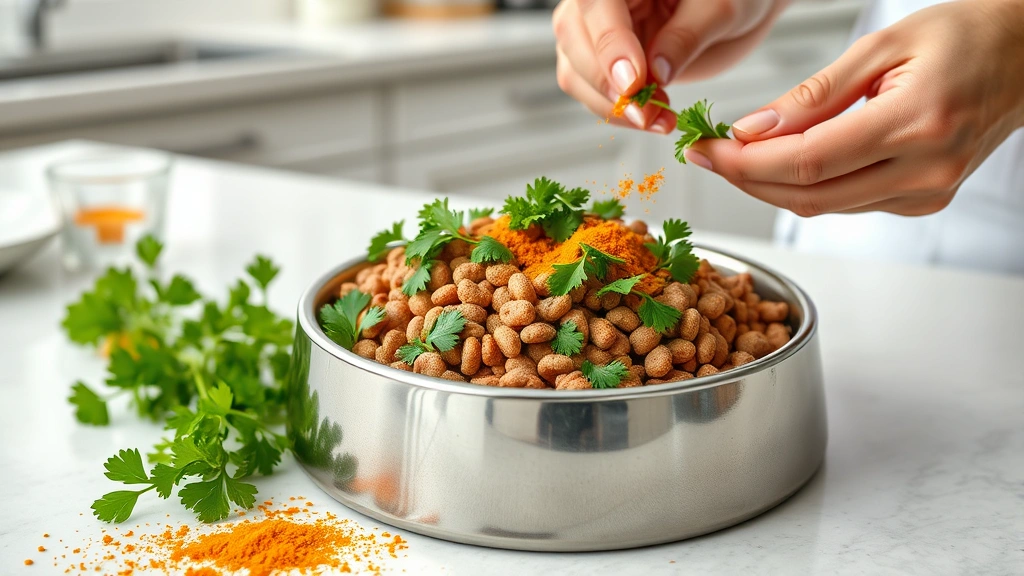
Let’s say you’re making rotisserie chicken for your family and want to share some with your pup. Here’s what you can do: Take a plain piece of chicken (no seasoning), shred it, and add a light sprinkle of parsley or a tiny pinch of turmeric. Mix it into their regular kibble or serve it as a special treat. Your dog gets the love and the flavor without any of the risk.
Understanding Your Dog’s Individual Needs
Every dog is unique. Some dogs have sensitive stomachs, while others can handle more variety. Senior dogs might benefit from anti-inflammatory seasonings like turmeric and ginger, while puppies should stick to the basics. PetMD recommends always considering your individual dog’s age, weight, and health status when introducing new foods or seasonings.
Frequently Asked Questions
Can dogs eat garlic seasoning?
Absolutely not. Garlic is toxic to dogs and damages their red blood cells. This includes garlic powder, garlic salt, and any seasoning blend containing garlic. Don’t risk it, even in small amounts.
Is it safe to give dogs black pepper?
A tiny bit of black pepper occasionally won’t hurt most dogs, but it can irritate their digestive system and cause discomfort. It’s better to skip it entirely and use dog-safe alternatives instead.
Can I give my dog paprika?
Plain paprika (not spicy varieties) is generally considered safe in very small amounts, though it offers little nutritional benefit. Stick with the seasonings that actually have health benefits instead.
What about salt in dog food?
Dogs need some sodium, but commercial dog foods already contain appropriate amounts. Adding extra salt can lead to sodium ion poisoning and increase blood pressure. Leave the salt shaker alone.
Is it okay to use seasoning blends made for dogs?
Some commercial dog seasoning blends are formulated safely, but always read the ingredient list carefully. Look for ones without garlic, onion, xylitol, or excessive salt. When in doubt, make your own from single ingredients you trust.
How much turmeric can I give my dog daily?
This depends on your dog’s weight and health status. Generally, 1/8 to 1/4 teaspoon for small dogs, up to 1/2 teaspoon for larger dogs, a few times per week is considered safe. Always consult your vet for personalized dosing.
Can dogs eat herbs from my garden?
Many garden herbs are safe, including basil, oregano, parsley, and sage. However, some plants are toxic (like sago palm and lilies). Only offer herbs you’ve positively identified as dog-safe.
The Bottom Line: Safe Seasonings for Your Pup
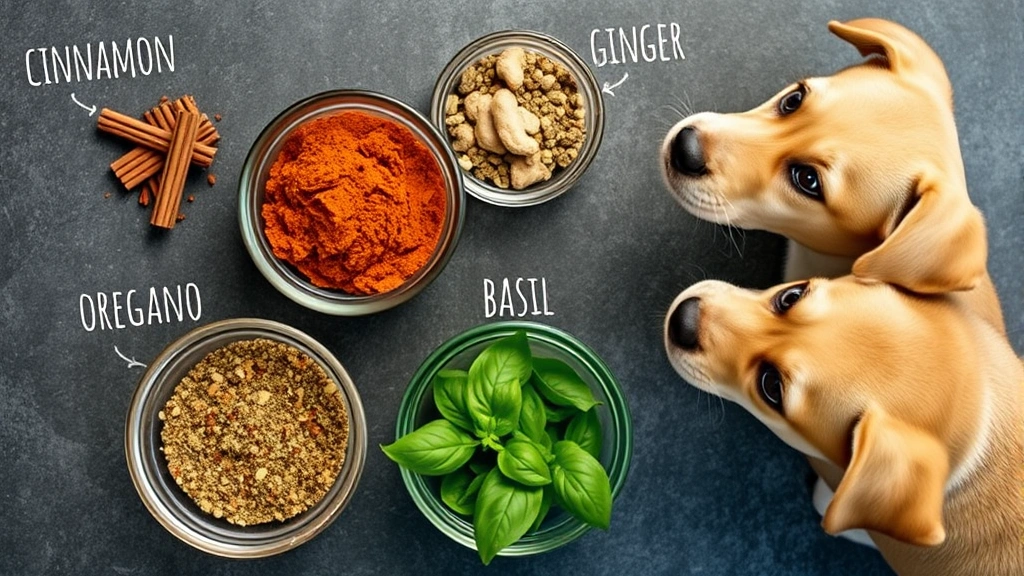
So, what seasonings can dogs eat? The short answer is: several! Cinnamon, turmeric, ginger, parsley, basil, oregano, and sage are all dog-safe when used in appropriate amounts. The key is moderation, fresh ingredients when possible, and always checking with your vet before introducing anything new to your dog’s diet.
The absolute rule of thumb: if it contains garlic, onion, excessive salt, or xylitol, it’s off-limits. Everything else requires careful consideration and small-scale testing. Your dog doesn’t need fancy seasonings to be healthy and happy, but adding a safe pinch here and there can make their meals more enjoyable and might even provide some health benefits.
Remember, your dog’s health and safety always come first. When in doubt, keep it plain or ask your veterinarian. Your pup will love you either way, seasoned food or not!





