

Keeping your beloved canine companion healthy throughout their life starts with understanding what shots do dogs need. Vaccinations serve as your dog’s first line of defense against potentially fatal diseases, protecting not only your pet but also the broader community from contagious illnesses. Just as human vaccines have virtually eliminated many deadly diseases, proper canine vaccination protocols have saved countless dogs’ lives over the decades.
The world of dog vaccines can seem overwhelming for new pet owners, with core vaccines, non-core vaccines, puppy schedules, and booster requirements all playing crucial roles in your dog’s health plan. Understanding which vaccines are essential and when they should be administered will help you make informed decisions about your pet’s healthcare and ensure they live a long, healthy life free from preventable diseases.
Core Vaccines: The Essential Foundation
Core vaccines represent the absolute essentials that every dog should receive, regardless of their lifestyle, location, or risk factors. The American Veterinary Medical Association defines core vaccines as those that protect against diseases that are endemic to a region, have public health significance, are required by law, or pose a risk of severe disease.
The four core vaccines for dogs include the DHPP combination vaccine, which protects against Distemper, Hepatitis (Adenovirus), Parvovirus, and Parainfluenza. Distemper is a highly contagious viral disease that affects the respiratory, gastrointestinal, and nervous systems, often proving fatal in unvaccinated dogs. Hepatitis, caused by canine adenovirus type 1, primarily affects the liver and can cause severe illness or death in young puppies.
Parvovirus represents one of the most serious threats to unvaccinated dogs, particularly puppies. This hardy virus attacks the gastrointestinal system, causing severe vomiting, bloody diarrhea, and rapid dehydration. The Centers for Disease Control and Prevention emphasizes that parvovirus can survive in the environment for months, making vaccination crucial for prevention.
Parainfluenza contributes to kennel cough complex, a highly contagious respiratory condition. While rarely fatal on its own, it can lead to secondary bacterial infections and significant discomfort. Understanding can dogs get colds helps owners recognize when respiratory symptoms might indicate something more serious requiring veterinary attention.
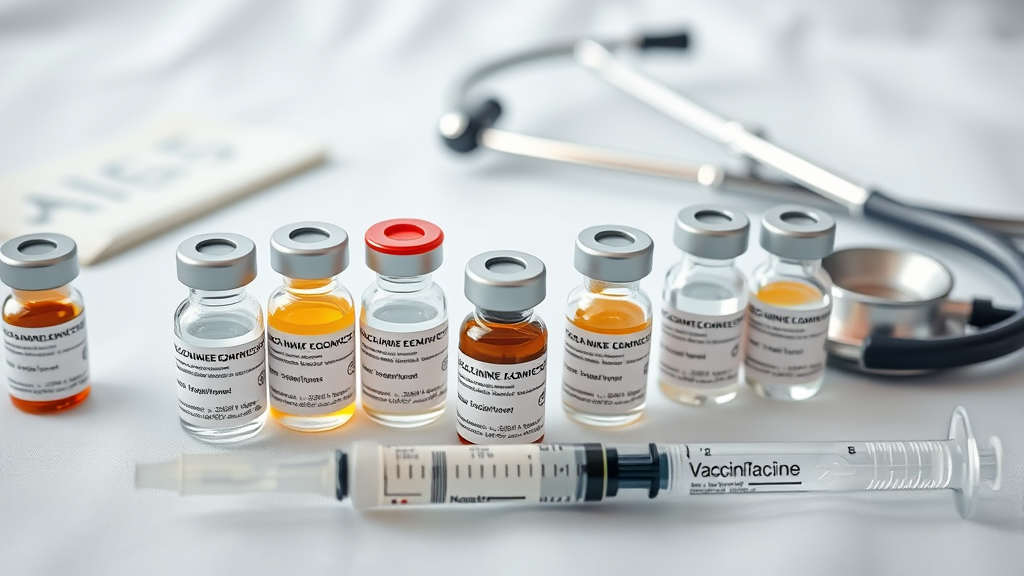
Rabies Vaccination: Legal Requirements and Protection
Rabies vaccination stands alone as both a core vaccine and a legal requirement in most jurisdictions. This fatal viral disease affects the central nervous system of all mammals, including humans, making it a critical public health concern. The CDC’s rabies prevention guidelines emphasize that vaccination is the most effective way to prevent this invariably fatal disease.
Most states require rabies vaccination by law, typically administered when puppies reach 12-16 weeks of age. The frequency of booster shots varies by state and vaccine type, with some requiring annual boosters while others accept three-year vaccines. Learning about how often dogs require rabies shots ensures you stay compliant with local laws while protecting your pet.
Rabies vaccination provides nearly 100% protection when administered properly and kept current. The vaccine works by stimulating the immune system to produce antibodies against the rabies virus. Even indoor dogs require rabies vaccination, as bats and other wildlife can enter homes, and legal requirements apply to all dogs regardless of lifestyle.
Failure to maintain current rabies vaccination can result in legal consequences, quarantine requirements if your dog bites someone, and potential euthanasia if exposure occurs. The American Kennel Club provides comprehensive guidelines on rabies vaccination requirements and schedules.
Non-Core Vaccines: Additional Protection Options
Non-core vaccines are recommended based on your dog’s individual risk factors, including geographic location, lifestyle, and exposure potential. These vaccines protect against diseases that may not affect all dogs but can be serious for those at risk. Your veterinarian will assess your dog’s specific needs to determine which non-core vaccines are appropriate.
Bordetella vaccination protects against kennel cough, a highly contagious respiratory infection common in dogs that spend time around other dogs. Boarding facilities, grooming salons, and dog parks often require this vaccination. The intranasal vaccine provides faster immunity but may cause mild respiratory symptoms, while the injectable version takes longer to provide protection but has fewer side effects.
Lyme disease vaccination is recommended for dogs in endemic areas, particularly those that spend time in wooded or grassy areas where ticks are prevalent. The CDC’s Lyme disease information shows that certain regions have significantly higher infection rates, making vaccination more critical for dogs in these areas.
Canine influenza vaccines protect against specific strains of dog flu. Understanding whether dogs can get the flu helps owners recognize symptoms and understand the importance of vaccination in high-risk situations. The H3N8 and H3N2 strains require separate vaccines, and your veterinarian will recommend based on local outbreak patterns.
Other non-core vaccines include Leptospirosis, which protects against a bacterial infection that can be transmitted to humans, and Canine Coronavirus, though this vaccine is rarely recommended due to the mild nature of the disease it prevents.

Puppy Vaccination Schedule: Getting Started Right
Puppy vaccination schedules are carefully designed to provide protection when maternal antibodies wane while avoiding interference with the immune response. The American Animal Hospital Association provides evidence-based guidelines for optimal vaccination timing.
Most puppies begin their vaccination series between 6-8 weeks of age, receiving their first DHPP vaccine. The series typically continues every 3-4 weeks until the puppy reaches 16-20 weeks of age. This schedule ensures adequate protection as maternal antibodies decline at different rates in individual puppies.
The typical puppy schedule includes DHPP vaccines at 8, 12, and 16 weeks, with rabies vaccination given at 12-16 weeks depending on local laws. Some veterinarians recommend extending the series to 20 weeks in high-risk areas or for certain breeds that may have delayed immune responses.
During the vaccination series, puppies remain vulnerable to disease and should avoid areas where unvaccinated dogs congregate. Puppy socialization classes with vaccination requirements provide safe opportunities for important behavioral development. Recognizing signs of illness, such as learning how to tell if a dog has a fever, becomes crucial during this vulnerable period.
Adult Dog Boosters and Maintenance
Adult dogs require regular booster vaccinations to maintain immunity throughout their lives. The frequency of boosters has evolved based on scientific research, with many vaccines now proven to provide longer-lasting immunity than previously thought. The AVMA’s vaccination principles emphasize evidence-based scheduling rather than arbitrary annual protocols.
Core vaccine boosters are typically given every three years after the initial adult series, though some veterinarians still recommend annual boosters based on risk assessment. Rabies boosters follow state law requirements, usually every one to three years depending on the vaccine used and local regulations.
Non-core vaccine boosters vary significantly based on the specific vaccine and risk factors. Bordetella vaccines may need annual or even more frequent boosters for dogs in high-exposure situations. Lyme disease vaccines typically require annual boosters in endemic areas.
Senior dogs may have different vaccination needs, as immune systems can become less robust with age. Some older dogs may benefit from more frequent monitoring and potentially modified vaccination schedules. However, the myth that senior dogs don’t need vaccines is dangerous, as they may be more susceptible to infectious diseases.
Understanding Vaccination Risks and Side Effects
While vaccines are generally safe and highly effective, understanding potential risks and side effects helps owners make informed decisions and recognize when veterinary attention is needed. Serious adverse reactions are rare, but mild side effects are relatively common and usually resolve quickly.
Common mild side effects include soreness at the injection site, mild lethargy, and decreased appetite for 24-48 hours after vaccination. These reactions indicate that the immune system is responding appropriately to the vaccine. Some dogs may experience mild swelling at the injection site, which typically resolves within a few days.
More concerning reactions include severe allergic responses, which can occur within minutes to hours of vaccination. Signs include facial swelling, difficulty breathing, vomiting, diarrhea, and collapse. These reactions require immediate veterinary attention but occur in less than 1% of vaccinated dogs.
Small dogs may be at slightly higher risk for vaccine reactions, leading some veterinarians to modify protocols by spacing vaccines further apart or using smaller antigen loads. The FDA’s pet vaccine information provides detailed safety information for pet owners.
Long-term adverse effects are extremely rare but have been reported. These may include immune-mediated diseases or injection site sarcomas, though the risk is far outweighed by the benefits of vaccination in preventing deadly diseases.
Choosing the Right Vaccination Program
Working with a qualified veterinarian is essential for developing an appropriate vaccination program tailored to your dog’s individual needs. Factors to consider include your dog’s age, health status, lifestyle, travel plans, and local disease prevalence. A good veterinarian will assess these factors and recommend a customized approach rather than a one-size-fits-all protocol.
Geographic considerations play a crucial role in vaccination decisions. Dogs in areas with high tick populations may benefit from Lyme disease vaccination, while those in regions with canine influenza outbreaks might need flu vaccines. Understanding local disease patterns, including emerging threats like whether dogs can get bird flu, helps inform vaccination decisions.
Lifestyle factors significantly impact vaccination needs. Dogs that frequent boarding facilities, dog parks, or grooming salons have higher exposure risks than dogs that rarely interact with other animals. Travel plans also influence vaccination recommendations, as different regions may have different disease risks.
Some pet owners explore alternative vaccination protocols, such as titer testing to measure antibody levels before administering boosters. While titers can provide valuable information about immunity status, they don’t replace the need for rabies vaccination where legally required and may not be cost-effective for all vaccines.
Building a relationship with a veterinarian who understands your dog’s individual needs and your concerns about vaccination creates the best foundation for lifelong health. Regular health examinations provide opportunities to assess vaccination needs and adjust protocols as circumstances change.
Modern veterinary medicine recognizes that vaccination protocols should be individualized rather than standardized. This approach maximizes benefits while minimizing risks, ensuring that each dog receives appropriate protection based on their unique circumstances. Understanding what vaccines your dog needs and when they need them empowers you to make informed decisions about your pet’s healthcare.
Staying informed about emerging diseases and changing vaccination recommendations helps ensure your dog remains protected throughout their life. Diseases like understanding whether dogs can get norovirus or recognizing symptoms that might indicate illness similar to when dogs get colds demonstrates the importance of ongoing education about canine health threats.
Frequently Asked Questions
What shots do dogs need every year?
Not all vaccines need to be given annually. Core vaccines (DHPP) are typically given every three years after the initial series, while rabies frequency depends on local laws and vaccine type. Non-core vaccines like Bordetella may need annual or more frequent boosters depending on exposure risk. Your veterinarian will create a customized schedule based on your dog’s individual needs and risk factors.
When should puppies get their first shots?
Puppies typically receive their first vaccinations between 6-8 weeks of age, starting with the DHPP vaccine. The vaccination series continues every 3-4 weeks until the puppy reaches 16-20 weeks old. Rabies vaccination is usually given between 12-16 weeks of age, depending on local legal requirements.
Can dogs have reactions to vaccines?
Yes, but serious reactions are rare. Mild side effects like soreness, lethargy, and decreased appetite are common and typically resolve within 24-48 hours. Severe allergic reactions occur in less than 1% of dogs and require immediate veterinary attention. Signs include facial swelling, difficulty breathing, vomiting, and collapse.
Do indoor dogs need all the same vaccines?
Indoor dogs still need core vaccines including rabies (legally required) and DHPP, as these diseases can be transmitted through various means including contaminated objects, air, or brief outdoor exposure. However, they may not need certain non-core vaccines like Bordetella unless they visit grooming facilities or boarding kennels.
How long do dog vaccines provide protection?
Core vaccines typically provide immunity for 3+ years, which is why boosters are now recommended every three years rather than annually. Rabies vaccines are approved for either 1 or 3 years depending on the specific product used. Non-core vaccines vary, with some like Bordetella providing 6-12 months of protection.
What happens if my dog misses a booster shot?
If your dog misses a booster by a few months, they may still have adequate immunity, but you should consult your veterinarian. For significantly overdue vaccines, your dog may need to restart the vaccination series. Missing rabies boosters can have legal consequences and may require quarantine if exposure occurs.
Are there alternatives to traditional vaccination schedules?
Some veterinarians offer titer testing to measure antibody levels before administering boosters, which can help determine if vaccination is necessary. However, titers don’t replace legally required rabies vaccination and may not be cost-effective for all vaccines. Discuss alternatives with your veterinarian to determine what’s best for your dog.





