
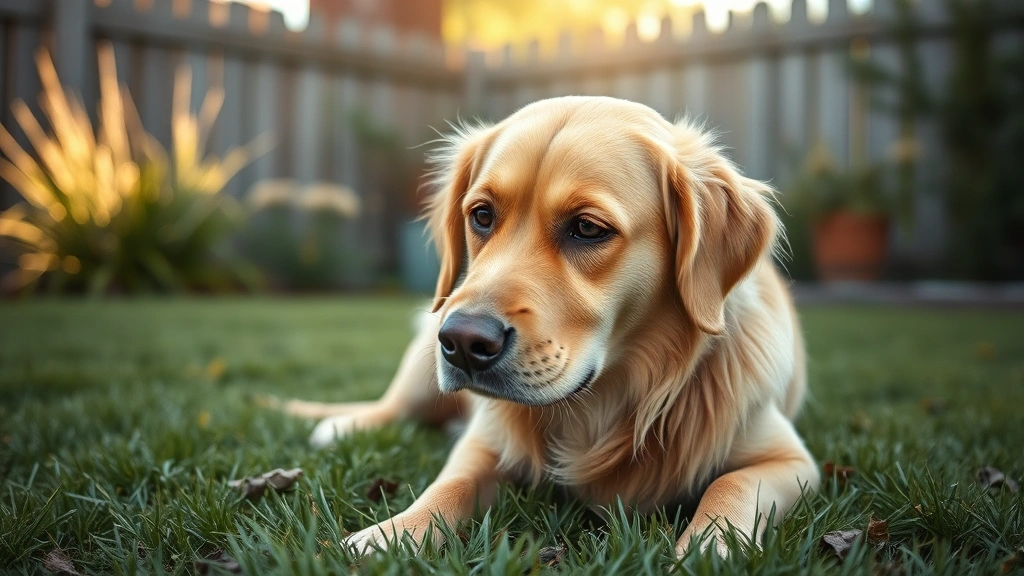
So your pup hasn’t pooped in a couple days and you’re starting to panic—totally understandable. Canine constipation is more common than you’d think, and the good news is that what should I give my dog for constipation has some genuinely effective answers that don’t require an emergency vet visit (though sometimes they do). Let’s talk about five proven remedies that’ll get your dog’s digestive system back on track and stop you from obsessively checking the backyard.
Table of Contents
- Understanding Dog Constipation: Why It Happens
- Remedy #1: Pumpkin Puree (The Gold Standard)
- Remedy #2: Increase Water Intake and Hydration
- Remedy #3: Add Fiber Through Diet Adjustments
- Remedy #4: Exercise and Movement
- Remedy #5: Probiotics and Digestive Supplements
- When to Call Your Vet (It’s Important!)
- Prevention: Keeping Your Dog Regular Long-Term
- The Bottom Line on Canine Constipation
- Frequently Asked Questions
Understanding Dog Constipation: Why It Happens
Before we jump into solutions, let’s understand what’s actually happening in your dog’s gut. Constipation in dogs occurs when stool becomes hard and difficult to pass, usually because of dehydration, lack of exercise, or dietary issues. Some dogs are just prone to it—especially older pups and those with sensitive digestive systems. Unlike diarrhea issues, constipation can stick around and cause real discomfort if left untreated.
Remedy #1: Pumpkin Puree (The Gold Standard)
Listen, if there’s one thing vets recommend more than anything else for dog constipation, it’s pumpkin. And we’re not talking about pumpkin pie filling loaded with sugar—we mean plain, canned pumpkin puree. This stuff is basically digestive magic for dogs.
Pumpkin works because it’s high in fiber and moisture, two things your constipated dog desperately needs. The soluble fiber absorbs water and adds bulk to stool, making it easier to pass. A tablespoon or two mixed into their regular food usually does the trick within 24 hours. Learn more about pumpkin’s benefits for dogs to understand why this remedy is so effective.
Pro tip: Keep a can in your pantry at all times. It’s cheap, safe, and works for both constipation and diarrhea—basically a digestive Swiss Army knife.
Remedy #2: Increase Water Intake and Hydration
Dehydration is the sneaky culprit behind a lot of canine constipation. If your dog isn’t drinking enough water, their stool gets hard and compacted, making it nearly impossible to pass comfortably.
Start by ensuring fresh water is always available. Some dogs are picky drinkers, so try these tricks: add a bit of low-sodium broth to their water bowl, use a dog water fountain (many dogs prefer running water), or offer ice cubes as treats. You can also add moisture directly to their food by mixing in some plain, unsalted bone broth or adding water to their kibble.
Aim for your dog to drink about one ounce of water per pound of body weight daily. A 50-pound dog should be drinking around 50 ounces of water—that’s a lot, so make it appealing.
Remedy #3: Add Fiber Through Diet Adjustments
Sometimes the issue is that your dog’s diet lacks sufficient fiber. While you don’t want to overdo it (too much fiber can cause other problems), a modest increase can work wonders.
Beyond pumpkin, consider adding small amounts of cooked sweet potato, green beans, or carrots to their meals. These are all dog-safe, fiber-rich foods that support healthy digestion. If your dog eats rice regularly, you might already be helping—brown rice has more fiber than white rice and can aid in digestive health.
You can also look into dog foods specifically formulated for digestive health. Some premium brands include added fiber and probiotics that naturally support bowel regularity. Just make any dietary changes gradually over 7-10 days to avoid upsetting their stomach further.

Remedy #4: Exercise and Movement
This one’s simple but often overlooked: a sedentary dog is a constipated dog. Exercise stimulates the muscles in the digestive tract, helping move things along naturally.
If your dog has been cooped up, increase their activity level gradually. This doesn’t mean running marathons—even a 20-30 minute walk twice daily can make a huge difference. Play sessions, fetch, or just letting them roam the yard encourages natural bowel movements.
Senior dogs especially benefit from gentle, consistent movement. If your older pup has mobility issues, even slow walks or swimming can help keep their digestive system active.
Remedy #5: Probiotics and Digestive Supplements
A healthy gut microbiome is essential for proper digestion. Probiotics designed for dogs can help restore balance to their intestinal bacteria, making bowel movements more regular and easier to pass.
Look for dog-specific probiotic supplements—not human ones. Brands like Proviable, FortiFlora, and Visbiome are vet-recommended. You can also find probiotics in certain dog foods and yogurts (plain, unsweetened yogurt is safe for dogs in small amounts).
Beyond probiotics, consider supplements containing digestive enzymes or ginger for digestive support. These can help your dog’s body process food more efficiently and maintain regular bowel movements.
When to Call Your Vet (It’s Important!)
Okay, so home remedies are great, but there are times when you absolutely need professional help. Contact your vet if your dog:
- Hasn’t had a bowel movement in more than 3-4 days despite remedies
- Is straining excessively or in obvious pain
- Is vomiting or refusing to eat
- Shows signs of lethargy or depression
- Has bloody stools or mucus in stool
- Is an older dog with chronic constipation issues
Severe constipation can indicate blockages, tumors, or other serious conditions. According to the American Kennel Club, persistent constipation warrants professional evaluation. Your vet might recommend enemas, manual extraction, or prescription medications in severe cases.
Prevention: Keeping Your Dog Regular Long-Term
The best approach to dog constipation is preventing it in the first place. Maintain a consistent routine with regular feeding times, daily exercise, and constant access to fresh water. Monitor your dog’s bathroom habits—knowing what’s normal for your pup makes it easy to spot problems early.
If your dog has a history of constipation, keep pumpkin puree on hand and consider a high-fiber diet. Some dogs just need a little extra help staying regular, and that’s totally fine.
The Bottom Line on Canine Constipation
When you’re asking “what should I give my dog for constipation,” you’ve got solid options that actually work. Pumpkin puree, increased hydration, dietary fiber, exercise, and probiotics form a powerful arsenal against dog constipation. Start with pumpkin and water—these are your first-line defenses. If your dog doesn’t improve within 2-3 days, or if you notice any concerning symptoms, contact your veterinarian immediately.
Remember, constipation is uncomfortable for your pup, but it’s usually manageable with the right approach. Most cases resolve quickly with simple home remedies, and your dog will be back to their normal, happy self in no time. Just keep that pumpkin in the pantry and stay vigilant about hydration and exercise, and you’ll rarely deal with this issue again.
Frequently Asked Questions
How long does it take for pumpkin to work on dog constipation?
Most dogs see results within 12-24 hours of eating pumpkin puree. If your dog hasn’t improved after 48 hours, contact your vet. Consistency matters—give it at least 2-3 doses before expecting results.
Is it safe to give my dog over-the-counter laxatives?
Some are safe, but not all. Never give your dog human laxatives like MiraLAX or Ex-Lax without vet approval. Miralax (polyethylene glycol) is sometimes recommended by vets in appropriate doses, but always ask first. Natural remedies like pumpkin are safer starting points.
Can certain dog breeds be more prone to constipation?
Yes, older dogs and certain breeds like Bulldogs, Pugs, and Dachshunds tend toward constipation due to their body structure and metabolism. Breeds with mobility issues also struggle more with regular bowel movements.
What if my dog is constipated and won’t eat?
Loss of appetite combined with constipation is a red flag. This could indicate a blockage or other serious condition. Contact your vet immediately rather than trying home remedies. Your dog needs professional evaluation.
Can I use olive oil to help my dog’s constipation?
A small amount of olive oil (like a teaspoon mixed into food) can help lubricate the digestive tract, but it’s not a primary remedy. Stick with pumpkin, water, and fiber first. Too much oil can cause diarrhea or pancreatitis in some dogs.
How often should I give my dog pumpkin for constipation?
For acute constipation, 1-2 tablespoons twice daily until resolved. For maintenance in dogs prone to constipation, 1 tablespoon daily is safe long-term. Always use plain pumpkin puree, not pie filling.





