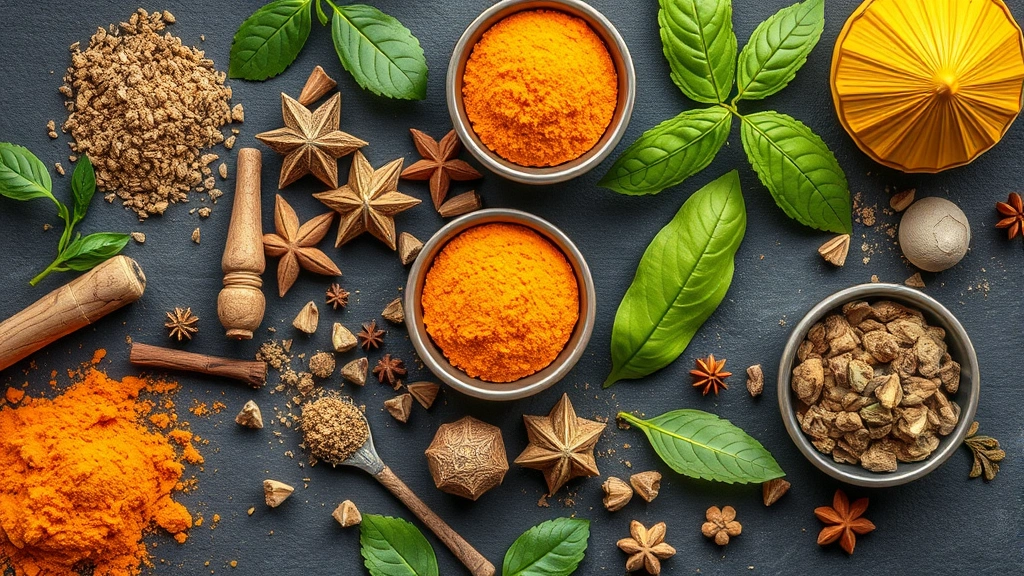
So you’re wondering what spices can dogs eat—and honestly, it’s a question every dog parent should ask before sharing their dinner plate with their furry best friend. While most of us love adding flavor to our food with a sprinkle of this and a dash of that, our dogs’ digestive systems are way pickier than ours. The good news? There ARE some spices that are totally safe for your pup, and we’re about to break down exactly which ones won’t send you sprinting to the vet.
Table of Contents
- Why Most Spices Are a No-Go for Dogs
- Safe Spices Your Dog Can Actually Enjoy
- Dangerous Spices to Keep Away From Your Pup
- Understanding Spice Blends and Seasonings
- Common Foods That Hide Dangerous Spices
- How Much Spice is Too Much?
- Signs Your Dog Has Eaten Something Spicy
- Healthy Alternatives to Spiced Foods
- Cooking for Your Dog: Best Practices
- Frequently Asked Questions
- Final Thoughts: Keep It Simple and Safe
Why Most Spices Are a No-Go for Dogs
Before we get into the safe stuff, let’s talk about why most spices are basically the enemy when it comes to dog nutrition. Dogs have sensitive stomachs compared to humans—their taste buds work differently, and their digestive systems process food in unique ways. Many common spices can cause gastrointestinal upset, allergic reactions, or even toxicity in dogs. The American Kennel Club (AKC) warns that certain spices can damage a dog’s red blood cells, upset their stomach lining, or cause neurological issues. When you’re seasoning your food, you’re usually adding concentrated amounts of spice that are way too intense for a dog’s system to handle safely.
Safe Spices Your Dog Can Actually Enjoy
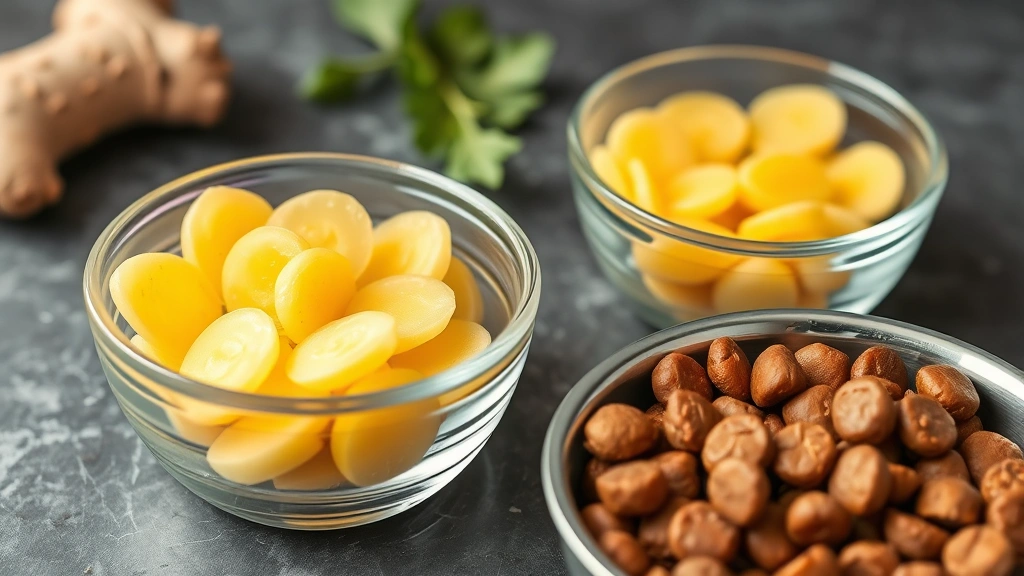
Now for the exciting part—there ARE spices that won’t make your vet give you the side-eye. Turmeric, in small amounts, contains curcumin, which has anti-inflammatory properties and might actually be good for your dog’s joints. Cinnamon (without added sugar) is another winner; it’s generally safe and won’t cause problems in small quantities. Ginger is also safe and can even help with nausea and digestive issues. Parsley (the fresh kind, not dried in large amounts) is fine and actually freshens breath. The key word here is “moderation”—we’re talking tiny pinches mixed into their regular food, not a full seasoning like you’d use for yourself.

Dangerous Spices to Keep Away From Your Pup
Here’s where things get serious. Garlic and onion powder are absolute no-nos because they contain compounds called thiosulfates that damage dogs’ red blood cells, potentially causing hemolytic anemia. Nutmeg is toxic to dogs and can cause neurological problems, tremors, and seizures. Chili powder, cayenne, and other hot peppers will irritate your dog’s digestive tract and cause serious discomfort. Black pepper might seem innocent, but it can upset sensitive stomachs. Salt, while not technically a spice, is dangerous in high amounts and can lead to sodium ion poisoning. Xylitol-sweetened spice blends are especially dangerous because xylitol causes rapid insulin release and can lead to liver failure in dogs.
Understanding Spice Blends and Seasonings
This is where most pet parents get tripped up. When you’re checking if something is safe, you can’t just look at the main ingredient—you need to read the entire label. That “Italian seasoning” blend probably contains garlic powder. Your favorite curry powder mix definitely has dangerous spices hidden in there. Store-bought spice blends are usually designed for human palates and often contain multiple problematic ingredients. When in doubt, it’s safer to skip the spice blend entirely and stick to plain, unseasoned proteins like turkey or lamb meat. If you’re cooking for your dog specifically, use single-ingredient spices only, and keep quantities minimal.
Common Foods That Hide Dangerous Spices
Your dog doesn’t need to eat a bowl of curry to get poisoned by spices. Many human foods contain hidden dangerous spices that pet parents don’t even realize. Soy sauce contains garlic, which is toxic. Tomato sauce often includes garlic and onion powder. Processed meats, deli products, and pre-made meals almost always contain problematic seasonings. Even seemingly innocent foods like seasoned rice or flavored broths can contain spices that aren’t safe for dogs. Rotisserie chicken from grocery stores is typically seasoned, making it risky for your pup. This is why it’s always safer to prepare plain, unseasoned food specifically for your dog rather than sharing your dinner.
How Much Spice is Too Much?
If you’ve accidentally given your dog a tiny bit of a safe spice, don’t panic. The dose makes the poison, as they say. A single lick of cinnamon-flavored food probably won’t harm your dog. However, regularly adding spices to your dog’s meals or giving them large quantities is asking for trouble. For safe spices like turmeric or ginger, think “pinch”—like, an amount so small you’d barely taste it yourself. If you’re cooking a meal for your dog, the spice-to-food ratio should be so minimal that you can barely detect it. When in doubt, skip the spice altogether. Your dog doesn’t need flavor enhancement—they’re happy with plain, healthy food.
Signs Your Dog Has Eaten Something Spicy
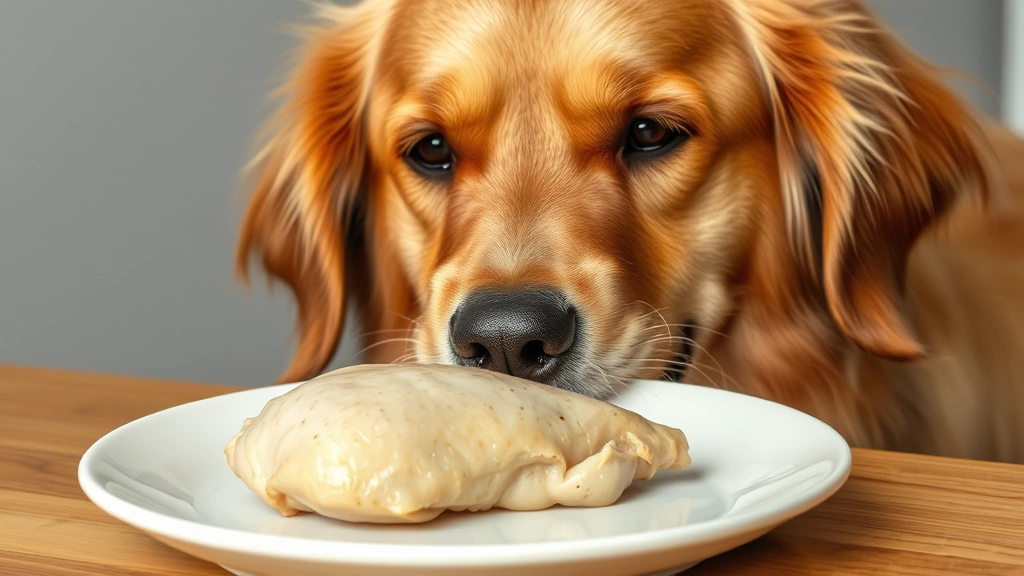
If your dog has consumed a dangerous spice, you might notice several warning signs. Vomiting and diarrhea are the most common symptoms. Some dogs will show signs of abdominal pain, including whining, restlessness, or a hunched posture. Lethargy or unusual behavior could indicate something more serious. Difficulty breathing, excessive drooling, or tremors are emergency signs that require immediate veterinary attention. If your dog has eaten garlic or onion powder, symptoms might not appear immediately—they can develop over days or weeks as the damage accumulates. When in doubt, call your vet and describe what your dog ate. It’s always better to be cautious with these things.
Healthy Alternatives to Spiced Foods
Want to make your dog’s meals more interesting without using spices? There are plenty of safe options. Fresh herbs like basil and oregano (in moderation) are generally safe and add flavor. Bone broth adds savory goodness without any problematic spices. Mixing in safe vegetables like carrots, green beans, or sweet potatoes adds variety and nutrition. Plain, cooked proteins like chicken, beef, and turkey are naturally appealing to dogs. You can also try adding a small amount of plain pumpkin puree or apple (no seeds) for flavor variety. The key is keeping everything plain and unseasoned—let the natural flavors of quality ingredients do the work.

Cooking for Your Dog: Best Practices
If you’re thinking about preparing homemade dog food, here’s what you need to know about spices and seasonings. Always use fresh, whole ingredients without any added seasonings. Cook meat thoroughly but without added salt, spices, or oils. If a recipe calls for spices, skip them entirely—your dog won’t miss them, and you’ll avoid potential health issues. Avoid cooking methods that involve seasoning blends, marinades, or sauces. Plain boiling, baking without seasoning, or slow-cooking plain ingredients are your best bets. When in doubt about whether an ingredient is safe, consult with your veterinarian or a veterinary nutritionist before adding it to your dog’s regular diet. Remember, your dog’s health is more important than trying to make their food taste like yours.
Frequently Asked Questions
Can dogs eat cinnamon?
Yes, cinnamon is safe for dogs in small amounts. A tiny pinch mixed into their food occasionally won’t cause problems. However, avoid cinnamon sugar mixtures and never give your dog cinnamon in large quantities. Some dogs might have sensitive stomachs, so introduce any new spice gradually and watch for signs of digestive upset.
Is turmeric safe for dogs?
Turmeric is generally safe for dogs and even has potential anti-inflammatory benefits. However, it should only be given in very small amounts—we’re talking about a pinch or less. If your dog has liver or kidney issues, or if they’re on blood-thinning medications, check with your vet before adding turmeric to their diet.
What about garlic and onion for dogs?
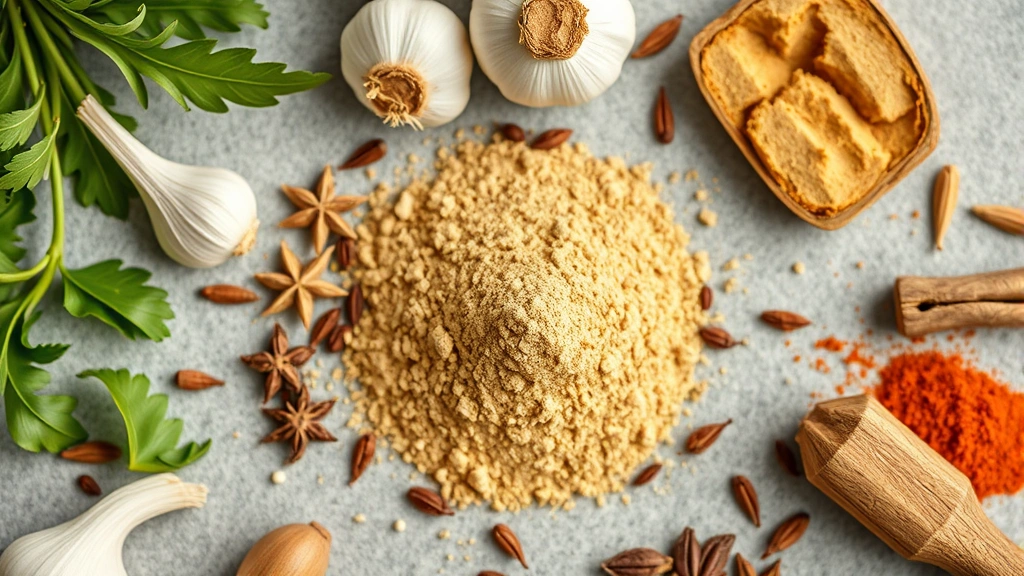
Absolutely not. Both garlic and onion (in any form—fresh, powder, or cooked) are toxic to dogs. They contain thiosulfates that damage red blood cells and can cause hemolytic anemia. This applies to garlic powder and onion powder as well, which are often hidden in seasoning blends and pre-made foods.
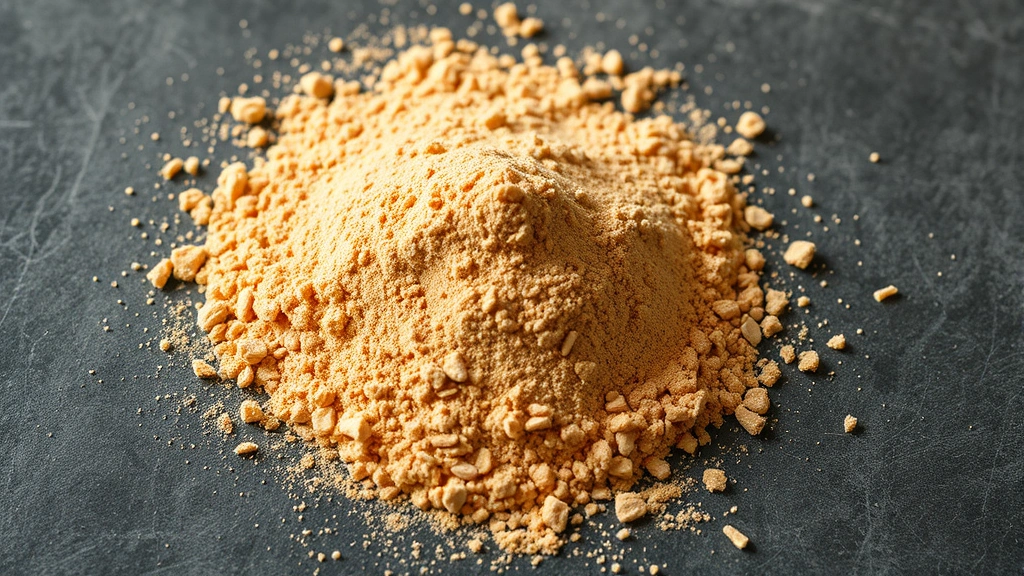
Can I give my dog black pepper?
While black pepper isn’t as dangerous as garlic or onion, it’s not recommended for dogs. It can irritate their digestive tract and cause stomach upset. Most dogs don’t need black pepper, and there are better ways to add flavor to their meals without the risk.
Is it okay to season my dog’s food with salt?
No. While dogs need some sodium, the amount in commercial dog food is already sufficient. Adding extra salt to your dog’s meals can lead to sodium ion poisoning, causing excessive thirst, vomiting, and neurological problems. Always keep your dog’s food unsalted.
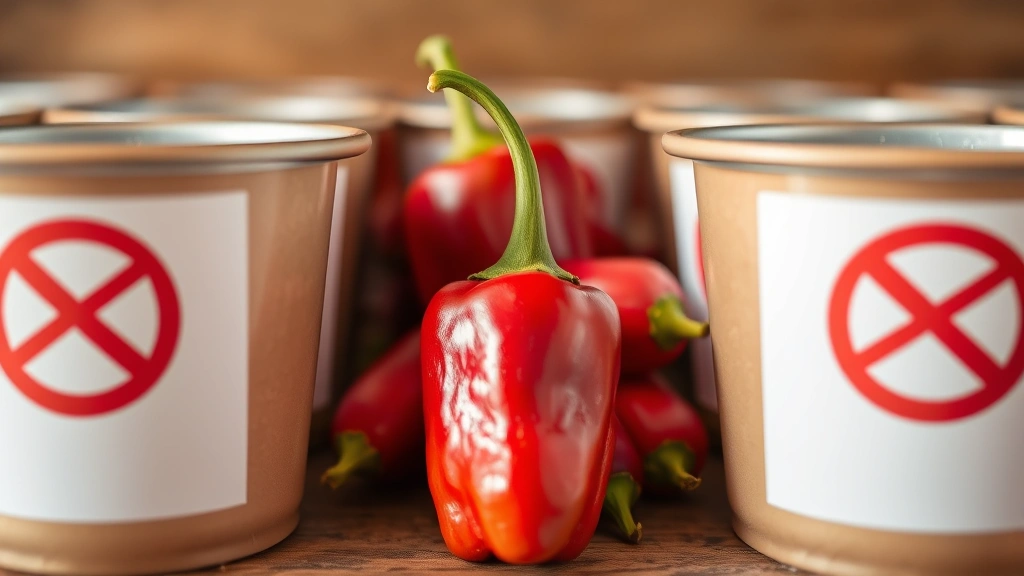
What should I do if my dog eats spicy food?
If your dog has eaten a small amount of a safe spice like cinnamon, monitor them for any signs of digestive upset. If they’ve consumed dangerous spices like garlic, onion, or nutmeg, contact your veterinarian immediately, even if they seem fine. Provide your vet with details about what they ate and when, so they can determine if treatment is necessary.
Final Thoughts: Keep It Simple and Safe
When it comes to what spices can dogs eat, the safest approach is usually to keep things simple. While a few spices like cinnamon, turmeric, and ginger are technically safe in tiny amounts, most dogs don’t need spices at all. They’re perfectly happy with plain, wholesome food that’s prepared without any seasoning. The risks of accidentally including dangerous spices far outweigh any potential benefits of adding flavor to your dog’s meals. Stick to plain proteins, safe vegetables, and quality commercial dog food formulated by veterinary nutritionists. Your dog will be healthier, happier, and you’ll have peace of mind knowing you’re not putting them at risk. When in doubt, ask your veterinarian—they know your dog’s specific health needs and can give you personalized advice about what’s safe for your furry friend.