
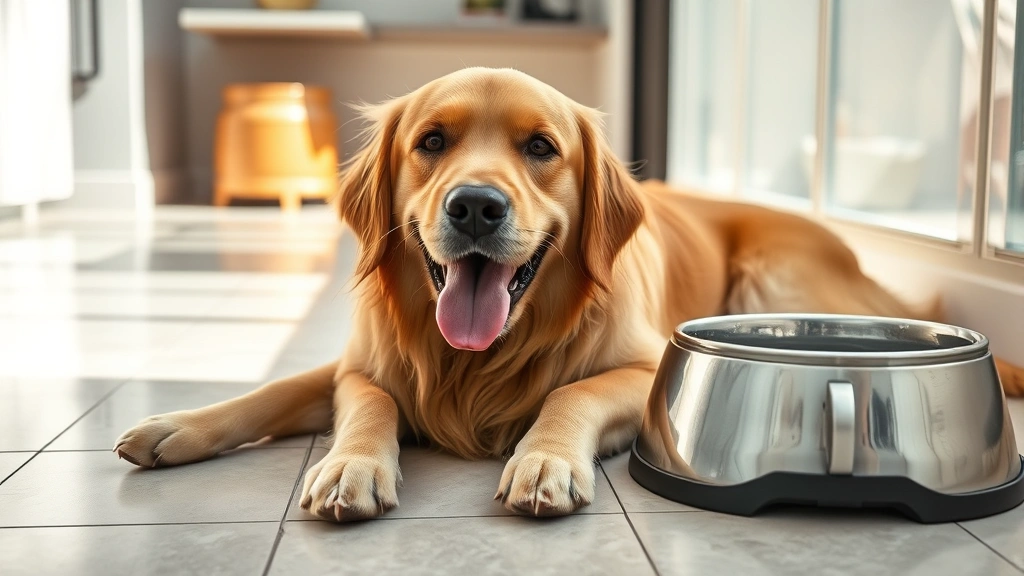
So, what temp is too hot for a dog? If you’re asking this question, you’re already thinking like a responsible pet parent. The truth is, dogs don’t sweat like humans do, which means they’re basically walking around in a fur coat during summer—and yeah, that’s about as comfortable as it sounds. Most veterinarians agree that anything above 85°F (29°C) starts getting risky for your furry friend, but the answer gets more nuanced depending on your dog’s breed, age, and health status.
Table of Contents
- Understanding Your Dog’s Temperature Tolerance
- Heat Stress vs. Heat Stroke: Know the Difference
- Breed-Specific Heat Sensitivity Matters
- The Pavement Test: A Simple Reality Check
- Humidity: The Silent Temperature Amplifier
- Signs Your Dog Is Overheating
- Hydration: Your First Line of Defense
- Creating a Cool Environment at Home
- Exercise Adjustments for Hot Weather
- Grooming Considerations During Summer
- When to Contact Your Vet
- Frequently Asked Questions
- Summary: Keeping Your Dog Safe in the Heat
Understanding Your Dog’s Temperature Tolerance
Dogs regulate body temperature primarily through panting and a small amount of sweating through their paw pads. This is wildly inefficient compared to humans, which is why heat becomes a serious concern during summer months. A dog’s normal body temperature ranges from 101-102.5°F, which is naturally higher than ours. When the ambient temperature climbs, your dog’s body struggles to cool down effectively.
The critical threshold kicks in around 85°F (29°C). At this temperature, even healthy dogs begin experiencing heat stress. But here’s the kicker—humidity plays an equally important role. A humid 85°F feels way worse than a dry 85°F because panting becomes less effective when the air is already moisture-saturated. This is why that sticky summer day feels more dangerous than a dry desert afternoon.
Heat Stress vs. Heat Stroke: Know the Difference
Heat stress is your warning signal. You’ll notice excessive panting, drooling, lethargy, and your pup might seem less interested in playtime. This is your dog’s body saying, “Hey, I’m working overtime here.” If you see a lethargic dog during hot weather, don’t ignore it—move them to shade and offer water immediately.
Heat stroke is the emergency. This happens when your dog’s internal temperature exceeds 104-106°F. Symptoms include vomiting, diarrhea, excessive drooling with thick saliva, weakness, collapse, and sometimes seizures. If you suspect heat stroke, get your dog to a vet immediately. This isn’t something you wait out—it’s life-threatening.
Breed-Specific Heat Sensitivity Matters
Not all dogs handle heat equally. Brachycephalic breeds—those with flat, smooshed faces like Bulldogs, Pugs, and Boston Terriers—are heat-sensitive superstars in the worst way possible. Their shortened airways make panting less effective, so they overheat faster than other breeds. These guys should stay indoors when temperatures exceed 75°F (24°C).

Double-coated breeds like Golden Retrievers, Huskies, and German Shepherds also struggle in heat. That thick undercoat is designed for insulation, which works great in winter but becomes a sauna in summer. Medium outside dog breeds with shorter coats like Beagles and Boxers handle heat better, but they still need precautions above 85°F.
Senior dogs and puppies have reduced heat regulation abilities. Overweight or dogs with existing health conditions are also more vulnerable. If your dog falls into any of these categories, be extra cautious when temperatures climb.
The Pavement Test: A Simple Reality Check
Here’s a practical test that actually matters: place the back of your hand on the pavement or sidewalk. If you can’t hold it there comfortably for five seconds, it’s too hot for your dog’s paws. At 85°F, pavement can reach 120°F or higher. At 95°F, pavement hits 140°F—hot enough to cause burns. Your dog’s paw pads are tough, but they’re not invincible.
This is why is it too hot to walk my dog becomes a critical question during summer. Even if your dog wants to go for a walk, the pavement itself poses a physical danger. Walk during early morning or evening when temperatures are cooler and pavement has had time to cool down.
Humidity: The Silent Temperature Amplifier
The heat index matters more than the actual temperature. When humidity is high, your dog’s panting becomes less effective because the air is already saturated with moisture. An 82°F day with 80% humidity feels more dangerous than an 88°F day with 30% humidity.
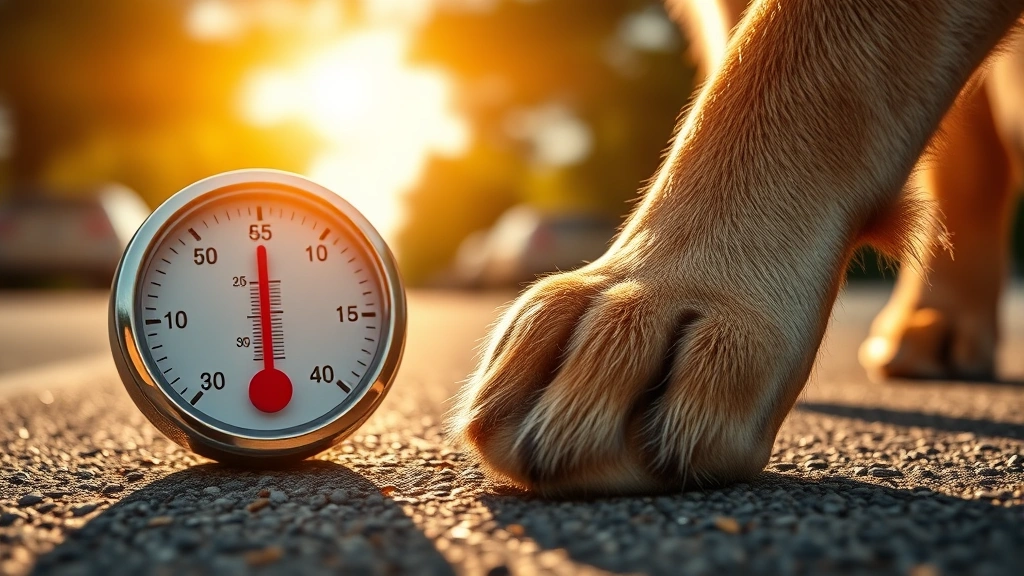
Check the heat index before outdoor activities. Many weather apps provide this information. A heat index above 90°F is getting risky, and above 100°F is genuinely dangerous for most dogs. On these days, keep outdoor time to a minimum, even for low maintenance dogs that might not demand much exercise.
Signs Your Dog Is Overheating
Excessive panting is the most obvious sign, but look for these additional warning signals: heavy drooling, glazed eyes, weakness, stumbling, vomiting, or diarrhea. Some dogs get restless and anxious when overheating. Others become unusually quiet and lethargic. Pale gums are a serious indicator—healthy dog gums are pink, so if they’re white or pale, your dog needs immediate cooling and veterinary attention.
If you notice your dog’s body temperature climbing during hot weather, don’t wait for severe symptoms. Move them to air conditioning immediately, offer cool (not ice-cold) water, and consider wet towels or a cool bath. Call your vet if symptoms persist.
Hydration: Your First Line of Defense
Constant access to fresh, cool water is non-negotiable during hot weather. Some dogs don’t drink enough water, especially during activities. Bring a portable water bowl when you’re out. Offer water frequently, not just when your dog asks for it.
Frozen treats can help too. Ice cubes, frozen broth popsicles, or frozen dog-safe treats provide hydration and cooling. Some dogs love frozen watermelon or cantaloupe (seedless, obviously). These aren’t replacements for regular water, but they’re helpful supplements.

Creating a Cool Environment at Home
Air conditioning is ideal, but not everyone has it. If you don’t, create a cool zone with fans, shade, and ventilation. Keep windows open during cooler parts of the day. Close blinds during the hottest hours to block direct sunlight. Ceramic tile or linoleum floors stay cooler than carpet—many dogs naturally gravitate toward these surfaces.
Cooling mats designed for dogs provide localized relief. Some dogs enjoy wading pools in the yard. Never leave your dog outside unsupervised during hot weather, and never leave them in a parked car—temperatures inside a car can become deadly within minutes.
Exercise Adjustments for Hot Weather
Shorten walks and reduce intensity during summer. Early morning (before 8 AM) and evening (after 7 PM) are safer times. Avoid midday walks entirely during peak heat. Even medicine for motion sickness for dogs won’t help if your dog is overheating from excessive exercise in heat.
Swimming is excellent during hot weather—it provides exercise while keeping your dog cool. However, not all dogs are natural swimmers, so supervise carefully. Some dogs with heat sensitivity should skip outdoor exercise entirely on the hottest days. Indoor activities like training sessions, puzzle toys, and sniff games provide mental stimulation without physical heat stress.
Grooming Considerations During Summer
Never shave a double-coated dog. That undercoat provides insulation against both heat and sunburn. Instead, regular brushing removes loose hair and improves air circulation through the coat. Single-coated dogs might benefit from a short trim, but check with your groomer about the best approach for your specific breed.
Regular baths with cool (not cold) water help, but don’t overdo it—excessive bathing strips natural oils from the skin. A quick rinse or splash is often sufficient. Some groomers offer hydrating treatments that help dogs stay cooler.
When to Contact Your Vet
Contact your veterinarian if your dog shows signs of heat stress that don’t improve with cooling measures, has a history of heat sensitivity, is a brachycephalic breed, is senior, or has existing health conditions. Your vet might recommend limiting outdoor time, adjusting exercise routines, or monitoring specific warning signs.
For emergency situations—suspected heat stroke with severe symptoms—call your vet or emergency clinic immediately. Don’t wait. Heat stroke can be fatal, and every minute counts.
Frequently Asked Questions
At what temperature should dogs stay inside?
Most dogs should stay indoors when temperatures exceed 85°F (29°C), especially with high humidity. Brachycephalic breeds should stay inside above 75°F. Always consider your individual dog’s age, health, and breed sensitivity.
Is 80 degrees too hot for a dog?
Eighty degrees isn’t immediately dangerous, but it’s approaching the risk zone. With high humidity, it becomes problematic faster. Monitor your dog closely, ensure constant access to water and shade, and limit outdoor activity.

Can dogs die from heat?
Yes, heat stroke is life-threatening. Dogs can die from untreated heat stroke within hours. This is why recognizing early signs and taking immediate action is critical.
How can I cool my dog down quickly?
Move your dog to air conditioning immediately. Offer cool water. Apply cool (not ice-cold) water to the body, focusing on the belly, paws, and ears. Use wet towels. Avoid ice water, which can cause shock. Call your vet if symptoms don’t improve.
Do all dogs struggle with heat equally?
No. Brachycephalic breeds, double-coated breeds, senior dogs, puppies, and overweight dogs are more heat-sensitive. Individual dogs within breeds also vary. Know your specific dog’s tolerance level.
Summary: Keeping Your Dog Safe in the Heat
So here’s the bottom line: what temp is too hot for a dog depends on multiple factors, but 85°F (29°C) is generally the threshold where heat stress becomes a real concern. Add humidity, breed sensitivity, age, or health conditions, and that threshold drops significantly. Your responsibility as a pet owner is knowing your individual dog’s limits and taking action before problems develop.
Provide constant access to water, create cool environments, adjust exercise routines, watch for warning signs, and don’t hesitate to contact your vet with concerns. Summer doesn’t have to be stressful for your pup—with proper precautions, your dog can enjoy the season safely. When in doubt, err on the side of caution. Your dog’s life might depend on it.
External Resources:





