
What to Do About Dog Diarrhea: Expert Advice
Nobody wants to find themselves cleaning up a mess in the living room at midnight, but if you’re a dog parent, chances are you’ve dealt with canine diarrhea at least once. It’s one of the most common complaints veterinarians hear, and honestly, it’s one of the most stressful situations pet owners face. Your beloved pup isn’t feeling their best, you’re worried about their health, and you’re probably frantically searching for answers online at 2 AM.
The good news? Most cases of dog diarrhea are manageable and often resolve on their own with proper care. However, knowing when to worry and what steps to take can make all the difference between a minor hiccup and a serious health crisis. This comprehensive guide will walk you through everything you need to know about managing your dog’s digestive troubles.
Whether your furry friend is experiencing a one-time incident or chronic issues, understanding the causes, symptoms, and treatment options will help you respond quickly and confidently. Let’s dive into the expert advice that’ll help you get your pup back to their happy, healthy self.
Common Causes of Dog Diarrhea
Understanding what triggers your dog’s diarrhea is the first step in addressing the problem effectively. Diarrhea isn’t a disease itself—it’s a symptom indicating something’s off with your pup’s digestive system. The causes can range from minor to serious, which is why identifying the culprit matters.
Dietary Indiscretions top the list of diarrhea causes. Dogs are notorious for eating things they shouldn’t: that suspicious treat found under the couch, table scraps, spoiled food from the trash, or even non-food items. Their curious nature and forgiving stomachs sometimes work against them. Sudden diet changes also trigger digestive upset. If you’ve recently switched dog food brands or types, the transition period can cause loose stools.
Food Sensitivities and Allergies affect many dogs more than owners realize. Some pups have trouble digesting certain proteins, grains, or additives in commercial dog foods. Common culprits include chicken, beef, wheat, and corn. If your dog consistently experiences diarrhea after eating, a food sensitivity might be the underlying issue.
Bacterial and Parasitic Infections are serious considerations. Giardia, roundworms, hookworms, and coccidia are parasites that commonly affect dogs and cause diarrhea. Bacterial infections from E. coli, Salmonella, or Campylobacter can also trigger digestive distress. Puppies and senior dogs are particularly vulnerable to parasitic infections.
Stress and Anxiety shouldn’t be overlooked. Dogs are sensitive creatures, and emotional stress can manifest physically. Changes in routine, new environments, separation anxiety, or household conflicts can all trigger stress-related diarrhea in sensitive pups.
Medications and Supplements sometimes cause digestive side effects. Antibiotics, in particular, can disrupt your dog’s gut bacteria balance, leading to diarrhea. Always inform your vet about any medications your dog is taking.
Underlying Medical Conditions like inflammatory bowel disease, pancreatitis, gastroenteritis, or colitis can cause chronic diarrhea. These conditions require professional diagnosis and treatment.
Recognizing Symptoms and Warning Signs
While loose stools are the obvious indicator, several other signs suggest your dog needs attention. Recognizing these symptoms helps you determine whether this is a minor issue or something requiring professional help.
Mild Symptoms include occasional loose or watery stools without other signs of illness. Your dog maintains their normal energy level, appetite, and behavior. In these cases, simple home management often suffices.
Moderate Symptoms include frequent diarrhea (more than 3-4 times daily), slight lethargy, or reduced appetite. Your dog might seem a bit uncomfortable but isn’t showing signs of severe illness.
Severe Warning Signs require immediate veterinary attention. These include: blood or mucus in the stool, severe lethargy or depression, repeated vomiting, abdominal pain or bloating, signs of dehydration (dry gums, sunken eyes, loss of skin elasticity), fever, or if your dog is a puppy, senior, or has a compromised immune system.
Pay attention to how long the diarrhea lasts. Occasional loose stools lasting a day or two are usually nothing to panic about. However, diarrhea persisting beyond 48 hours warrants veterinary evaluation.
When to Call Your Veterinarian
Knowing when professional help is necessary can prevent minor issues from becoming major problems. Your vet is your best resource for determining whether your dog needs treatment.
Contact your vet immediately if:
- Diarrhea lasts longer than 48 hours
- Your dog shows signs of dehydration
- There’s blood or black, tar-like stools (melena)
- Your dog has a fever
- Your pup is vomiting along with diarrhea
- Your dog seems to be in pain or discomfort
- Your dog is a puppy, senior, or has a chronic health condition
- Diarrhea is severe or explosive
- Your dog isn’t eating or drinking
Your veterinarian may perform diagnostic tests including fecal examination to check for parasites, blood work to assess organ function, or imaging if they suspect more serious underlying conditions. Learn how to tell if a dog has a fever to help you assess your pup’s condition before calling.

Home Treatment and Management
For mild, uncomplicated diarrhea, home care can be remarkably effective. These strategies help your dog’s digestive system recover naturally.
Fasting is often recommended for the first 12-24 hours. Giving your dog’s digestive system a break allows it to reset. However, always consult your vet before fasting, especially for puppies or dogs with medical conditions. Ensure your dog has access to fresh water to prevent dehydration.
Gradual Reintroduction of food should be done carefully. Start with bland, easily digestible foods like boiled chicken (no skin or bones) and plain white rice. Offer small, frequent meals rather than large portions. Gradually transition back to their regular diet over 7-10 days, mixing increasing amounts of their normal food with the bland diet.
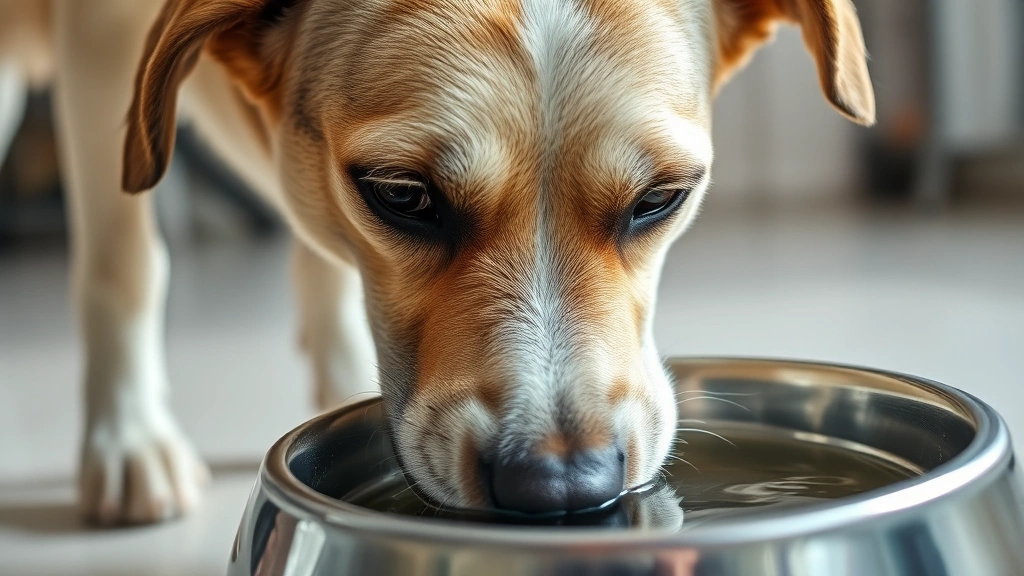
Hydration is critical. Diarrhea causes fluid loss, potentially leading to dehydration. Provide constant access to fresh, clean water. If your dog isn’t drinking enough, offer water-rich foods like unsalted broth or ice chips.
Probiotics can help restore healthy gut bacteria. These beneficial microorganisms support digestive health and may reduce diarrhea duration. Look for veterinary-approved probiotic supplements specifically formulated for dogs.
Digestive Enzymes support nutrient absorption and may ease digestive distress. These are available as supplements designed specifically for canine use.
The approach outlined in our detailed guide on how to stop diarrhea in dogs provides additional strategies for managing this condition effectively.
Dietary Solutions and Feeding Guidelines
What you feed your dog during recovery is crucial. The right diet supports healing while being gentle on their compromised digestive system.
Bland Diet Basics form the foundation of digestive recovery. Boiled chicken breast without seasoning, plain turkey, and lean ground beef (cooked and drained) are excellent protein sources. Can dogs eat rice? Absolutely! Plain white rice is a staple bland diet ingredient that’s easy to digest. Sweet potatoes are another great option, offering nutrition while being gentle on the stomach.
Beneficial Additions enhance recovery. Can dogs have pumpkin? Yes, and it’s fantastic for digestive health! Plain canned pumpkin (not pie filling) is rich in fiber and helps regulate bowel movements. Can dogs have yogurt? Plain, unsweetened yogurt with live cultures provides probiotics that support gut health.
Our comprehensive resource on what to feed a dog with diarrhea provides detailed meal plans and feeding schedules tailored to your dog’s recovery needs.
Feeding Schedule During Recovery should involve smaller, more frequent meals. Instead of two large meals daily, offer four to six small portions. This approach is easier on the digestive system and helps maintain stable blood sugar levels.
Gradual Transition Back to Normal Food prevents relapse. Over 7-10 days, slowly increase the proportion of their regular food while decreasing the bland diet. For example, day one might be 75% bland food and 25% regular diet, progressing to 100% regular food by day ten.
Long-term Dietary Management depends on identifying the underlying cause. If food sensitivities are the culprit, switching to a limited ingredient diet or novel protein formula might be necessary. Some dogs thrive on grain-free diets, while others do better with grain-inclusive options. Work with your veterinarian to find the best fit for your pup.
Prevention Strategies
The best medicine is prevention. Implementing these strategies reduces the likelihood of your dog experiencing diarrhea.
Dietary Consistency is paramount. Avoid table scraps, keep your dog away from trash, and prevent them from eating unknown items during walks. If you need to change dog food, do so gradually over 10-14 days.
Parasite Prevention protects against common culprits. Regular deworming and flea/tick prevention recommended by your vet are essential, especially for puppies and outdoor dogs. According to the ASPCA’s guide to common dog health problems, parasites are among the most preventable causes of diarrhea.
Vaccination protects against infectious diseases that cause diarrhea. Ensure your dog is current on all recommended vaccinations, particularly parvovirus and coronavirus vaccines.
Stress Management supports overall health. Provide a calm environment, maintain consistent routines, and ensure adequate exercise and mental stimulation.
Regular Veterinary Check-ups catch problems early. Annual wellness exams allow your vet to monitor your dog’s health and address concerns before they become serious.
Quality Nutrition supports immune function and digestive health. Choose high-quality dog foods with appropriate protein levels and minimal fillers. The American Kennel Club’s nutrition guidelines offer evidence-based recommendations for feeding your dog properly.
Frequently Asked Questions
How long does dog diarrhea typically last?
Mild diarrhea often resolves within 24-48 hours with proper home care. However, diarrhea lasting more than 48 hours warrants veterinary evaluation. Chronic diarrhea lasting weeks or months requires professional diagnosis and treatment to identify underlying causes.
Is it safe to give my dog over-the-counter anti-diarrheal medication?
Always consult your veterinarian before giving any medication. Some over-the-counter options can be harmful in certain situations, particularly if the diarrhea is caused by infection. Your vet will determine whether medication is appropriate for your dog’s specific situation.
Can I give my dog human probiotics?
Human probiotics aren’t formulated for dogs and may not be effective or safe. Use veterinary-approved probiotic supplements designed specifically for canine digestive systems. These contain strains beneficial for dogs and appropriate dosages.
What’s the difference between acute and chronic diarrhea?
Acute diarrhea appears suddenly and typically lasts less than two weeks. It’s often caused by dietary indiscretion, minor infections, or stress. Chronic diarrhea persists for more than three weeks and suggests underlying conditions requiring veterinary investigation.
Should I be worried if my dog has diarrhea but acts normal?
If your dog seems healthy, maintains their appetite, and shows no other symptoms, mild diarrhea may resolve on its own. However, monitor them closely. If diarrhea persists beyond 48 hours or other symptoms develop, contact your vet.
How can I tell if my dog is dehydrated?
Signs of dehydration include dry gums, sunken eyes, loss of skin elasticity (skin doesn’t bounce back when pinched), lethargy, and decreased urination. If you notice these signs, contact your veterinarian immediately.
Can stress cause diarrhea in dogs?
Yes, stress and anxiety trigger diarrhea in sensitive dogs. Changes in routine, new environments, or household stress can manifest as digestive upset. Identifying and minimizing stressors helps prevent stress-related diarrhea.
Is grain-free food better for preventing diarrhea?
Grain-free isn’t inherently better for all dogs. Some dogs do well on grain-free diets, while others thrive with grains. The best diet depends on your individual dog’s needs and any food sensitivities. Work with your vet to find the optimal food for your pup.
When should I consider a veterinary diet?
Prescription veterinary diets are recommended when diarrhea is caused by specific health conditions, food sensitivities, or chronic digestive issues. Your vet can prescribe diets formulated to address your dog’s particular needs.
Managing dog diarrhea doesn’t have to be stressful. By understanding the causes, recognizing warning signs, and knowing when to seek professional help, you can respond confidently to keep your pup healthy and happy. Most cases resolve quickly with proper care, and implementing prevention strategies reduces future occurrences. When in doubt, consult your veterinarian—they’re your best ally in keeping your furry friend in tip-top shape. For more information on canine digestive health, the Merck Veterinary Manual provides comprehensive information on dog diarrhea, and the American Animal Hospital Association can help you find certified veterinary professionals in your area.





