
So your pup’s got the runs. Not fun. Not fun for them, definitely not fun for you cleaning up the mess at 3 AM. But here’s the thing—knowing what to do for a dog with diarrhea doesn’t have to be complicated. Most cases of doggy diarrhea are totally manageable at home, and we’re going to walk you through exactly how to handle it like a pro.
Table of Contents
- Why Your Dog Has Diarrhea (And It’s Probably Not a Disaster)
- Remedy #1: The Fasting and Bland Diet Reset
- Remedy #2: Probiotics and Digestive Enzymes
- Remedy #3: Hydration Is Your Secret Weapon
- Remedy #4: Pumpkin Puree (The Miracle Worker)
- Remedy #5: Switching to Appropriate Dog Food
- Foods to Avoid During Recovery
- When to Call Your Vet (The Red Flags)
- Prevention: Stop Diarrhea Before It Starts
- The Bottom Line on Dog Diarrhea
- Frequently Asked Questions
Why Your Dog Has Diarrhea (And It’s Probably Not a Disaster)
First, let’s take a breath. Diarrhea in dogs happens. A lot. Your furry friend could have eaten something sketchy from the yard, switched foods too quickly, or just has a sensitive stomach that’s throwing a tantrum. Sometimes it’s stress-related, sometimes it’s dietary, and sometimes—well, sometimes dogs are just weird.
The key is figuring out whether this is a “wait it out” situation or a “call the vet immediately” emergency. Most cases fall into the former category, but we’ll get into the red flags later.
Remedy #1: The Fasting and Bland Diet Reset
This is the MVP of diarrhea solutions. When your dog’s digestive system is going haywire, giving it a break is genius. Here’s the play-by-play:
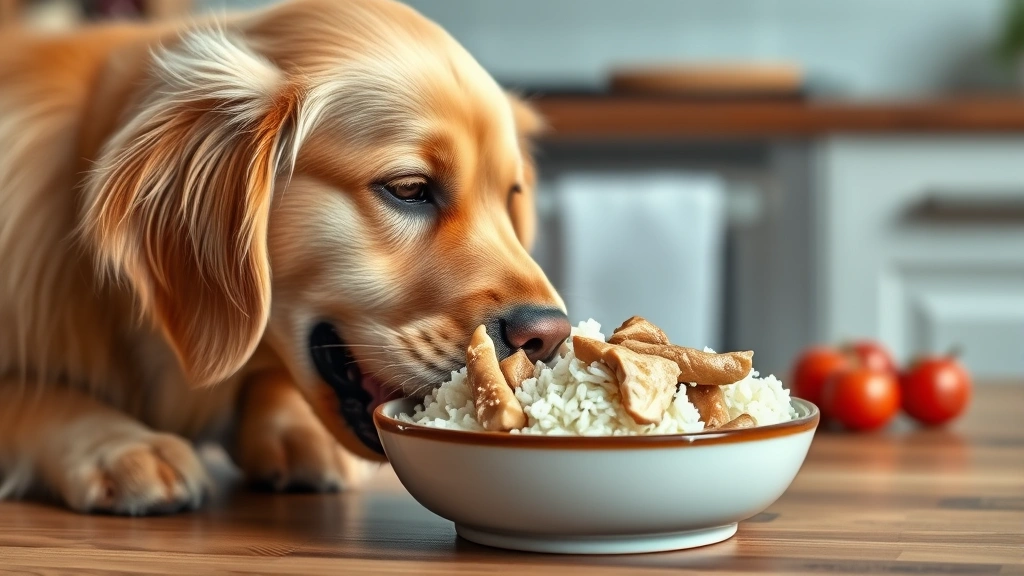
Skip one meal (usually 12-24 hours of fasting, depending on your vet’s recommendation). Then introduce bland, easy-to-digest foods. We’re talking plain boiled chicken, white rice, and pumpkin puree. Some people swear by rotisserie chicken for dogs, but make sure it’s unseasoned and you remove the skin.
The bland diet isn’t a punishment—it’s like giving your dog’s gut a spa day. You’re reducing the workload on their digestive system so it can recover. Gradually reintroduce their normal food over 3-5 days by mixing increasing amounts of regular kibble with the bland food.
Remedy #2: Probiotics and Digestive Enzymes
Your dog’s gut is home to millions of bacteria—the good kind. When diarrhea strikes, those beneficial bacteria get wiped out. Probiotics are like sending in reinforcements.
Look for dog-specific probiotics (don’t just raid your own medicine cabinet). Brands like FortiFlora and Proviable are vet-approved and actually work. Digestive enzymes can also help break down food more efficiently, reducing stress on the intestines.
These aren’t miracle workers, but they’re solid support players in your diarrhea-fighting lineup. Many vets recommend them, and they’re especially helpful if your dog has chronic digestive issues.
Remedy #3: Hydration Is Your Secret Weapon
This one’s critical. Diarrhea dehydrates dogs fast, and dehydration is actually more dangerous than the diarrhea itself. Make sure fresh water is available constantly—and we mean constantly.
If your dog isn’t drinking enough, you can try:
- Adding low-sodium bone broth to their water (they love it)
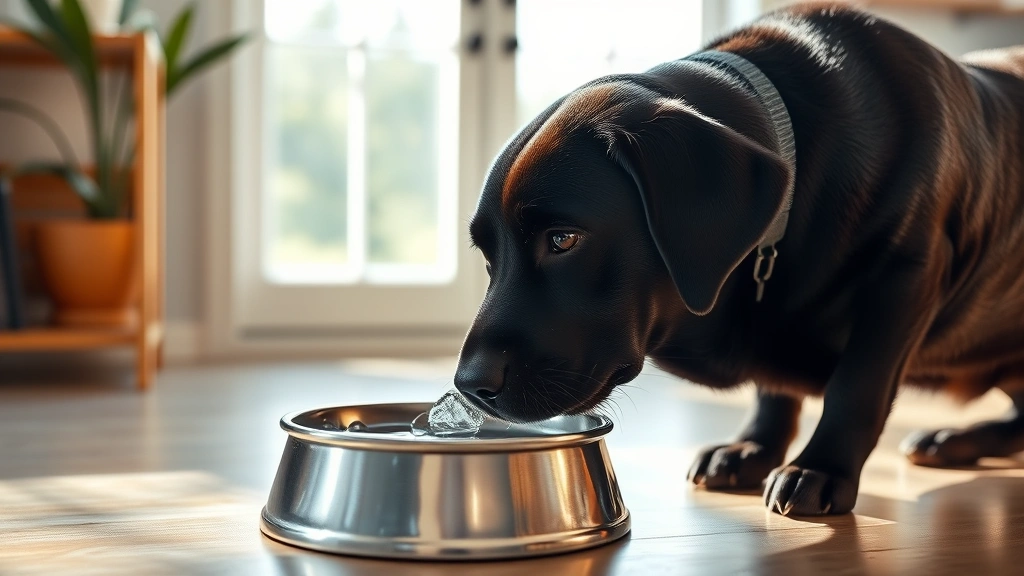
- Offering ice cubes as “treats”
- Using a water fountain (some dogs prefer moving water)
- Adding water to their bland food to increase moisture intake
Watch for signs of dehydration: dry gums, lethargy, or sunken eyes. If you see these, call your vet immediately.
Remedy #4: Pumpkin Puree (The Miracle Worker)
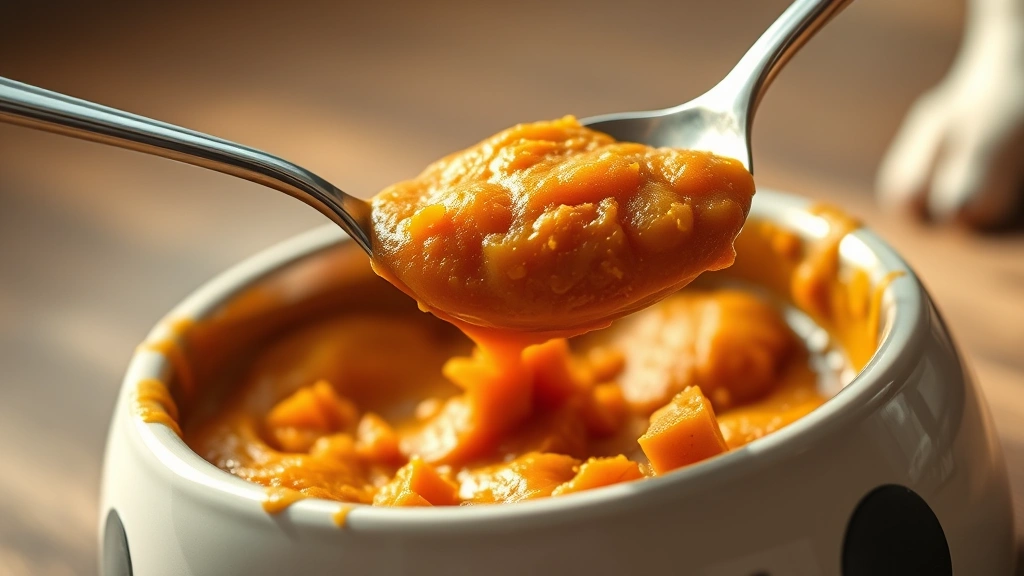
Pumpkin puree is basically the golden ticket of diarrhea remedies. It’s high in fiber and has a soothing effect on the digestive tract. A tablespoon or two mixed into their food can work wonders.
Here’s the pro tip: use plain pumpkin puree, not pumpkin pie filling (which has sugar and spices). You can find it in the baking aisle at any grocery store, and it’s dirt cheap.
The fiber in pumpkin absorbs excess water in the stool while also helping to move things along if constipation is the issue. It’s basically a digestive reset button.
Remedy #5: Switching to Appropriate Dog Food
Sometimes the problem isn’t a temporary bug—it’s the food itself. If your dog has a sensitive stomach or food allergies, you might need to make a permanent switch.
Limited ingredient dog food is fantastic for dogs with sensitivities because it cuts out common allergens. These formulas use fewer ingredients, making it easier to identify what’s causing issues.
If your dog has pancreatitis or other digestive conditions, low fat dog food for pancreatitis might be necessary. Similarly, some dogs benefit from low protein dog food depending on their health status.
Always transition to new food gradually over 7-10 days to avoid triggering more diarrhea. Mix a small amount of new food with their old food, increasing the ratio each day.
Foods to Avoid During Recovery
While your dog’s recovering, skip the table scraps and treats. Especially avoid:
- Fatty foods (they irritate the gut)
- Dairy products (many dogs are lactose intolerant—yes, even if milk seems fine for dogs, it can trigger diarrhea)
- High-fiber foods initially (counterintuitive, but they can make acute diarrhea worse)
- Spicy or seasoned foods
- Anything with artificial sweeteners, especially xylitol (which is toxic)
When to Call Your Vet (The Red Flags)
Most diarrhea cases resolve in 24-48 hours. But sometimes your dog needs professional help. Call your vet if:
- Diarrhea lasts more than 2-3 days
- Your dog seems lethargic or in pain
- There’s blood or mucus in the stool (small amounts are sometimes okay, but mention it)
- Your dog is vomiting along with the diarrhea
- They’re not eating or drinking
- They’re a puppy, senior, or have pre-existing health conditions
- You suspect they ate something toxic
According to the American Kennel Club, persistent diarrhea can indicate underlying issues like parasites, infections, or inflammatory bowel disease. Your vet can run tests and provide targeted treatment.
Prevention: Stop Diarrhea Before It Starts
An ounce of prevention is worth a pound of cleanup. Here’s how to keep your dog’s digestive system happy:
- Feed high-quality dog food consistently
- Avoid sudden food changes (transition over a week)
- Keep your dog away from garbage and suspicious yard snacks
- Maintain a regular feeding schedule
- Ensure your dog is up-to-date on vaccinations and parasite prevention
- Manage stress (yes, dogs get stressed)
- Keep human food off-limits
Regular vet checkups can catch digestive issues early before they become problems. According to PetMD, many chronic digestive issues are preventable with proper diet and care.
The Bottom Line on Dog Diarrhea
Knowing what to do for a dog with diarrhea puts you in control. Most cases are simple: fasting, bland food, hydration, and patience. Add in some pumpkin puree and probiotics, and you’ve got a solid game plan. The key is staying calm, monitoring your pup, and knowing when professional help is needed.
Your dog will bounce back. They always do. And in a few days, this will just be another story you tell at the dog park while everyone cringes sympathetically.
Frequently Asked Questions
How long does dog diarrhea usually last?
Most cases resolve within 24-48 hours with proper care. If it lasts longer than 3 days, contact your vet. Chronic diarrhea lasting weeks or months needs professional evaluation to rule out underlying conditions.
Can I give my dog over-the-counter anti-diarrhea medication?
Some over-the-counter options like bismuth subsalicylate exist, but always check with your vet first. Certain medications can mask serious underlying issues. Your vet can recommend the safest option for your specific dog.
Is it safe to fast my dog for 24 hours?
For most adult dogs, a 12-24 hour fast is safe and often recommended. However, puppies, senior dogs, and dogs with certain health conditions should only fast under vet guidance. Never fast a dog without professional input.
What’s the difference between diarrhea and normal soft stools?
Normal soft stools hold some shape. Diarrhea is completely liquid or mushy with no form. If you’re unsure, take a photo and send it to your vet—they’ve seen worse and can give you guidance.
Can stress cause diarrhea in dogs?
Absolutely. Stress, anxiety, and major life changes can trigger stress colitis and diarrhea. If your dog just moved, had a new pet arrive, or experienced trauma, stress could be the culprit. Creating a calm environment helps.





