
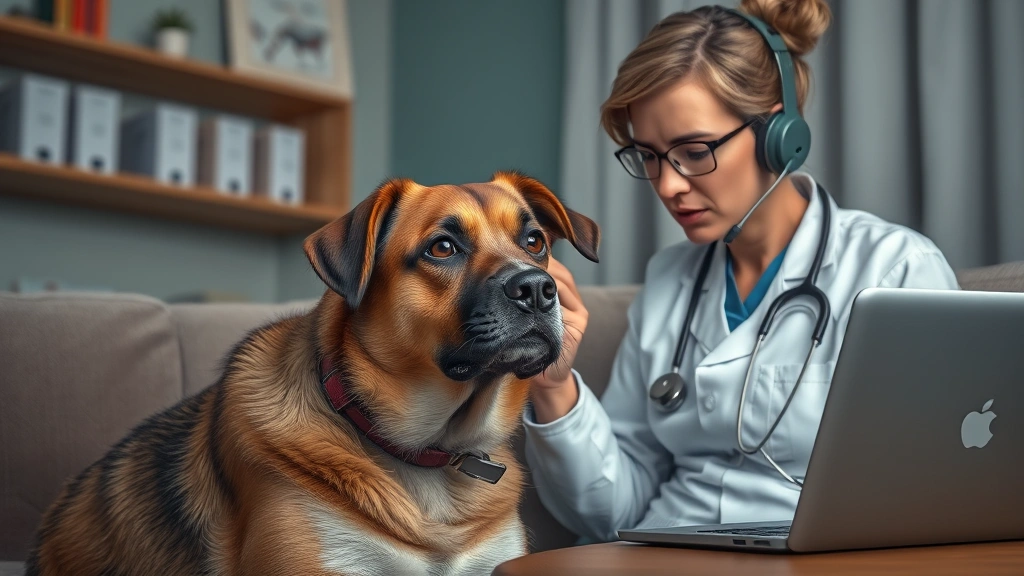
So your dog just scarfed down a chicken bone (or three), and now you’re spiraling into panic mode. Don’t worry—what to do if dog ate chicken bones is actually something many pet parents face, and knowing the right steps can make all the difference between a minor scare and a genuine emergency.
Table of Contents
- Why Are Chicken Bones Dangerous?
- Immediate Steps: First 30 Minutes
- Monitoring Your Dog: What to Watch For
- When to Rush to the Emergency Vet
- Diagnostic Tests Your Vet Might Recommend
- The Waiting Game: What Happens Next
- Prevention: The Real Solution
- Long-Term Health Considerations
- The Reality Check: Most Dogs Are Fine
- Frequently Asked Questions
Let’s break this down: chicken bones are sneaky little hazards that can cause serious problems, but they don’t always. The good news? Most dogs who eat cooked chicken bones pass them without incident. The bad news? Sometimes they don’t. Let’s talk about what you need to know right now.
Why Are Chicken Bones Dangerous?
Here’s the thing about chicken bones: they’re not all created equal. Cooked chicken bones splinter easily, which is the real danger. When your pup munches on a cooked bone, it can break into sharp fragments that potentially damage the digestive tract anywhere from the mouth to the exit.
Raw chicken bones? Those are actually less likely to splinter because they’re more flexible and pliable. But cooked bones? They become brittle and fragment into nasty little shards that can cause perforations, blockages, or tears in the intestines.
The risk level depends on several factors: your dog’s size, how many bones they ate, whether they were cooked or raw, and how much they chewed before swallowing. A 90-pound Labrador who gulped down one bone might be fine, while a 10-pound Chihuahua could face serious complications from the same amount.
Immediate Steps: First 30 Minutes
When you first realize your dog ate chicken bones, take a breath. You’ve got time to think clearly. Here’s what to do immediately:

Call your veterinarian or emergency vet clinic right away. Don’t wait to see if symptoms develop. Describe exactly what happened: how many bones, whether they were cooked or raw, when it happened, and your dog’s size and age. Your vet can give you specific guidance based on your individual pet.
If it’s after hours, call an emergency vet clinic. Yes, it might cost more, but it’s worth the peace of mind and potentially life-saving advice. Many vets will tell you to monitor your dog at home if the situation seems low-risk, but you need that professional assessment first.
Don’t induce vomiting unless your vet specifically tells you to. Inducing vomiting can sometimes cause more damage than the bone itself, especially if sharp fragments are already in the stomach or if your dog has certain health conditions.
Monitoring Your Dog: What to Watch For
After you’ve called the vet, your job becomes detective. Watch your pup like a hawk for the next 48-72 hours. This is when most complications show up, though some can take longer.
Signs of trouble include:

- Vomiting or retching (especially if it’s persistent or contains blood)
- Loss of appetite or refusing treats they normally love
- Abdominal pain (restlessness, whining, hunched posture, reluctance to move)
- Diarrhea or constipation (changes in bowel movements are red flags)
- Lethargy or unusual lack of energy
- Drooling excessively or difficulty swallowing
- Pale gums or signs of shock
Keep a log of your dog’s behavior, appetite, and bathroom habits. This information will be gold if you need to take them to the vet.
When to Rush to the Emergency Vet
Some situations demand immediate emergency care—don’t wait for an appointment. Head to the ER vet if your dog shows:
- Severe vomiting (especially with blood)
- Signs of extreme pain or distress
- Inability to eat or drink
- Abdominal bloating or distension
- Bloody stool or severe diarrhea
- Collapse or loss of consciousness
- Signs of peritonitis (infection in the abdominal cavity), which include fever, severe pain, and shock
Intestinal perforations and blockages are life-threatening emergencies. If your vet suspects either one, your dog will need surgery. The sooner you catch this, the better the outcome.
Diagnostic Tests Your Vet Might Recommend
If you take your dog to the vet (which is the smart move), they’ll probably start with a physical exam and ask detailed questions about what happened. Depending on their assessment, they might recommend:
X-rays: These can show some bones and obvious blockages, but not all bone fragments show up on standard radiographs. A vet might use contrast studies (where your dog swallows a special liquid) to look for blockages.
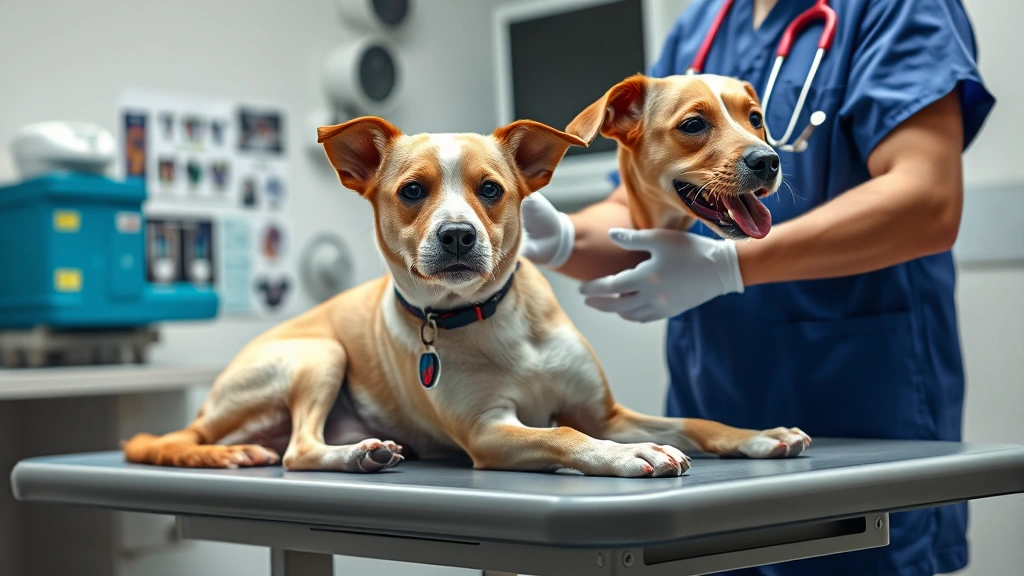
Ultrasound: This is often better at detecting blockages and can show if the intestines are folded or twisted abnormally.
Blood work: If your vet suspects complications like perforation or infection, blood tests can reveal signs of infection, dehydration, or organ damage.
In some cases, your vet might recommend an endoscopy (a camera down the throat) to look for bone fragments stuck in the esophagus or stomach.
The Waiting Game: What Happens Next
Most dogs who eat chicken bones will pass them without any issues. Their stomach acid is strong enough to break down many bone fragments, and their digestive system is remarkably resilient. If your vet gives you the green light to monitor at home, here’s what you’re doing:
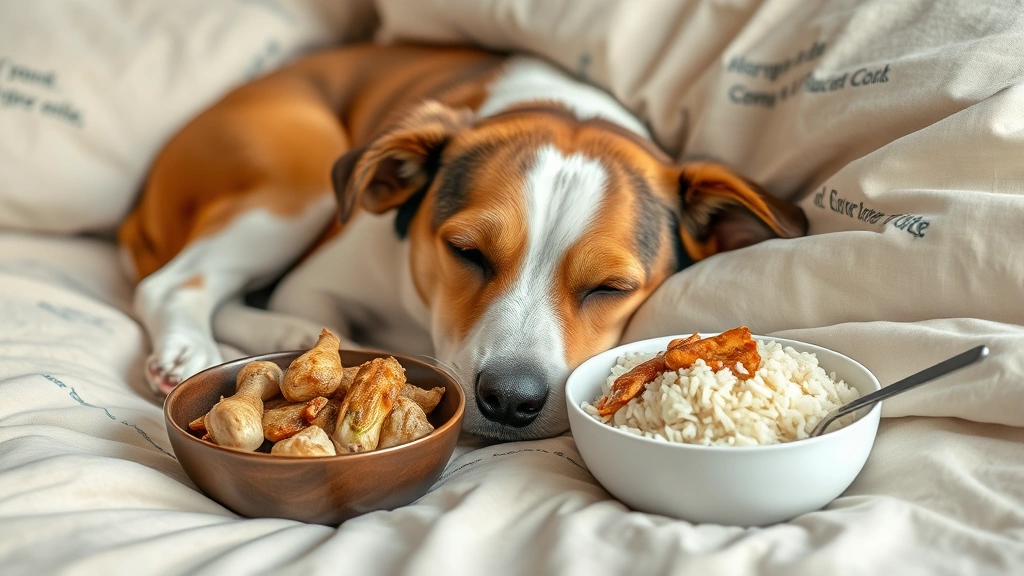
Keep your dog calm and restrict exercise for a few days. No running around like a maniac at the dog park. Provide small, frequent meals of bland food—think boiled chicken (boneless, obviously) with plain rice. This gives their digestive system an easier job while you monitor them.
Make sure your dog has access to plenty of fresh water. Dehydration can make things worse if there’s any digestive upset.
Watch the poop. I know it’s not glamorous, but you’re looking for bone fragments in the stool (they might appear as white specs) or any signs of blood. Most bone fragments pass within 24-72 hours if they’re going to pass at all.
Prevention: The Real Solution
Here’s the honest truth: the best treatment is prevention. After this scare, you’ll probably be more careful about where chicken bones end up.
Never leave bones unattended where your dog can access them. This includes the trash can—invest in a dog-proof garbage container if needed. Keep bones off countertops and tables, even if you think your dog can’t reach them.
Don’t give your dog cooked bones, period. If you want to give them bones, raw meaty bones are safer because they don’t splinter. But even then, supervise and choose appropriately sized bones for your dog.
Be careful at barbecues and family dinners. This is when most dogs eat chicken bones—when guests are distracted or someone doesn’t realize the danger. Brief your guests that your dog can’t have bones, and keep your pup in a separate room if necessary.
Train a solid “leave it” command. This is genuinely useful for so many situations beyond just bones. A dog who reliably drops things on command is a safer dog.
Long-Term Health Considerations
If your dog ate chicken bones and everything turned out fine, you might still want to monitor their digestive health going forward. Some dogs develop sensitivity or issues weeks later if there was minor trauma to the digestive tract.
If your dog had complications like pancreatitis from the incident, you might need to adjust their diet long-term. Talk to your vet about whether switching to low fat dog food for pancreatitis would be helpful, or explore other dietary options like lamb dog food if they developed sensitivities.
Regular check-ups after a bone incident give your vet a chance to monitor for delayed complications. Liver disease in dogs and other conditions can sometimes develop after trauma or infection, so staying vigilant is smart.

The Reality Check: Most Dogs Are Fine
Let’s be real for a second: most dogs who eat chicken bones are completely fine. Your dog’s digestive system is tougher than you think, and stomach acid is incredibly powerful. Thousands of dogs eat chicken bones every year and never have a problem.
That said, “most dogs are fine” doesn’t mean you should be cavalier about it. The ones who aren’t fine can face life-threatening emergencies that require expensive surgery. Is it worth the risk? Absolutely not.
The key is staying informed, acting quickly if something seems wrong, and preventing the situation in the first place. You’ve got this.
Frequently Asked Questions
How long does it take for a dog to pass a chicken bone?
Most dogs pass bone fragments within 24-72 hours if they’re going to pass them at all. However, some bones can take longer or get stuck. This is why monitoring for several days is important, and why your vet’s guidance is crucial.
Can a dog’s stomach acid dissolve chicken bones?
A dog’s stomach acid is quite strong and can break down some bone fragments, especially smaller ones. However, it can’t dissolve all bones completely, and sharp fragments can still cause damage. Don’t rely on stomach acid to handle the problem.

Should I give my dog hydrogen peroxide to induce vomiting?
Only if your vet tells you to. Inducing vomiting can sometimes cause more harm than good, especially if the bone fragments are already in the stomach or if your dog has certain health conditions. Always get professional guidance first.
What’s the difference between cooked and raw chicken bones?
Cooked bones splinter and break into sharp fragments, making them dangerous. Raw bones are more flexible and less likely to splinter. However, raw bones carry other risks like bacterial contamination. If you give bones, raw meaty bones are the safer choice, but supervision is still essential.
How much does emergency surgery for a bone blockage cost?
Intestinal blockage surgery typically costs $2,000-$5,000 or more, depending on your location and the severity of the case. This is another reason why prevention and early intervention are so important—they’re far cheaper than emergency surgery.





