
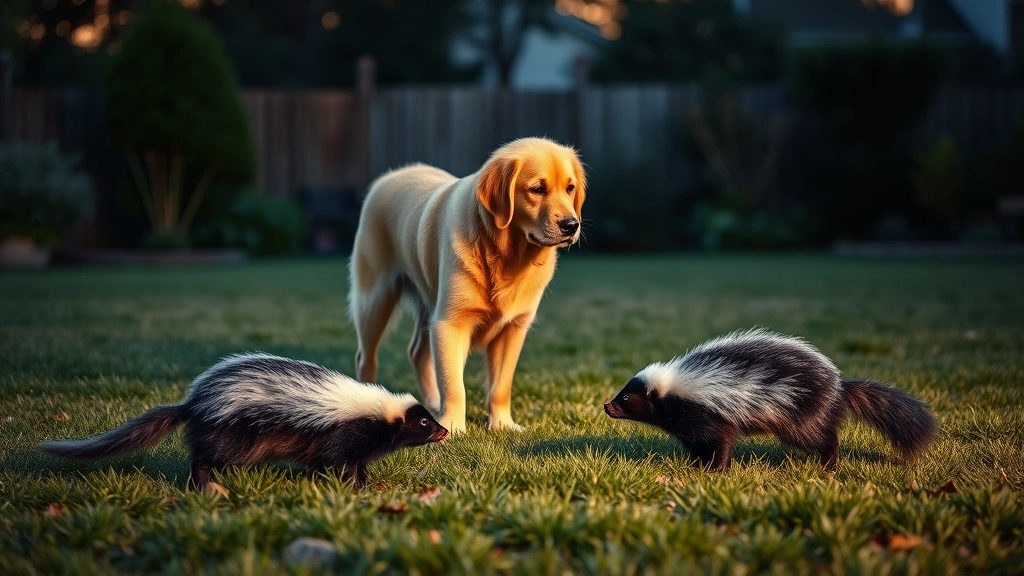
If your dog gets sprayed by a skunk, don’t panic—you’ve got this. While your pup might smell like a chemical warfare experiment gone wrong, skunk spray is more of a stink problem than a serious health hazard. The key is acting fast with the right approach to neutralize that notorious odor before it sets into your dog’s fur permanently.
Table of Contents
- Why Skunks Spray (And Why Your Dog Probably Deserved It)
- Immediate Steps: The First 5 Minutes After Skunk Spray
- The Myth About Tomato Juice (Spoiler: It Doesn’t Work)
- The Baking Soda and Peroxide Solution: Your Secret Weapon
- Application Tips for Maximum Effectiveness
- When to Use Commercial Skunk Odor Removers
- Post-Bath Care and Preventing Secondary Issues
- Natural Alternatives and Prevention Strategies
- How Long Does Skunk Smell Last?
- When to Call the Vet
- Protecting Your Home From the Smell
- Frequently Asked Questions
- Final Thoughts: You’ve Got This
Why Skunks Spray (And Why Your Dog Probably Deserved It)
Skunks don’t spray because they’re jerks—they spray because they’re scared. These little striped bandits are actually pretty chill until something startles them or invades their space. Your curious golden retriever probably thought it was making a new friend and got a face full of pungent reality. Skunk spray is a defensive mechanism, not an act of aggression. Understanding this helps you prevent future encounters by teaching your dog to respect wildlife.
Immediate Steps: The First 5 Minutes After Skunk Spray
Time is critical when your dog gets sprayed by a skunk. The first thing you need to do is keep your dog outside—seriously, do not let them inside your house. That smell will permeate everything from your carpets to your curtains if you’re not careful. Keep your pup in the yard or garage while you gather supplies.
Check your dog’s eyes, nose, and mouth for direct spray exposure. If the spray hit their face, gently rinse with cool water for a few minutes. Don’t panic if your dog seems uncomfortable; the spray irritates but rarely causes permanent damage. Just be gentle and patient.
The Myth About Tomato Juice (Spoiler: It Doesn’t Work)
Let’s debunk this old wives’ tale right now: tomato juice does absolutely nothing to remove skunk odor. It’s one of those stubborn myths that refuses to die, probably because it sounds logical. The truth? Tomato juice just makes your dog smell like a skunk that bathed in ketchup. Save your groceries and skip this step entirely.
The science behind skunk spray is more complex than a simple acid-base reaction. Skunk spray contains thiols and thiophenes—sulfur compounds that are incredibly stubborn. You need something specifically designed to break down these molecules, not fruit juice.
The Baking Soda and Peroxide Solution: Your Secret Weapon
The most effective remedy when your dog gets sprayed by a skunk is a mixture of hydrogen peroxide, baking soda, and dish soap. This combination actually chemically neutralizes the skunk odor rather than just masking it. Here’s the recipe:
- 1 quart of 3% hydrogen peroxide
- ¼ cup of baking soda
- 1-2 teaspoons of liquid dish soap (like Dawn)
Mix these ingredients together and apply directly to your dog’s coat, avoiding the eyes, ears, and mouth. Work it in thoroughly, making sure to saturate the affected areas. Let it sit for 5-10 minutes—this is when the magic happens. The peroxide breaks down the thiols while the baking soda neutralizes the odor compounds. Rinse thoroughly with lukewarm water and repeat if necessary.
Application Tips for Maximum Effectiveness
Wear gloves when applying the mixture—you don’t want skunk spray under your fingernails. Work in sections, starting from the head and working backward. Pay special attention to the chest, neck, and face areas where skunks typically aim. If your dog got a direct hit to the face, be extra careful around the eyes.
For long-haired breeds, you’ll need to work the solution deeper into the coat. Use a comb or brush to help distribute the mixture evenly. Don’t rush this step; thorough application means better results. After the solution sits, rinse with cool water until the water runs clear.
When to Use Commercial Skunk Odor Removers
If you don’t have the ingredients on hand or prefer a commercial solution, several products are specifically formulated for skunk spray removal. Brands like Nature’s Miracle and Skunk-Off are designed with the same chemical principles as the homemade remedy but are pre-mixed for convenience.
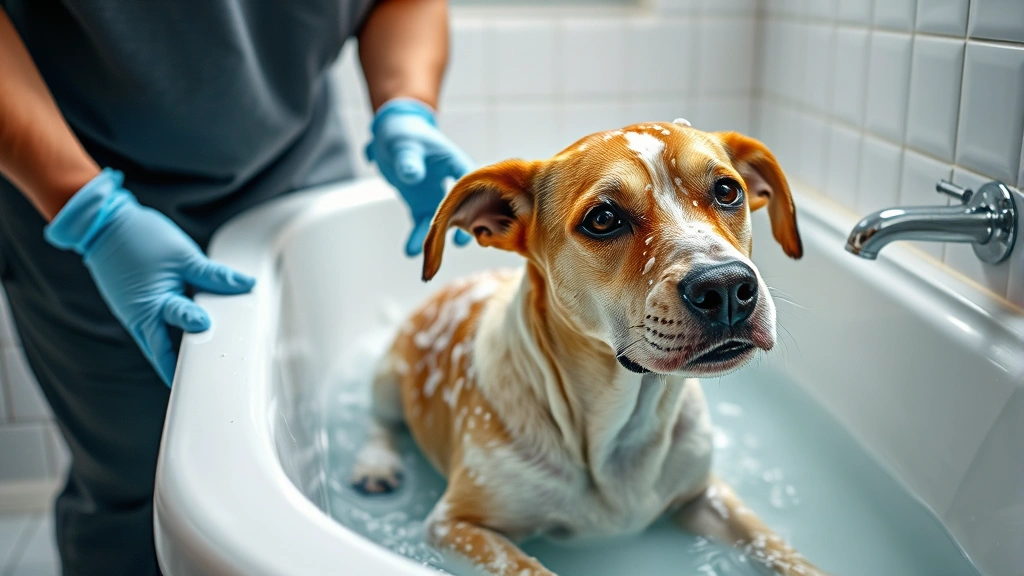
These commercial options work well and eliminate the guesswork. However, they’re typically more expensive than making your own solution. Either way works—choose based on what you have available and your budget.
Post-Bath Care and Preventing Secondary Issues
After bathing your dog, dry them thoroughly with towels or a blow dryer on low heat. Check their skin for any signs of irritation or secondary infection. If your dog seems to have trouble breathing, excessive drooling, or appears lethargic, contact your vet immediately—these could indicate a more serious reaction, though rare.
For itching or minor skin irritation, you might consider whether Neosporin is safe for dogs to help with any scratches. Always consult your vet before applying topical treatments.
Natural Alternatives and Prevention Strategies
Beyond the hydrogen peroxide mixture, some pet owners have had success with enzymatic cleaners designed for pet odors. These work differently than the chemical neutralization method but can be effective as a second treatment. While lavender is sometimes suggested for odor control, be cautious as it’s not safe for dogs, so stick with proven methods instead.
Prevention is always better than treatment. Keep your yard well-lit at night, remove food sources like pet food bowls left outside, and trim vegetation where skunks might hide. Install motion-activated lights or sprinklers to deter wildlife. Train your dog to come immediately when called—this is your best defense against future skunk encounters.
How Long Does Skunk Smell Last?
With proper treatment, the smell should be significantly reduced within 24-48 hours. However, some residual odor might linger for a week or two, especially if your dog spends time in the sun—heat can reactivate the smell slightly. Your dog’s own natural oils will eventually break down any remaining compounds.
If the smell persists strongly after a week, you can repeat the treatment. Most dogs only need one thorough application, but stubborn cases might require a second round. Don’t use the hydrogen peroxide mixture more than twice within a short period, as it can dry out your dog’s skin.
When to Call the Vet
Most skunk spray incidents don’t require veterinary attention beyond observation. However, contact your vet if your dog shows signs of distress, has difficulty breathing, or if the spray contacted the eyes and they remain red or swollen after rinsing. Some dogs might experience mild gastrointestinal upset if they ingested spray—this typically resolves on its own but warrants a call to your vet if symptoms persist.
For authoritative guidance on pet health and safety, the American Kennel Club provides excellent resources on common pet incidents and when professional help is needed.
Protecting Your Home From the Smell
While your dog is being treated, open windows and run fans to ventilate your house. If your dog did get inside before you could stop them, sprinkle baking soda on carpets and furniture, let it sit for 15-30 minutes, then vacuum thoroughly. For stubborn odors in fabrics, white vinegar mixed with water in a spray bottle can help neutralize lingering scents.
Wash any bedding or towels your dog came into contact with separately from other laundry. Add baking soda to the wash cycle for extra odor elimination.
Frequently Asked Questions
Is skunk spray toxic to dogs?
Skunk spray is not toxic, but it’s extremely irritating. The sulfur compounds cause temporary discomfort and can irritate the eyes, nose, and mouth. In rare cases, if a dog ingests large amounts of spray, they might experience mild gastrointestinal upset. Most cases resolve without any medical intervention beyond odor removal.
Can I use vinegar to remove skunk smell?
Vinegar can help with residual odor but isn’t effective as a primary treatment for fresh skunk spray. The hydrogen peroxide and baking soda mixture is far more effective because it chemically neutralizes the thiols responsible for the smell. Vinegar works better as a secondary treatment or for refreshing your home’s smell.
How do I prevent my dog from getting sprayed again?
Keep your yard well-maintained and free of food sources. Install motion-activated lights and sprinklers. Train your dog to respond reliably to recall commands. Walk your dog on a leash during dawn and dusk when skunks are most active. Avoid letting your dog chase wildlife, and supervise outdoor time in skunk-prone areas.
Will my dog’s fur be permanently damaged?
No, skunk spray doesn’t cause permanent damage to your dog’s fur or skin. Once the odor is removed, your dog’s coat should return to normal. However, if you use the hydrogen peroxide solution multiple times in succession, it might temporarily dry out the skin, so space treatments at least a week apart.
What if my dog gets sprayed in the face?
If the spray hits your dog’s face, immediately rinse the area with cool water for several minutes. Be gentle around the eyes. Once you’ve rinsed, apply the hydrogen peroxide mixture carefully, avoiding direct contact with eyes and ears. If your dog’s eyes remain irritated after rinsing, contact your vet.
Can I use the hydrogen peroxide mixture on my dog’s face?
Yes, but with extreme caution. Avoid the eyes, ears, and inside the mouth. Use a washcloth to gently apply the mixture to the face, working carefully around sensitive areas. Rinse thoroughly with cool water immediately after the 5-10 minute sitting period.
Final Thoughts: You’ve Got This
Getting sprayed by a skunk is one of those rites of passage for many dog owners—unpleasant, yes, but rarely serious. The hydrogen peroxide and baking soda solution is your best friend in this situation. It’s affordable, effective, and uses ingredients most people have at home. Act quickly, apply thoroughly, and your dog will be back to smelling like their normal self within a day or two.
Remember that skunks are just trying to protect themselves. By taking preventative measures and training your dog to respect wildlife, you can minimize the chances of future encounters. And if your dog does get sprayed again (some dogs are slow learners), you now know exactly what to do. PetMD also offers excellent resources for pet health emergencies and common incidents like this.
Keep your sense of humor about the situation—this is definitely a story you’ll be telling for years to come. Your dog will forgive you for laughing about their misadventure once they’re clean again.





