
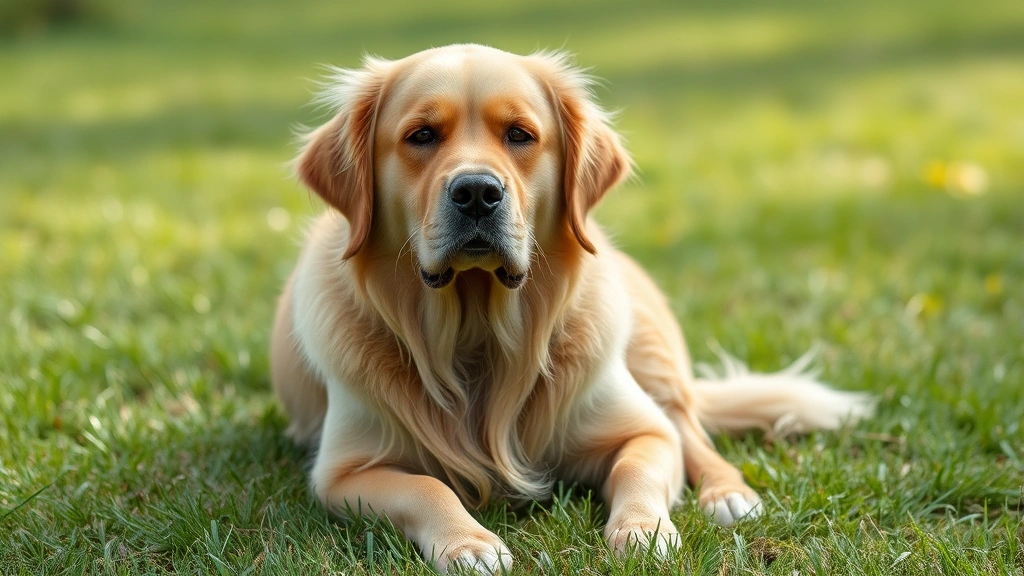
What to Do If Your Dog Is Constipated: Tips and Advice
There’s nothing quite like the panic that sets in when your beloved furry friend isn’t doing their business as usual. Dog constipation is one of those uncomfortable topics that pet parents don’t always love discussing, but it’s a surprisingly common issue that affects dogs of all ages and breeds. Whether your pup is straining during bathroom breaks or hasn’t had a bowel movement in days, constipation can be distressing for both you and your four-legged companion.
The good news? Most cases of canine constipation are manageable and preventable with the right knowledge and approach. In this comprehensive guide, we’ll walk you through everything you need to know about identifying, treating, and preventing constipation in dogs. From simple home remedies to when it’s time to call your veterinarian, we’ve got you covered with practical, evidence-based advice that’ll help get your pup back on track.
Think of this article as your go-to resource for understanding one of the less glamorous but equally important aspects of dog health. Let’s dive in and get your furry friend feeling better!
Signs and Symptoms of Dog Constipation
Recognizing the early warning signs of constipation is your first line of defense in helping your dog feel better. The most obvious indicator is a lack of bowel movements, but constipation often comes with other telltale symptoms that observant pet parents can catch.
Watch for your dog straining or squatting for extended periods without producing results. You might notice them whining or showing signs of discomfort during potty breaks. Some dogs become restless, pacing around more than usual or appearing generally anxious. Hard, dry stools (when they do appear) are another red flag, as are smaller-than-normal bowel movements.
In some cases, you might even notice behavioral changes like decreased appetite or unusual lethargy. Your pup might also seem to have abdominal discomfort, indicated by a tucked tail, hunched posture, or reluctance to move around. If your dog is vomiting or showing signs of severe distress, these are more serious symptoms that warrant immediate veterinary attention.
The key is knowing your dog’s normal bathroom habits. Every pup is different—some go once daily while others go two or three times. If you notice a significant deviation from your dog’s baseline, it’s worth investigating.
Common Causes of Constipation in Dogs
Understanding what causes constipation is essential for both treatment and prevention. There are numerous factors that can lead to your dog’s digestive system slowing down or stopping altogether.
Dietary Issues rank high on the list of culprits. Insufficient fiber, low-quality food, or sudden diet changes can all contribute to constipation. Some dogs also struggle when they don’t get enough water throughout the day. If you’re wondering about how much food you should feed your dog, portion control and nutritional balance play crucial roles in maintaining healthy digestion.
Lack of Exercise is another major factor. Dogs need regular physical activity to keep their digestive system moving smoothly. A sedentary lifestyle can slow gut motility and contribute to constipation, particularly in older dogs or those with mobility issues.
Dehydration severely impacts bowel function. When dogs don’t drink enough water, their stool becomes harder and more difficult to pass. This is especially common during hot weather or if your dog has limited access to fresh water.
Medical Conditions can also cause constipation. Hypothyroidism, anal gland problems, megacolon, and neurological issues may all lead to digestive difficulties. Medications, particularly certain pain relievers and antihistamines, can have constipation as a side effect.
Behavioral Factors play a role too. Some dogs avoid going to the bathroom in unfamiliar places or during stressful situations. Changes in routine, travel, or new living situations can trigger temporary constipation.
Foreign Objects present a more serious concern. Dogs that eat non-food items like hair, toys, or bones may develop blockages that result in constipation or more severe intestinal issues.

Effective Home Remedies
Before resorting to medications, many cases of mild constipation respond well to simple home interventions. These natural approaches can provide relief and get your dog’s digestive system back on track.
Increase Water Intake is often the first and most effective step. Ensure your dog has constant access to fresh, clean water. Some dogs prefer running water, so a dog water fountain might encourage them to drink more. Proper hydration is fundamental to healthy digestion.
Add Fiber to Their Diet can work wonders. Canned pumpkin (plain, not pie filling) is a tried-and-true remedy that many veterinarians recommend. A tablespoon or two mixed into your dog’s regular food can help soften stool and promote regular bowel movements. If you want to learn more, check out our guide on can dogs eat pumpkin.
Increase Exercise stimulates gut motility naturally. Take your dog for longer walks, play sessions, or other physical activities. Even a 15-20 minute walk can sometimes trigger the urge to defecate. For senior dogs or those with joint issues, gentle movement is still beneficial.
Warm Compress can provide comfort and sometimes stimulate bowel movements. Apply a warm (not hot) compress to your dog’s abdomen for a few minutes. This gentle warmth may help relax muscles and encourage movement.
Olive Oil or Coconut Oil can act as a natural lubricant. A teaspoon mixed into food may help soften stool, though use sparingly as too much can cause diarrhea or upset stomach.
Bone Broth not only encourages hydration but also provides nutrients that support digestive health. Ensure it’s dog-safe (no onions or garlic) and free from excess sodium.
According to the ASPCA’s guide to common dog health problems, most mild cases of constipation respond to conservative management within 24-48 hours.

Dietary Changes to Consider
Long-term management of constipation often involves thoughtful dietary adjustments. What and how your dog eats directly impacts their digestive health.
High-Fiber Foods should be incorporated gradually into your dog’s diet. Sweet potato, carrots, green beans, and certain types of commercial high-fiber dog foods can all help. Transition slowly over 7-10 days to avoid upsetting their stomach.
Quality Matters when it comes to dog food. Lower-quality commercial diets often contain fillers and ingredients that don’t digest well. Look for foods with named meat proteins as the first ingredient and appropriate fiber content. If you’re unsure about portion sizes and nutrition balance, our article on how much food to feed your dog provides detailed guidance.
Meal Frequency can impact digestion. Smaller, more frequent meals are sometimes easier for dogs to process than one or two large meals daily. This is particularly true for puppies and senior dogs.
Avoid Problematic Foods that commonly cause constipation. Foods high in fat, certain grains, and low-moisture kibble can all contribute to digestive slowdown. If your dog has been experiencing issues, elimination diets can help identify triggers.
Probiotics and Digestive Enzymes support healthy gut flora and may improve digestion. Many veterinarians recommend specific brands designed for dogs. These can be particularly helpful after antibiotic use or dietary changes.
For comparison, if your dog experiences the opposite problem, our guide on why your dog is having diarrhea explores that condition in detail, as dietary solutions for diarrhea differ from those for constipation.
When to Contact Your Veterinarian
While many cases of mild constipation resolve with home care, certain situations require professional veterinary intervention. Knowing when to call your vet can prevent serious complications.
Contact your veterinarian if:
- Your dog hasn’t had a bowel movement for more than 48-72 hours despite home remedies
- Your dog is showing signs of severe abdominal pain or distress
- Your dog is vomiting repeatedly
- There’s blood in the stool
- Your dog is straining severely but unable to produce anything
- Your dog has a history of constipation that keeps recurring
- Your senior dog or puppy is constipated (they need professional evaluation)
- You suspect your dog has ingested a foreign object
Your veterinarian can perform a physical examination and, if necessary, take X-rays to rule out blockages or other serious conditions. They might recommend what to give your dog for constipation, which could include prescription medications, enemas, or other treatments depending on the underlying cause.
The American Kennel Club provides expert advice on canine constipation, emphasizing that professional diagnosis is important for chronic cases.
In some cases, your vet might recommend dietary modifications, stool softeners, or even manual disimpaction if the constipation is severe. They can also check for underlying medical conditions like thyroid issues that might be contributing to the problem.
Prevention Strategies
The best treatment for constipation is prevention. By implementing these strategies, you can significantly reduce the likelihood of your dog experiencing this uncomfortable condition.
Maintain Consistent Exercise by establishing a daily routine that includes regular walks and playtime. Most adult dogs need at least 30 minutes to 2 hours of exercise daily, depending on breed and age. This keeps their digestive system active and promotes healthy bowel movements.
Ensure Adequate Hydration by providing fresh water at all times. Monitor your dog’s water intake, especially during hot weather. If your dog seems reluctant to drink, try different water bowls or add water to their food.
Feed a Balanced Diet with appropriate fiber content. Work with your veterinarian to determine the best food for your dog’s age, size, and health status. If you’re uncertain about portions, our comprehensive guide on how much food to feed your dog can help.
Avoid Dietary Indiscretions by preventing your dog from eating non-food items, spoiled food, or inappropriate treats. Keep your home free of choking hazards and foreign objects that could cause blockages.
Regular Veterinary Checkups help catch potential issues early. Annual exams (or more frequently for senior dogs) allow your vet to monitor digestive health and screen for conditions that might lead to constipation.
Manage Stress and Anxiety through positive reinforcement training, comfortable living environments, and consistent routines. Some dogs experience constipation during stressful periods, so maintaining emotional wellbeing supports physical health.
Monitor Medications if your dog takes prescriptions that might affect digestion. Talk to your vet about side effects and whether adjustments or supplements might help.
If your dog has had constipation issues before, you might also want to review our article on how to help a constipated dog to refresh your memory on effective interventions.
Frequently Asked Questions
How Often Should Dogs Have Bowel Movements?
Most healthy adult dogs have one to three bowel movements daily, though some dogs are naturally less frequent. Puppies and senior dogs may go more often. The key is consistency—if your dog’s normal pattern suddenly changes, that’s worth noting. Track your dog’s habits so you can quickly identify when something’s off.
Can I Give My Dog a Laxative?
While over-the-counter laxatives exist for dogs, it’s best to consult your veterinarian before administering them. Human laxatives are not appropriate for dogs, and even dog-specific ones should only be used under professional guidance. Your vet can recommend the safest option for your dog’s specific situation. For more detailed information, see our guide on what to give your dog for constipation.
Is Constipation in Dogs Serious?
Mild, occasional constipation is usually not serious and responds well to home remedies. However, chronic or severe constipation can indicate underlying medical issues and should be evaluated professionally. Prolonged constipation can lead to complications like megacolon (permanent dilation of the colon), so prompt attention is important.
What’s the Difference Between Constipation and Diarrhea?
Constipation involves infrequent or difficult bowel movements with hard, dry stool. Diarrhea is the opposite—frequent, loose, or watery stools. While they’re different conditions requiring different treatments, both can indicate dietary or health issues. Our article on how to stop dog diarrhea addresses that condition specifically.
Can Diet Alone Fix Constipation?
For many dogs, dietary changes combined with increased hydration and exercise can resolve mild constipation. However, if constipation is caused by underlying medical conditions, medication, or blockages, diet alone won’t fix it. This is why professional evaluation is important for chronic cases.
Are Certain Dog Breeds More Prone to Constipation?
While any dog can experience constipation, older dogs and certain breeds with predispositions to megacolon (like Boxer dogs and some large breeds) may be more susceptible. Senior dogs in general have slower digestive systems and may experience more frequent constipation. Puppies can also struggle as their digestive systems develop.
How Long Does It Take for Home Remedies to Work?
Most dogs respond to home remedies within 24-48 hours. Increased water intake and fiber typically show results relatively quickly. If your dog hasn’t improved after 48 hours of home care, it’s time to contact your veterinarian for professional evaluation and treatment.
Can Stress Cause Constipation in Dogs?
Yes, stress and anxiety can definitely affect your dog’s digestive system. Changes in routine, travel, new environments, or household changes can trigger temporary constipation. Maintaining a consistent schedule and creating a calm, comfortable environment helps prevent stress-related digestive issues.





