
Finding a lost dog wandering the streets can be heartbreaking—and honestly, pretty stressful. What to do if you find a lost dog might seem straightforward, but there’s actually a solid game plan that can make the difference between a happy reunion and a tragedy. Whether you’ve stumbled upon a scared pup in your neighborhood or spotted one on the highway, knowing the right steps to take could literally save a life.
Table of Contents
- Stay Calm and Assess the Situation Safely
- Use Gentle Techniques to Approach the Lost Dog
- Check for Identification and Microchip Information
- Contact Local Animal Control and Shelters
- Post About the Found Dog on Social Media and Community Boards
- Provide Temporary Care While Searching for the Owner
- Work with Local Rescue Organizations and Lost Pet Networks
- Document Everything for Legal Protection
- Know When to Contact Police and File an Official Report
- Consider Rehoming if the Owner Isn’t Found
- Frequently Asked Questions
- Final Thoughts: You’re a Hero
Let’s face it: that moment when you see a collar-less dog running frantically down the street triggers an immediate instinct to help. But jumping in without a plan? That’s how good intentions go sideways. This guide walks you through exactly what to do, from safely approaching the dog to connecting them with their desperate owner.
Stay Calm and Assess the Situation Safely
Your first instinct might be to chase that pup, but pump the brakes. A lost dog is scared, disoriented, and possibly defensive. Approaching too quickly or aggressively can spook them further or put you in danger. Take a breath and observe from a distance first.
Watch the dog’s body language. Are they growling? Backing away? Showing signs they’re injured or sick? If a dog appears aggressive or you notice signs of lethargy or unusual behavior, this is a red flag. Never corner a frightened dog—always give them an escape route. If the dog seems dangerous, call animal control immediately rather than attempting a rescue yourself.
Check for immediate hazards too. Is the dog near traffic? A busy intersection? If so, prioritize getting them to safety before anything else.
Use Gentle Techniques to Approach the Lost Dog
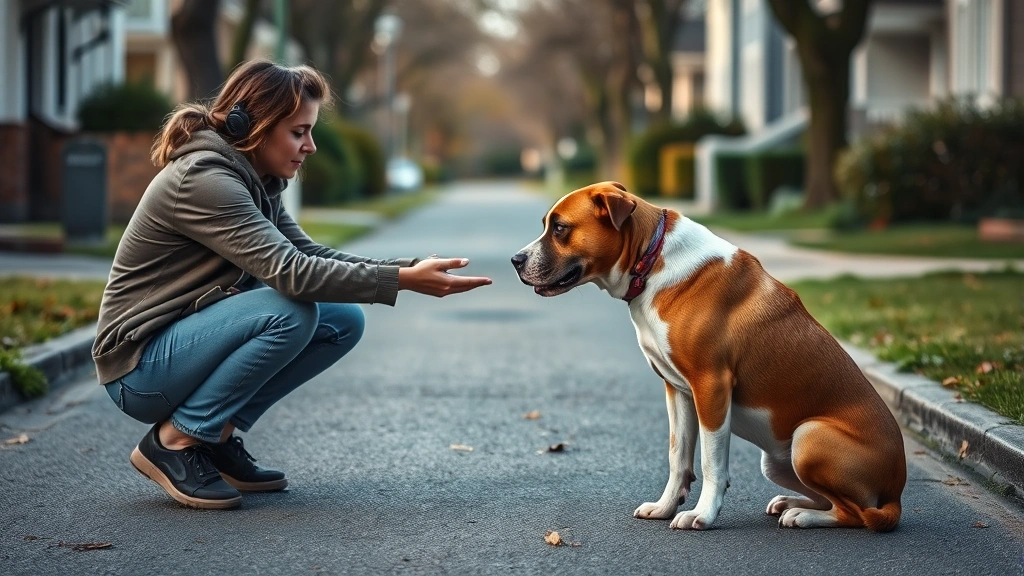
Once you’ve assessed that it’s safe to approach, move slowly and speak in a calm, friendly voice. Crouch down to appear less threatening—you’re not a towering giant anymore, just a potential friend. Avoid direct eye contact initially, as this can seem aggressive to a frightened animal.
Offer your hand for the dog to sniff. Let them come to you rather than rushing them. If you have treats, this is your golden ticket. Most dogs will overcome their fear for food. If you don’t have treats, even a small piece of bread or a hot dog from a nearby store works wonders.
Never grab the dog’s collar immediately. Build trust first. Once they’re comfortable, you can gently secure them with a makeshift leash—a belt, rope, or even a scarf works in a pinch.
Check for Identification and Microchip Information
Got the dog secured? Great! Now it’s detective time. Look for a collar with tags. Most lost dogs still have some form of ID, even if it’s just a phone number. If there’s a tag, call the number immediately—you might reunite them with their owner within minutes.
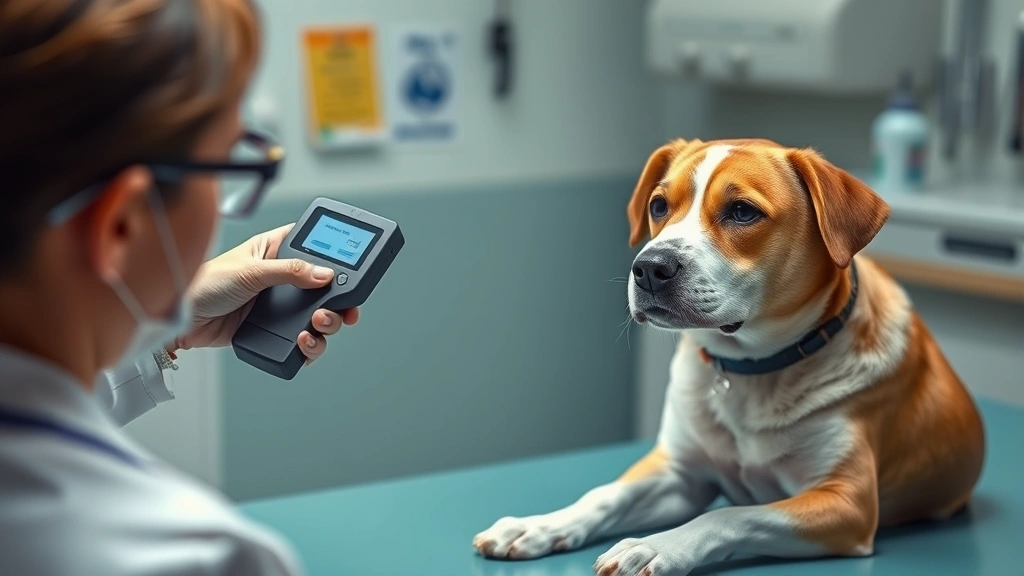
If there’s no collar or visible tags, don’t assume the dog is a stray. Many dogs have microchips implanted under their skin. Take the dog to the nearest veterinary clinic or animal shelter—they can scan for a microchip for free. This is often the fastest way to identify the owner, especially if the collar fell off during their escape.
Pro tip: Write down any identifying features—breed, color, size, any distinctive markings. This info becomes crucial if you need to post about the dog online or contact authorities.
Contact Local Animal Control and Shelters
Once you’ve got the dog safe, your next move is contacting local animal control and shelters in your area. Report the found dog immediately. Include the dog’s description, location where you found them, and any ID information you discovered. Many shelters maintain databases of lost dogs, and owners often call shelters first when their pet goes missing.
Ask if any dogs matching this description have been reported missing in the last few days. Some shelters might ask you to bring the dog in for scanning and registration. This is actually helpful—it creates an official record and increases the chances of the owner finding their pet.
Don’t skip this step thinking you’ll just find the owner yourself. Shelters are literally the first place desperate owners call.
Post About the Found Dog on Social Media and Community Boards
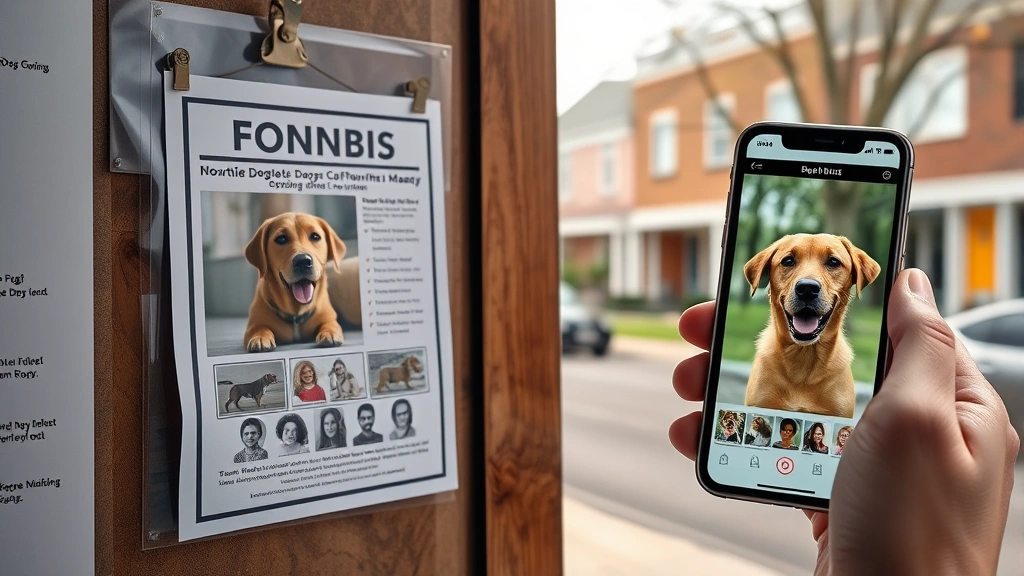
Welcome to the digital age, where Facebook lost-and-found pet groups are lifesavers. Post clear photos of the dog on local community groups, Nextdoor, and lost pet Facebook pages. Include the location where you found them, the date, and any identifying information.
Use hashtags like #LostDog, #FoundDog, and your city name to increase visibility. Tag local animal shelters and rescue organizations in your posts. The more eyes on your post, the better the chances of finding the owner.
Here’s the thing: some owners are frantically searching online while you’re posting, so timing matters. Post immediately and repost regularly. Just be honest about the dog’s condition—if they seem stressed or unhappy, mention it. Owners need accurate information.
Provide Temporary Care While Searching for the Owner
If you can’t locate the owner right away, you’ve got a temporary houseguest. Make sure the dog has access to fresh water, a safe space to rest, and food. If you’re unsure about their diet, stick with plain chicken or rice—it’s gentle and unlikely to cause digestive issues.
Keep the dog separated from your own pets initially if possible. You don’t know their vaccination status, temperament around other animals, or if they’re carrying anything contagious. Better safe than sorry.
Monitor the dog for signs of injury or illness. Check their paws for cuts, look for any visible wounds, and note their eating and bathroom habits. If something seems off—like the signs you’d notice in a dog with health issues—get them to a vet.
Work with Local Rescue Organizations and Lost Pet Networks
Don’t underestimate the power of local rescue groups and lost pet networks. These organizations have dedicated volunteers, established communication channels, and connections with veterinarians and shelters. Contact them with your found dog information.
Many rescue organizations also maintain lost dog databases and can help spread the word through their networks. Some even offer temporary fostering for found dogs while the owner is being located. This takes pressure off you and ensures the dog gets proper care from experienced handlers.
These groups often have experience with specific breeds too. If you’ve found a purebred dog, breed-specific rescue organizations might be particularly helpful in tracking down the owner.
Document Everything for Legal Protection
Keep detailed records of everything: the date and time you found the dog, location, photos, any medical care provided, food expenses, and communication with shelters or potential owners. This protects you legally and helps establish a timeline if ownership disputes arise.
Take photos of the dog from multiple angles, including any collar, tags, or identifying marks. Save all text messages, emails, and call logs with people you’ve contacted. If you’ve paid for veterinary care or food, keep receipts.
This might seem overly cautious, but it’s crucial if the owner eventually appears and questions arise about the dog’s care during the interim period.
Know When to Contact Police and File an Official Report
If you’ve exhausted all options and can’t locate the owner within a reasonable timeframe (typically 7-14 days depending on local regulations), contact local police to file an official found property report. Some jurisdictions require this by law.
Filing a report creates an official record and protects you legally if you eventually need to rehome the dog or keep them permanently. It also alerts authorities that you have the dog, which can help if someone calls the police looking for their lost pet.
Check your local regulations—some areas require found dogs to be held for a specific period before you can legally adopt them out or keep them.
Consider Rehoming if the Owner Isn’t Found
If weeks have passed and no owner has surfaced despite your best efforts, you might need to consider rehoming the dog. This is the hard part, but it’s better than the dog spending months in limbo or in a shelter.
Work with local rescue organizations, breed-specific rescues, or reputable adoption agencies. Screen potential adopters carefully—ask about their living situation, experience with dogs, and long-term plans. You’ve already invested emotional energy in this pup; make sure they’re going to a good home.
Some people choose to keep the found dog permanently. If you go this route, definitely get them to a vet for a full checkup, update their vaccinations, and consider getting them microchipped yourself (with your information, of course).
Frequently Asked Questions
What if the dog is aggressive or won’t let me near them?
Don’t force it. Call animal control or a local rescue organization with experience handling fearful or aggressive dogs. They have the training and equipment to safely capture the dog without putting themselves or the animal at risk. Your safety matters too.
Should I take the dog to a vet immediately?
If the dog appears injured or sick, absolutely. For a seemingly healthy dog, a vet visit within 24-48 hours is ideal for scanning for a microchip and assessing their overall condition. Many vets offer free scans for found dogs.
Can I keep the dog if the owner doesn’t show up?
It depends on your local laws. Some jurisdictions require a waiting period (often 30-90 days) before you can legally claim ownership of a found dog. Check with your local animal control or shelter for specific regulations in your area.
What if the dog has a collar but no tags?
The collar might have fallen off tags, or the owner simply didn’t attach them. Still take the dog to a vet or shelter for microchip scanning. Many owners microchip but don’t use collar tags.
Is it safe to let a found dog around my own pets?
Not immediately. You don’t know their vaccination status, temperament, or health history. Keep them separated for at least 24-48 hours while you gather information and ideally get them vet-checked. This protects your own animals.
How long should I search for the owner?
Most experts recommend actively searching for 2-4 weeks. After that, if no owner has claimed the dog despite your efforts with shelters, social media, and rescue organizations, it’s reasonable to consider rehoming or adoption.
Final Thoughts: You’re a Hero
Finding a lost dog and taking action puts you in a special category—you’re literally a hero in someone’s story. That frantic owner who’s been losing sleep over their missing pet? You’re the reason they might get their best friend back.
Remember, the steps you take in those first few hours and days make a massive difference. Stay calm, approach safely, check for ID, contact shelters and social media, provide care, and work with local organizations. Not every lost dog story has a happy ending, but yours has a much better chance of being one because you cared enough to do it right.
And hey, if you do reunite that dog with their owner, you’ll get to witness one of the most beautiful moments possible—pure, unfiltered joy. That’s worth all the effort.





