
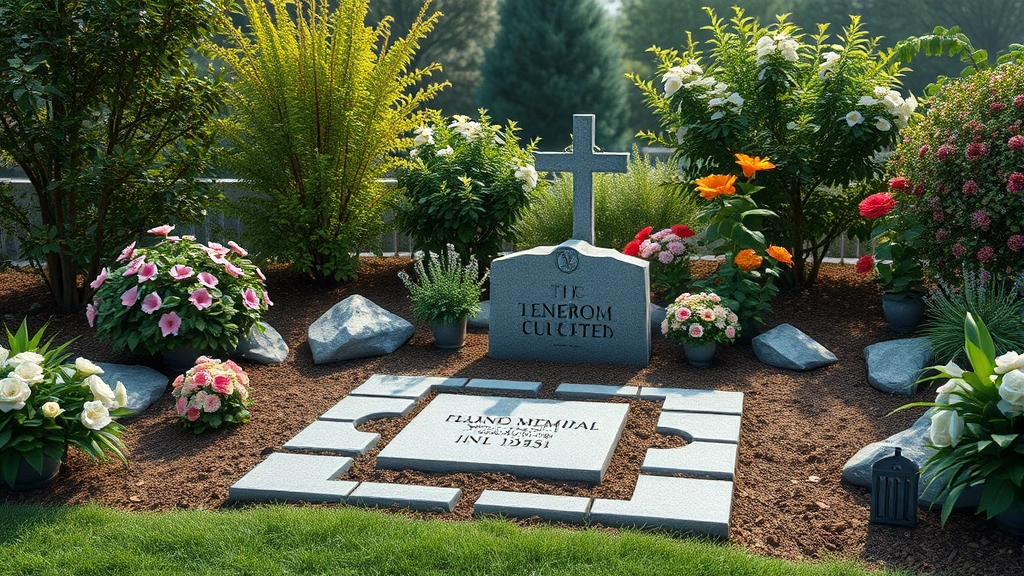
Losing a beloved pet is one of life’s hardest moments, and what to do when dog dies is a question many pet owners face with heavy hearts and no clear roadmap. Whether your furry best friend passes suddenly or after a long illness, knowing the practical and emotional steps ahead can help you navigate this devastating time with grace and purpose.
Table of Contents
- Understanding Your Emotions First
- What to Do Immediately After Your Dog Passes
- Choosing Cremation or Burial Options
- Handling the Practical and Legal Details
- Creating Meaningful Pet Loss Memorials
- Dealing with Your Home and Routines
- Seeking Support and Professional Help
- Preventing Health Issues Through Preventative Care
- When to Consider Getting Another Dog
- The Grief Timeline: What to Expect
- Frequently Asked Questions
- Moving Forward with Love and Memory
Understanding Your Emotions First
Before tackling logistics, let’s be real: you’re going to feel like garbage. Pet grief is legitimate grief. Your dog wasn’t “just a pet”—they were a family member, a routine, a reason to get up in the morning. Some people might not understand why you’re devastated about a dog, but those people are wrong. Your feelings are valid, whether you’re crying for days or feeling numb. Both are normal responses to losing a companion who was woven into your daily life.
Give yourself permission to grieve however feels right. Don’t let anyone rush you through this process or minimize your loss.
What to Do Immediately After Your Dog Passes
The first hours after your dog’s death can feel surreal and overwhelming. If your dog dies at home, take a moment to breathe. You don’t need to do anything immediately except sit with what’s happened. When you’re ready, here are the practical steps:
Contact your veterinarian if your dog passes at home. They can confirm death and discuss your options for handling the body. If your dog dies at the vet’s office, the staff will guide you through next steps and won’t rush you if you need time.
Don’t be afraid to ask questions about the process. Vets handle pet loss regularly and understand what you’re going through.
Choosing Cremation or Burial Options
You have several options for what to do with your dog’s remains, and this choice is deeply personal:
Individual cremation allows you to receive your dog’s ashes in an urn. This is the most common choice and gives you a tangible way to keep your pet close. You can scatter the ashes in a meaningful location, keep them at home, or even incorporate them into memorial jewelry.
Communal cremation is more affordable but means your dog’s ashes are mixed with others. You won’t receive individual remains, though some facilities provide a memorial certificate.
Pet cemetery burial offers a physical place to visit and remember your dog. Many pet cemeteries provide beautiful grounds and headstone options. This can be especially comforting for families who want a dedicated memorial space.
Home burial is an option in many areas, though regulations vary by location. Check local laws before burying your dog in your yard. Some people find this deeply meaningful as they can create a special garden or memorial spot.
Ask your vet for recommendations on local cremation services or pet cemeteries. They can connect you with reputable providers and discuss costs upfront.
Handling the Practical and Legal Details
While you’re grieving, there are some administrative tasks to handle. Update your pet insurance provider and microchip registry to note that your dog has passed. This prevents confusion and ensures you won’t receive renewal notices that’ll punch you in the gut.
If your dog was registered with breed clubs or kennel clubs, notify them of the death. For service dogs or therapy dogs, inform the organization they worked with.
Review any pet-related subscriptions (food delivery, treat boxes, insurance) and cancel them when you’re ready. There’s no rush—do this when it won’t feel like another painful reminder.

Creating Meaningful Pet Loss Memorials
Many people find comfort in honoring their dog’s memory through meaningful tributes. Create a photo album or digital memorial featuring your favorite pictures and memories. Write down stories about your dog’s personality, funny quirks, or the impact they had on your life. These written memories become treasured keepsakes as time passes.
Consider planting a tree or perennial flowers in your dog’s honor. This living memorial grows and changes, much like the memories you’ll carry. Some people commission pet portraits, create shadow boxes with photos and collar tags, or donate to animal shelters in their dog’s name.
A rescue dog’s journey to their forever home deserves to be remembered, and creating a memorial ensures that journey isn’t forgotten.
Dealing with Your Home and Routines
Coming home to a house without your dog is brutal. The empty food bowl, the unused leash, the spot on the couch—these everyday reminders hurt. You don’t need to remove everything immediately. Some people find comfort in keeping their dog’s belongings for a while before donating or discarding them.
When you’re ready, donate your dog’s items to animal shelters or rescue organizations. Your dog’s bed, toys, and collar can help other animals in need. This transforms grief into action and gives purpose to the loss.
Your daily routine will feel strange without your dog. The morning walk you took together, the evening cuddle sessions, the way they greeted you at the door—these rituals are gone. Give yourself time to adjust and consider new routines that honor your dog’s memory without deepening the pain.
Seeking Support and Professional Help
Pet loss support groups exist for a reason: you’re not alone in this. Online communities, local grief support groups, and pet loss hotlines connect you with others who understand. The American Animal Hospital Association offers resources for pet loss support.
Consider talking to a therapist if grief becomes overwhelming or prevents you from functioning. There’s no shame in seeking professional support for pet loss—it’s a legitimate form of grief that deserves care.
Tell trusted friends and family about your dog’s death and how you’re feeling. Real friends will understand that you’ve lost a family member and will support you through the grieving process.
Preventing Health Issues Through Preventative Care
While you’re processing this loss, remember that preventative care could have extended your dog’s life. Regular vet checkups, proper nutrition, and vaccinations are essential. If your dog had health issues like liver disease in dogs, early detection through screening could have made a difference.
Understanding common health conditions helps you recognize symptoms in future pets. Issues like diarrhea in dogs or constipation might seem minor but can indicate serious problems. Don’t ignore changes in your dog’s behavior or health.
Staying current on vaccines, including leptospirosis vaccine for dogs, protects against preventable diseases. When you’re ready for another pet, these lessons will help you provide the best possible care.
When to Consider Getting Another Dog
There’s no timeline for when you’re ready for another dog. Some people feel ready within months; others need years. Don’t let anyone pressure you into a timeline that doesn’t feel right.
When you do decide to open your heart again, consider adopting from a rescue or shelter. Giving a home to a dog in need honors your previous dog’s memory and saves a life. Your experience with pet loss makes you a more empathetic, understanding pet owner.
A new dog won’t replace your lost companion, but they can bring joy back into your life and create new, cherished memories.
The Grief Timeline: What to Expect
Pet grief doesn’t follow a neat schedule. You might feel devastated for weeks, then have a day where you laugh at a memory without crying. Then something—a song, a photo, a familiar route—triggers grief all over again. This is normal and doesn’t mean you’re not healing.
Most people find that acute grief softens over months, though waves of sadness can return unexpectedly. Holidays, birthdays, and anniversaries of your dog’s death might be particularly hard. These dates deserve acknowledgment and self-compassion.
As time passes, the sharp pain transforms into bittersweet memories. You’ll remember your dog with love instead of only sadness. This doesn’t mean you’ve forgotten them—it means you’ve integrated their memory into your life in a healthier way.
Frequently Asked Questions
How much does pet cremation cost?
Individual pet cremation typically costs between $150-$400, depending on your dog’s size and location. Communal cremation is usually cheaper at $75-$150. Call local cremation services for specific pricing in your area.
Can I bury my dog in my backyard?
This depends on local regulations. Many areas allow home burial if your property is large enough (usually at least 100 feet from water sources and property lines). Check with your local health department or veterinarian for specific rules in your area.
How do I explain my dog’s death to my children?
Be honest and age-appropriate. Use clear language like “died” rather than euphemisms like “went to sleep.” Allow children to ask questions, express their feelings, and participate in memorials if they want to. Consider reading children’s books about pet loss together.
Is it normal to feel guilty after my dog dies?
Absolutely. Many pet owners experience guilt, wondering if they could have done more or detected illness earlier. These feelings are common but often unfounded. Your veterinarian can help you understand that you provided good care and that your dog’s death wasn’t your fault.
Should I get a new dog right away?
Give yourself time to grieve before making this decision. Rushing into a new pet to fill the void often leads to regret. When you’re ready for another dog, you’ll have the emotional space to appreciate them as an individual, not as a replacement.
What should I do with my dog’s ashes?
Options include scattering them in a meaningful location, keeping them in an urn at home, burying them in a pet cemetery, or incorporating them into memorial jewelry or art. Choose what feels most meaningful to you and your family.
Moving Forward with Love and Memory
Knowing what to do when dog dies helps you navigate the practical side of loss, but the emotional journey is uniquely yours. Your dog was irreplaceable—a specific combination of personality, quirks, and love that existed only in your relationship. Honor that by allowing yourself to grieve fully, remembering joyfully, and eventually opening your heart to new experiences while keeping your dog’s memory alive.
The pain of losing your dog will soften with time, transforming into gratitude for the years you shared. Your dog’s legacy lives on in the love you gave them and the person you became because they were part of your life. That’s something worth honoring, and that’s something that lasts forever.





