

What to Feed a Constipated Dog: Vet-Approved Tips
If your furry best friend is having trouble with their digestive system, you’re not alone. Constipation in dogs is more common than you might think, and it can range from mildly uncomfortable to seriously concerning. The good news? What you feed your dog plays a crucial role in getting their digestive tract back on track. Whether your pup is experiencing occasional irregularity or chronic constipation, understanding the right foods and dietary adjustments can make all the difference in their comfort and overall health.
Watching your dog struggle to do their business is never fun, and it often leaves pet parents feeling helpless. But here’s the thing: constipation is frequently fixable through diet alone, without needing invasive treatments or expensive vet visits (though you should always consult your veterinarian if the problem persists). The key is knowing which foods promote healthy digestion, how to introduce them safely, and when to seek professional help.
This comprehensive guide will walk you through everything you need to know about feeding a constipated dog, from the best foods to try to the ones you should absolutely avoid. Let’s get your pup’s digestive system running smoothly again!
Understanding Canine Constipation
Before diving into solutions, let’s talk about what constipation actually means for your dog. Canine constipation occurs when your dog’s bowel movements become infrequent, difficult, or produce hard, dry stools. Unlike humans, dogs typically have bowel movements once or twice daily, so if your pup hasn’t gone in more than 48 hours, it’s time to take action.
Several factors can contribute to constipation in dogs, including insufficient fiber intake, dehydration, lack of exercise, medications, and underlying health conditions. Some breeds are more prone to digestive issues than others, and senior dogs often experience more constipation-related problems. The good news is that dietary intervention is often the first and most effective line of treatment.
According to the Association of American Feed Control Officials, proper nutrition is foundational to canine digestive health. When you understand what your dog’s body needs, you can make informed decisions about their diet that will keep them comfortable and healthy.
Best Foods for Constipated Dogs
When your dog is constipated, certain foods work wonders for getting their digestive system back on track. Let’s explore the top contenders that veterinarians recommend.
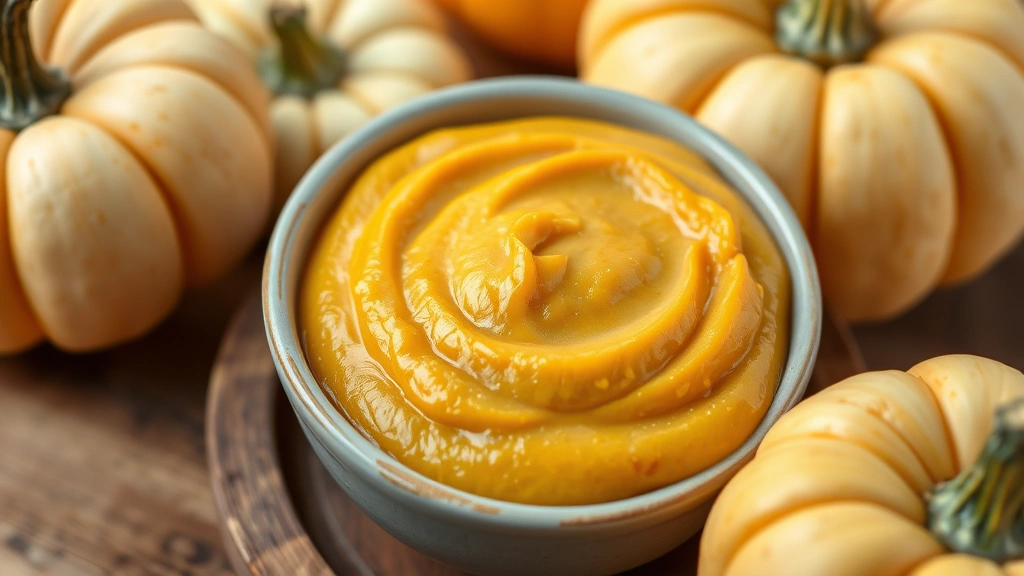
Pumpkin is the golden ticket. This humble orange squash is packed with both soluble and insoluble fiber, making it incredibly effective for constipation relief. Whether you’re wondering if dogs can eat pumpkin, rest assured they absolutely can—and should, in controlled amounts. Plain canned pumpkin (not pie filling) is ideal. Start with a teaspoon for small dogs and up to three tablespoons for large breeds, mixed directly into their regular food.
Sweet potatoes are another fantastic option. Rich in fiber and nutrients, sweet potatoes are excellent for your dog’s digestive health. Cooked and mashed, they’re easy on the stomach while providing the fiber needed to promote regular bowel movements. You can serve them plain or mixed with your dog’s kibble.
Rice is a gentle, digestible carbohydrate that pairs well with other foods to support constipation relief. Plain white or brown rice, cooked until soft, helps bulk up stool appropriately and is easy for sensitive digestive systems to process. Many vets recommend a simple chicken and rice meal during digestive distress.
Bone broth is increasingly popular among pet parents seeking natural digestive support. Bone broth provides hydration and nutrients that support digestive health. The gelatin content can be soothing to the digestive tract, and the added moisture helps combat dehydration-related constipation.
High-Fiber Food Options
Fiber is your best friend when dealing with constipation. Soluble fiber absorbs water and creates bulk, while insoluble fiber adds volume to stool. The combination of both types is what you’re after.
Here are the best high-fiber foods to incorporate:
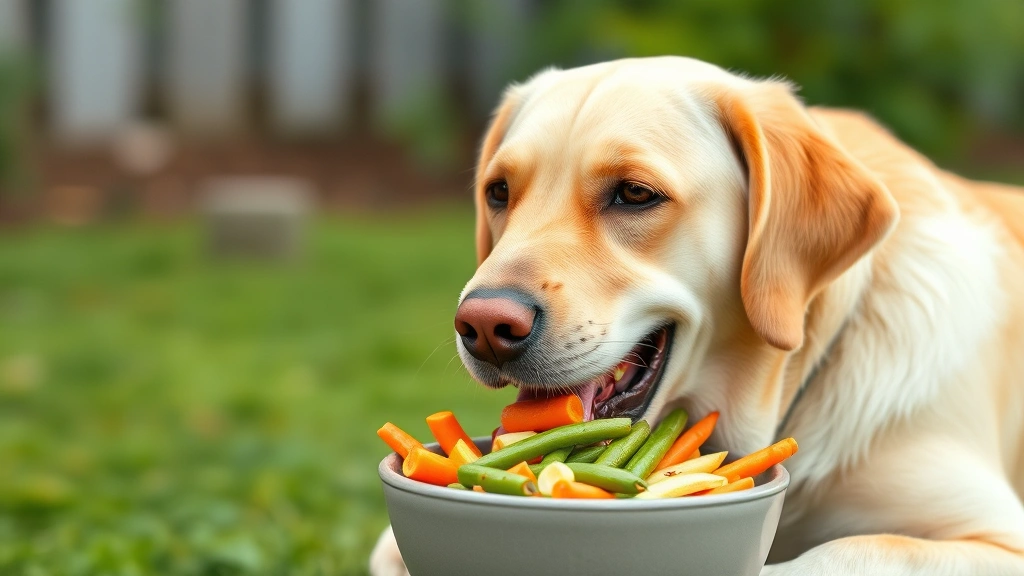
- Cooked vegetables: Carrots, green beans, and broccoli are fiber powerhouses. Serve them cooked and chopped into manageable pieces.
- Apples (without seeds): The skin provides excellent fiber, though remove all seeds before serving.
- Oats: Plain, cooked oatmeal is gentle on the stomach and provides soluble fiber that promotes digestive health.
- Flaxseed: Just a teaspoon or two of ground flaxseed can work wonders. It’s packed with omega-3s and fiber.
- Chia seeds: Similar to flaxseed, these tiny seeds absorb water and create bulk in the digestive tract.
- Plain canned green beans: Low in calories and high in fiber, these are safe and effective for most dogs.
When introducing any new fiber-rich food, start slowly and gradually increase the amount over several days. Too much fiber too quickly can actually make things worse before they get better. Your dog’s digestive system needs time to adjust.
The Importance of Hydration
Here’s something many pet parents overlook: dehydration is a major contributor to canine constipation. Water is absolutely essential for softening stool and promoting healthy bowel movements. If your dog isn’t drinking enough water, no amount of fiber will fully solve the problem.
Make sure fresh water is available 24/7. Some dogs prefer running water, so a dog water fountain might encourage increased consumption. You can also add moisture to their food by mixing in water, broth, or wet food. This is particularly important for dogs who primarily eat dry kibble.
A good rule of thumb is that dogs should drink approximately one ounce of water per pound of body weight daily, though this varies based on activity level, diet type, and climate. Senior dogs and those with certain health conditions may need even more water.
If you notice your dog isn’t drinking adequately, consult your veterinarian. Excessive thirst or sudden changes in water consumption can indicate underlying health issues that need attention.
Foods to Avoid
Just as important as knowing what to feed your constipated dog is understanding what to keep off their plate. Some foods can worsen constipation or pose other health risks.
Avoid these foods:
- High-fat foods: Fatty meats and dairy products can slow digestion and worsen constipation.
- Bones: While some people feed raw bones, cooked bones can fragment and cause serious blockages. Avoid them entirely.
- Chocolate: Toxic to dogs and can cause serious health issues beyond constipation.
- Grapes and raisins: These can cause kidney failure in dogs and should never be given.
- Onions and garlic: Both are toxic to dogs and damage red blood cells.
- Certain medications and supplements: Some can contribute to constipation. Discuss any medications with your vet.
- Excessive treats: Too many treats displace nutritious food and can contribute to digestive issues.
Additionally, be cautious with portion sizes and feeding guidelines for your dog’s size and age. Overfeeding can contribute to constipation, while underfeeding can lead to other digestive problems.
Making Dietary Changes Safely
The key to successfully treating constipation through diet is making changes gradually and thoughtfully. Sudden dietary shifts can upset your dog’s stomach and actually worsen the problem.
Here’s a practical approach:
- Start with one change: Introduce one new food or dietary modification at a time so you can identify what works best for your individual dog.
- Transition slowly: If switching foods, mix the new food with the old over 7-10 days, gradually increasing the new food percentage.
- Monitor results: Keep track of your dog’s bowel movements, stool consistency, and overall energy levels. This information is valuable for your vet.
- Give it time: Most dietary changes take 3-5 days to show results. Don’t expect immediate changes.
- Stay consistent: Once you find what works, stick with it. Consistency is crucial for maintaining digestive health.
- Consult your vet: Before making major dietary changes, especially if your dog has underlying health conditions or takes medications, discuss your plan with your veterinarian.
Remember that treating digestive issues requires balance—too much fiber can swing the pendulum in the opposite direction. The goal is finding that sweet spot for your individual dog.
According to the ASPCA, proper nutrition tailored to your dog’s individual needs is essential for long-term health. Every dog is unique, and what works for one pup might not work for another.
When to seek veterinary help: If constipation persists beyond 3-5 days despite dietary changes, if your dog shows signs of pain, loss of appetite, or vomiting, or if you notice blood in their stool, contact your vet immediately. These could indicate more serious underlying conditions requiring professional evaluation.
Frequently Asked Questions
How long does it take for diet changes to help constipation?
Most dogs show improvement within 3-5 days of dietary changes. However, some may take up to a week. If there’s no improvement after a week, consult your veterinarian. Consistency and patience are key—don’t keep switching foods too rapidly.
Can I give my dog probiotics for constipation?
Probiotics can support overall digestive health, but they work best as a complement to dietary changes rather than a standalone solution. Look for dog-specific probiotics and consult your vet about the right strain and dosage for your pup. Research published in veterinary journals shows probiotics can help maintain healthy gut flora.
Is it safe to give my dog mineral oil for constipation?
While mineral oil has been used historically, it’s not ideal as a long-term solution and can interfere with nutrient absorption. Dietary changes are a safer, more effective first-line approach. Only use mineral oil under veterinary supervision and as a temporary measure.
How much pumpkin should I give my constipated dog?
For small dogs, start with one teaspoon. Medium dogs can have one to two tablespoons, and large dogs can receive up to three tablespoons daily, mixed into their food. Start with the lower end and increase gradually if needed. Plain canned pumpkin is best—avoid pie filling which contains added sugars and spices.
Should I switch to wet food for a constipated dog?
Wet food can help increase your dog’s moisture intake, which is beneficial for constipation. However, you don’t necessarily need to switch entirely. Adding water or broth to dry kibble can provide similar benefits. Some dogs do better with a combination of wet and dry food.
Can exercise help with dog constipation?
Absolutely! Regular exercise stimulates bowel movements and overall digestive health. Aim for at least 20-30 minutes of moderate activity daily, depending on your dog’s age and fitness level. Even short walks can help get things moving.
What if my dog refuses to eat the constipation-relief foods?
Try different preparation methods—some dogs prefer foods warm, others cold. You can also try mixing preferred foods with new ones. If your dog consistently refuses food or shows signs of illness, contact your veterinarian. Loss of appetite can indicate other health issues.
Are there breed-specific constipation concerns?
Certain breeds, particularly small breeds and those with shorter snouts, may be more prone to constipation. Additionally, senior dogs of all breeds experience more digestive issues. Discuss breed-specific concerns with your vet during regular check-ups.
For more information on canine digestive health, the American Animal Hospital Association provides excellent resources for pet parents. You can also consult peer-reviewed studies on canine nutrition through PubMed’s veterinary research database for evidence-based information.
Final Thoughts
Constipation in dogs is uncomfortable and concerning, but it’s also highly treatable through thoughtful dietary management. By understanding what to feed your constipated dog and making gradual, informed changes, you can help restore their digestive health and get them back to their happy, comfortable selves.
Remember that every dog is unique, and what works for your neighbor’s pup might not work for yours. Start with small changes, monitor results carefully, and always consult your veterinarian if problems persist. With patience, consistency, and the right dietary approach, most cases of canine constipation resolve quickly and naturally.
Your dog’s digestive health is an investment in their overall well-being and quality of life. You’ve got this!





