
If you’re wondering what to feed a dog with giardia, you’re probably dealing with one of the most frustrating parasitic infections that can strike your furry best friend. Giardia is a microscopic parasite that wreaks havoc on your dog’s digestive system, causing diarrhea, vomiting, and general misery for both pup and parent. The good news? With the right diet and veterinary care, most dogs bounce back beautifully.
Table of Contents
- Understanding Giardia and Why Diet Matters
- Best Foods for Dogs with Giardia Recovery
- The Giardia Diet Timeline: What to Feed When
- Foods to Absolutely Avoid During Giardia Treatment
- Hydration: The Forgotten Hero of Giardia Recovery
- Supplements That Support Giardia Recovery
- Feeding Strategies That Actually Work
- When to Call Your Vet (And When Not to Panic)
- Transitioning Back to Normal Food
- Prevention: Because an Ounce of Prevention Is Worth a Pound of Cure
- Frequently Asked Questions
- The Bottom Line: What to Feed a Dog with Giardia
Let me be real with you—watching your dog suffer through giardia is no fun. But here’s the silver lining: nutrition plays a HUGE role in recovery, and you have more control over this than you might think. This guide breaks down exactly what your pup needs to eat to fight off this nasty parasite and get back to their tail-wagging self.
Understanding Giardia and Why Diet Matters
Before we dive into the menu, let’s talk about what giardia actually does to your dog’s digestive system. This parasite attaches to the small intestine’s lining, disrupting nutrient absorption and causing inflammation. Your dog’s gut is basically staging a revolt, which is why they’re experiencing explosive diarrhea and looking like they’ve aged ten years overnight.
The right diet during giardia treatment serves multiple purposes: it reduces digestive stress, provides easily digestible nutrients, and supports your dog’s immune system while medications do their job. Think of it as giving your pup’s gut a vacation while the antibiotics handle the heavy lifting.
Best Foods for Dogs with Giardia Recovery
Let’s get specific about what actually works. Your veterinarian will likely recommend a bland diet during the acute phase, but that doesn’t mean boring cardboard. Here are the MVP foods for giardia recovery:
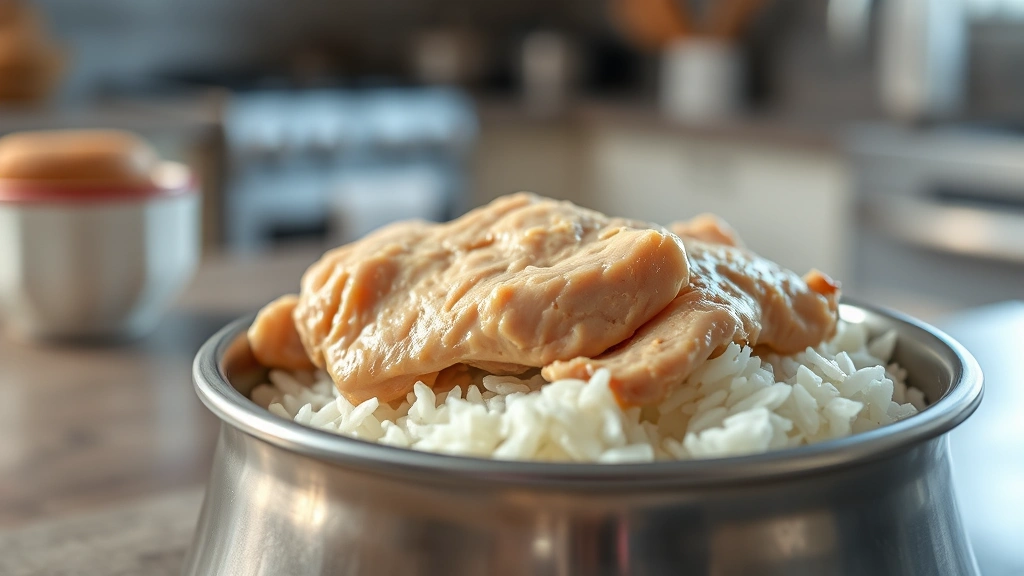
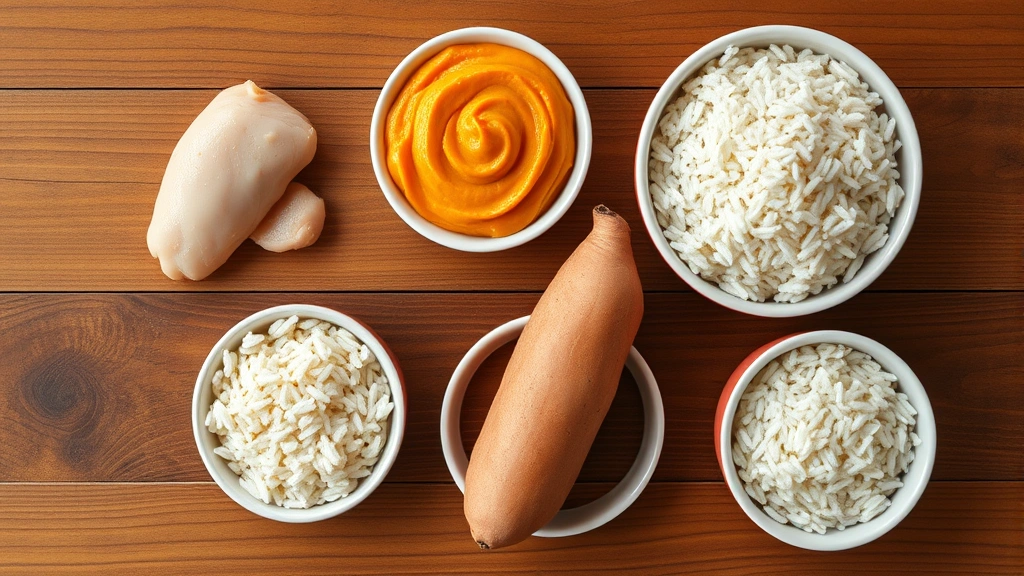
Plain Boiled Chicken: This is the gold standard. Skinless, boneless chicken breast boiled without seasoning provides high-quality protein that’s incredibly easy to digest. Your dog’s compromised intestines can handle this without throwing a fit.
White Rice: If you’re trying to decide between options, check out our guide on white rice vs. brown rice for dogs—white rice wins during giardia recovery because it’s more digestible and gentler on inflamed intestines.
Plain Pumpkin: Not the pie filling, obviously. Pure pumpkin puree is a gut-healing superstar. It’s packed with fiber and helps regulate digestion without irritating the intestinal lining.
Sweet Potatoes: Once your dog is past the worst phase, sweet potatoes become your friend. They’re nutrient-dense and easier on the system than regular potatoes. Want more details? Our article on whether sweet potatoes are good for dogs covers all the benefits.
Scrambled Eggs: Plain scrambled eggs (no butter, no salt) provide high-quality protein and are gentle on recovering digestive systems. Learn more about the benefits in our piece on scrambled eggs for dogs.
The Giardia Diet Timeline: What to Feed When
Recovery isn’t one-size-fits-all, but here’s a general progression that works for most dogs:
Days 1-3 (Acute Phase): Start with a 50/50 blend of boiled chicken and white rice. Offer small, frequent meals (4-5 times daily) rather than one or two large meals. This prevents overwhelming the already-stressed digestive system.
Days 4-7 (Transition Phase): Gradually increase portions while keeping the same basic ingredients. You can add a tablespoon of plain pumpkin puree to each meal. Continue frequent, smaller meals.
Week 2+ (Recovery Phase): Start introducing additional proteins like plain turkey or lean ground beef (cooked, no seasoning). Add more variety with sweet potatoes and plain vegetables like carrots or green beans. Move toward 2-3 meals per day as your dog improves.
Foods to Absolutely Avoid During Giardia Treatment
This is where I need to be firm with you. Certain foods will make things exponentially worse:
Fatty Foods: Bacon, fatty cuts of meat, and oils are inflammatory and hard to digest. Your dog’s intestines are already angry—don’t poke the bear.
Dairy Products: Many dogs develop temporary lactose intolerance during giardia infection. Skip the cheese, yogurt, and milk.
High-Fiber Foods: While fiber is great normally, during acute giardia, high-fiber foods like whole grains and beans can trigger more diarrhea.
Commercial Dog Food: Most commercial kibble is too rich during recovery. Stick with the bland diet your vet recommends.

Treats and Table Scraps: I know those puppy eyes are hard to resist, but now’s not the time. Every food deviation can set recovery back days.
Hydration: The Forgotten Hero of Giardia Recovery
While we’re talking about what to feed a dog with giardia, we can’t forget hydration. Diarrhea causes serious fluid loss, and dehydration can be as dangerous as the infection itself.
Offer fresh water constantly, but in small amounts frequently rather than big bowls. Some dogs prefer water at room temperature during illness. If your dog isn’t drinking enough, contact your vet immediately—they might need IV fluids.
You can also offer low-sodium bone broth (homemade or vet-approved commercial versions) to encourage drinking while providing some nutrients. Just make sure it’s completely free of onions and garlic, which are toxic to dogs.
Supplements That Support Giardia Recovery
Beyond basic food, certain supplements can accelerate healing when approved by your veterinarian:
Probiotics: These beneficial bacteria help restore gut flora decimated by giardia. Choose veterinary-grade probiotics designed for dogs, not human supplements.
Digestive Enzymes: These help your dog’s compromised system break down and absorb nutrients more efficiently.
Bone Broth: Packed with collagen and amino acids that support intestinal healing, bone broth is basically liquid gold for recovery.
L-Glutamine: This amino acid specifically supports intestinal cell repair. Always get your vet’s approval before adding supplements.
Feeding Strategies That Actually Work
It’s not just WHAT you feed—it’s HOW you feed. Strategy matters:
Meal Timing: Feed your dog at the same times daily. Consistency helps regulate digestion and makes it easier to monitor if medications are working.
Portion Control: Smaller meals are your friend. Instead of one bowl with two cups of food, offer half a cup four times daily. This reduces digestive stress significantly.
Temperature: Slightly warm food (not hot) is easier to digest than cold food straight from the fridge. It’s like giving your dog’s gut a warm hug.
Presentation: Remove any bones, skin, or tough bits. Everything should be soft and easy to consume.
When to Call Your Vet (And When Not to Panic)
Some things during recovery are normal; others require immediate veterinary attention. Here’s the breakdown:
Normal (Don’t Panic): Continued loose stools for the first few days, decreased appetite, mild lethargy, occasional vomiting.
Call Your Vet: Persistent vomiting that prevents eating, blood in stool, extreme lethargy, inability to keep water down, or no improvement after 48 hours of treatment.
Remember, giardia treatment typically involves medications like metronidazole or fenbendazole alongside diet changes. The diet supports the medication’s work—it’s not a replacement.
Transitioning Back to Normal Food
This is where patience pays off. You can’t just flip a switch back to regular dog food. The transition should take 7-10 days:
Week 1: Continue bland diet with gradual introductions of new proteins.
Week 2: Start mixing in small amounts of your dog’s regular food with the bland diet (75% bland, 25% regular).
Week 3: Move to 50/50 blend of bland and regular food.
Week 4: Transition to regular food if all symptoms have resolved for at least a week.
If your dog has other health conditions, like kidney issues, you might need to consult our guide on kidney diet for dogs to ensure the transition supports their specific needs. Similarly, if your vet recommends low protein dog food, follow that guidance carefully.
Prevention: Because an Ounce of Prevention Is Worth a Pound of Cure
Once your dog recovers—and they will—let’s make sure giardia doesn’t make a comeback:
Clean your home thoroughly with a bleach solution (one part bleach to ten parts water) since giardia cysts can survive in the environment. Wash bedding, toys, and food bowls regularly. Keep your dog away from contaminated water sources, which is how most dogs catch giardia in the first place. Practice good hygiene after handling your dog, especially before eating or touching your face.
Frequently Asked Questions
How long does it take for a dog to recover from giardia?
Most dogs show improvement within 3-5 days of starting treatment, but complete recovery typically takes 1-2 weeks. Some dogs have lingering loose stools for up to three weeks. Every pup is different, so follow your vet’s guidance rather than a timeline.
Can I use regular dog food while treating giardia?
Not initially. Commercial dog food is usually too rich and complex for a dog’s inflamed digestive system. Stick with the bland diet your vet recommends for at least the first week, then transition gradually.
Is giardia contagious to other pets or humans?
Yes, giardia can spread to other dogs and humans, though human infection is less common. Practice strict hygiene, keep infected dogs separated if possible, and wash your hands thoroughly after handling your sick pup.
What if my dog won’t eat the bland diet?
Some dogs are stubborn. Try warming the food slightly, hand-feeding small amounts, or mixing in a tiny bit of low-sodium broth for flavor. If your dog refuses food for more than 24 hours, contact your vet—they might need to adjust the treatment plan.
Can probiotics help during giardia treatment?
Absolutely, but timing matters. Most vets recommend waiting until you’re finishing antibiotics before starting probiotics, as the medications can kill beneficial bacteria. Ask your vet when to introduce them.
How do I know if the treatment is working?
You’ll notice improvements in stool consistency first (less watery, more formed), followed by increased energy and appetite. Most dogs return to their normal selves within 7-10 days of starting treatment.
The Bottom Line: What to Feed a Dog with Giardia
Feeding a dog with giardia comes down to keeping things simple, bland, and easy to digest. Boiled chicken, white rice, and plain pumpkin form the holy trinity of giardia recovery. Pair this with frequent small meals, constant hydration, and veterinary medication, and your dog will be back to their normal self sooner than you think.
The key is patience and consistency. Don’t get tempted to switch things up, don’t sneak treats (I see you), and don’t skip doses of medication. Your dog’s digestive system has been through trauma, and it needs time to heal properly.
Remember, while diet is crucial, it’s just one part of the recovery equation. Always work closely with your veterinarian, follow their medication recommendations, and monitor your dog’s progress. Most dogs make a complete recovery from giardia without any long-term effects, especially when they get the right diet and care during treatment.
Your pup will be back to their happy, healthy self—and you’ll have learned way more about dog nutrition than you probably ever wanted to know. That’s the silver lining to this whole giardia mess.





