
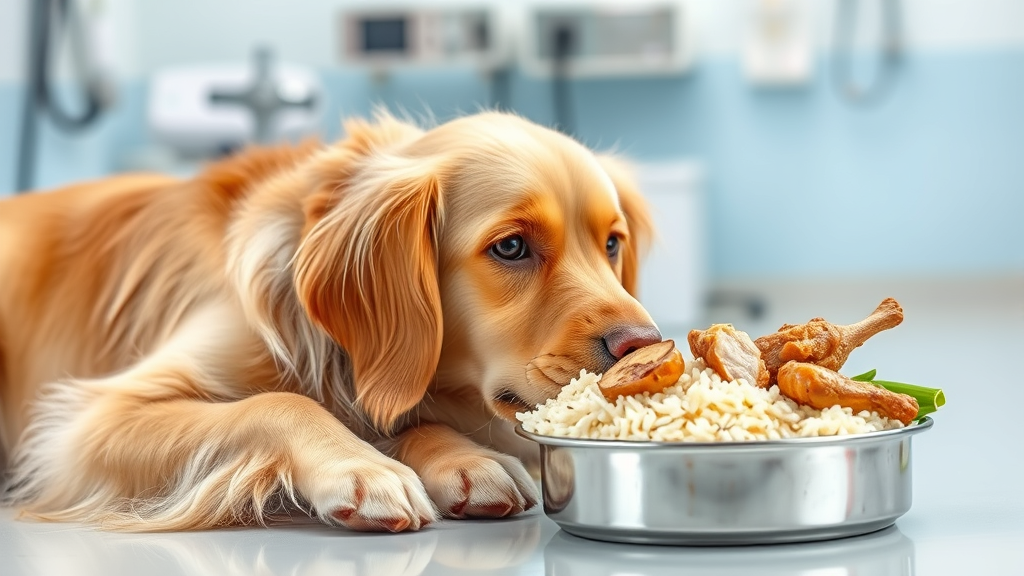
When your beloved canine companion is experiencing digestive distress, finding the right foods to help settle their upset stomach becomes a top priority. Diarrhea in dogs can be both concerning and messy, leaving pet parents wondering what to feed their furry friend to provide relief and promote healing. Understanding the proper dietary approach during these uncomfortable episodes is crucial for your dog’s recovery and overall well-being.
The key to managing canine diarrhea lies in providing easily digestible, bland foods that won’t further irritate an already sensitive digestive system. While occasional loose stools can be normal, persistent diarrhea requires immediate attention to prevent dehydration and identify underlying causes. This comprehensive guide will walk you through the best dietary strategies to help soothe your pup’s tummy and get them back to their happy, healthy self.
Understanding Canine Diarrhea
Diarrhea in dogs manifests as loose, watery, or frequent bowel movements that deviate from their normal stool consistency. This digestive upset can stem from various causes, including dietary indiscretion, stress, infections, parasites, food allergies, or underlying medical conditions. The severity can range from mild, temporary episodes to more serious conditions requiring veterinary intervention.
Acute diarrhea typically lasts less than two weeks and often resolves with proper dietary management and supportive care. Common triggers include sudden diet changes, eating garbage or inappropriate foods, stress from environmental changes, or minor bacterial imbalances. Chronic diarrhea, lasting longer than two weeks, may indicate more serious underlying health issues such as inflammatory bowel disease, food allergies, or parasitic infections.
The primary concern with any episode of diarrhea is dehydration, especially in puppies, senior dogs, or smaller breeds who can lose fluids rapidly. Signs of dehydration include lethargy, dry gums, loss of skin elasticity, and decreased urination. Understanding how to stop diarrhea in dogs through proper nutrition is essential for every pet owner.
The Bland Diet Foundation
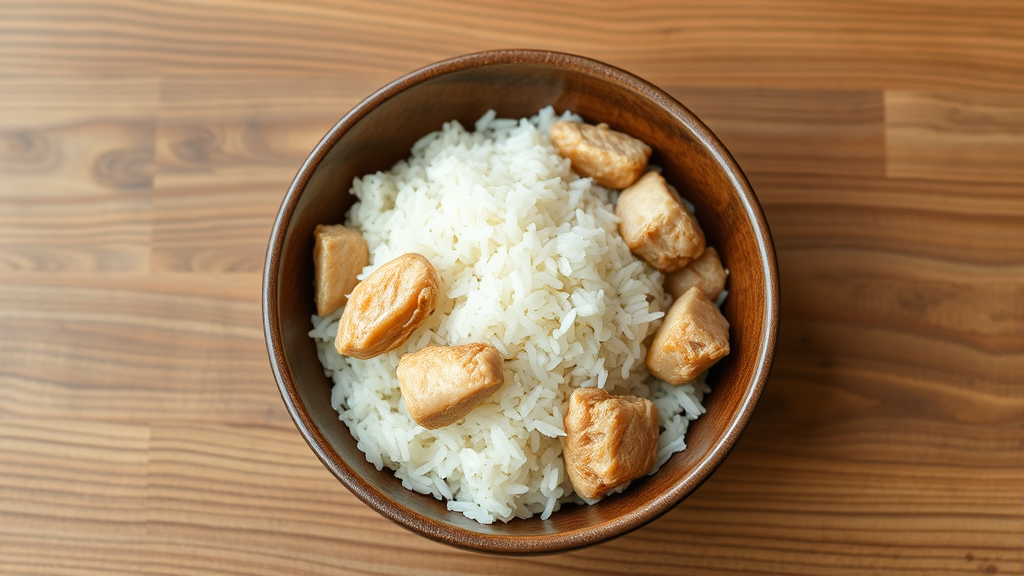
A bland diet serves as the cornerstone of dietary management for dogs experiencing diarrhea. This approach focuses on easily digestible, low-fat foods that provide essential nutrients while minimizing digestive stress. The goal is to allow the intestinal tract to rest and heal while maintaining proper nutrition and energy levels.
The classic bland diet combination consists of boiled white rice paired with a lean protein source, typically boiled chicken breast without skin or bones. This combination provides carbohydrates for energy and easily absorbed proteins for tissue repair. The rice acts as a binding agent to help firm up loose stools, while the chicken provides essential amino acids in a gentle, digestible form.
When preparing a bland diet, always cook ingredients thoroughly without adding seasonings, oils, or spices that could further irritate the digestive system. The American Kennel Club recommends maintaining proper ratios of rice to protein, typically using a 3:1 or 2:1 ratio of rice to chicken. Many pet owners wonder if can dogs eat rice safely, and the answer is yes when prepared properly.
Best Foods for Dogs with Diarrhea
Several specific foods have proven particularly beneficial for dogs recovering from diarrhea. Understanding which options work best can help you create an effective recovery plan for your pet.
White Rice
White rice stands as the most commonly recommended carbohydrate for dogs with digestive upset. Its bland nature and binding properties help absorb excess water in the intestines while providing easily digestible energy. Questions about whether can dogs eat white rice are common, and veterinarians consistently recommend it as a safe, therapeutic food choice. Cook the rice thoroughly with extra water to create a softer consistency that’s gentler on the digestive system.
Boiled Chicken
Skinless, boneless chicken breast provides high-quality protein without excess fat that could worsen digestive symptoms. Remove all visible fat and cook thoroughly by boiling in plain water. Shred the chicken into small, manageable pieces that are easy for your dog to digest and absorb.
Pumpkin
Pure pumpkin puree (not pie filling) contains soluble fiber that helps regulate bowel movements and can firm up loose stools. Many pet owners ask can dogs eat pumpkin, and the answer is absolutely yes. Start with small amounts, approximately one tablespoon per 10 pounds of body weight, mixed into their bland diet.
Sweet Potato
Cooked sweet potato offers similar benefits to pumpkin, providing fiber and nutrients while remaining gentle on the digestive system. Bake or boil sweet potatoes until soft, then mash or cube into appropriate serving sizes.
Bone Broth
Low-sodium bone broth provides hydration, electrolytes, and nutrients while being easy on the stomach. Ensure the broth contains no onions, garlic, or excessive sodium, which could worsen digestive issues.

Foods to Avoid During Digestive Upset
Certain foods can exacerbate diarrhea symptoms and should be completely avoided during recovery periods. Understanding these dietary restrictions is crucial for effective treatment.
High-Fat Foods
Foods high in fat, including fatty meats, dairy products, and processed treats, can worsen diarrhea by stimulating excessive bile production and increasing intestinal motility. Avoid beef, pork, lamb, and any foods containing oils or butter.
Dairy Products
Most adult dogs are lactose intolerant, and dairy products can trigger or worsen digestive upset. Milk, cheese, yogurt, and ice cream should be avoided completely during diarrhea episodes.
High-Fiber Foods
While some fiber is beneficial, excessive amounts from sources like beans, broccoli, or cabbage can increase gas production and worsen loose stools. Stick to easily digestible fiber sources like pumpkin in controlled amounts.
Spicy or Seasoned Foods
Any foods containing spices, seasonings, garlic, onions, or artificial additives can irritate an already sensitive digestive system. Keep all preparations completely plain and unseasoned.
The American Veterinary Medical Association emphasizes avoiding sudden dietary changes during recovery, as these can prolong digestive upset and delay healing.
Proper Feeding Schedule and Portions
The feeding approach during diarrhea recovery differs significantly from normal meal routines. Implementing the correct schedule and portion sizes can dramatically impact recovery speed and effectiveness.
Fasting Period
For adult dogs (not puppies), consider a 12-24 hour fasting period to allow the digestive system to rest. Provide plenty of fresh water during this time to prevent dehydration. Puppies, senior dogs, and dogs with underlying health conditions should not be fasted without veterinary guidance.
Small, Frequent Meals
After the fasting period, introduce the bland diet in small, frequent meals throughout the day. Instead of two large meals, offer four to six smaller portions to reduce digestive stress. This approach helps prevent overwhelming an already sensitive system while maintaining consistent nutrition.
Portion Control
Start with smaller portions than usual, gradually increasing as symptoms improve. A general guideline is to begin with about half the normal food volume, adjusting based on your dog’s response and recovery progress. Understanding how much food should i feed my dog during illness requires careful monitoring and adjustment.
Gradual Transition
Once stools begin to firm up and return to normal consistency, gradually transition back to regular food over 5-7 days. Mix increasing amounts of regular food with the bland diet, reducing the bland diet percentage daily until fully transitioned.
The Critical Role of Hydration
Maintaining proper hydration during diarrhea episodes is absolutely essential for your dog’s health and recovery. Diarrhea causes rapid fluid loss, and dehydration can quickly become life-threatening, especially in vulnerable populations like puppies and senior dogs.
Always ensure fresh, clean water is available at all times. Some dogs may be reluctant to drink when feeling unwell, so consider offering small amounts frequently or adding low-sodium broth to encourage fluid intake. Ice cubes can also provide hydration while being appealing to some dogs.
Monitor for signs of dehydration including dry or sticky gums, loss of skin elasticity (tent test), lethargy, and reduced urination. If you notice these symptoms, contact your veterinarian immediately as intravenous fluid therapy may be necessary.
Electrolyte balance is also crucial during recovery. While plain water is usually sufficient, dogs with severe or prolonged diarrhea may benefit from electrolyte supplements specifically designed for pets. Never give human sports drinks or electrolyte solutions, as these often contain ingredients harmful to dogs.
When to Consult Your Veterinarian
While many cases of mild diarrhea can be managed at home with proper dietary modifications, certain situations require immediate veterinary attention. Recognizing these warning signs can prevent serious complications and ensure your dog receives appropriate medical care.
Seek veterinary care immediately if your dog shows signs of severe dehydration, blood in the stool, persistent vomiting, lethargy, loss of appetite for more than 24 hours, or if diarrhea persists for more than 48 hours despite dietary management. Puppies under six months, senior dogs, and those with underlying health conditions should be evaluated sooner.
Additional concerning symptoms include abdominal pain or bloating, pale gums, difficulty standing or walking, or any signs of distress. Sometimes dogs may experience both digestive upset and vomiting, and understanding why is my dog throwing up can help determine if veterinary intervention is needed.
The PetMD veterinary resource emphasizes that chronic or recurring diarrhea episodes may indicate underlying conditions requiring diagnostic testing and specialized treatment approaches.
Prevention and Long-term Management
Preventing future episodes of diarrhea involves understanding your dog’s triggers and implementing consistent management strategies. Most cases of dietary-induced diarrhea are preventable with proper care and attention to your dog’s specific needs.
Gradual Diet Changes
When switching dog foods, always transition gradually over 7-10 days, mixing increasing amounts of new food with decreasing amounts of old food. This allows the digestive system to adapt to new ingredients and prevents sudden digestive upset.
Consistent Feeding Schedule
Maintain regular meal times and avoid giving table scraps or inappropriate treats that could trigger digestive issues. Consistency in timing and food choices helps maintain digestive health and makes it easier to identify potential triggers.
Quality Food Selection
Choose high-quality dog foods appropriate for your pet’s age, size, and activity level. Foods with limited ingredients can be beneficial for dogs with sensitive stomachs. Some pet owners find success with questions about whether can dogs eat brown rice as a regular diet component, though white rice is generally better for sensitive stomachs.
Stress Management
Environmental stress can trigger digestive upset in sensitive dogs. Maintain consistent routines, provide safe spaces during stressful events, and consider anxiety management strategies for dogs prone to stress-induced diarrhea.
Regular veterinary checkups help identify and address potential health issues before they become serious problems. The Humane Society recommends discussing your dog’s digestive health during routine examinations.
Frequently Asked Questions
How long should I keep my dog on a bland diet?
Most dogs should remain on a bland diet for 2-3 days after their stools return to normal consistency. Then gradually transition back to regular food over 5-7 days. If symptoms persist beyond 48 hours, consult your veterinarian for guidance.
Can I give my dog over-the-counter anti-diarrheal medication?
Never give human medications to dogs without veterinary approval. Some human anti-diarrheal medications can be toxic to dogs or mask serious underlying conditions. Always consult your veterinarian before administering any medications.
Is it normal for my dog to have less energy during diarrhea?
Mild lethargy is common during digestive upset due to dehydration and discomfort. However, severe lethargy, inability to stand, or complete loss of appetite requires immediate veterinary attention as these may indicate serious complications.
Should I continue giving my dog their regular treats during diarrhea?
Discontinue all treats, chews, and non-essential foods during diarrhea episodes. Stick strictly to the bland diet until symptoms resolve completely. Treats can worsen digestive upset and delay recovery.
How much rice should I give my dog with diarrhea?
A general guideline is 1/4 to 1/2 cup of cooked rice per 10 pounds of body weight, mixed with an appropriate amount of lean protein. Many owners wonder can dogs have rice regularly, and while it’s safe, it shouldn’t replace a balanced diet long-term.
Can stress cause diarrhea in dogs?
Yes, stress is a common trigger for digestive upset in dogs. Changes in routine, new environments, loud noises, or separation anxiety can all contribute to diarrhea. Managing stress through consistent routines and calming strategies can help prevent stress-induced digestive issues.
When can I start giving my dog regular food again?
Begin transitioning back to regular food once your dog has had normal, formed stools for at least 24-48 hours on the bland diet. Make the transition gradually over 5-7 days, mixing increasing amounts of regular food with decreasing amounts of bland diet each day.





