

If your pup hasn’t pooped in a day or two, you’re probably starting to worry—and rightfully so. What to give a dog for constipation is one of the most common questions vets hear, and honestly, it’s easier to solve than you might think. Unlike humans who can just grab a laxative from the pharmacy, dogs need a gentler, more thoughtful approach. The good news? Most cases of canine constipation respond beautifully to simple home remedies and dietary tweaks.
Table of Contents
- Understanding Why Your Dog Is Constipated
- Remedy #1: Pumpkin Puree—The Gold Standard
- Remedy #2: Increase Water Intake
- Remedy #3: Add Fiber-Rich Foods to Their Diet
- Remedy #4: Try Goat’s Milk or Probiotics
- Remedy #5: Increase Exercise and Activity
- Remedy #6: Switch to a High-Quality Diet
- Remedy #7: Coconut Oil—A Gentle Lubricant
- Remedy #8: Bone Broth for Hydration and Healing
- Remedy #9: Gentle Abdominal Massage
- When to Call the Vet
- Prevention Tips for Long-Term Success
- Frequently Asked Questions
- Final Thoughts
Before we dive into the solutions, let’s be real: a constipated dog is an uncomfortable dog. They might strain during bathroom time, seem lethargic, or lose interest in their favorite toys. Some dogs even experience loss of appetite when they’re backed up. The causes vary wildly—everything from dehydration and lack of exercise to dietary issues or even something more serious—but the fixes we’re about to cover work for the majority of mild to moderate cases.
Understanding Why Your Dog Is Constipated
Constipation in dogs isn’t random. It’s usually your pup’s body sending an SOS signal. Common culprits include insufficient water intake, a diet too low in fiber, lack of physical activity, or sometimes something as simple as holding it in too long because they’re anxious about going outside. Older dogs and certain breeds (like Bulldogs and Pugs) are more prone to digestive sluggishness. Occasionally, constipation signals something more serious like intestinal blockages, so if your dog hasn’t pooped in 3+ days or shows signs of distress, call your vet immediately.
Remedy #1: Pumpkin Puree—The Gold Standard
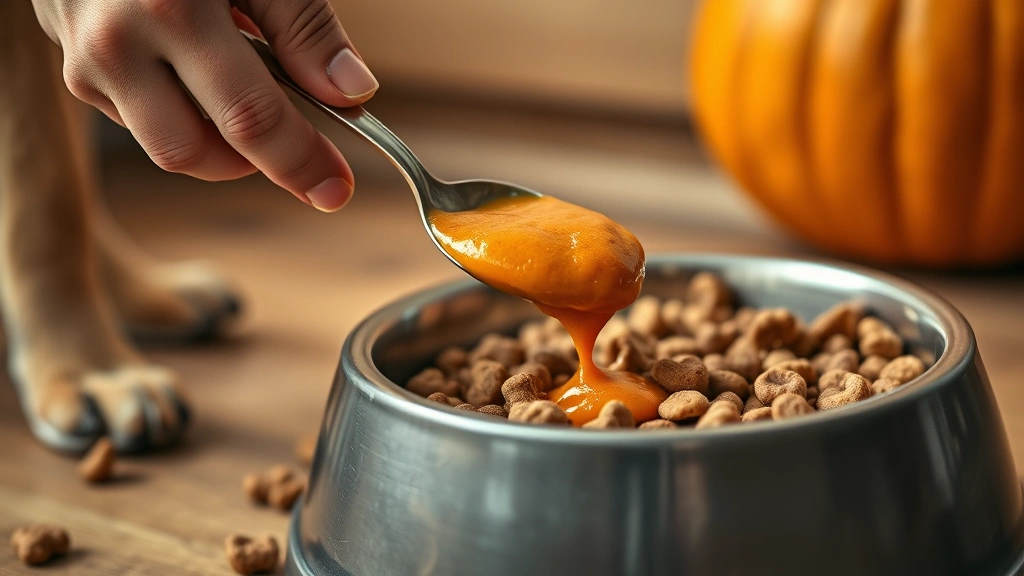
Let’s start with the MVP of dog constipation remedies: mashed pumpkin for dogs. This isn’t pumpkin pie filling (which has sugar and spices)—we’re talking plain, canned pumpkin puree. It’s packed with soluble fiber that absorbs water in the digestive tract, making stools easier to pass. Most vets recommend 1-4 tablespoons mixed into your dog’s regular food, depending on their size. The results? Usually within 24-48 hours. It’s so effective that many holistic vets consider it a first-line remedy before jumping to prescription options.
Remedy #2: Increase Water Intake
Dehydration is the silent killer of healthy digestion. If your dog isn’t drinking enough water, their stool becomes hard and difficult to pass. Try adding a bit of low-sodium broth (chicken or beef) to their water bowl to make it more enticing. Some dogs respond better to running water from a fountain, so if your pup is picky, invest in a dog water fountain. You can also add moisture to their kibble by soaking it in water or broth for a few minutes before serving. This simple fix addresses constipation at its root cause.
Remedy #3: Add Fiber-Rich Foods to Their Diet
While pumpkin is great, it’s not your only fiber option. Sweet potatoes, green beans, and carrots all contain excellent fiber that promotes healthy bowel movements. You can steam these veggies and add them to your dog’s meals. Start slowly—too much fiber too quickly can cause digestive upset. The goal is gradual introduction over a week or two. Salmon and other omega-3 rich foods also support digestive health by reducing inflammation in the gut.
Remedy #4: Try Goat’s Milk or Probiotics
Gut health matters more than people realize. Goat’s milk for dogs contains beneficial probiotics and enzymes that support healthy digestion and can help regulate bowel movements. You can find frozen or powdered goat’s milk at most pet stores. Alternatively, a quality dog probiotic supplement can rebalance your pup’s gut flora and get things moving again. Look for probiotics specifically formulated for dogs—the human versions won’t work the same way.
Remedy #5: Increase Exercise and Activity
Sometimes the answer is as simple as movement. Physical activity stimulates the digestive tract and helps move things along. If your dog has been cooped up inside, try adding an extra walk or playtime session to their daily routine. Even a 15-20 minute walk can make a difference. This is especially important for older dogs or those with limited mobility—even gentle movement helps.
Remedy #6: Switch to a High-Quality Diet
Low-quality kibble full of fillers and artificial ingredients can wreak havoc on digestion. If your dog’s constipation is chronic, it might be time to evaluate their food. Look for high-quality dog food with real meat as the first ingredient and adequate fiber content. Some dogs do better on grain-free formulas, while others need the opposite. If you’re switching foods, do it gradually over 7-10 days to avoid digestive upset.
Remedy #7: Coconut Oil—A Gentle Lubricant
A small amount of coconut oil acts as a natural lubricant for the digestive tract. Give your dog ½ to 1 teaspoon mixed into their food (adjust based on size). The fat content helps soften stool and makes it easier to pass. Don’t overdo it though—too much can cause diarrhea or weight gain. Start small and monitor your pup’s response.
Remedy #8: Bone Broth for Hydration and Healing
Bone broth is basically liquid gold for constipated dogs. It’s hydrating, supports gut health, and tastes delicious to most pups. Add a splash to their water bowl or mix it with their food. The collagen and amino acids in bone broth also help heal and seal the gut lining, which can improve overall digestive function. Just make sure it’s low-sodium and free of onions or garlic.
Remedy #9: Gentle Abdominal Massage
Sometimes your dog just needs a little help getting things moving. Gentle clockwise massage on your dog’s belly can stimulate the colon and encourage bowel movements. Use slow, gentle circular motions for 5-10 minutes. Many dogs find this relaxing, and it can genuinely help. If your dog shows any signs of pain or discomfort during the massage, stop immediately and contact your vet.
When to Call the Vet
Home remedies work for most cases of mild constipation, but some situations require professional intervention. If your dog hasn’t pooped in 3+ days, shows signs of pain, vomiting, loss of appetite, or lethargy, get them to the vet ASAP. These could indicate a blockage or other serious condition. Additionally, if your dog has chronic constipation that doesn’t respond to dietary changes, prescription medications like stool softeners or osmotic laxatives might be necessary. Your vet can also rule out underlying issues like megacolon or anal gland problems.
Prevention Tips for Long-Term Success
The best remedy is prevention. Keep your dog hydrated, ensure they get regular exercise, maintain a high-quality diet with adequate fiber, and schedule regular vet check-ups. Monitor their bathroom habits—knowing what’s normal for your individual dog helps you catch problems early. If your pup is prone to constipation, keep pumpkin puree on hand and consider adding a probiotic supplement to their daily routine. Small preventative measures save you and your dog a lot of discomfort down the road.
Frequently Asked Questions
How long does it take for pumpkin to work on dog constipation?
Most dogs see results within 24-48 hours of starting pumpkin puree. Some respond even faster, within 12 hours. If there’s no improvement after 48 hours, try increasing the amount slightly or combining it with other remedies like increased water intake.
Is it safe to give my dog a laxative meant for humans?
No, absolutely not. Human laxatives can be dangerous for dogs and may contain ingredients toxic to them. Always stick to dog-specific remedies or consult your vet before giving any medication or supplement.
Can constipation in dogs be a sign of something serious?
Yes, while most cases are mild and easily treated, constipation can sometimes indicate serious issues like intestinal blockages, megacolon, or other medical conditions. If constipation persists beyond 3 days or is accompanied by other symptoms, seek veterinary care immediately.
How much pumpkin should I give my dog?
For small dogs (under 15 lbs), start with 1 tablespoon. Medium dogs (15-30 lbs) get 2 tablespoons, and large dogs (over 30 lbs) can have up to 4 tablespoons. Always mix it into their regular food.
What if my dog refuses to drink more water?
Try adding low-sodium broth to their water, investing in a water fountain, or soaking their kibble. Some dogs are pickier about water than others, so finding what works for your individual pup might take a little experimentation.
Can diet changes alone fix my dog’s constipation?
For many dogs, yes. Switching to a higher-quality diet with better fiber content and ensuring adequate hydration solves the problem. However, some dogs with chronic constipation may need ongoing management or medication.
Final Thoughts
Dealing with a constipated dog isn’t fun, but the good news is that most cases respond quickly to simple, natural remedies. Start with understanding your dog’s digestive patterns and then implement changes gradually. Pumpkin puree, increased water intake, more exercise, and dietary improvements form a solid foundation for getting your pup back on track. Remember, constipation is your dog’s way of telling you something needs adjustment. Listen to that signal, make the necessary changes, and watch your furry friend feel better. If home remedies don’t work within a few days or your dog shows concerning symptoms, don’t hesitate to call your veterinarian. They’re your best resource for persistent digestive issues.





