
Nobody likes seeing their furry best friend suffer through digestive drama, and figuring out what to give a dog with an upset stomach can feel like you’re playing veterinary roulette. One minute your pup is their normal, tail-wagging self, and the next they’re making suspicious sounds and giving you those sad, apologetic eyes. The good news? Most doggy tummy troubles aren’t emergencies, and you’ve probably got several solutions sitting in your kitchen right now.
Table of Contents
- Understanding Why Your Dog’s Stomach is Acting Up
- The Bland Diet Approach: Boiled Chicken and Rice
- Pumpkin Puree: The Orange Wonder
- Bone Broth: Liquid Gold for Digestion
- Probiotics and Digestive Enzymes
- Goat’s Milk: The Digestive Superhero
- Scrambled Eggs: Protein Without the Drama
- Rice Water: The Gentle Hydration Solution
- When to Consider Pepto-Bismol (Cautiously)
- Fasting: Sometimes Less is More
- Dietary Adjustments and Prevention
- When to Call Your Vet (This Matters)
- Frequently Asked Questions
- Summary: Keeping Your Pup’s Stomach Happy
Understanding Why Your Dog’s Stomach is Acting Up
Before we dive into remedies, let’s talk about why Fido’s digestive system decided to throw a tantrum. Dogs get upset stomachs for tons of reasons—eating something sketchy from the yard, sudden diet changes, food sensitivities, stress, or just plain old bad luck. Sometimes it’s a viral or bacterial infection. The key is knowing when to treat it at home and when to call your vet (spoiler: if it lasts more than 24-48 hours or involves blood, that’s vet time, friend).
The Bland Diet Approach: Boiled Chicken and Rice
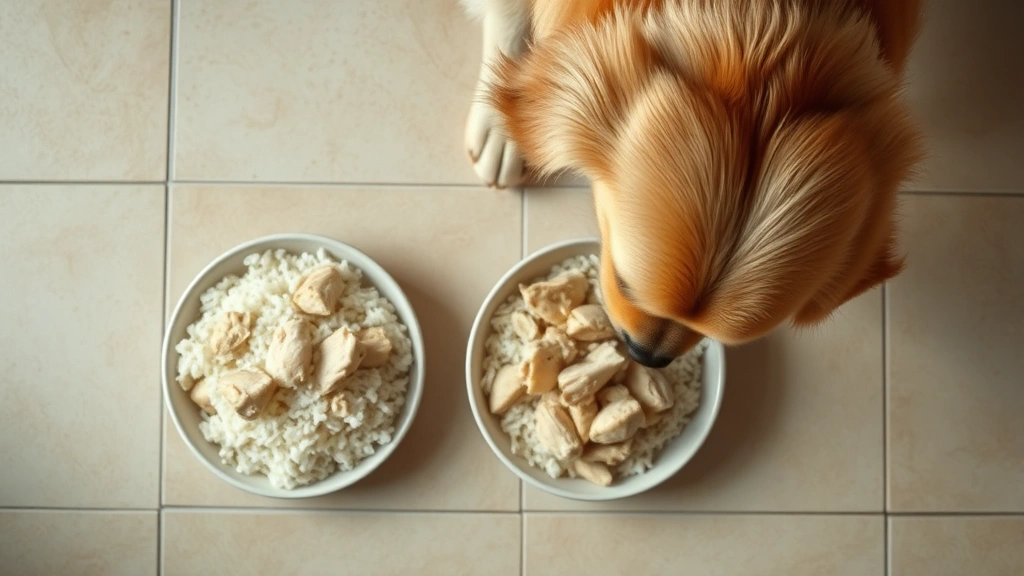
This is the OG remedy that veterinarians have recommended for decades, and honestly? It works. Plain boiled chicken and white rice are the dietary equivalent of a warm hug for an upset stomach. Cook the chicken without any seasoning, salt, or oil, then shred it and mix it with plain white rice in a 1:1 ratio. This combination is easy to digest, gentle on the stomach, and most dogs find it absolutely delicious. Serve it at room temperature, and you can feed smaller portions more frequently (like four times a day instead of two). Stick with this bland diet for 3-7 days before gradually reintroducing their regular food.
Pumpkin Puree: The Orange Wonder
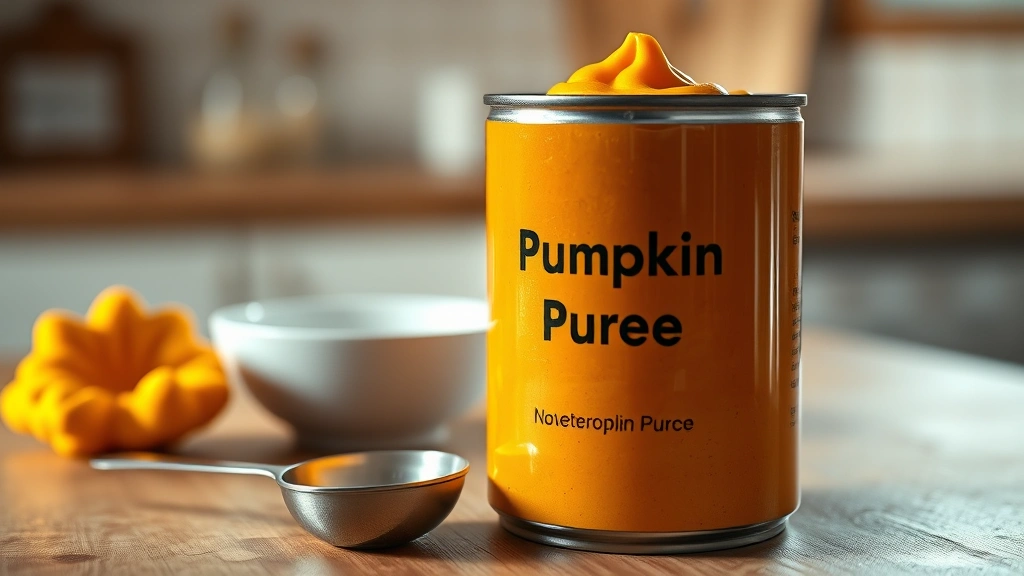
If there’s a superfood for dog digestion, it’s pumpkin. Mashed pumpkin for dogs is loaded with soluble fiber that helps regulate bowel movements, whether your pup is dealing with diarrhea or constipation. The beauty of pumpkin is that it works both ways—it’s basically the Switzerland of dog remedies, staying neutral and helpful regardless of which direction the digestive problem is heading. Use plain pumpkin puree (not pie filling, which has added sugar and spices), and give about 1-4 tablespoons depending on your dog’s size. You can mix it into their food or give it straight up. Most dogs will actually get excited about pumpkin, which is a bonus.
Bone Broth: Liquid Gold for Digestion
Bone broth has become trendy for humans, but dogs have been benefiting from it for ages. This savory liquid is packed with collagen, gelatin, and amino acids that soothe the gut lining and support digestive health. Make it at home by simmering bones (no seasoning!) for 12-24 hours, or buy dog-specific bone broth from pet stores. You can serve it warm as a light meal, pour it over their bland diet, or freeze it into ice cube trays for a cooling treat. Just make sure whatever broth you use has zero garlic, onions, or salt—those are all no-nos for dogs.
Probiotics and Digestive Enzymes
Your dog’s gut is full of bacteria—the good kind that keeps digestion running smoothly. When an upset stomach strikes, those beneficial bacteria sometimes get wiped out. Probiotics repopulate your dog’s gut with healthy microbes, while digestive enzymes help break down food more efficiently. You can find dog-specific probiotic supplements at any pet store, or look for foods containing probiotics. Plain yogurt (unsweetened, no xylitol) can also work in a pinch, though it’s not as concentrated as a probiotic supplement. This is especially helpful if your pup’s tummy troubles follow a round of antibiotics.
Goat’s Milk: The Digestive Superhero
Is goat’s milk good for dogs? Absolutely. This creamy, nutrient-dense liquid is easier to digest than cow’s milk and contains beneficial probiotics and enzymes. Goat’s milk is particularly helpful for dogs with sensitive stomachs because it’s less likely to cause inflammation. You can find frozen or powdered goat’s milk at specialty pet stores. Start with small amounts (a few tablespoons) to see how your dog’s stomach responds, then gradually increase if they tolerate it well.
Scrambled Eggs: Protein Without the Drama
When your dog needs gentle protein that won’t upset their already-touchy digestive system, scrambled eggs are good for dogs and surprisingly easy on the stomach. Cook them without butter, oil, salt, or any seasonings—just plain scrambled eggs. They’re packed with easily digestible protein and contain amino acids that support gut health. Eggs are also less likely to trigger food sensitivities compared to chicken or beef. Mix a few scrambled eggs into their bland rice and chicken mixture, or serve as a standalone meal.
Rice Water: The Gentle Hydration Solution
If your dog is dealing with diarrhea, rice water is your secret weapon. It’s basically the water left over after cooking rice, and it’s incredibly soothing for inflamed digestive tracts. Cook white rice in extra water (about 3 parts water to 1 part rice), then strain out the rice and serve the starchy water at room temperature. It’s hydrating, easy to digest, and provides some calories without being heavy on the stomach. You can also add a pinch of salt-free broth to make it more appealing.
When to Consider Pepto-Bismol (Cautiously)
You might be wondering about over-the-counter medications, and whether Pepto-Bismol is good for dogs. The answer is complicated. While some vets do recommend it for mild stomach upset, Pepto-Bismol contains salicylates (aspirin-like compounds) that can cause issues in certain situations. Never give it without vet approval, especially if your dog is already on other medications or has bleeding disorders. Your vet can recommend safer alternatives like famotidine or other medications specifically designed for dogs.
Fasting: Sometimes Less is More
Here’s something that goes against our instinct to feed our dogs constantly: sometimes a short fast actually helps. If your pup is vomiting or has severe diarrhea, giving their digestive system a break for 12-24 hours can work wonders. During this time, offer only water and maybe some rice water. This gives the stomach and intestines time to heal without processing new food. After the fasting period, reintroduce food gradually with bland options like boiled chicken and rice. Don’t fast a puppy or a dog with certain medical conditions without vet approval.
Dietary Adjustments and Prevention
Once your dog’s stomach settles down, think about what caused the upset in the first place. Did they eat something questionable? Is their regular food causing issues? Sometimes switching to a high-quality, limited-ingredient diet can prevent future problems. Jasmine rice is good for dogs and can be part of a gentle rotation diet if your pup has a sensitive stomach. Avoid sudden diet changes—always transition to new food over 7-10 days by gradually mixing in the new food with the old stuff.
When to Call Your Vet (This Matters)
Home remedies are great for mild upset stomachs, but know your limits. Contact your vet immediately if your dog shows signs of severe distress: vomiting that won’t stop, bloody diarrhea, extreme lethargy, abdominal pain, or loss of appetite lasting more than a day. If your dog is a puppy, senior, or has existing health conditions, err on the side of caution and call sooner rather than later. Your vet can rule out serious conditions like pancreatitis, blockages, or infections that require professional treatment.

Frequently Asked Questions
How long does it take for a dog’s upset stomach to go away?
Most mild cases resolve within 24-48 hours with proper care and a bland diet. However, if symptoms persist beyond 48 hours or worsen, contact your veterinarian. Some conditions require longer treatment periods or professional intervention.
Can I give my dog regular food if they have an upset stomach?
Not immediately. Stick with bland, easily digestible foods like boiled chicken and rice for at least 3-7 days. Gradually reintroduce their regular food by mixing increasing amounts of their normal diet with the bland food over several days.
Is it safe to give my dog over-the-counter antacids?
Never give your dog any medication without veterinary approval. Some human medications are toxic to dogs, and dosages are completely different. Always consult your vet before administering any over-the-counter products.
What foods should I absolutely avoid giving a dog with an upset stomach?
Avoid fatty foods, dairy products (except plain yogurt), high-fiber foods, spicy foods, and anything with artificial sweeteners. Also skip foods containing garlic, onions, chocolate, grapes, or raisins, which are toxic to dogs regardless of stomach issues.
Can stress cause upset stomachs in dogs?
Yes, absolutely. Dogs can develop stress-related digestive issues just like humans. Changes in routine, loud noises, or separation anxiety can all trigger stomach problems. Identify stressors and work on calming techniques if stress seems to be the culprit.
Summary: Keeping Your Pup’s Stomach Happy
Figuring out what to give a dog with an upset stomach doesn’t have to be complicated. Start with the basics: bland diet, pumpkin puree, and plenty of fresh water. Add probiotics or bone broth for extra digestive support. Most importantly, monitor your dog’s symptoms and know when to call your vet. A little patience and the right home remedies can have your furry friend feeling back to normal in no time. And remember, prevention is always easier than treatment—stick with quality food, avoid sudden diet changes, and keep your pup away from suspicious snacks they find in the yard.





