
When your furry best friend is dealing with what to give a dog with diarrhea and vomiting, it’s enough to make any pet parent lose sleep. One minute your pup is their usual goofy self, and the next they’re making a beeline for the bathroom or leaving unpleasant surprises on your favorite rug. It happens to the best of us, and honestly, it’s one of those moments that separates casual dog owners from the truly devoted.
Table of Contents
- Understanding Why Your Dog Has Diarrhea and Vomiting
- The Fasting Protocol: Giving Your Dog’s Digestive System a Break
- Bland Diet Basics: The BRAT Approach for Dogs
- Hydration Matters: Beyond Just Water
- Probiotics and Digestive Supplements: Nature’s Reset Button
- When to Consider Over-the-Counter Medications
- Special Diets for Ongoing Issues: Beyond the Bland Phase
- Red Flags: When Your Dog Needs Immediate Veterinary Care
- The Transition Back to Normal: Taking It Slow
- Prevention: Keeping Future Digestive Drama at Bay
- Frequently Asked Questions
- Conclusion: Bringing Your Pup Back to Normal
The good news? Most cases of diarrhea and vomiting in dogs are temporary and manageable at home. But knowing exactly what to feed your sick pup and when to call the vet can feel like navigating a minefield. That’s where this guide comes in. We’re going to break down everything you need to know about managing your dog’s upset stomach like a pro.
Understanding Why Your Dog Has Diarrhea and Vomiting
Before we jump into solutions, let’s talk about what’s actually happening in your dog’s digestive system. Diarrhea and vomiting aren’t diseases themselves—they’re symptoms of something else going on. Your dog could be dealing with anything from eating something sketchy they found in the backyard to a more serious underlying condition.
Common culprits include dietary indiscretion (fancy vet term for “eating garbage”), food sensitivities, parasites, infections, or sudden diet changes. Sometimes it’s as simple as your pup scarfing down their food too fast. Other times, it might indicate pancreatitis or inflammatory bowel issues that need professional attention.
The key is paying attention to how your dog acts overall. If they’re still their normal goofy self aside from the bathroom troubles, you’ve probably got a mild case. If they’re lethargic, refusing food, or showing signs of dehydration, it’s time to call your vet immediately.
The Fasting Protocol: Giving Your Dog’s Digestive System a Break
Here’s the first thing most vets recommend: fasting. I know it sounds counterintuitive when your dog is sick, but giving their digestive system a break is often exactly what they need. For most dogs, a 12-24 hour fast can work wonders.
During this fasting period, you’re not starving your pup—you’re simply letting their gut rest and recover. Think of it like when you have food poisoning and you don’t immediately jump back to a full meal. Your dog’s stomach needs the same consideration.
Keep water available during the fast, but offer it in small amounts frequently rather than letting them gulp an entire bowl. If your dog is vomiting frequently, even water might need to be limited. In those cases, try offering ice chips or allowing them to lick ice cubes—it’s hydrating without overwhelming their stomach.
Bland Diet Basics: The BRAT Approach for Dogs
After the fasting period, it’s time to introduce bland foods that won’t irritate your dog’s sensitive stomach. The veterinary equivalent of the human BRAT diet (bananas, rice, applesauce, toast) works surprisingly well for dogs too.
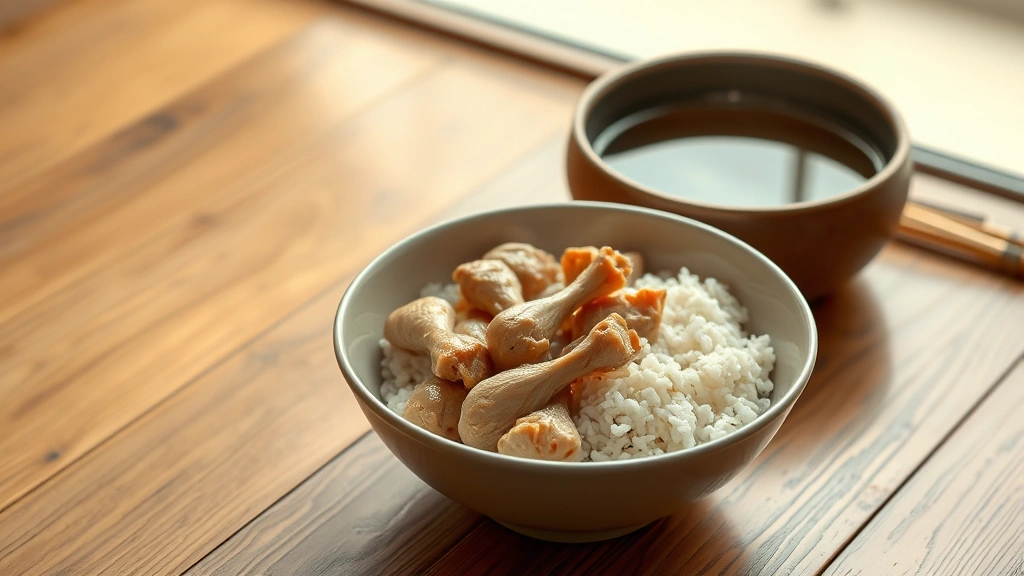
Boiled chicken and white rice is the gold standard here. Cook boneless, skinless chicken breasts without any seasoning, salt, or oil, then shred it and mix it with plain white rice in roughly equal parts. This combination is gentle on the stomach, easy to digest, and actually tastes pretty good to dogs.
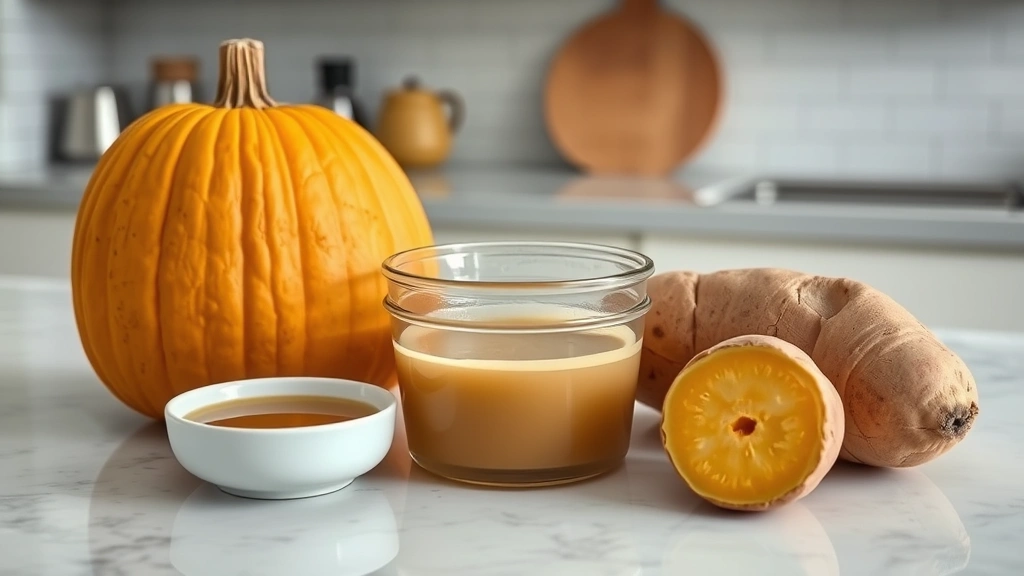
You can also use boiled sweet potato (without the skin) or plain pumpkin puree as alternatives to rice. Some dogs do better with one starch over another, so if the rice isn’t working after a few days, try switching it up. Just remember: no seasoning, no butter, no fancy additions. We’re keeping this boring on purpose.
Hydration Matters: Beyond Just Water
When your dog is dealing with diarrhea and vomiting, they’re losing fluids and electrolytes faster than normal. This is where hydration becomes critical. While plain water is essential, sometimes you need a little extra help.
Bone broth (unsalted and without onions or garlic) can be incredibly helpful because it provides both hydration and some nutrients. You can also try offering diluted electrolyte solutions made specifically for dogs, though plain water is usually sufficient if your dog is drinking regularly.

Watch for signs of dehydration like dry gums, excessive panting, or lethargy. If you notice these symptoms, it’s time to head to the vet. Dehydration in dogs can escalate quickly and become serious.
Probiotics and Digestive Supplements: Nature’s Reset Button
Once your dog’s acute symptoms start improving, probiotics can be a game-changer. These beneficial bacteria help restore balance to your dog’s gut microbiome, which gets disrupted during digestive upset.
Look for probiotics specifically formulated for dogs—human probiotics aren’t ideal for canine digestive systems. You can also add plain, unsweetened yogurt (if your dog tolerates dairy) or use supplements like slippery elm bark, which soothes the digestive tract lining.
Digestive enzymes can also help, especially if your dog has chronic digestive issues. These help break down food more efficiently, reducing the work your dog’s stomach has to do.
When to Consider Over-the-Counter Medications
Sometimes, you might consider medications like Imodium for dogs, but here’s the thing: you really shouldn’t give this without vet approval. While Imodium can help with diarrhea, it can sometimes trap harmful bacteria or toxins in your dog’s system, making things worse.
Your vet might recommend other medications depending on the underlying cause. Some dogs benefit from anti-nausea medication if vomiting is severe. Others might need antibiotics if a bacterial infection is involved. The point is: medications should be prescribed, not guessed at.
Special Diets for Ongoing Issues: Beyond the Bland Phase
If your dog’s digestive troubles seem to be sticking around, it might be time to explore limited ingredient dog food or prescription diets. Some dogs have food sensitivities that cause chronic diarrhea and vomiting.
Common culprits include chicken, beef, wheat, and corn. A limited ingredient diet eliminates these potential triggers, helping you identify what’s actually causing problems. Your vet can recommend prescription options, or you can try commercial limited ingredient diets available at most pet stores.
For dogs with pancreatitis or other serious conditions, low-fat dog food formulated for pancreatitis might be necessary long-term. These specialized diets are designed to prevent future flare-ups and keep your dog’s digestive system happy.
Red Flags: When Your Dog Needs Immediate Veterinary Care
Not all cases of diarrhea and vomiting can be managed at home. If you notice any of these symptoms, skip the home remedies and head straight to your vet:
Blood in vomit or stool, severe lethargy or unresponsiveness, inability to keep any food or water down for more than a few hours, abdominal pain or distension, signs of dehydration, fever, or symptoms lasting more than 48 hours. Also watch for signs of a lethargic dog, which can indicate something more serious is happening.
Puppies, senior dogs, and dogs with pre-existing health conditions should see a vet sooner rather than later. Their systems are more fragile, and what seems minor could escalate quickly.
The Transition Back to Normal: Taking It Slow
Once your dog is on the mend, don’t immediately jump back to their regular diet. Gradual transitions are key to preventing a relapse. Over 7-10 days, slowly mix increasing amounts of their regular food with the bland diet.
Start with 75% bland food and 25% regular food. After a couple of days, move to 50/50. Then 25% bland and 75% regular. Finally, transition completely to their normal diet. This slow approach gives their digestive system time to adjust without shocking it back into upset mode.
Prevention: Keeping Future Digestive Drama at Bay
The best medicine is prevention. Keep your dog away from table scraps, trash, and suspicious items they might find outside. Feed high-quality food appropriate for your dog’s age and health status. Avoid sudden diet changes—if you’re switching foods, do it gradually over 7-10 days.
Regular exercise helps digestion, and managing stress can reduce digestive upset. Some dogs are just prone to sensitive stomachs, and that’s okay. Understanding your individual dog and what triggers their issues is half the battle.
Frequently Asked Questions
How long should I fast my dog with diarrhea and vomiting?
A 12-24 hour fast is typically recommended for dogs with mild to moderate symptoms. However, puppies, senior dogs, or dogs with serious symptoms should see a vet before fasting. Never fast a diabetic dog without veterinary guidance.
Can I give my dog regular food while they have diarrhea?
No, regular food can irritate an already upset digestive system. Stick with bland options like boiled chicken and rice for at least 3-5 days after symptoms resolve before transitioning back to normal food.
Is rice good for dogs with diarrhea?
Yes, plain white rice is excellent for dogs with diarrhea. It’s bland, easy to digest, and helps firm up stool. Brown rice is harder to digest, so stick with white rice during digestive upset.
When should I call the vet for my dog’s diarrhea and vomiting?
Call immediately if symptoms last more than 48 hours, if there’s blood present, if your dog shows signs of severe dehydration or lethargy, or if they can’t keep any food or water down. Don’t wait—it’s better to be safe.
Can I use human probiotics for my dog?
It’s not ideal. Human probiotics contain different bacterial strains than dogs need. Use probiotics specifically formulated for canines for the best results.
Conclusion: Bringing Your Pup Back to Normal
Dealing with what to give a dog with diarrhea and vomiting is never fun, but armed with the right knowledge, you can handle most cases like a pro. Start with fasting, move to bland foods, ensure proper hydration, and watch for warning signs. Most dogs bounce back within a few days with simple home care.
Remember, you know your dog better than anyone. If something feels off or if symptoms aren’t improving, trust your gut and call your vet. There’s no prize for toughing it out at home when professional help is needed. Your pup will be back to their normal goofy self in no time, probably already scheming about what they can eat next.





