
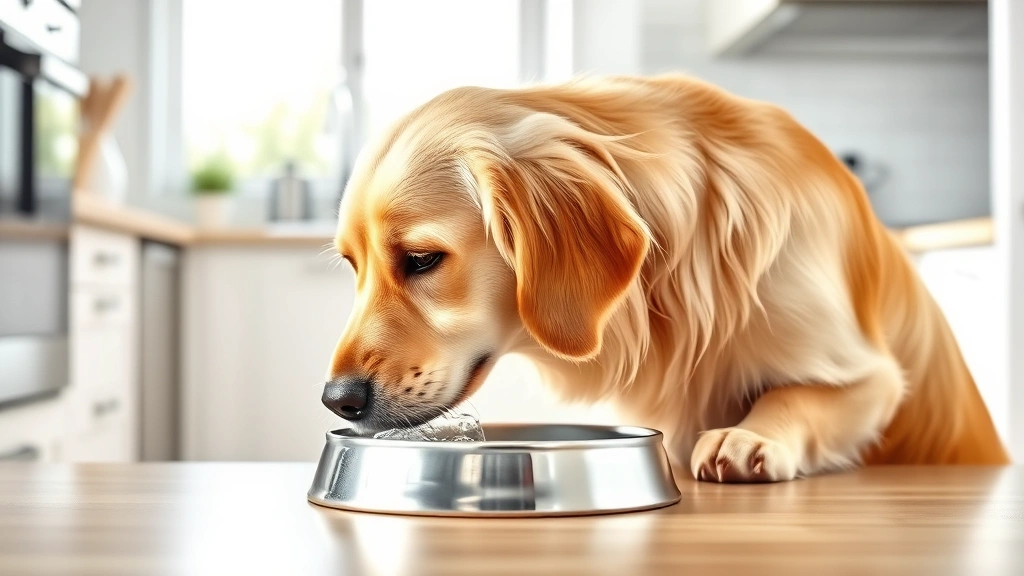
If your furry best friend is struggling with a urinary tract infection (UTI), you’re probably wondering what to give dog for uti that actually works without breaking the bank or causing more stress. UTIs in dogs are more common than you’d think, and the good news? There are several proven remedies and treatment options that can help your pup feel better fast.
Table of Contents
- Understanding Canine UTIs: Why Your Dog Needs Help
- Remedy #1: Antibiotics Prescribed by Your Vet
- Remedy #2: Cranberry Supplements for UTI Prevention
- Remedy #3: Increased Water Intake and Hydration
- Remedy #4: Dietary Support with Healing Foods
- Remedy #5: Probiotics for Urinary and Digestive Health
- When to Rush to the Vet Immediately
- Prevention: Stop UTIs Before They Start
- Working with Your Vet: The Complete Treatment Plan
- Frequently Asked Questions
- Summary: Your Dog’s Path to Recovery
Understanding Canine UTIs: Why Your Dog Needs Help
Before we dive into solutions, let’s talk about what’s actually happening when your dog develops a UTI. A urinary tract infection occurs when bacteria invade the bladder and urethra, causing inflammation and discomfort. Your dog might be experiencing frequent urination, accidents in the house, or straining during bathroom breaks. Some pups even develop bloody urine or foul-smelling pee. It’s not fun for anyone involved, trust me.
The tricky part? UTIs in dogs don’t always show obvious symptoms. Sometimes your pup might just seem a bit off or more lethargic than usual. This is why recognizing the signs early and knowing what to give your dog for a UTI matters so much.
Remedy #1: Antibiotics Prescribed by Your Vet
Let’s start with the most straightforward answer: antibiotics. When your vet diagnoses a UTI, they’ll typically prescribe antibiotics like amoxicillin, cephalexin, or enrofloxacin. These are the heavy hitters that actually eliminate the bacterial infection causing the problem. Your vet will recommend a specific dosage based on your dog’s weight and the severity of the infection.
The key here? Finish the entire course of antibiotics even if your dog seems better after a few days. Stopping early can lead to antibiotic resistance and a recurring infection that’s harder to treat. It’s tempting to stop once your pup bounces back, but stick with the full treatment plan.
Remedy #2: Cranberry Supplements for UTI Prevention
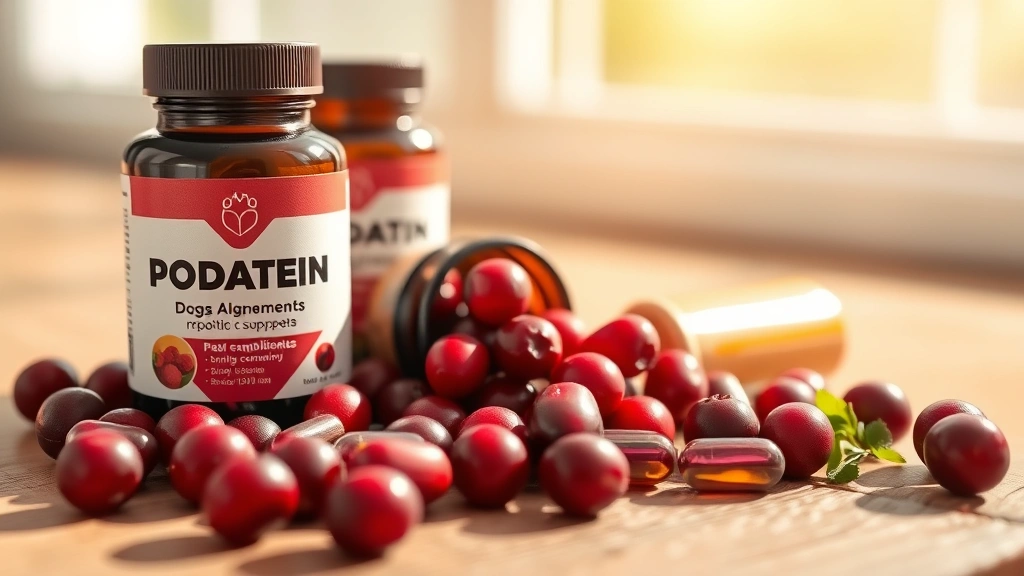
Now we’re talking about one of the most popular natural remedies. Is cranberry good for dogs? Absolutely, especially when it comes to urinary health. Cranberries contain proanthocyanidins, compounds that prevent bacteria from sticking to the bladder walls. This makes cranberry supplements a fantastic preventative measure for dogs prone to UTIs.
You can find cranberry supplements specifically formulated for dogs at most pet stores or online retailers. They come in powder, tablet, or chewable forms. The typical dosage ranges from 500-1000mg daily, depending on your dog’s size. Some pet owners swear by adding pure cranberry juice (unsweetened, no added sugars) to their dog’s water bowl, though the supplement form is more concentrated and effective.
Pro tip: Cranberry works best as a preventative rather than a cure for an active infection. Use it alongside antibiotics prescribed by your vet, not as a replacement.
Remedy #3: Increased Water Intake and Hydration
This might sound almost too simple, but increased water intake is genuinely one of the most effective ways to support urinary tract health in dogs. When your dog drinks more water, they urinate more frequently, which naturally flushes out bacteria from the urinary tract before it can establish an infection.
Encourage your dog to drink more by:
- Providing fresh, clean water throughout the day
- Adding a dog-safe water fountain (many dogs prefer running water)
- Mixing water into their dry kibble to increase moisture content
- Offering wet food or broth-based meals
- Taking more frequent bathroom breaks to allow for regular urination
During a UTI, aim for your dog to urinate at least 4-5 times daily. This frequent flushing action helps clear out the infection naturally while your antibiotics do their job.
Remedy #4: Dietary Support with Healing Foods
What your dog eats plays a significant role in their overall health, including urinary tract function. Is salmon good for dogs? Yes, and it’s particularly beneficial during UTI recovery. Salmon is rich in omega-3 fatty acids, which reduce inflammation and support immune function.
Other dietary additions to consider:
- Pumpkin puree: Mashed pumpkin for dogs provides fiber and promotes healthy digestion, which indirectly supports urinary health
- Rice: Is white rice or brown rice better for dogs? Both work, but brown rice offers more nutrients. Plain rice is easy on the stomach during recovery
- Bone broth: Packed with collagen and amino acids that support bladder lining health
- Lean proteins: Chicken or turkey (unseasoned) help maintain muscle mass during recovery
Always introduce new foods gradually and consult your vet about dietary changes, especially if your dog is on prescription medication.
Remedy #5: Probiotics for Urinary and Digestive Health
Probiotics are beneficial bacteria that support your dog’s gut and urinary tract health. A healthy microbiome actually helps prevent harmful bacteria from colonizing the urinary tract. Look for dog-specific probiotic supplements containing strains like Lactobacillus and Enterococcus.
Probiotics are particularly helpful if your dog is taking antibiotics, as these medications can wipe out beneficial bacteria along with the harmful ones. Starting a probiotic supplement during antibiotic treatment helps maintain a healthy bacterial balance and can reduce the risk of secondary infections or digestive upset.
Most dog probiotics come as powders that mix easily into food, or as chewable treats. The dosage varies by brand, so follow the manufacturer’s recommendations based on your dog’s weight.
When to Rush to the Vet Immediately
While home remedies and supplements are helpful, some situations require immediate veterinary attention. Don’t wait if your dog shows:
- Complete inability to urinate
- Severe abdominal pain or crying while trying to pee
- Blood in urine accompanied by lethargy
- Signs of kidney infection (fever, vomiting, severe lethargy)
- Symptoms that worsen despite treatment
These signs could indicate a more serious condition like kidney stones, bladder obstruction, or a systemic infection that needs professional intervention immediately.
Prevention: Stop UTIs Before They Start
The best remedy is prevention. Here’s how to reduce your dog’s UTI risk:
- Ensure regular bathroom breaks (at least 4 times daily)
- Keep your dog’s genital area clean and dry
- Maintain a healthy weight to reduce urinary tract stress
- Use high-quality dog food with appropriate moisture content
- Consider preventative cranberry supplements for prone dogs
- Schedule regular vet checkups to catch issues early
Female dogs are more prone to UTIs than males due to their anatomy, so female dog owners should be especially vigilant about prevention strategies.
Working with Your Vet: The Complete Treatment Plan
Here’s the honest truth: antibiotics prescribed by your veterinarian are the most reliable treatment for an active UTI. While natural remedies and supplements support recovery, they shouldn’t replace professional medical care. Your vet will likely perform urinalysis and possibly a urine culture to confirm the infection and identify the specific bacteria causing it, ensuring the prescribed antibiotic is effective.
The complete treatment plan usually involves:
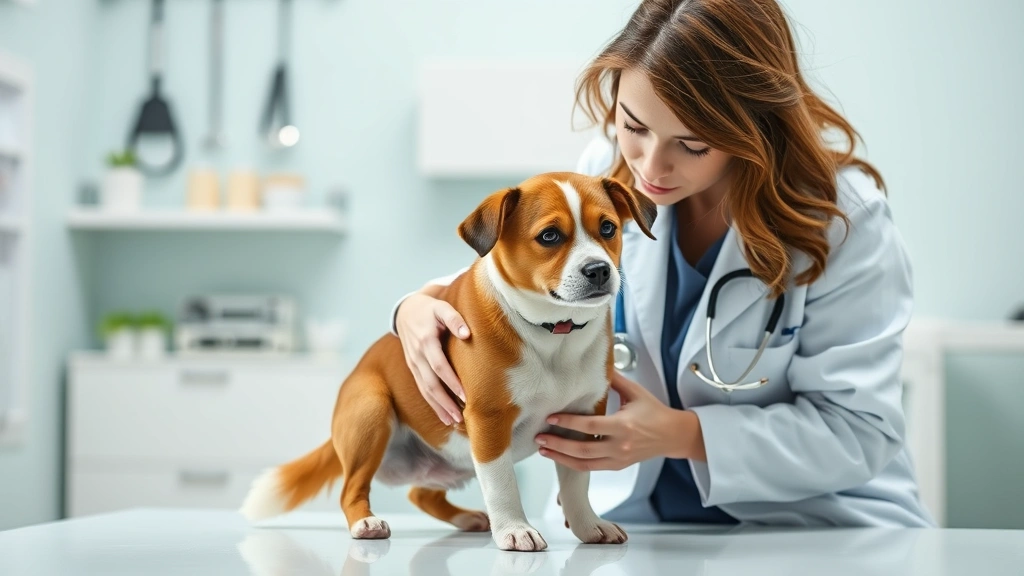
- Antibiotic course (typically 7-14 days)
- Follow-up urinalysis to confirm the infection is cleared
- Supportive care with increased water intake
- Dietary adjustments if needed
- Preventative measures going forward
Don’t skip that follow-up appointment! Some UTIs can be stubborn, and your vet needs to confirm the infection is actually gone before stopping treatment.
Frequently Asked Questions
Can I treat my dog’s UTI at home without antibiotics?
While supportive care like increased water intake, cranberry supplements, and probiotics can help, they shouldn’t replace antibiotics for an active UTI. These remedies work best as preventatives or alongside prescribed medication. An untreated UTI can progress to a kidney infection, which is much more serious. Always consult your vet for proper diagnosis and treatment.
How long does it take for a dog UTI to clear up?
Most UTIs respond well to antibiotics within 3-5 days, though your vet will prescribe a full 7-14 day course to ensure complete elimination of the bacteria. Some dogs show improvement within 24-48 hours of starting antibiotics, but finishing the entire course is crucial to prevent recurrence.
Are certain dog breeds more prone to UTIs?
Female dogs are generally more susceptible to UTIs than males due to their shorter urethra. Additionally, senior dogs, dogs with diabetes, and those with anatomical abnormalities have higher UTI risk. Breeds prone to urinary issues include Dalmatians, Bulldogs, and Shih Tzus, though any dog can develop a UTI.
Is it safe to give my dog cranberry supplements long-term?
Yes, cranberry supplements are generally safe for long-term use as a preventative measure. However, dogs with kidney disease or those on blood thinners should consult their vet first. Always choose supplements specifically formulated for dogs and avoid products with added sugars or artificial sweeteners like xylitol, which are toxic to dogs.
What’s the difference between a UTI and a bladder infection?
A UTI (urinary tract infection) is a broad term that includes infections anywhere in the urinary system—urethra, bladder, ureters, or kidneys. A bladder infection is specifically an infection of the bladder itself, making it a type of UTI. Kidney infections are more serious and require immediate veterinary attention.
Summary: Your Dog’s Path to Recovery
Dealing with your dog’s UTI is stressful, but you now have a solid arsenal of remedies and knowledge to tackle the problem. Remember: antibiotics from your vet are the foundation of treatment, while cranberry supplements, increased water intake, dietary support, and probiotics enhance recovery and prevent future infections.
The key is acting quickly when you notice symptoms, getting professional diagnosis and treatment, and following through with the complete treatment plan. Your vet is your best partner in this process—don’t hesitate to ask questions or report any concerns during treatment.
With the right combination of medical care and supportive home remedies, your furry friend will be back to their normal, happy self in no time. Here’s to many more comfortable bathroom breaks ahead!





