

When your beloved canine companion is struggling with constipation, it can be distressing for both you and your furry friend. Constipation in dogs is more common than many pet owners realize, and recognizing the signs early can help prevent more serious complications. Understanding what to give dogs for constipation is essential for every responsible pet owner, as this digestive issue can cause significant discomfort and potentially lead to more severe health problems if left untreated.
Dog constipation typically occurs when bowel movements become infrequent, difficult, or painful. While occasional irregularity is normal, persistent constipation requires attention and appropriate intervention. The good news is that many safe, effective remedies can be administered at home to help your pup find relief. From dietary adjustments to natural supplements, there are numerous approaches to address this common canine health concern while ensuring your dog’s safety and comfort throughout the process.
Understanding Canine Constipation
Constipation in dogs occurs when the colon absorbs too much water from waste material, resulting in hard, dry stools that are difficult to pass. Normal dogs typically defecate once or twice daily, though this can vary based on size, diet, and individual metabolism. When a dog hasn’t had a bowel movement for more than two days, or when stools are consistently hard and require excessive straining, constipation is likely the culprit.
Several factors can contribute to constipation in dogs, including dehydration, lack of fiber in the diet, insufficient exercise, stress, certain medications, and underlying medical conditions. Older dogs are particularly susceptible due to decreased mobility and potential age-related health issues. Understanding these root causes is crucial for selecting the most appropriate remedies for constipated dogs and preventing future episodes.
The digestive process in dogs differs slightly from humans, making it important to use species-appropriate treatments. Dogs have shorter digestive tracts and different dietary requirements, which means human laxatives and remedies should never be used without veterinary guidance. According to the American Veterinary Medical Association, proper understanding of canine physiology is essential for safe and effective treatment of digestive issues.

Signs and Symptoms to Watch For
Recognizing the early signs of constipation can help you address the issue before it becomes severe. The most obvious indicator is a change in your dog’s normal bowel movement pattern. If your typically regular dog hasn’t defecated in more than 48 hours, constipation is likely developing. Additionally, watch for signs of straining during attempted bowel movements, where your dog may spend extended periods in the defecation position without producing results.
Physical symptoms often accompany constipation and can indicate the severity of the condition. These may include a distended or hard abdomen, loss of appetite, lethargy, and general discomfort. Some dogs may exhibit behavioral changes such as restlessness, whining, or reluctance to move. In severe cases, dogs might experience vomiting, which occurs when the backed-up waste affects the entire digestive system.
Observing your dog’s stools when they do manage to defecate provides valuable information about their condition. Constipated dogs often produce small, hard, pebble-like stools that may be darker than normal. Sometimes, you might notice mucus or small amounts of blood, which can indicate irritation from straining. Learning how to help a constipated dog starts with recognizing these warning signs early.
Safe Dietary Remedies
One of the most effective and safest approaches to treating canine constipation involves dietary modifications and additions. Pumpkin stands out as an exceptional remedy due to its high fiber content and natural digestive properties. Pure pumpkin puree (not pie filling) can be added to your dog’s regular food, typically one to four tablespoons depending on your dog’s size. The fiber helps add bulk to stools while the moisture content aids in easier passage. Many pet owners wonder can dogs eat pumpkin, and the answer is a resounding yes when prepared properly.
Another excellent dietary addition is plain, cooked rice, which can help regulate digestive function. White rice is easily digestible and can help firm up loose stools while also providing gentle bulk for constipated dogs. Rice for dogs should be prepared without any seasonings, oils, or additives. Combining rice with other fiber-rich foods can create a balanced approach to digestive health.
Sweet potatoes offer another fiber-rich option that most dogs find palatable. These can be cooked and mashed, then mixed into regular food. The natural sugars and fiber content help stimulate digestive movement while providing essential nutrients. Similarly, green vegetables like green beans and broccoli can be steamed and chopped into small pieces for easy digestion.
Carrots represent another safe and effective option for adding fiber to your dog’s diet. These vegetables can be served cooked or raw, depending on your dog’s preference and chewing ability. Carrots for dogs provide beta-carotene and fiber while helping to naturally clean teeth during chewing. The American Kennel Club recommends carrots as a healthy, low-calorie treat that can support digestive health.
Hydration and Exercise Solutions
Proper hydration plays a crucial role in preventing and treating constipation in dogs. Dehydration is one of the leading causes of hard, difficult-to-pass stools. Ensuring your dog has constant access to fresh, clean water is fundamental, but some dogs may need encouragement to drink more. Adding a small amount of low-sodium chicken broth to water can make it more appealing, or you can provide wet food to increase overall moisture intake.
Exercise serves as a natural stimulant for digestive function and can be particularly effective for mild constipation cases. Regular walks help stimulate intestinal movement through natural body motion and muscle contractions. The physical activity encourages the digestive system to function more efficiently while also promoting overall health and well-being.
For dogs experiencing constipation, gentle abdominal massage can provide relief when combined with hydration and exercise. Using circular motions on the belly area can help stimulate intestinal movement, but this should be done gently and discontinued if the dog shows signs of discomfort. The Humane Society emphasizes the importance of gentle, consistent care when addressing digestive issues in pets.
Natural Supplements and Additives
Several natural supplements can safely help alleviate canine constipation when used appropriately. Olive oil represents one of the most accessible options, as small amounts can be added to food to help lubricate the digestive tract. However, it’s important to understand the proper dosage and preparation methods when considering whether dogs can have olive oil as a digestive aid.
Psyllium husk, a natural fiber supplement, can be particularly effective for dogs with chronic constipation issues. This soluble fiber absorbs water and creates a gel-like substance that helps soften stools and promote regular bowel movements. The dosage should be carefully calculated based on your dog’s weight, and it must be given with plenty of water to prevent further constipation.
Probiotics can support overall digestive health and may help prevent future constipation episodes. These beneficial bacteria help maintain a healthy gut microbiome, which is essential for proper digestion and regular bowel movements. Many commercial dog probiotics are available, or you can offer small amounts of plain, unsweetened yogurt if your dog tolerates dairy products well.
When to Consult Your Veterinarian
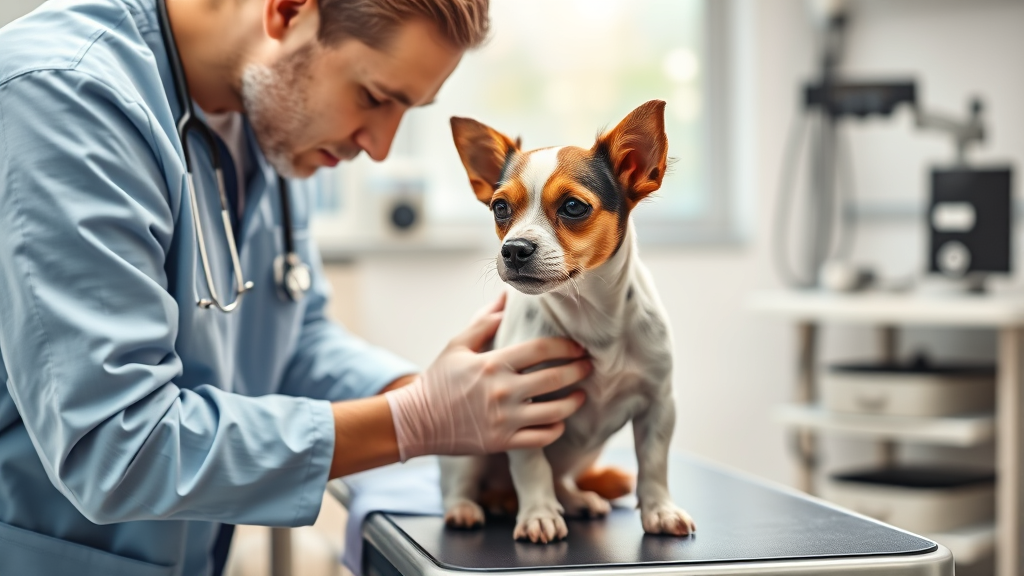
While many cases of mild constipation can be managed at home, certain situations require professional veterinary intervention. If your dog hasn’t had a bowel movement for more than three days despite home treatment efforts, veterinary care is necessary. Similarly, if constipation is accompanied by vomiting, severe lethargy, loss of appetite, or signs of abdominal pain, immediate medical attention is warranted.
Chronic constipation that recurs frequently may indicate underlying health conditions that require diagnosis and treatment. Issues such as enlarged prostate glands, intestinal obstructions, neurological problems, or certain medications can contribute to persistent constipation. A veterinarian can perform necessary tests to identify root causes and develop appropriate treatment plans.
Senior dogs or those with pre-existing health conditions should be monitored more closely for constipation symptoms. Age-related changes in metabolism, mobility, and organ function can increase susceptibility to digestive issues. The AVMA guidelines recommend regular veterinary check-ups for older dogs to prevent and address digestive problems before they become severe.
Emergency situations may arise if constipation leads to complete intestinal blockage or if a dog shows signs of severe distress. Symptoms such as continuous straining without results, bloated abdomen, excessive drooling, or collapse require immediate emergency veterinary care. These situations can become life-threatening without prompt professional intervention.
Prevention and Long-term Management
Preventing constipation is often easier and more effective than treating it after it occurs. Establishing a consistent daily routine that includes regular meal times, exercise periods, and bathroom breaks helps maintain healthy digestive function. Dogs thrive on routine, and consistent schedules support natural biological rhythms that promote regular bowel movements.
Diet plays a fundamental role in preventing constipation, and maintaining an appropriate balance of fiber, protein, and moisture is essential. High-quality commercial dog foods typically provide adequate nutrition, but some dogs benefit from additional fiber sources. Understanding what to give dogs for upset stomach can help address early digestive concerns before they develop into constipation.
Regular grooming, particularly for long-haired breeds, helps prevent excessive hair ingestion that can contribute to digestive blockages. Brushing your dog daily removes loose fur that might otherwise be consumed during self-grooming. Additionally, providing appropriate chew toys and avoiding items that could cause intestinal obstructions supports digestive health.
Weight management is crucial for preventing constipation, as overweight dogs are more prone to digestive issues and may be less active. Regular exercise not only supports healthy weight but also stimulates natural digestive function. The Centers for Disease Control emphasizes the importance of maintaining healthy pet weight for overall well-being.
For dogs with sensitive stomachs or those recovering from digestive upset, knowing what to feed dogs with diarrhea can help maintain digestive balance and prevent swinging between extremes of loose stools and constipation.
Frequently Asked Questions
How long can a dog go without pooping before it becomes dangerous?
Most healthy dogs defecate once or twice daily, and going more than 48-72 hours without a bowel movement is cause for concern. After three days without defecation, veterinary intervention is typically necessary. However, factors like age, size, diet, and overall health can influence this timeline, so it’s important to monitor your individual dog’s normal patterns and consult a veterinarian if you notice significant changes.
Can I give my dog human laxatives or stool softeners?
No, human laxatives should never be given to dogs without veterinary supervision. Many human medications contain ingredients that are toxic to dogs or can cause severe side effects. Dogs have different digestive systems and metabolisms than humans, requiring species-specific treatments. Always consult your veterinarian before administering any medication, and stick to dog-safe natural remedies when treating mild constipation at home.
How much pumpkin should I give my constipated dog?
The amount of pumpkin depends on your dog’s size. Small dogs (under 15 pounds) typically need 1-2 teaspoons, medium dogs (15-35 pounds) can have 1-2 tablespoons, and large dogs (over 35 pounds) may need 2-4 tablespoons. Always use pure pumpkin puree, not pumpkin pie filling which contains harmful spices. Start with smaller amounts and gradually increase if needed, monitoring your dog’s response.
What are the signs that constipation has become a medical emergency?
Emergency signs include continuous unproductive straining for more than 24 hours, vomiting, severe lethargy, loss of appetite, bloated or hard abdomen, excessive drooling, or signs of severe pain. If your dog shows any combination of these symptoms, seek immediate veterinary care. Additionally, if home remedies haven’t provided relief after 2-3 days, professional medical intervention is necessary.
Can certain dog foods cause constipation?
Yes, diet plays a significant role in digestive health. Low-fiber diets, dry kibble without adequate water intake, and foods with poor-quality ingredients can contribute to constipation. Sudden diet changes can also disrupt normal bowel function. High-quality foods with appropriate fiber content, combined with proper hydration, help maintain regular digestive function. If you suspect your dog’s food is causing constipation, consult your veterinarian about suitable dietary alternatives.
Is it normal for senior dogs to experience more constipation?
Senior dogs are indeed more prone to constipation due to several age-related factors including decreased activity levels, reduced muscle tone, medication side effects, and underlying health conditions. However, while more common in older dogs, constipation isn’t a normal part of aging and should still be addressed. Senior dogs may benefit from softer foods, increased fiber, gentle exercise, and more frequent veterinary monitoring to prevent and manage digestive issues.
How can I prevent my dog from becoming constipated again?
Prevention strategies include maintaining a consistent daily routine, ensuring adequate water intake, providing regular exercise, feeding a balanced diet with appropriate fiber content, and managing your dog’s weight. Regular grooming prevents excessive hair ingestion, and avoiding inappropriate chew items reduces obstruction risks. Establishing good bathroom habits and monitoring your dog’s normal patterns helps identify issues early. For dogs prone to constipation, incorporating small amounts of fiber-rich foods like pumpkin into their regular diet can provide ongoing digestive support.





