

What to Give My Dog for Diarrhea: Vet-Approved Solutions
If you’ve ever rushed your furry friend outside at 3 AM because of digestive distress, you know how stressful canine diarrhea can be. One moment your pup is their usual cheerful self, and the next, you’re dealing with bathroom emergencies and worried glances. The good news? Most cases of dog diarrhea are manageable with the right approach, and we’re here to walk you through exactly what to give your dog when their stomach decides to stage a rebellion.
Diarrhea is one of the most common complaints pet owners bring to their veterinarians, but it doesn’t always require expensive treatments or emergency vet visits. By understanding what causes it and knowing which remedies actually work, you can help your four-legged companion feel better faster. Whether it’s a simple dietary adjustment or a specific supplement, we’ve compiled the most effective, vet-approved solutions to get your dog’s digestive system back on track.
Let’s dive into the world of canine gastroenterology and discover how to be your dog’s digestive hero!
Understanding the Causes of Dog Diarrhea
Before you can effectively treat your dog’s diarrhea, it’s important to understand what’s causing it. Diarrhea is a symptom, not a disease itself, which means there are numerous potential culprits behind your pup’s bathroom troubles. The most common causes include dietary indiscretion (fancy term for “eating something they shouldn’t”), sudden food changes, food sensitivities, stress, and infections.
Dietary indiscretion is probably the most frequent offender. Dogs are notorious scavengers, and they’ll eat almost anything—from garbage to grass to that mysterious substance they found in the yard. Sometimes their curiosity leads to mild intestinal upset, while other times it results in full-blown digestive chaos. If your dog recently got into something questionable, that’s likely your answer.
Sudden changes in diet can also trigger diarrhea because your dog’s digestive system needs time to adjust to new foods. Parasites, bacterial infections, and viral infections are other possibilities, especially in younger dogs or those with compromised immune systems. Stress, anxiety, and even changes in routine can contribute to loose stools in sensitive pups.
According to the American Kennel Club, understanding the underlying cause is crucial for proper treatment. That said, for mild cases of diarrhea lasting less than 24 hours without other symptoms, home care is often sufficient.
Dietary Solutions and Home Remedies
When it comes to what to give your dog for diarrhea, dietary adjustments are often the first line of defense. The most famous home remedy is bland food, and there’s solid reasoning behind this approach. A bland diet gives your dog’s digestive system a break from processing complex ingredients while providing easily digestible nutrients.
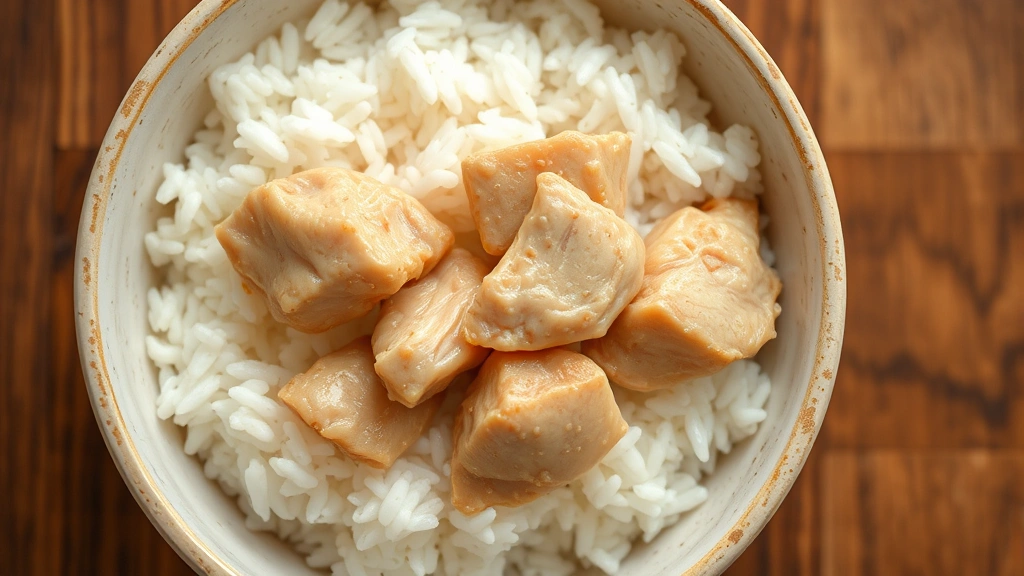
The classic bland diet combination is plain white rice with boiled chicken. This combination is gentle on the stomach and provides protein without added fats or seasonings that might irritate the intestines further. Serve it in small portions—about one-quarter of your dog’s normal meal size—and offer it frequently throughout the day rather than in one large meal. This helps prevent overwhelming the digestive system while keeping your pup nourished.
Another excellent option is pumpkin puree, which has remarkable digestive benefits. Pure pumpkin (not pumpkin pie filling, which contains added sugars and spices) is high in fiber and moisture, making it beneficial for both diarrhea and constipation. A tablespoon or two mixed into their regular food can work wonders. Many vets recommend pumpkin as a first-line treatment because it’s safe, effective, and most dogs actually enjoy it.
Sweet potatoes are another nutritious option that’s gentle on the stomach. You can boil them and serve them plain, or mash them into your dog’s food. They’re packed with vitamins and fiber, making them excellent for digestive health. Some pet owners also swear by bone broth (unsalted and without onions or garlic), which provides hydration and nutrients in an easily digestible form.
Fasting for 12-24 hours is sometimes recommended for mild diarrhea, as it gives the digestive tract time to rest and heal. However, don’t fast puppies, senior dogs, or dogs with other health conditions without consulting your vet first. When you reintroduce food after fasting, start with small portions of bland food and gradually transition back to their normal diet over several days.
Supplements and Probiotics
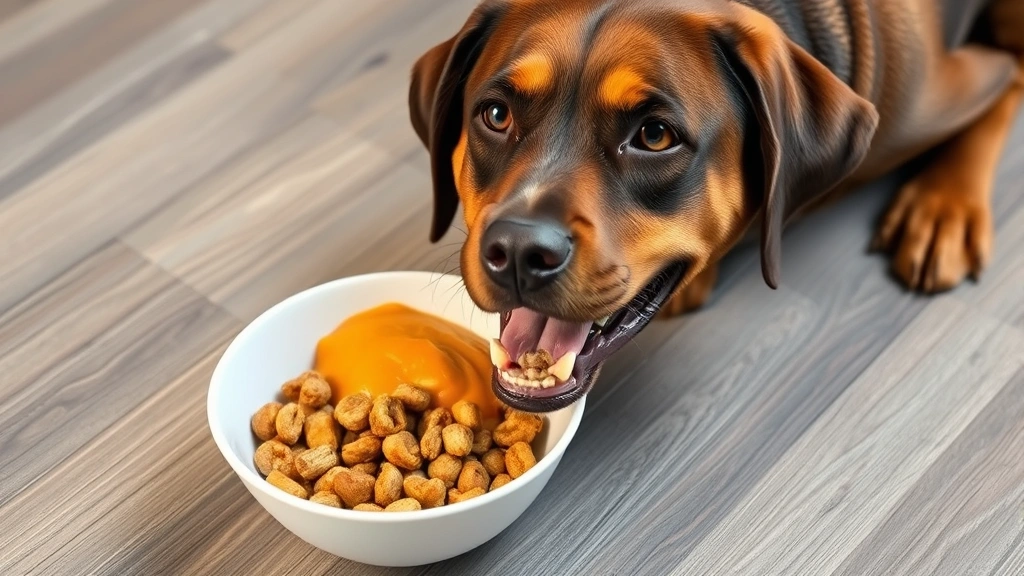
Probiotics have gained significant attention in veterinary medicine for their role in maintaining digestive health. These beneficial bacteria help restore the natural balance of your dog’s gut flora, which can be disrupted by diarrhea, antibiotics, or dietary changes. The ASPCA notes that probiotics can be particularly helpful when diarrhea is caused by antibiotic use or dietary changes.
Look for probiotics specifically formulated for dogs, as human probiotics may not be as effective. Quality matters here—choose products from reputable manufacturers that guarantee the number of live cultures. Popular brands include FortiFlora and Proviable, both of which have veterinary backing. These supplements typically come in powder or capsule form and can be mixed directly into food.
Digestive enzymes are another supplement worth considering. These help break down food more efficiently, reducing the workload on your dog’s digestive system. They’re particularly useful if diarrhea is related to food sensitivities or malabsorption issues. Slippery elm bark is an herbal supplement that soothes the digestive tract lining and is often recommended by holistic veterinarians.
Psyllium husk is a soluble fiber that can help firm up stool and is generally well-tolerated by dogs. However, it’s crucial to provide adequate water when using fiber supplements to prevent blockages. L-glutamine, an amino acid, supports gut lining health and is sometimes used to treat leaky gut syndrome in dogs.
Before adding any supplements to your dog’s regimen, discuss options with your veterinarian. They can recommend products appropriate for your dog’s specific situation and ensure there are no interactions with other medications or health conditions.
When to Consider Medications
For more persistent or severe diarrhea, your veterinarian might recommend medications. Metronidazole (Flagyl) is a common antibiotic prescribed when bacterial overgrowth is suspected. It’s particularly effective against anaerobic bacteria and some parasites. Another frequently prescribed medication is sulfasalazine, which is used for inflammatory bowel conditions.
Antidiarrheal medications like loperamide (Imodium) are available over-the-counter but should only be used under veterinary guidance. These medications can sometimes make certain infections worse by trapping bacteria in the intestines, so professional advice is essential. Your vet will determine whether these medications are appropriate for your dog’s specific situation.
Pancreatic enzymes might be recommended if your dog has exocrine pancreatic insufficiency (EPI), a condition where the pancreas doesn’t produce enough digestive enzymes. Medications to reduce gastric acid, such as famotidine, might help if acid reflux is contributing to the problem.
The key is that medications are typically used alongside dietary management, not as a replacement for it. Your veterinarian will create a comprehensive treatment plan tailored to your dog’s needs.
Feeding Schedule and Prevention
Once your dog has recovered from diarrhea, establishing a consistent feeding schedule is crucial for prevention. Dogs thrive on routine, and regular feeding times help regulate their digestive system. Most adult dogs do well with two meals per day, though some benefit from three smaller meals.
When transitioning your dog back to their regular food after diarrhea, do it gradually over 7-10 days. Start with 75% bland food and 25% regular food, then adjust the ratio every couple of days until you’ve completely transitioned. This slow approach prevents a relapse and allows the digestive system to adjust.
Consider your dog’s diet quality overall. High-quality, easily digestible foods tend to result in fewer digestive issues. Look for foods with named meat proteins as the first ingredient and minimal fillers. If your dog has recurring diarrhea, they might benefit from a limited ingredient diet or food formulated for sensitive stomachs. Consult with your vet about whether specific dietary recommendations might help prevent future episodes.
Hydration is absolutely critical. Make sure your dog always has access to fresh, clean water. Diarrhea causes fluid loss, and dehydration can quickly become serious. If your dog isn’t drinking normally, this is a sign to contact your veterinarian.
Avoid table scraps and human foods that are toxic to dogs or commonly trigger digestive upset. Foods like dairy products (many adult dogs are lactose intolerant) and high-fat foods are common culprits. If you want to give your dog treats, stick with dog-appropriate options. Some people use plain yogurt as an occasional treat, which provides probiotics, though it should be introduced cautiously.
Warning Signs That Require Vet Care
While many cases of diarrhea resolve with home care, certain situations demand professional veterinary attention. If your dog’s diarrhea persists for more than 48 hours despite dietary management, schedule a vet appointment. Similarly, if diarrhea is accompanied by vomiting, lethargy, loss of appetite, or abdominal pain, seek veterinary care promptly.
Blood or mucus in the stool is another red flag. While small amounts of mucus can be normal, significant amounts or blood indicate a more serious problem. Bloody diarrhea could indicate parasites, bacterial infections, inflammatory bowel disease, or other concerning conditions that require professional diagnosis.
Puppies and senior dogs are more vulnerable to serious complications from diarrhea and should be evaluated by a vet sooner rather than later. The same goes for dogs with pre-existing health conditions or those taking medications. If your dog shows signs of dehydration—like dry gums, sunken eyes, or excessive panting—this is an emergency requiring immediate veterinary care.
If diarrhea is accompanied by fever, difficulty defecating, straining, or signs of pain, don’t wait—contact your vet. These symptoms suggest something more serious than simple dietary upset. Your veterinarian might recommend diagnostic testing like fecal examinations, blood work, or imaging to identify the underlying cause.
According to UC Davis School of Veterinary Medicine, early intervention for concerning symptoms often leads to better outcomes. Trust your instincts—you know your dog best, and if something feels wrong, it’s worth getting professional input.
Frequently Asked Questions
How long does it take for dog diarrhea to resolve?
Most cases of mild diarrhea resolve within 24-48 hours with appropriate dietary management. However, if it persists beyond two days or is accompanied by other symptoms, veterinary evaluation is necessary. Some underlying conditions require ongoing management and take longer to resolve completely.
Is it safe to use over-the-counter anti-diarrheal medications for dogs?
Over-the-counter medications like loperamide should only be used under veterinary guidance. These medications can sometimes trap bacteria in the intestines and worsen certain infections. Your vet will determine whether these medications are appropriate for your dog’s specific situation.
Can stress cause diarrhea in dogs?
Yes, stress and anxiety can definitely trigger diarrhea in sensitive dogs. Changes in routine, new environments, loud noises, or household stress can all contribute to digestive upset. If stress is a factor, focus on maintaining consistency and creating a calm environment for your pup.
Should I fast my dog if they have diarrhea?
Fasting for 12-24 hours can be helpful for mild diarrhea in healthy adult dogs, as it gives the digestive tract time to rest. However, don’t fast puppies, senior dogs, or dogs with health conditions without consulting your vet first. Always reintroduce food gradually.
What’s the difference between acute and chronic diarrhea?
Acute diarrhea comes on suddenly and typically lasts less than two weeks, often caused by dietary indiscretion or minor infections. Chronic diarrhea lasts more than two weeks and suggests an underlying condition like inflammatory bowel disease, food allergies, or parasites that requires veterinary investigation.
Can I give my dog their regular food with added pumpkin?
Yes, adding pumpkin to regular food is often effective for mild diarrhea. Start with a tablespoon for small dogs or up to three tablespoons for large dogs, mixed into their food. However, if your dog’s diarrhea is severe, it’s better to start with a bland diet before gradually reintroducing regular food.
How do I know if my dog is dehydrated from diarrhea?
Signs of dehydration include dry gums, sunken eyes, excessive panting, lethargy, and loss of skin elasticity (when you gently pull the skin up, it doesn’t spring back quickly). If you suspect dehydration, contact your veterinarian immediately, as this can become serious quickly.
Are there dog foods specifically formulated for digestive health?
Yes, many premium dog food brands offer digestive health formulas that are easier to digest and often include probiotics or fiber. These can be helpful for dogs prone to diarrhea. Discuss options with your veterinarian to find the best fit for your dog’s needs. Check out additional strategies for stopping diarrhea in dogs for more comprehensive information.





