
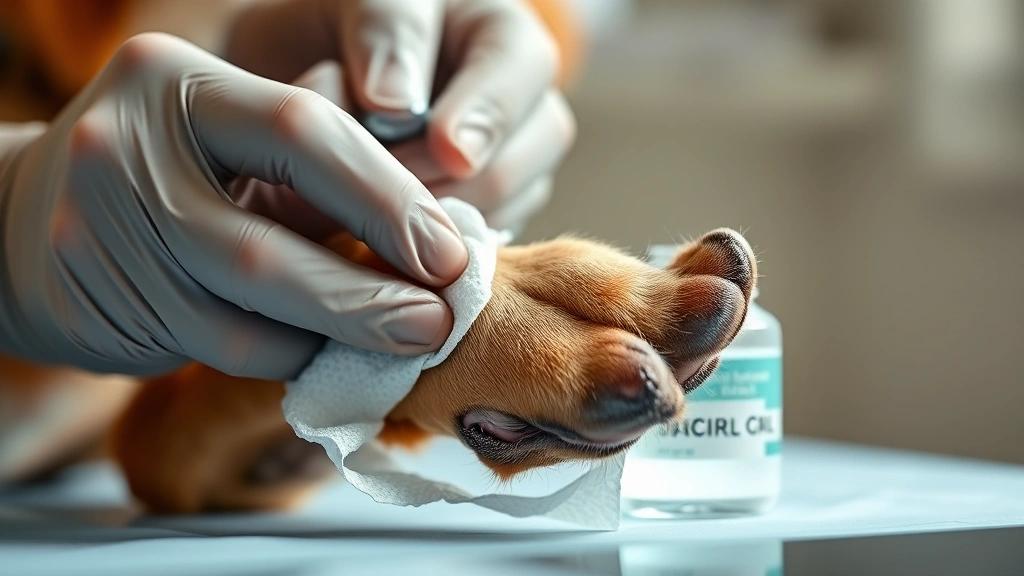
So your furry best friend got a cut, and now you’re standing there like a concerned parent wondering what to put on a dog cut without making things worse. Don’t panic—I’ve got you covered. Whether it’s a minor scrape from roughhousing with another pup or a deeper wound from an unfortunate encounter with a sharp object, knowing the right first aid steps can make all the difference in your dog’s recovery.
Table of Contents
- Understanding Dog Cuts and Wounds
- The First Steps: Cleaning Your Dog’s Wound
- Saline Solution: The Gold Standard for Dog Cuts
- Hydrogen Peroxide and Chlorhexidine: When to Use Them
- Antibiotic Ointments: Your Healing Sidekick
- Bandaging and Protection Strategies
- Natural Remedies: What Actually Works
- When to Call the Vet: Red Flags You Can’t Ignore
- Preventing Infection and Monitoring Progress
- Special Considerations for Different Wound Types
- Building Your Dog First Aid Kit
- Frequently Asked Questions
- Conclusion: You’ve Got This
Understanding Dog Cuts and Wounds
Before we dive into the treatment arsenal, let’s talk about what we’re dealing with. Dog cuts vary wildly in severity, from superficial scratches that barely break the skin to deeper lacerations that need immediate veterinary attention. The key is figuring out which category your pup’s injury falls into. A minor cut might be something you can handle at home, while a deep wound or one that won’t stop bleeding definitely needs a vet’s expertise. Think of it like this: if you wouldn’t put a Band-Aid on it for yourself, your dog probably needs professional help too.
The First Steps: Cleaning Your Dog’s Wound
The absolute first thing you need to do when treating what to put on a dog cut is clean it properly. Grab some lukewarm water and gently rinse the wound to remove dirt, debris, and any bacteria hanging around. Use a clean cloth or gauze—not your dirty kitchen towel—and be gentle because your pup is already uncomfortable. If the cut is dirty or contaminated, you might consider using a mild antiseptic solution, but we’ll get into specifics in a moment. The goal here is to see exactly what you’re working with without causing additional pain or stress.
Saline Solution: The Gold Standard for Dog Cuts
When it comes to what to put on a dog cut, saline solution is basically the MVP of wound care. It’s gentle, effective, and won’t sting like hydrogen peroxide (which we’ll talk about next). Saline mimics your dog’s natural body fluids, making it perfect for flushing out wounds without disrupting the healing process. You can grab sterile saline solution at any pharmacy—it’s the same stuff used for contact lenses. Just pour it over the wound and let it do its thing. If you’re in a pinch and don’t have saline on hand, you can make your own by mixing one teaspoon of salt with one cup of boiled, cooled water. Easy peasy.
Hydrogen Peroxide and Chlorhexidine: When to Use Them
Here’s where things get slightly controversial in the dog-owning community. Hydrogen peroxide can work for cleaning wounds, but it’s not ideal for dogs because it can damage healthy tissue and actually slow healing if overused. That said, a single application of 3% hydrogen peroxide can help remove debris from deeper wounds. The fizzing action is actually useful for getting stuff out of there. Chlorhexidine is another option—it’s an antiseptic that’s gentler than hydrogen peroxide and won’t damage tissue as much. Dilute it according to the instructions, and you’ve got yourself a solid wound cleaner. Just remember: these are for initial cleaning, not ongoing care.
Antibiotic Ointments: Your Healing Sidekick
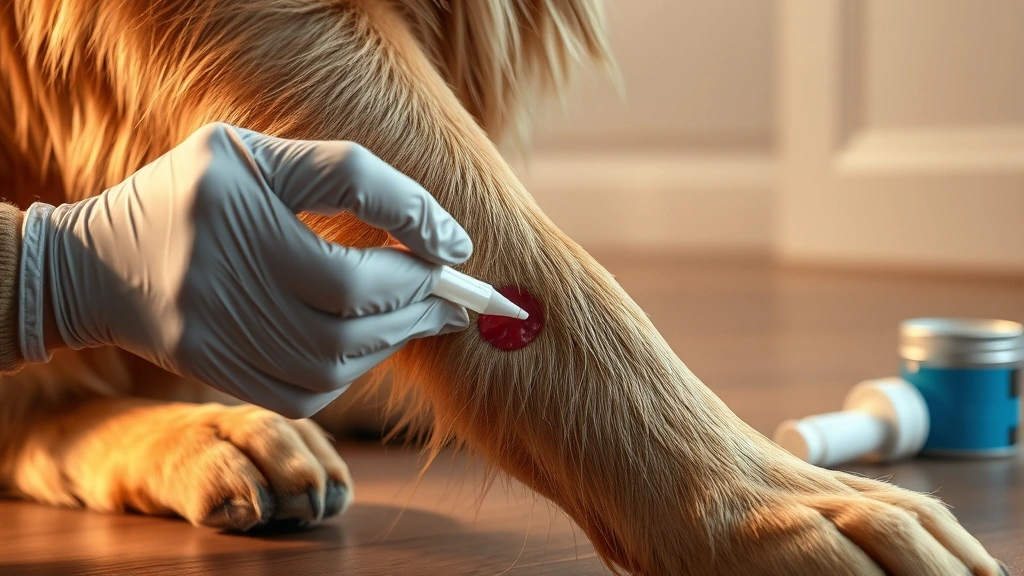
Once you’ve cleaned the wound, antibiotic ointments become your best friend. Neosporin (triple antibiotic ointment) is the classic choice and works great for dogs, assuming they don’t immediately try to lick it all off. Apply a thin layer directly to the cut—you don’t need much. Bacitracin is another solid option if your dog happens to be sensitive to neomycin (one of the three antibiotics in Neosporin). These ointments create a barrier that keeps bacteria out and moisture in, which is exactly what you want for optimal healing. Just make sure whatever you use is labeled as safe for dogs or at least doesn’t contain any harmful ingredients.
Bandaging and Protection Strategies
After applying your antibiotic ointment, you might need to bandage the wound depending on its location and severity. For small cuts on less-lickable areas, you might skip the bandage entirely. But for cuts on the paw, leg, or anywhere your dog can reach with their tongue, a protective bandage is essential. Use sterile gauze and secure it with veterinary tape—regular tape can stick to fur and cause problems. If your dog is the Houdini of bandage removal, you might need to get creative with a cone collar (the dreaded cone of shame) to prevent them from licking and reopening the wound. Trust me, a few days of cone time is better than dealing with an infected wound.
Natural Remedies: What Actually Works
Now, I know some of you are thinking about natural options, and I respect that. Epsom salt is safe for dogs and can be used in a warm soak to promote healing and reduce inflammation, especially for paw wounds. Just dissolve it in warm water and let your pup soak for 5-10 minutes. Honey, particularly raw or Manuka honey, has legitimate antimicrobial properties and can be applied topically to wounds. However, don’t go overboard with home remedies—sometimes the simplest, science-backed approach is the best approach.
When to Call the Vet: Red Flags You Can’t Ignore
Here’s the real talk: some cuts require professional veterinary care, no matter how confident you feel about your first aid skills. If the wound is deeper than a quarter inch, won’t stop bleeding after 10 minutes of pressure, shows signs of infection (increased redness, swelling, discharge, or warmth), or is on your dog’s face or near their eyes, get to the vet. Also, if your dog was bitten by another animal or stepped on something rusty, you’re looking at potential infection or tetanus concerns. Keeping your dog’s vaccinations current is crucial for preventing infections after injuries. Don’t be a hero—when in doubt, call your vet.
Preventing Infection and Monitoring Progress
Once you’ve treated the initial wound, your job isn’t over. Check the cut daily for signs of infection like increased swelling, pus, a foul smell, or your dog acting lethargic. Keep the area clean and dry, and reapply antibiotic ointment as needed. If your dog is obsessively licking or chewing at the wound, that’s a sign you need intervention—whether that’s a bandage, a cone, or a vet visit. Infection can turn a minor cut into a serious problem fast, so stay vigilant. Most minor cuts should show improvement within 3-5 days; if they’re not healing, that’s your cue to get professional help.
Special Considerations for Different Wound Types
Paw cuts are particularly tricky because dogs are constantly using their paws and getting them dirty. For paw wounds, avoiding activities like chewing on sticks that could cause puncture wounds is preventative wisdom. Puncture wounds from stepping on something sharp are especially concerning because the entry point is small but the wound might be deep—these almost always need veterinary attention. Cuts between the toes or on the pad itself are also more prone to infection because of the moisture and bacteria in that area. Facial cuts near the eyes or nose should always be evaluated by a vet, even if they seem minor, because of the risk of scarring or complications.
Building Your Dog First Aid Kit
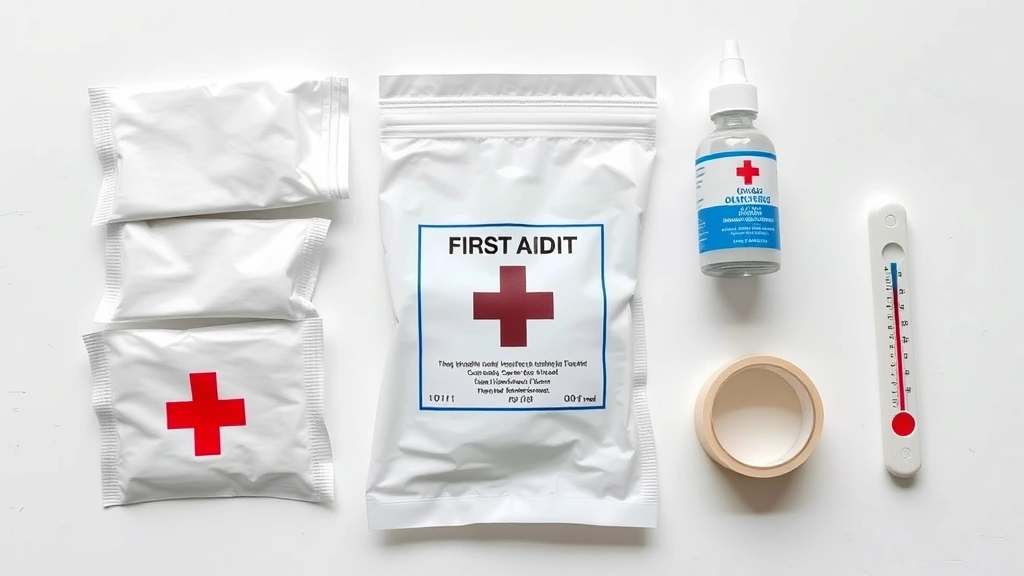
Being prepared means having the right supplies on hand before disaster strikes. Stock your dog first aid kit with sterile gauze pads, veterinary tape, saline solution, antibiotic ointment, tweezers (for splinters), a thermometer, and a cone collar. Add some elastic bandages for sprains, non-stick gauze pads, and a pair of scissors. Keep your vet’s number and the nearest emergency vet clinic’s number easily accessible. Honestly, having these supplies ready means you can respond quickly and calmly instead of frantically searching the internet while your dog bleeds on the carpet.
Frequently Asked Questions
Can I use human antibiotic ointment on my dog?
Yes, basic antibiotic ointments like Neosporin are generally safe for dogs when applied topically in small amounts. Just make sure your dog doesn’t ingest large quantities, and avoid products with pain relievers or other additives that might be harmful. If your dog has sensitive skin or you’re unsure, check with your vet first.
How long does it take for a dog cut to heal?
Minor cuts typically heal within 3-7 days with proper care. Deeper wounds might take 2-3 weeks or longer, depending on the severity. Factors like your dog’s age, overall health, and how well you prevent infection all affect healing time.
Should I use a cone collar for every cut?
Not necessarily. Small cuts on areas your dog can’t easily reach might not need a cone. However, if your dog is obsessively licking or chewing at the wound, a cone becomes essential to prevent reopening and infection. Better safe than sorry with this one.
Is it normal for a dog cut to swell after treatment?
Some minor swelling is normal as the body’s inflammatory response kicks in. However, if swelling increases significantly over a few hours or is accompanied by redness and warmth, that suggests infection and warrants a vet visit.
Can I bathe my dog if they have a cut?
Keep the wound dry and clean, so avoid full baths until the cut has scabbed over. If you must bathe your dog, protect the wound with waterproof bandaging and keep water away from it. Once it’s fully healed, normal bathing is fine.
What’s the difference between a cut that needs stitches and one that doesn’t?
Generally, if the wound edges are gaping open, the cut is longer than half an inch, or it’s actively bleeding heavily, stitches might be necessary. Your vet can determine this during an examination. Stitches help wounds heal faster and with less scarring.
Conclusion: You’ve Got This
Knowing what to put on a dog cut empowers you to handle minor injuries confidently while recognizing when professional help is necessary. The foundation is simple: clean the wound with saline solution, apply an antibiotic ointment, protect it from further contamination, and monitor for infection. Keep your dog first aid kit stocked, stay calm when injuries happen, and don’t hesitate to call your vet if something seems off. Your dog depends on you to make the right call, and most of the time, that means balancing home care with professional expertise. With these tools and knowledge in your arsenal, you’re ready to be the hero your pup needs when accidents happen.





