
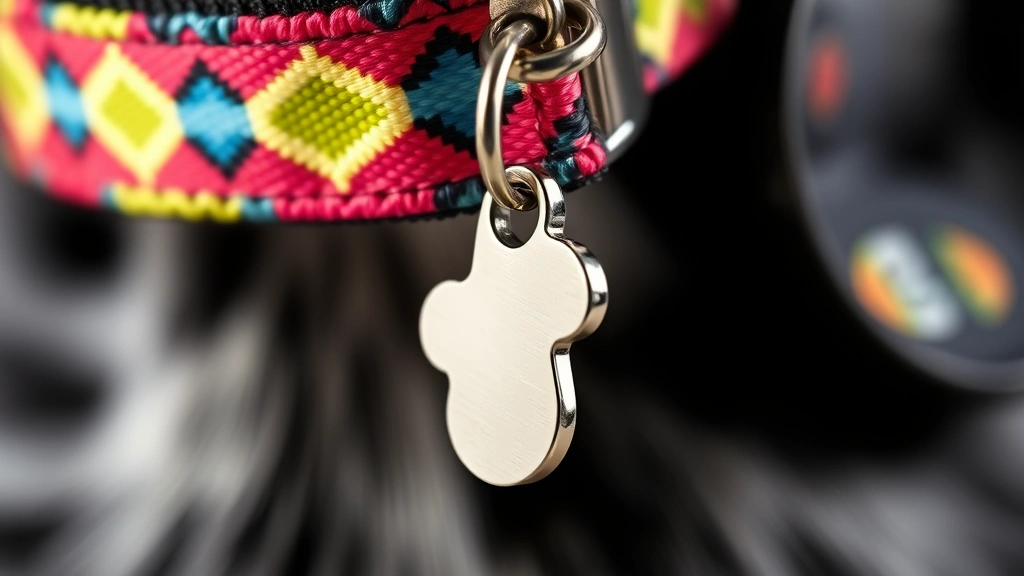
Knowing what to put on dog tag might seem like a no-brainer, but you’d be shocked how many pet parents slap their pup’s name on there and call it a day. Your dog’s tag is literally a tiny billboard that could be the difference between Fido coming home or becoming a permanent resident at the shelter. Let’s talk about what actually matters on that little metal disc dangling from your dog’s collar.
Table of Contents
- Why Your Dog Tag Is More Important Than You Think
- The Must-Have: Your Phone Number
- Your Dog’s Name: The Personal Touch
- Your Address: Location, Location, Location
- Consider a Secondary Phone Number
- Your Veterinarian’s Information
- What NOT to Put on Your Dog Tag
- Formatting Tips for Maximum Readability
- Digital Tags and QR Code Options
- Keeping Your Tag Information Current
- The Backup Plan: Microchipping
- Special Considerations for Different Situations
- Budget-Friendly Tag Options
- Frequently Asked Questions
- Final Thoughts: Your Dog’s Safety Starts With a Tag
Why Your Dog Tag Is More Important Than You Think
Here’s the thing: your dog tag is your dog’s first line of defense when they escape the yard, slip out the front door, or decide to go on an unauthorized neighborhood adventure. Unlike a microchip (which requires a scanner to read), a tag is immediately visible and readable to anyone who finds your pup. It’s the fastest way to get your furry friend back home. When you’re choosing what to put on a dog tag, remember you’re essentially writing a message to a stranger who might be holding your beloved pet.
The American Kennel Club (AKC) emphasizes that identification tags are crucial for lost pet recovery, and studies show that dogs with visible ID tags have a significantly higher return-to-owner rate than those without.
The Must-Have: Your Phone Number
This is non-negotiable. Your phone number should be the primary piece of information on your dog’s tag. Seriously, make it big and legible if possible. When someone finds your dog, they’re not going to play detective—they’re going to call the number on the tag. Include your full 10-digit phone number with the area code. If you have a cell phone, that’s ideal since you’ll have it with you wherever you go. Consider adding a second emergency contact number on the back of the tag, just in case you’re unreachable.

Your Dog’s Name: The Personal Touch
Your dog’s name belongs on the tag because it serves two purposes. First, it humanizes your pup to whoever finds them—suddenly Fido isn’t just “some dog,” he’s someone’s beloved pet named Fido. Second, it helps the finder communicate with your dog. If your pup responds to their name, the finder can call it and potentially prevent your dog from running further away. Keep the name short and sweet—no need for their full legal name like “Sir Barksalot the Third.”
Your Address: Location, Location, Location
Include your full street address on the tag. This gives someone an immediate option: they can walk your dog home without even making a phone call. In neighborhoods where people still know their neighbors, this can result in a quick reunion. However, some pet parents worry about security risks with their address on a public tag. If that concerns you, consider using just your street name and house number, or skip it entirely in favor of relying on your phone number. The trade-off is convenience versus privacy—you’ll need to decide what works best for your situation.
Consider a Secondary Phone Number
Life happens. You might change phone numbers, forget to update your tag, or be unreachable for some reason. Adding a secondary contact—like a trusted friend, family member, or your veterinarian’s number—can be a lifesaver. If your primary number doesn’t work, the finder has another option to track you down. This is especially smart if you travel frequently or have an irregular schedule.

Your Veterinarian’s Information
Some pet parents add their vet’s phone number or clinic name to the tag. This is genius because a vet can scan for a microchip, access your pet’s medical records, and contact you immediately. If your dog has special medical needs or allergies, your vet can also provide that critical information to whoever finds them. PetMD recommends having your vet’s contact information readily available for lost pet situations.
If you’re using a leather dog collar, you might have more space for vet information than with a standard collar.
What NOT to Put on Your Dog Tag
Just as important as knowing what to include is knowing what to leave off. Don’t put your dog’s full medical history on the tag—there’s simply no room, and it’s not practical. Avoid writing “REWARD” on the tag, as this can attract people with bad intentions. Don’t use cutesy abbreviations that might confuse someone unfamiliar with your dog. Skip the microchip number (that’s for your records and the microchip registry, not the tag). And definitely don’t put your dog’s full legal name if you’re worried about identity theft—use a nickname instead.
Formatting Tips for Maximum Readability
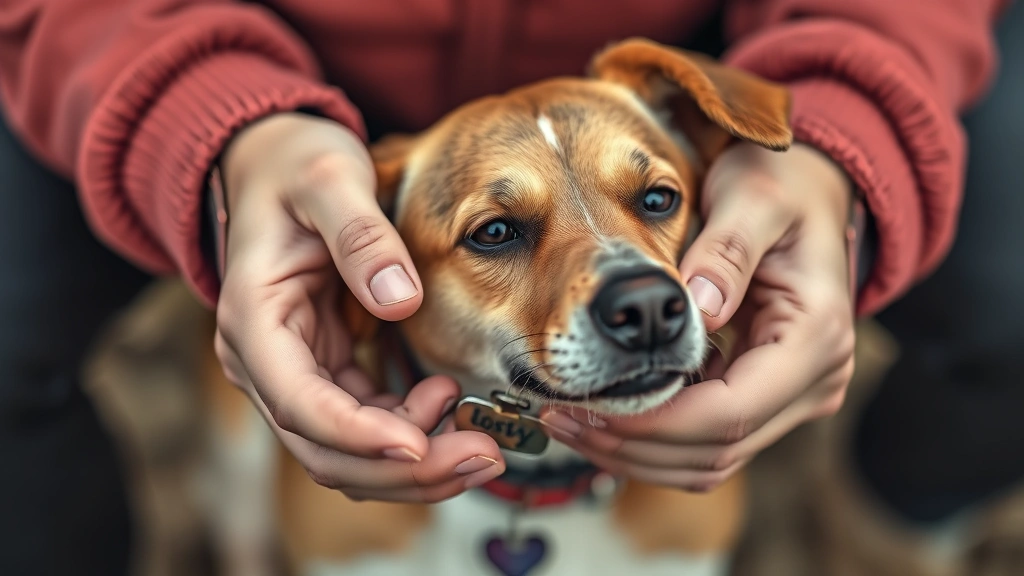
You’ve got limited space on that tag, so make every character count. Use clear, large print. Organize information logically: name first, phone number second, address third. Use abbreviations where possible (St. for Street, Ave. for Avenue). Consider using a professional engraving service rather than DIY options—the quality difference is worth it. Make sure the engraving is deep enough that it won’t wear away over time as your dog runs around and the tag gets bumped and jostled.
When selecting a martingale collar for dogs, ensure your tag is securely attached and won’t slip off.
Digital Tags and QR Code Options
Modern problems require modern solutions, right? Some pet parents are now using digital tags with QR codes that link to a profile with their contact information. When someone scans the code with their phone, they get your details plus photos of your dog and medical information. These can be updated instantly without replacing the physical tag. However, not everyone carries a phone or knows how to scan a QR code, so traditional tags are still your best bet as a primary identification method.

Keeping Your Tag Information Current
Here’s where most pet parents drop the ball: they never update their tag information. If you move, change phone numbers, or switch vets, your tag becomes a useless piece of metal. Set a reminder on your phone to check your dog’s tag information every six months. If anything has changed, get a new tag engraved immediately. Think of it like renewing your driver’s license—it’s a maintenance task that’s easy to forget but critically important.
The Backup Plan: Microchipping
While we’re talking about identification, let’s mention microchipping. A microchip is a tiny device implanted under your dog’s skin that contains your contact information. Unlike tags, microchips can’t fall off or get lost. However, they require a scanner to read, which is why they work best as a backup to your visible tag. Many shelters and vets have scanners, and if your dog ends up in their care, a microchip can be the key to getting you reunited. The American Veterinary Medical Association (AVMA) recommends both tags and microchips for optimal protection.
For low maintenance dogs, microchipping is especially important since owners might be less vigilant about tag maintenance.

Special Considerations for Different Situations
If you have a dog that escapes frequently, consider a tag that’s extra durable and secure. If your dog swims a lot, make sure the tag material can handle moisture without corroding. If you travel with your dog, you might want to add a temporary tag with your temporary address or a contact number for where you’re staying. If your dog has separation anxiety or behavioral issues, this isn’t something to put on the tag, but it’s information you should share immediately with whoever finds your pup.
Some pet parents also wonder about tags and leaving your dog in the car—having clear identification is especially crucial if your dog gets out of a vehicle accidentally.
Budget-Friendly Tag Options
You don’t need to spend a fortune on fancy tags. Basic metal tags from your local pet store or online retailers are affordable and effective. Engraving services are usually just a few dollars. Some shelters and rescue organizations offer free or discounted tag engraving. Online services let you design your tag and have it shipped to you. The important thing isn’t how fancy the tag looks—it’s that it has the right information and is securely attached to your dog’s collar.
Frequently Asked Questions
Can I put a microchip number on my dog’s tag?
You technically can, but it’s not recommended. A microchip number is useless to someone who finds your dog unless they have a scanner. Stick with phone numbers and addresses that anyone can use immediately.
What if my dog has a very common name like Max or Bella?
Use it anyway! The name helps humanize your dog and allows the finder to call your pup by name. If you’re worried about it being too common, you could add a brief descriptor like “Max – Golden Retriever” if space allows.
Should I include my dog’s age on the tag?
Age isn’t necessary and takes up valuable space. Focus on contact information first. Your dog’s medical records and microchip profile can contain age and other details.
Is it safe to put my full address on a dog tag?
This is a personal decision. Some people worry about security risks, while others see the convenience of someone being able to walk the dog home. If you’re concerned, use just your street name and number, or rely solely on your phone number.
How often should I replace my dog’s tag?
Replace tags if the engraving becomes worn or illegible, or if any of your contact information changes. Otherwise, a well-made tag can last several years. Check it regularly for damage.
Can I use a tag for multiple dogs?
No, each dog needs their own tag with their own name and your contact information. If you have multiple dogs, get multiple tags.
Final Thoughts: Your Dog’s Safety Starts With a Tag
Knowing what to put on dog tag is straightforward, but it requires thought and attention to detail. Your dog’s tag is a simple tool with enormous potential to bring your pet home safely. Include your phone number, your dog’s name, and your address (or at least your city). Keep the information current, make sure the tag is securely attached, and consider a microchip as backup. It takes five minutes to set up properly and could save your dog’s life. Don’t skip this step—your furry best friend is counting on you.





