

Figuring out what vaccines do dogs need can feel like decoding a veterinary textbook, but it’s actually one of the most important health decisions you’ll make for your furry best friend. Think of vaccines as your dog’s personal bodyguards—they train the immune system to recognize and fight off nasty diseases before they become a real problem. Let’s break down this essential topic so you can keep your pup healthy and happy for years to come.
Table of Contents
- Understanding Core vs. Non-Core Vaccines
- The Essential Core Vaccines Your Dog Needs
- Non-Core Vaccines: When Your Dog Might Need Extra Protection
- Puppy Vaccination Schedule: Getting Them Started Right
- Adult Dog Boosters: Keeping Immunity Strong
- Senior Dogs and Vaccine Considerations
- Vaccine Reactions and Side Effects: What’s Normal?
- Geographic Considerations: Does Location Matter?
- Lifestyle Factors: Active Dogs vs. Couch Potatoes
- Titer Testing: An Alternative to Routine Boosters
- Vaccine Records and Travel Requirements
- Frequently Asked Questions
- Conclusion: Creating Your Dog’s Personalized Vaccine Plan
Understanding Core vs. Non-Core Vaccines
Not all dog vaccines are created equal, and that’s where the distinction between core and non-core vaccines comes in. Core vaccines are the ones every dog should get, regardless of lifestyle or location. These are the heavy hitters that protect against diseases that are widespread, serious, and potentially fatal. Non-core vaccines, on the other hand, are recommended based on your dog’s individual risk factors, geographic location, and lifestyle.
Think of core vaccines as the foundation of your dog’s health insurance policy. They’re like the basic coverage everyone needs, while non-core vaccines are the optional add-ons you choose based on your specific situation. Your veterinarian will help you determine which vaccines fall into each category for your particular pup.
The Essential Core Vaccines Your Dog Needs
The core vaccines for dogs typically include protection against rabies, distemper, and parvovirus. These three diseases are serious business—we’re talking about potentially fatal conditions that can devastate your dog’s health. According to the American Kennel Club (AKC), these core vaccines are non-negotiable for all dogs.
Rabies is the big one that’s actually legally required in most states. It’s a viral infection that affects the brain and nervous system, and once symptoms appear, it’s almost always fatal. Your dog needs this vaccine not just for their protection, but for public health safety too. Distemper (also called DHPP or DAPP) protects against distemper, hepatitis, parvovirus, and parainfluenza—essentially a four-in-one powerhouse. Parvovirus is particularly nasty for puppies and unvaccinated dogs, causing severe vomiting, diarrhea, and dehydration.
Non-Core Vaccines: When Your Dog Might Need Extra Protection
Non-core vaccines are the customizable part of your dog’s vaccine plan. These include protection against bordetella (kennel cough), leptospirosis, Lyme disease, and coronavirus. Whether your dog needs these depends on factors like where you live, how often they spend time around other dogs, and their outdoor activities.
If your dog frequents dog parks, boarding facilities, or grooming salons, bordetella is probably a good idea—it’s the vaccine that prevents kennel cough, that annoying hacking cough that spreads like wildfire in multi-dog environments. Leptospirosis is especially important if your dog loves swimming in lakes, rivers, or puddles, or if you live in an area where wildlife is common. Lyme disease vaccination might make sense if you’re in a tick-heavy region or if your pup spends lots of time hiking through wooded areas.

Puppy Vaccination Schedule: Getting Them Started Right
Puppies are like tiny sponges for disease, so their vaccination schedule is pretty rigorous. Most vets recommend starting puppies on their vaccine series at around 6-8 weeks of age, with follow-up shots every 3-4 weeks until they’re about 16 weeks old. This repeated schedule helps ensure their developing immune systems get the message loud and clear.
The typical puppy schedule looks something like this: initial visit at 6-8 weeks for core vaccines, another round at 10-12 weeks, and a final round at 14-16 weeks. Rabies is usually given at 12-16 weeks, though some vets do it at 8 weeks. After this initial series, your puppy will need booster shots—typically one year later, and then every 1-3 years depending on the vaccine and your vet’s recommendation.
Adult Dog Boosters: Keeping Immunity Strong
Once your dog is past the puppy stage, you’re not done with vaccines—you’re just moving into maintenance mode. Adult dogs need booster shots to keep their immunity at peak levels. Rabies boosters are typically given every 1-3 years depending on your state’s requirements and the vaccine used. Other core vaccines usually need boosters every 1-3 years as well, though some newer vaccines claim longer protection.
Your veterinarian will send you reminders when your dog’s boosters are due. Don’t skip these appointments thinking your dog is “already vaccinated”—immunity wanes over time, and boosters are what keep that protection strong. It’s like renewing your insurance policy; you want to make sure you’re always covered.
Senior Dogs and Vaccine Considerations
As your dog enters their senior years (typically around age 7 or older), vaccine decisions become a bit more nuanced. Senior dogs still need protection, but your vet might adjust the vaccine protocol based on your dog’s overall health, any chronic conditions, and their lifestyle. Some senior dogs with compromised immune systems might need modified vaccine schedules or additional monitoring.
This is where having an open conversation with your vet really matters. They can assess your senior pup’s individual situation and create a vaccination plan that balances protection with their specific health needs. According to PetMD, regular health assessments become even more important for senior dogs to determine appropriate vaccine schedules.
Vaccine Reactions and Side Effects: What’s Normal?
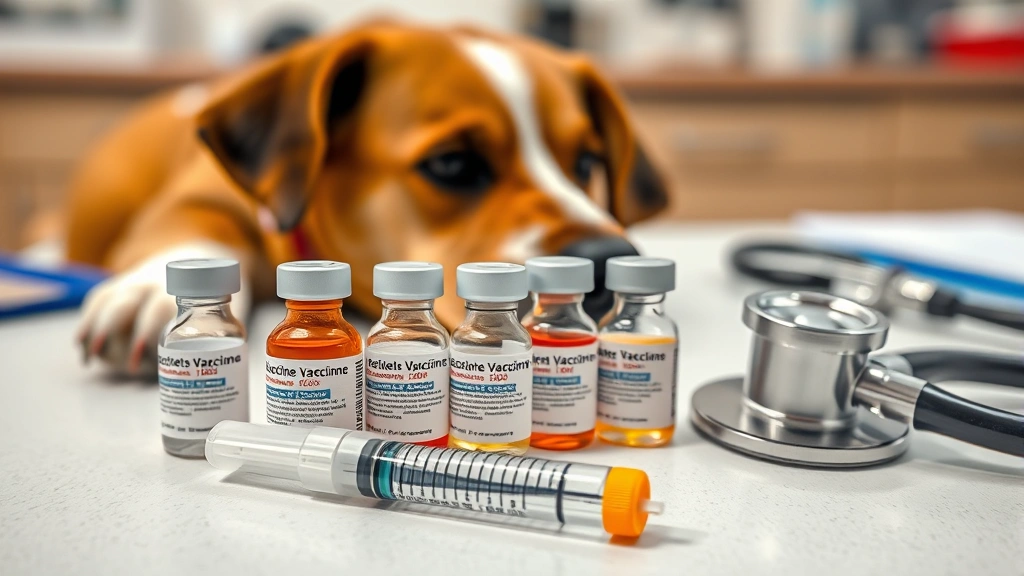
Like any medical intervention, vaccines can cause side effects, though serious reactions are relatively rare. The most common side effects are mild and temporary—your dog might be a bit lethargic, have a slight fever, or experience some soreness at the injection site. These usually resolve within a day or two and are actually a sign that the immune system is doing its job.
More serious reactions, though uncommon, can include allergic reactions, facial swelling, or vomiting. If you notice anything concerning after your dog’s vaccination, contact your vet immediately. Most vets recommend keeping your dog calm for a few hours after vaccination and monitoring them closely. It’s also smart to schedule vaccines in the morning so you can watch your pup throughout the day.
Geographic Considerations: Does Location Matter?
Your zip code actually matters when it comes to vaccine decisions. Different regions have different disease prevalence rates. If you live in an area with lots of wildlife, tick-borne illnesses like Lyme disease are more common, making that vaccine more important. Coastal areas might have different disease profiles than landlocked regions. Urban areas have higher rates of kennel cough due to dog density, while rural areas might have more exposure to leptospirosis.
Your veterinarian will be familiar with the disease landscape in your specific area and can recommend vaccines accordingly. If you’re planning to move or travel with your dog, it’s worth discussing vaccine needs for your destination. Some boarding facilities and dog parks also have specific vaccine requirements, so check those out before your visit.
Lifestyle Factors: Active Dogs vs. Couch Potatoes
Your dog’s lifestyle plays a huge role in determining which vaccines they need. A dog who spends most of their time indoors with minimal contact with other dogs has different risk factors than a social butterfly who frequents dog parks daily. Hiking enthusiasts who spend weekends exploring trails face different disease exposures than dogs who stick to sidewalk walks in suburban neighborhoods.
If your dog is a serious adventurer—think hiking, camping, swimming in natural water sources—they’ll need different vaccine coverage than a homebody. Discuss your dog’s typical activities with your vet so they can tailor vaccine recommendations accordingly. The American Animal Hospital Association (AAHA) provides detailed guidelines that vets use to make these individualized recommendations.
Titer Testing: An Alternative to Routine Boosters
If you’re the cautious type worried about over-vaccinating, there’s an option called titer testing. A titer test measures the level of antibodies in your dog’s blood to determine if they still have immunity from previous vaccines. Instead of automatically giving booster shots, some owners opt for titer testing to see if their dog actually needs them.
The downside? Titer testing is more expensive than a booster shot, and it doesn’t test for all vaccine-preventable diseases. It’s also not a substitute for rabies vaccination in most states, since rabies boosters are legally required. Talk to your vet about whether titer testing makes sense for your dog’s situation. Some vets are enthusiastic about it, while others prefer the reliability of standard booster schedules.
Vaccine Records and Travel Requirements
Keep detailed records of your dog’s vaccinations—you’ll need them for boarding facilities, dog parks, training classes, and travel. Many facilities require proof of current vaccinations, particularly rabies and DHPP. If you’re traveling across state lines or internationally, vaccine requirements can get even more specific and complicated.
Some airlines require health certificates and specific vaccines for travel. If you’re moving to a new state or country, research the vaccine requirements ahead of time. Your vet can provide official vaccination certificates that are recognized by most facilities and authorities. Digital records are great, but keep physical copies too, just in case.
Frequently Asked Questions
Can I vaccinate my dog myself at home?
While some vaccines are available for home administration, it’s not recommended. Vaccines need to be stored at specific temperatures, administered correctly, and documented properly. Plus, your vet should evaluate your dog’s health before vaccinating to ensure they’re in good condition. The small cost savings isn’t worth the potential risks.
Is it safe to vaccinate my dog if they’re sick?
Generally, no. If your dog is currently ill, their immune system is already working overtime fighting the infection or illness. Vaccinating a sick dog can be ineffective and potentially harmful. Wait until your dog has fully recovered before scheduling vaccines. Let your vet know about any recent illness so they can adjust your dog’s vaccination timeline if needed.

How often does my dog really need rabies boosters?
This depends on your state’s legal requirements and the vaccine used. Some rabies vaccines provide 1-year protection, while others provide 3-year protection. Check your state’s specific requirements—they’re legally binding. Your vet will know the requirements in your area and can advise accordingly.
Are there risks to not vaccinating my dog?
Absolutely. Unvaccinated dogs are vulnerable to serious, potentially fatal diseases. Beyond the health risk to your own dog, unvaccinated dogs can spread diseases to other animals in your community. Rabies is particularly concerning because it’s transmissible to humans and almost always fatal once symptoms appear.
Can older vaccines interfere with new vaccines?
No, previous vaccines don’t interfere with new vaccines. In fact, previous vaccinations help boost immunity when you give boosters. Your vet will have your complete vaccination history and can plan accordingly. Just make sure to bring your dog’s vaccination records to every appointment.
Conclusion: Creating Your Dog’s Personalized Vaccine Plan
Knowing what vaccines do dogs need isn’t a one-size-fits-all answer—it’s a conversation between you and your veterinarian based on your individual dog’s age, health status, lifestyle, and geographic location. Core vaccines like rabies, distemper, and parvovirus are non-negotiable for every dog, but non-core vaccines should be chosen based on your specific situation.
The key is to establish a strong relationship with your vet and have open discussions about your dog’s vaccine needs. Bring up your dog’s lifestyle, your travel plans, and any health concerns. Keep meticulous records of all vaccinations, and don’t skip those booster appointments—they’re crucial for maintaining your dog’s immunity throughout their life.
Your dog depends on you to make informed health decisions, and staying current on vaccinations is one of the best ways to ensure they live a long, healthy, happy life by your side. Schedule that vet appointment, ask all your questions, and get your pup on the right vaccination schedule. Your future self—and your dog—will thank you.





